
TL;DR

Get furniture and decor delivered free with Prime
- Fast, free delivery on millions of items
- Prime Video, Amazon Music and more included
- Member-only deals all year
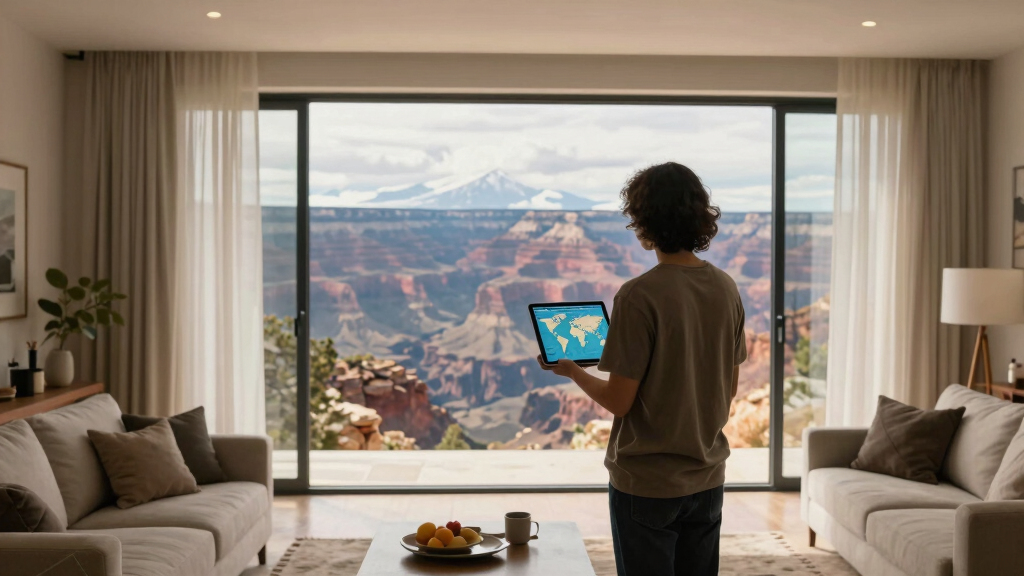
The Grand Canyon and Alaska are experiencing a surge in international media coverage, with 23 mentions recorded in a recent reporting window. This increase signals growing global attention to these U.S. landmarks.
Recent data indicates that the Grand Canyon and Alaska have experienced a surge in international media coverage, with 23 mentions recorded in a recent reporting window. This increase signals growing global attention to these U.S. landmarks, similar to how Courchevel, France is gaining international recognition. This increase underscores heightened global interest in these U.S. landmarks, though the reasons for the surge are still being analyzed.
According to data from the GDELT Project, a global media monitoring database, the Grand Canyon and Alaska received 23 mentions in the latest reporting window, representing a significant rise from previous levels. The surge marks a notable shift in international media attention, which had been relatively steady prior to this period.
Experts suggest that the increased coverage may be be linked to recent environmental, political, or tourism-related developments, but specific causes remain unconfirmed. For example, regions like Lisbon have seen surges in global coverage due to similar factors. The GDELT data does not specify the nature of the coverage or the sources involved, only the volume of mentions.
Analysts emphasize that such spikes in media mentions can influence public perception and policy discussions, especially concerning conservation efforts, tourism, or climate change impacts related to these regions. For instance, Sardinia has experienced increased media attention for its environmental initiatives. However, it is too early to determine whether this coverage will have long-term effects.
Implications of Rising Media Attention on the Grand Canyon and Alaska
The surge in international media coverage of the Grand Canyon and Alaska highlights increased global interest in these regions, which could influence tourism, environmental policies, and international perceptions. Heightened attention may lead to greater advocacy for conservation or increased visitor numbers, both of which carry economic and ecological implications.
Additionally, the coverage could reflect or influence broader discussions on climate change, natural preservation, and U.S. environmental policy, especially if linked to recent events or developments in these areas. The impact on local communities and ecosystems could be significant if the trend continues.
As an affiliate, we earn on qualifying purchases.
Recent Trends in Media Coverage of U.S. Natural Landmarks
The Grand Canyon and Alaska have long been prominent in U.S. and international tourism and environmental discourse. Prior to this surge, media attention had been relatively stable, with occasional spikes tied to specific events such as environmental reports or tourism campaigns. The recent increase, however, appears more pronounced and sustained, according to GDELT data.
This development comes amid ongoing global discussions on climate change impacts and the importance of natural heritage sites. It also coincides with increased international travel and media interest in remote or pristine environments, possibly driven by recent environmental or political events.
While the precise causes of this recent surge are not yet clear, the pattern aligns with broader trends of rising global focus on natural landscapes and environmental issues.
“The 23 mentions represent a notable increase from baseline levels, indicating a significant shift in global media focus.”
— GDELT Research Team
Unclear Causes Behind the Media Coverage Surge
It is not yet confirmed what specific events or factors triggered the recent increase in media mentions of the Grand Canyon and Alaska. Experts suggest environmental or tourism-related reasons, but no definitive explanation has been provided.
Further analysis is needed to determine whether this is a short-term spike or part of a longer-term trend, and whether particular news stories, policy changes, or environmental incidents are driving the coverage.
Monitoring Media Trends and Regional Developments
Researchers and regional authorities will likely monitor ongoing media coverage to assess its duration and impact. Future reports may clarify whether the surge is linked to specific events, policy debates, or environmental concerns.
Stakeholders in tourism, conservation, and policy-making will also observe whether this increased attention translates into tangible actions or shifts in public opinion.
Key Questions
Why are the Grand Canyon and Alaska receiving more media attention now?
It is currently unclear, but potential reasons include recent environmental reports, tourism campaigns, or political developments. Further analysis is needed to confirm specific causes.
Is this surge in coverage expected to continue?
At this stage, it is uncertain. Media trends can fluctuate, and ongoing monitoring will determine if the increase is sustained or a short-term spike.
What impact could this media attention have?
Increased coverage can influence public perception, tourism, and policy discussions related to conservation and environmental issues in these regions.
Are there specific events driving this coverage?
No specific events have been confirmed as the cause of the surge. The reasons remain under investigation.
Source: gdelt
Halloween Picks
halloween
As an affiliate, we earn on qualifying purchases.