
TL;DR

Get furniture and decor delivered free with Prime
- Fast, free delivery on millions of items
- Prime Video, Amazon Music and more included
- Member-only deals all year
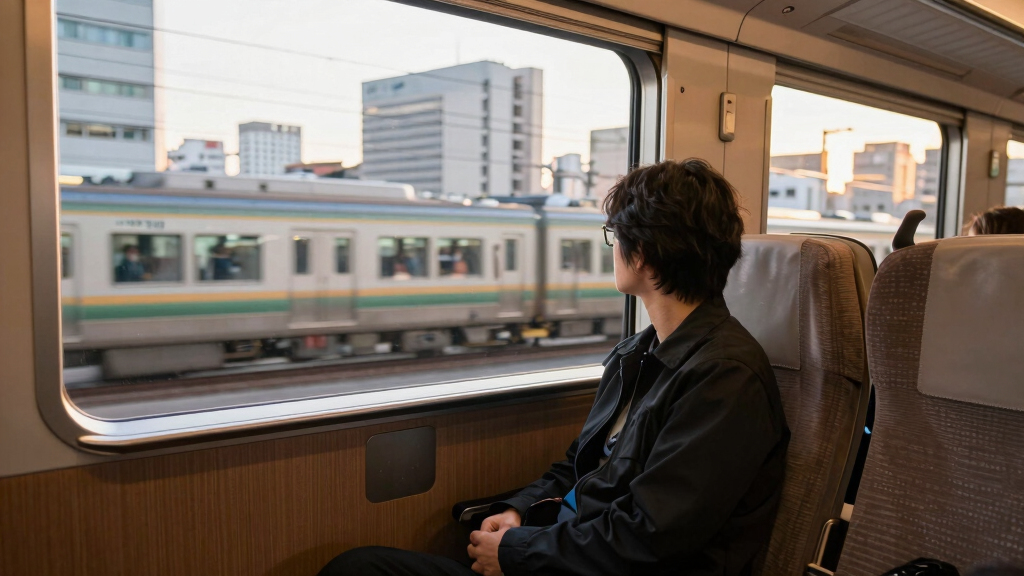
A new digital platform offers an immersive voxel Tokyo experience in real Japan time, enabling users to ride the Yamanote line virtually while studying Japanese. The project aims to blend travel simulation with language learning.
A new interactive platform has launched, offering a voxel-based simulation of Tokyo that operates in real Japan time. Users can virtually ride the Yamanote line, a central train loop around Tokyo, while engaging in Japanese language studies. The project aims to combine immersive travel simulation with language learning, making it accessible worldwide.
The platform, developed by a Tokyo-based tech startup, creates a detailed voxel model of Tokyo cityscape, synchronized with real-time data from Japan. Users can select to ride the Yamanote line, experiencing the train’s route digitally as if they were traveling in real life. During the ride, users can access Japanese language lessons, vocabulary, and cultural insights integrated into the experience.
According to the company, the simulation updates in real time, reflecting current weather, time of day, and train schedules. The platform is accessible via web browsers and VR devices, aiming to appeal to language learners, tourists, and Japanese culture enthusiasts worldwide.
Potential Impact on Language Learning and Virtual Tourism
This initiative could transform how people learn Japanese by offering an immersive, real-time experience of Tokyo’s environment and transit system. It also represents a novel approach to virtual tourism, enabling global users to explore Tokyo’s iconic Yamanote line without physical travel. If successful, it may influence future educational tools and virtual travel platforms, making cultural exchange more accessible and engaging.As an affiliate, we earn on qualifying purchases.
Integration of Virtual Worlds and Real-Time Data in Japan
Recent years have seen increasing interest in virtual environments that simulate real-world locations, driven by advances in voxel technology and real-time data integration. Japan has been at the forefront of such innovations, with projects like virtual Tokyo cityscapes used for gaming, urban planning, and cultural education. This new platform builds on these developments by combining immersive visualization with language education, a growing trend in edtech and virtual tourism sectors.
The Yamanote line, a key transit route in Tokyo, has long been a symbol of the city’s urban rhythm. Its inclusion in this digital experience emphasizes the platform’s goal of replicating authentic Tokyo life, offering users a taste of daily Japanese cityscapes and routines.
“Our platform bridges the gap between virtual exploration and real-world language learning, making Tokyo accessible to everyone, everywhere.”
— Takashi Saito, CEO of Tokyo Virtual Tech
Unconfirmed Aspects and Technical Limitations
It is not yet clear how accurately the voxel model replicates Tokyo’s current urban landscape or how the real-time data integration functions under different network conditions. The extent of user interactivity and the effectiveness of language learning features are still being evaluated, with no comprehensive user feedback available yet.
Upcoming Developments and User Feedback Collection
The platform plans to expand its features, including more routes beyond the Yamanote line and additional language modules. Developers aim to gather user feedback over the coming months to refine the experience. Future updates may include augmented reality features and multiplayer options, further enhancing immersion and social interaction.
Key Questions
How does the platform simulate Tokyo in real time?
The platform uses live data feeds from Tokyo’s city infrastructure, including weather, train schedules, and time, to update the voxel environment dynamically, creating a real-time virtual Tokyo experience.
Can I learn Japanese effectively through this simulation?
The platform integrates language lessons, vocabulary, and cultural insights into the virtual ride, aiming to support learning. However, its effectiveness depends on user engagement and supplementary study methods.
Is this platform accessible outside Japan?
Yes, it is available globally via web browsers and VR headsets, making it accessible to anyone with internet access interested in Tokyo or Japanese language study.
Will new routes or features be added in the future?
Yes, developers plan to add more train lines, routes, and interactive features based on user feedback and technological advancements.
Source: hn
Fall Picks
fall essentials
As an affiliate, we earn on qualifying purchases.