
Voice assistants record your spoken commands, conversations, and environmental sounds to improve accuracy and services. They often store these recordings, which may include sensitive information, risking privacy breaches if not properly managed. To limit data collection, review and adjust privacy settings, delete stored recordings regularly, and disable features you don’t need. Staying informed on privacy options helps protect your data, and if you keep exploring, you’ll discover effective ways to maintain control over your voice data.

Get furniture and decor delivered free with Prime
- Fast, free delivery on millions of items
- Prime Video, Amazon Music and more included
- Member-only deals all year
Key Takeaways
- Voice assistants record spoken commands, conversations, and environmental sounds, which are stored for improving service accuracy.
- Users can review, delete, or manage stored recordings through device settings or privacy controls.
- Enabling privacy features like voice data encryption and disabling unneeded recordings helps protect your data.
- Regularly reviewing privacy policies and adjusting app permissions limits third-party access to your recordings.
- Disabling voice recording features when not in use and deleting old recordings reduces privacy risks.
privacy screen protector for smart speakers
As an affiliate, we earn on qualifying purchases.
As an affiliate, we earn on qualifying purchases.
What Data Do Voice Assistants Record?
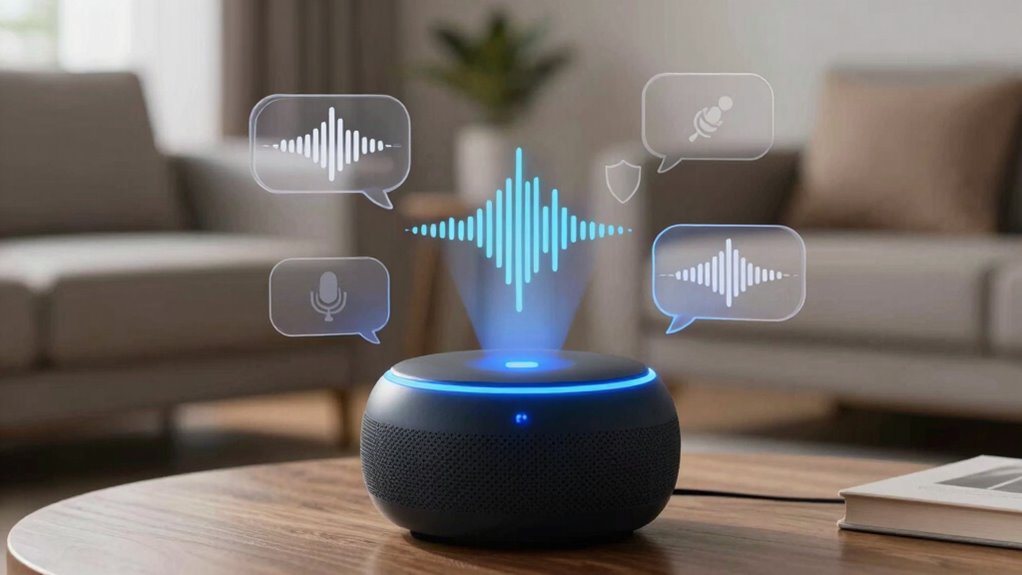
Have you ever wondered what exactly your voice assistant records when you speak to it? When you interact with your device, it captures voice data through audio recordings. These recordings include everything you say, from commands to casual conversations. The assistant processes these audio clips to understand your requests and respond accurately. The recordings are stored as voice data, which helps improve the system’s performance over time. Additionally, these recordings often involve data storage practices that vary depending on the device or service provider. Some systems leverage voice recognition technology to enhance user experience and accuracy. It’s also important to understand that ear wax odor or other environmental factors can sometimes be mistakenly recorded if the device picks up unintended sounds. The accuracy of recordings can be affected by background noise, which may lead to unintended data being stored or processed.
How Is Voice Data Used by Companies?
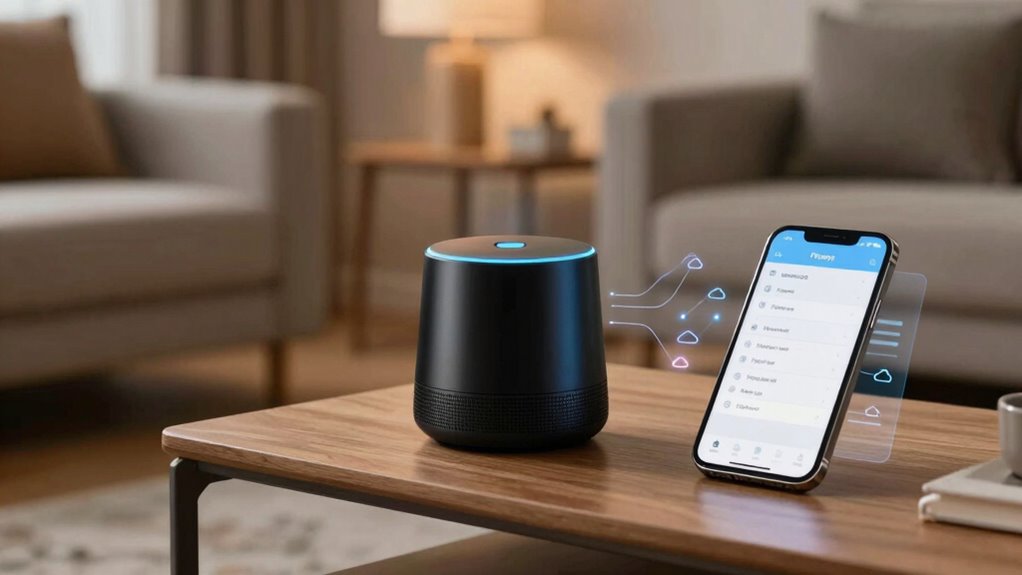
Companies collect your voice data to improve their services and develop new features. They analyze your voice insights to understand patterns and enhance user experiences. This process is part of a broader effort to gather reliable, well-researched information to inform their offerings and innovations. Additionally, many companies implement privacy protections to safeguard user data, though the effectiveness of these measures varies. Some organizations leverage voice data to refine exfoliation techniques and optimize product formulations, ultimately aiming for better customer satisfaction. This raises important questions about how your data is used and protected, especially as data security practices continue to evolve.
Data Collection Practices
Voice data collected by companies is primarily used to improve the accuracy and responsiveness of voice assistants. To protect your privacy, many companies implement voice data encryption, ensuring your recordings are securely stored and transmitted. Despite this, some data may be shared with third parties for advertising, analytics, or service improvements. Third party sharing raises concerns about how your information is used beyond the original platform. Companies may also retain voice recordings to refine algorithms or develop new features. While encryption helps safeguard your data, understanding their collection practices is vital. Be aware that your voice recordings might be stored, analyzed, and shared, often without explicit consent. Limiting data collection and being cautious about permissions can help you maintain better control over your voice assistant privacy. Additionally, European cloud servers support data sovereignty and enhanced security, giving users more confidence in how their data is managed. Implementing privacy controls and regularly reviewing permissions can further help you protect your personal voice data. Furthermore, understanding the role of data encryption can significantly reduce the risk of unauthorized access to your recordings. Being aware of data retention policies helps you understand how long your data may be stored and used.
Usage of Voice Insights
Many companies analyze voice data to gain insights into user behavior and preferences, helping them improve products and services. Voice insights allow companies to understand how users interact with their devices, enabling tailored experiences. They use data interpretation to identify patterns like common commands or emotional cues. With this information, they can refine voice recognition accuracy and personalize responses. Specifically, they might:
- Track trending topics or frequently asked questions
- Improve voice assistants’ natural language understanding
- Target advertisements based on user preferences
- Incorporate ventilation considerations to optimize device performance and user comfort
This process involves collecting and analyzing voice recordings, which raises privacy concerns. While these insights help enhance functionality, it’s essential to remain aware of how your voice data is being used and what privacy safeguards are in place.
What Are the Privacy Risks of Voice Assistants?
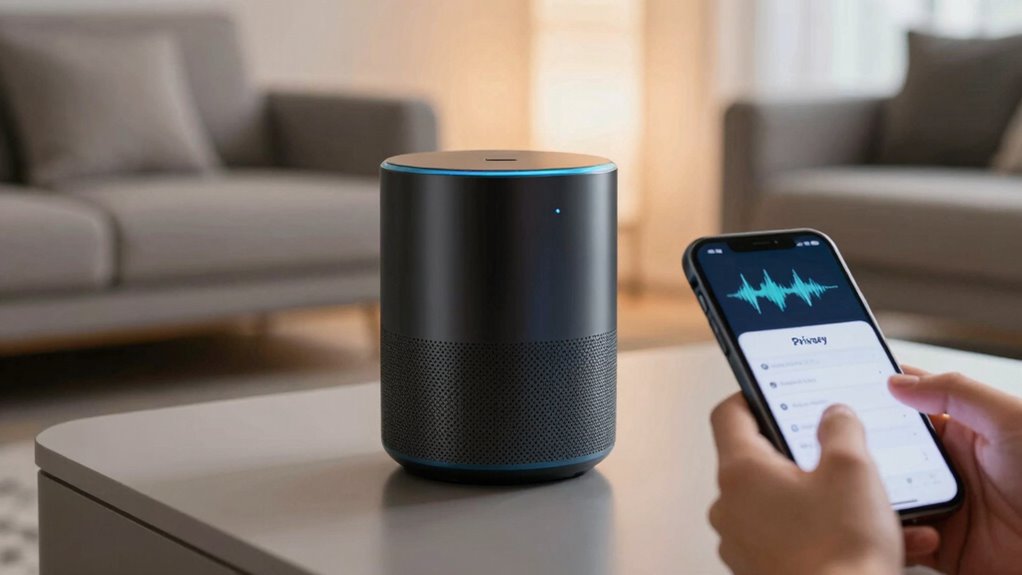
You face risks like accidental recordings when voice assistants pick up sounds unintentionally. Data breaches can expose your sensitive information if companies don’t protect your data properly. Plus, unclear privacy policies make it hard to know exactly how your voice data is being used or shared. Understanding privacy policy practices can help you better grasp the importance of secure and responsible device use. Being aware of media literacy can help you evaluate the trustworthiness of the information and policies presented by these devices. Additionally, awareness of cookie management options can empower you to control what data is collected and shared during your interactions with the device. Recognizing trusted business listings can also help you find companies committed to privacy and security standards.
Unauthorized Recordings Risks
Unauthorized recordings pose a significant privacy concern because voice assistants are constantly listening for wake words, which means they can inadvertently capture sensitive conversations even when you’re not actively using them. This risk increases with accidental activation, where a device interprets sounds as commands. To understand the dangers better:
- Unauthorized recordings can be stored or shared without your knowledge.
- They may reveal private details during unintended captures.
- These recordings could be accessed by hackers if security isn’t tight.
- The horsepower of electric dirt bikes shows how powerful these devices can be, highlighting the importance of controlling what data they may record or transmit. Additionally, the privacy settings available on these devices play a crucial role in managing what is being recorded and stored.
Because of this, you’re vulnerable to privacy breaches from unintended activation. Even innocent background sounds might trigger recordings, risking your personal information. Staying aware of these risks helps you take steps to limit unauthorized recordings and protect your privacy.
Data Breach Threats
While voice assistants offer convenience, they also pose significant privacy risks through potential data breaches. If hackers gain access to stored recordings or personal data, your privacy is compromised. Weak encryption protocols make it easier for cybercriminals to intercept and decrypt sensitive information, increasing the risk of misuse. Insider threats also present a danger; employees with access to your data might intentionally or unintentionally leak information. Companies storing voice data must implement strong encryption protocols to protect against unauthorized access. Regular security audits and strict access controls help mitigate insider threats. Ultimately, understanding these vulnerabilities reminds you to stay vigilant and choose devices with robust security measures to minimize your exposure to data breach risks.
Privacy Policy Ambiguities
One of the key privacy risks associated with voice assistants stems from ambiguous or unclear privacy policies. When these policies lack clarity, you may not fully understand what data is collected, how it’s used, or who has access. This ambiguity can lead to unintentional data sharing or misuse. To navigate this, look for: 1. Clear privacy policy language that specifies data collection and sharing practices. 2. Transparency about how voice recordings are stored, used, and deleted. 3. Options for easy ambiguity clarification, so you can control your data. Without these clarifications, you risk your privacy being compromised without your knowledge. Understanding the privacy policy helps you make informed decisions and limits exposure to potential privacy breaches. Transparency in privacy policies is crucial for maintaining user trust and ensuring accountability. Prioritizing transparent policies ensures you are aware of what is happening with your data and can take control of your privacy. Additionally, privacy policy clarity is essential for users to assess the true level of data security offered by voice assistant platforms. Being aware of privacy risks associated with voice assistants enables you to adopt safer usage practices and protect your personal information. Always prioritize platforms that provide straightforward, transparent policies for your peace of mind.
How Can I Review and Manage My Voice Assistant Privacy Settings?
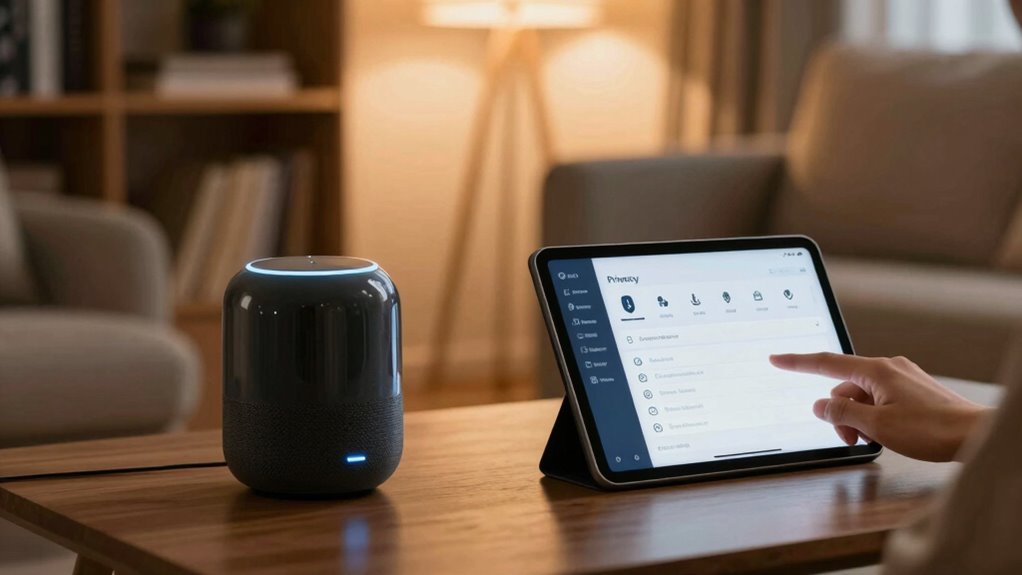
To effectively review and manage your voice assistant privacy settings, you need to understand where to find these controls and what options are available. Start by accessing the device’s app or settings menu, where privacy controls are usually located. These controls let you customize what data is collected and stored. Check user permissions to see which apps and services have access to your voice recordings and other sensitive information. Adjust these permissions to limit data sharing. Many voice assistants also offer activity logs or history pages, allowing you to review what voice commands have been recorded. Regularly monitoring and updating these settings helps protect your privacy and gives you better control over your voice data. Additionally, reviewing the privacy policies provided by your device manufacturer can help you understand how your data is managed and shared.
Tips to Limit Voice Data Collection on Your Devices
Limiting voice data collection begins with adjusting your device’s privacy settings to restrict what information is recorded and stored. To enhance your privacy, consider these steps:
Start by adjusting your device’s privacy settings to control voice data collection and protect your conversations.
- Disable voice recordings in your device’s settings to prevent unnecessary data collection.
- Turn on voice data encryption to protect your recordings from unauthorized access.
- Limit third-party access by managing app permissions and ensuring only trusted services can access your voice data.
These actions reduce the risk of your voice data being intercepted or misused. Regularly reviewing your privacy settings helps ensure that your voice recordings stay private. Remember, controlling what’s stored and who can access it is your best defense against unwarranted voice data collection. Stay vigilant to safeguard your conversations from unwanted exposure.
How Do I Delete My Voice Recordings?
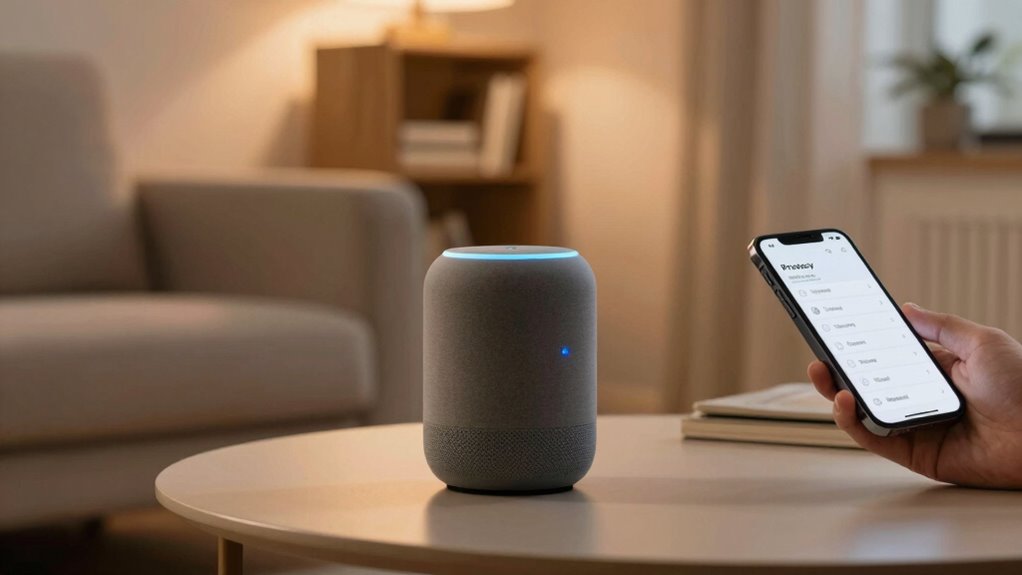
You can delete your voice recordings by checking your voice history settings and removing them directly. Using the voice assistant apps often gives you options to review and delete recordings quickly. If needed, you can also delete recordings manually from your device or account for added privacy.
Access Voice History Settings
Accessing and deleting your voice recordings is usually straightforward through your voice assistant’s settings. To do this, you need to navigate to your device’s privacy settings, where voice history is stored. Once there, you can:
- Review your voice recordings to see what’s stored.
- Delete individual recordings or clear your entire history.
- Adjust privacy settings to control future voice data collection and disable voice training features if you prefer more privacy.
Use Voice Assistant Apps
Wondering how to delete your voice recordings directly from your voice assistant app? Many apps now let you manage your data, but it’s important to understand voice assistant ethics and how your user consent impacts data collection. To delete recordings, open the app’s settings and look for privacy or data management options. Some assistants allow you to view and remove individual recordings directly, giving you more control over your privacy. Remember, managing your recordings respects your user consent and aligns with ethical data practices. Always review the app’s privacy policies to understand how your voice data is stored and used. Taking these steps helps you stay informed and ensures your privacy remains protected while using voice assistant technology.
Delete Recordings Manually
To delete your voice recordings manually, start by opening the voice assistant app and browsing to its settings menu. From there, access the privacy controls to manage your data. Here’s how to proceed:
- Locate the “Voice Recordings” or similar section within privacy settings.
- Select the option for manual deletion, often labeled as “Delete recordings” or “Manage recordings.”
- Confirm your choice to delete all or specific recordings, ensuring your privacy is maintained.
Using manual deletion gives you direct control over your stored voice data. Regularly reviewing and removing recordings helps protect your privacy and limits what’s stored on your device or servers. Always explore your app’s privacy controls to stay informed and secure.
Will Voice Data Be Safe in the Future? Trends and Best Practices
As voice assistants become more integrated into daily life, concerns about the safety of voice data are growing. The future security of your voice data depends on ongoing privacy evolution and the adoption of best practices by companies. Trends indicate a shift toward stronger encryption, transparency, and user control over recordings. Manufacturers are increasingly implementing privacy settings that let you limit data collection and delete recordings easily. Additionally, regulations are pushing for greater accountability and data protection standards. While no system can be completely invulnerable, staying informed and utilizing privacy features will help you protect your voice data. By prioritizing secure storage and responsible data handling, the industry aims to make voice data safer in the future.
Do Voice Assistants Always Listen to My Conversations?

Many people assume voice assistants are constantly listening, but that’s not entirely accurate. They only activate when they hear a wake word or phrase you set, which helps address privacy concerns. However, some devices may still pick up background conversations unintentionally. To better understand how they operate, consider these points:
- Voice assistants process audio only after detecting the wake word, reducing unnecessary recordings.
- Privacy concerns arise when devices inadvertently record conversations outside active use.
- Managing consent is vital; regularly review your privacy settings and disable features you don’t need.
What Are the Risks of Voice Data Breaches and How Can I Protect Myself?
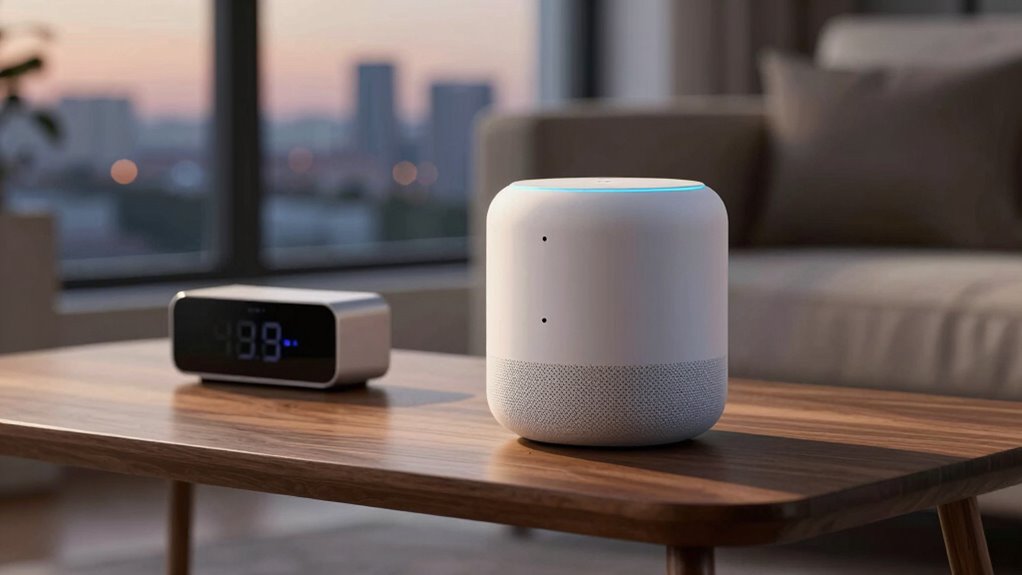
Voice data breaches pose significant risks because hackers and malicious actors can access sensitive information stored by voice assistants, potentially leading to identity theft or unauthorized account access. To protect yourself, verify your voice data is encrypted during transmission and storage, as voice data encryption adds a crucial layer of security. Be cautious about third party sharing; only allow trusted services to access your data, and review privacy settings regularly. Limiting what gets shared reduces exposure if a breach occurs. Additionally, disable voice recordings you don’t need and delete old ones periodically. Staying informed about privacy policies and taking proactive steps helps safeguard your voice data from breaches, minimizing the risk of misuse and protecting your personal information.
How Can I Stay Informed and Protect My Voice Data Privacy?
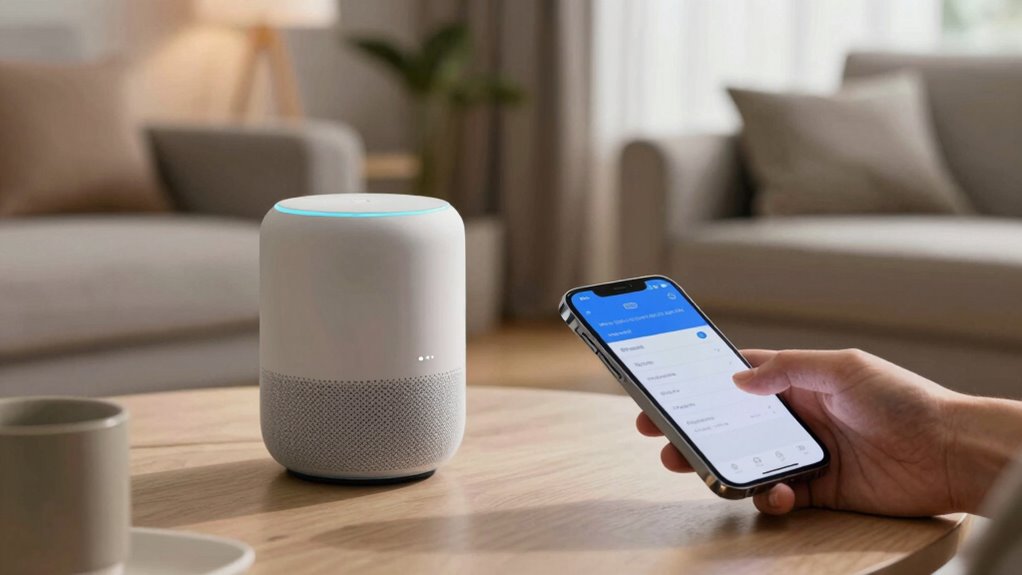
Staying informed about voice data privacy requires regularly reviewing the privacy policies of your voice assistant providers and understanding how your data is collected, stored, and used. To better protect your privacy, consider these steps:
- Keep up with privacy legislation updates relevant to your region, so you’re aware of your rights and new protections.
- Always read and give informed user consent before enabling new features or sharing data.
- Use privacy settings to limit data collection and disable voice recordings when possible.
Frequently Asked Questions
Can Voice Assistants Identify Individual Users by Voice?
Yes, voice assistants can identify individual users through voice biometrics, which enables user differentiation. When you speak, the device analyzes your voice features to recognize you, allowing personalized responses and access control. To limit this, you can disable voice recognition features or manage user profiles in the settings. Be aware that enabling voice biometrics improves convenience but may also raise privacy concerns, so consider your comfort level with user differentiation.
Are Third-Party Apps Accessing My Voice Recordings?
Think of your voice recordings as delicate whispers; third-party apps can access them if you’ve granted permissions. You need to check your voice assistant’s settings to see if third-party apps have permission for voice data sharing. Sometimes, these apps access your recordings through third-party permissions, so it’s essential to review and revoke any unnecessary access. Stay in control and protect your privacy by managing who can access your voice data.
How Long Do Companies Retain Voice Data?
Companies typically retain voice data according to their data retention policies, which vary but often range from a few months to several years. They may anonymize your data to protect your privacy, but it is crucial to review these policies regularly. You can limit data retention by adjusting your privacy settings or deleting recordings. Staying informed and managing your preferences helps guarantee your voice data isn’t stored longer than necessary.
Are Voice Assistants Vulnerable to Hacking?
Yes, voice assistants can be vulnerable to hacking if security measures aren’t strong. Hackers might exploit weaknesses in voice synthesis or intercept unencrypted data. To protect yourself, make certain your device uses data encryption and keep software updated. Avoid sharing sensitive info through voice commands, and consider disabling features you don’t need. Staying vigilant helps minimize risks and keeps your voice assistant more secure.
Do Voice Assistants Record in Private Modes or Settings?
Did you know that over 60% of users aren’t aware their voice assistants can still record in private modes? When you activate private settings, most voice assistants limit their recording behavior, but some still capture snippets to improve service. To protect your voice assistant privacy, always double-check your device’s privacy options and turn off voice recording in private modes if you want to prevent any recordings during sensitive moments.
Conclusion
Exploring the world of voice assistants is like steering through a foggy sea—clarity depends on your choices. By understanding what’s recorded, managing your settings, and staying informed, you hold the lighthouse that keeps your privacy afloat. Remember, your voice is a treasure; guard it wisely. With mindful steps, you can steer your digital ship safely through the storm, ensuring your personal stories remain yours alone in this vast, connected ocean.
Evergreen bestsellers Picks
bestsellers
As an affiliate, we earn on qualifying purchases.