
The Matter standard makes your smart home devices communicate smoothly, securely, and reliably across brands and platforms. It simplifies setup, enhances security with encryption, and improves compatibility among devices like lights, thermostats, and sensors. While it offers many benefits, some limitations exist, such as vendor lock-in or compatibility issues with older devices. To get the most out of your smart home, understanding how Matter works and what to expect is key—explore further to learn more.

Get furniture and decor delivered free — and shop member deals
- Fast, free delivery on millions of items
- Access to Prime Big Deal Days deals on October 6–7
- Prime Video, Amazon Music and more included
Key Takeaways
- The Matter standard creates a universal language for smart home devices, ensuring compatibility across brands and systems.
- It simplifies device setup, management, and troubleshooting through seamless communication and common protocols.
- Matter emphasizes security with encrypted communication, secure pairing, and tamper-resistant features to protect your home.
- While widely supported, some limitations include vendor lock-in, privacy concerns, and potential compatibility issues.
- Industry support and ongoing development aim to expand Matter-certified devices, improving security, interoperability, and future-proofing your smart home.
Matter compatible smart home devices
As an affiliate, we earn on qualifying purchases.
As an affiliate, we earn on qualifying purchases.
What Is the Matter Standard and Why Was It Created
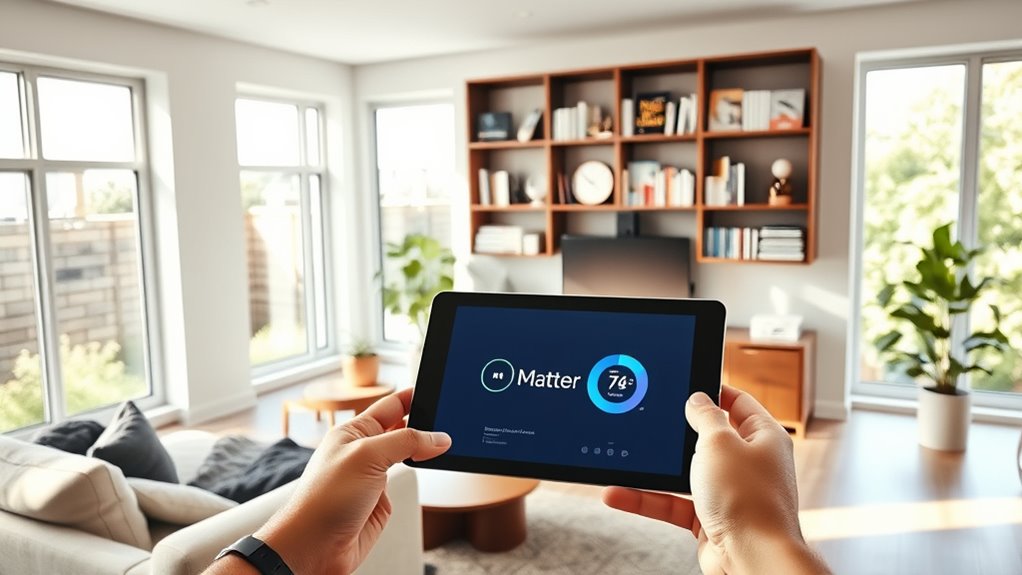
What exactly is the Matter Standard, and why was it developed? The Matter Standard is a universal protocol designed to improve how smart home devices communicate, making your smart home security system more reliable and easier to manage. Before, different brands used incompatible systems, frustrating homeowners and limiting device compatibility. The goal was to create a unified language that all devices could understand, enhancing interoperability. This standard also boosts energy efficiency by enabling better device coordination, reducing unnecessary power consumption. With Matter, you won’t have to worry about device compatibility issues or juggling multiple apps. It simplifies device setup and management, making your smart home more secure, efficient, and user-friendly. Overall, Matter aims to make your connected home smarter, safer, and more energy-efficient. Regional legal resources and knowledge of local laws can also influence the effectiveness of your smart home integrations.
How Does Matter Improve Smart Home Connectivity

By establishing a common language for devices, the Matter Standard considerably enhances smart home connectivity. It allows your devices to communicate seamlessly, reducing compatibility issues. This leads to more reliable interactions with voice assistants, so commands are executed faster and more accurately. Additionally, Matter simplifies energy management by enabling your smart systems to coordinate better, optimizing power use across devices. The standard also helps prevent compatibility issues that can arise from different manufacturers’ technologies. Here’s how it improves your smart home:
Matter standard improves smart home connectivity, ensuring seamless device communication, faster voice commands, and optimized energy use.
- Ensures universal compatibility among devices and platforms
- Facilitates smoother voice assistant interactions for quick control
- Enhances energy management through coordinated device responses
- Reduces setup time and technical difficulties for homeowners
Which Devices Support the Matter Standard
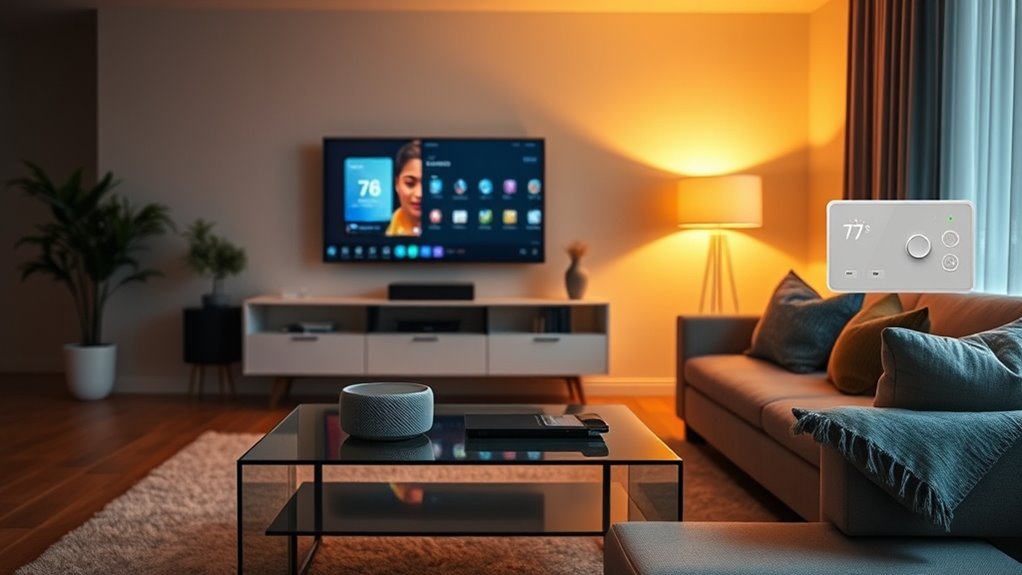
You’ll want to know which devices support the Matter standard to guarantee your smart home works seamlessly. Many popular smart home products now include compatibility, making setup easier and more reliable. Let’s explore the types of devices that are currently supporting this emerging standard. Supporting essential oils and other smart home integrations can enhance your overall environment and well-being by creating a more holistic and connected space.
Device Compatibility Overview
The Matter standard is designed to be widely supported across a range of smart home devices, guaranteeing seamless interoperability. You’ll find compatibility with various device categories, making your smart home more integrated. Specifically, many devices now support:
- Voice assistants, allowing you to control devices hands-free.
- Lighting systems, enabling effortless energy management.
- Thermostats, offering precise temperature control and energy savings.
- Sensors and switches, which integrate smoothly for automation.
This broad support means you can rely on a unified ecosystem that works together effortlessly. Whether you’re managing energy consumption or using voice commands, compatibility ensures your smart home functions efficiently and intuitively, simplifying daily routines. Additionally, home organization strategies can help optimize your space to better accommodate your smart devices.
Supported Smart Home Devices
A wide variety of smart home devices now support the Matter standard, ensuring they can work seamlessly within a compatible ecosystem. This reflects current smart home trends emphasizing device integration and interoperability. From smart bulbs and locks to thermostats and plugs, many popular products are now Matter-compatible, making setup and control more straightforward. As more manufacturers adopt the standard, your options expand, allowing you to create a cohesive smart home environment regardless of brand. Supporting devices include lighting systems, security cameras, doorbells, and sensors, all designed to communicate effortlessly. This widespread support simplifies your smart home experience, reducing compatibility issues. Staying updated on which devices support Matter helps you make informed choices, ensuring your smart home remains flexible, functional, and future-proof. Additionally, understanding interoperability standards can help you better navigate the evolving smart home market.
The Benefits of Using Matter-Compatible Devices

Embracing Matter-compatible devices offers numerous advantages that enhance everyday life. First, they simplify your smart home security by ensuring seamless integration across brands, making your system more reliable. Second, these devices improve energy efficiency, helping you reduce utility bills without sacrificing comfort. Third, they streamline device management, allowing you to control everything from a single app or voice command. Fourth, Matter compatibility future-proofs your home, ensuring your devices stay compatible as new technologies emerge. This standard reduces frustrations caused by incompatible gadgets, saving you time and effort. Additionally, incorporating Pimple Patches into your skincare routine can provide targeted treatment for blemishes, promoting clearer skin. Overall, using Matter-compatible devices creates a smarter, more secure, and energy-efficient home environment that adapts easily and works flawlessly.
How to Set up and Pair Devices With Matter
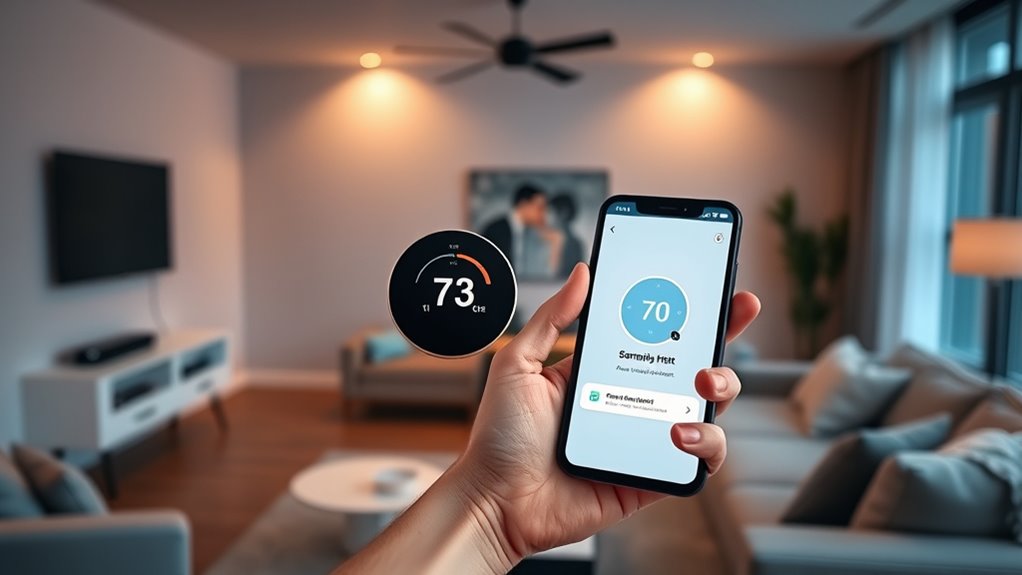
Wondering how to set up and pair your devices with Matter? The setup process is designed to be simple and user-friendly. First, confirm your smart home hub or assistant supports Matter. Turn on your device and follow the manufacturer’s instructions to initiate device pairing. Usually, this involves opening the app associated with your device or hub, and selecting the option to add a new device. The device will enter pairing mode automatically or via a specific button. The app will detect the device and guide you through the connection process. Once paired, your device will be integrated into your smart home ecosystem, ready for control. With Matter’s standardized setup process, adding new devices becomes faster and more reliable, making your smart home more seamless. Additionally, ensuring compatibility with Louisiana alimony laws and other legal considerations can help streamline the process when integrating devices in a household undergoing a divorce.
Security Features Embedded in the Matter Standard
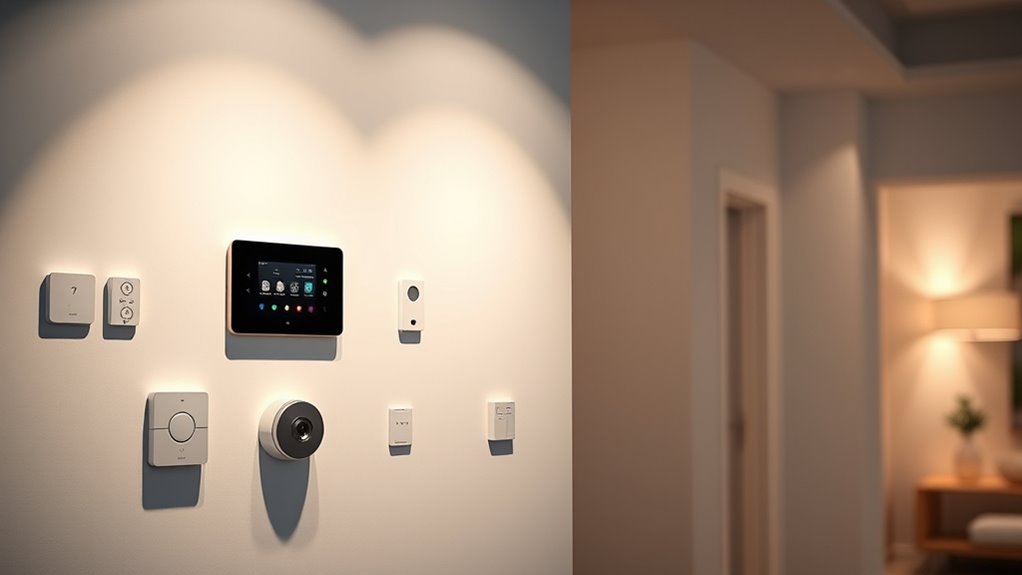
The Matter standard prioritizes your security by using encrypted communication protocols to protect your data during device interactions. You can trust that tamper-resistant security measures are built in to prevent unauthorized access. These features work behind the scenes to keep your smart home safe and private. Additionally, Gold IRA rollovers provide a secure way to diversify your retirement investments, emphasizing the importance of safeguarding your assets through trusted financial practices.
Encrypted Communication Protocols
How does the Matter standard guarantee your smart devices communicate securely? It relies on encrypted communication protocols that prioritize your privacy. First, it employs end-to-end encryption, ensuring data stays encrypted from device to device, preventing eavesdroppers. Second, secure device pairing establishes trusted connections during setup, making unauthorized access difficult. Third, it uses robust cryptographic algorithms to protect data integrity and confidentiality. Fourth, regular updates and compliance checks keep security features current, minimizing vulnerabilities. These measures make your smart home resilient against hacking and unauthorized control, giving you peace of mind. Additionally, implementing dynamic communication exercises can foster better understanding and trust among device networks, further enhancing security. By embedding such encryption protocols, the Matter standard ensures your connected devices work together securely without sacrificing convenience.
Tamper-Resistant Security
Building on the secure communication protocols in the Matter standard, tamper-resistant security features add an extra layer of protection directly into your devices. For example, your smart lock is designed to detect any unauthorized attempts to interfere with it, triggering alerts or locking down to prevent breaches. Similarly, security sensors are built with tamper-detection mechanisms that notify you if someone tries to disable or interfere with them. These embedded security features help ensure your home’s safety by making it harder for intruders to disable or bypass your devices. Incorporating mindfulness techniques into your security approach can further enhance your awareness and response to potential threats. With tamper resistance, your smart lock and sensors become more reliable, giving you confidence that your home remains protected even when you’re away. This added security is a critical part of the Matter standard’s commitment to homeowner safety.
Compatibility and Interoperability: What Homeowners Need to Know

Understanding compatibility and interoperability is essential when upgrading your smart home. With Matter, devices from different brands can work seamlessly together, simplifying your setup. To maximize benefits, consider these points:
- Ensure your voice assistants are compatible with Matter-enabled devices for smooth voice control.
- Use devices that support energy management features to optimize power usage.
- Confirm that your smart hubs or controllers are compatible with the Matter standard.
- Verify that your existing smart home ecosystem can integrate new devices without extra hassle.
Limitations and Challenges of the Matter Standard

While Matter aims to unify smart home devices, it still faces several limitations that can complicate your setup. One major issue is vendor lock-in, which can limit your choices if you’re tied to specific brands or ecosystems. This can restrict flexibility and force you to buy compatible devices from the same manufacturer. Additionally, privacy concerns remain a challenge. Since Matter involves communication between multiple devices, there’s a risk that your data could be exposed or misused if security isn’t robust. While the standard is designed to be more secure, vulnerabilities can still exist, especially during early adoption phases. These limitations highlight that, despite its promise, Matter isn’t yet a perfect solution and may require careful consideration before fully committing your smart home ecosystem.
Future Developments and Industry Adoption of Matter
As industry leaders continue to support and develop the Matter standard, its adoption is expected to hasten across smart home markets. Industry partnerships are forming to integrate Matter into a wider range of products, boosting compatibility and user experience. Regulatory developments are also shaping the future, with governments establishing standards that encourage adoption and ensure security. You can expect:
- Increased collaboration among major tech firms to expand Matter’s ecosystem.
- Greater product interoperability, making it easier to mix and match devices.
- Regulatory frameworks that promote security and consumer protection.
- Accelerated rollout of Matter-certified devices across various smart home categories.
These developments will make your smart home setup more seamless, secure, and future-proof as Matter continues to gain industry momentum.
Tips for Transitioning to a Matter-Enabled Smart Home
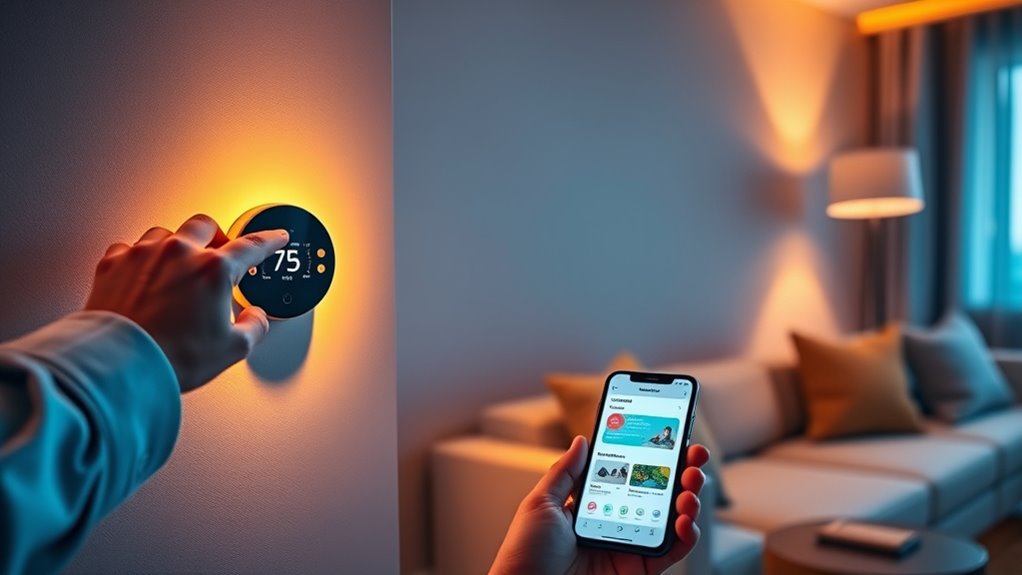
Switching to a Matter-enabled smart home is a straightforward process that can greatly enhance your device compatibility and overall user experience. To start, assess your current devices and prioritize upgrading those that support Matter or are compatible with upcoming standards. Staying informed about smart home trends helps you choose devices designed for seamless integration. When selecting new devices, consider their energy efficiency to save on utility costs and reduce environmental impact. Create a plan that gradually replaces older gadgets, avoiding sudden overhauls. Keep your firmware updated and use a unified app ecosystem for easier control. By following these tips, you’ll enjoy a more streamlined, energy-efficient smart home that adapts to future innovations.
Frequently Asked Questions
Will All Existing Smart Home Devices Become Compatible With Matter?
You’re probably wondering if all your smart home devices will work seamlessly together. While many new devices are designed for better device compatibility and ecosystem integration, not all existing devices will automatically become compatible. Upgrading may be necessary for some gadgets. Keep an eye on updates from manufacturers, as they’re working toward broader compatibility. Eventually, more devices will integrate smoothly, making your smart home experience more unified and effortless.
How Does Matter Impact Overall Smart Home Security?
Matter improves your smart home security by enhancing device interoperability, making it easier to connect and manage multiple devices securely. With standardized protocols, your devices communicate more reliably, reducing vulnerabilities. This increased compatibility allows for better security enhancements, like unified updates and stronger encryption. As a homeowner, you benefit from a more cohesive, secure smart home environment, with less chance of breaches caused by incompatible or poorly integrated devices.
Are There Cost Differences Between Matter and Non-Matter Devices?
Price points and pocket pinchings vary quite a bit between Matter and non-Matter devices. Typically, Matter devices may cost a tad more upfront due to advanced technology and broader compatibility, impacting device pricing. Installation costs might also rise slightly if professional setup is needed. However, you often save in the long run with easier integration and fewer frustrations. So, expect some initial investment, but potential peace of mind and improved performance are worth it.
What Is the Timeline for Widespread Matter Adoption?
You might wonder when you’ll see widespread Matter adoption. Currently, industry adoption is growing, but compatibility challenges remain as manufacturers update devices. Experts expect a gradual rollout over the next 1-2 years, with many devices becoming compatible and easier to integrate. Keep an eye on updates from major brands, as this timeline will depend on how quickly they address compatibility challenges and embrace the standard for broad consumer adoption.
How Does Matter Influence Future Smart Home Innovations?
Imagine a future where your smart home seamlessly responds to your every command, like a trusted assistant. Matter will shape this by enhancing interoperability, reducing those frustrating challenges where devices refuse to talk. You’ll enjoy a smoother user experience, with gadgets working together effortlessly. This innovation promises a more connected, intuitive home environment, transforming everyday living and empowering you to control your space with confidence and ease.
Conclusion
Embracing the Matter standard transforms your smart home into a seamlessly connected marvel, making daily life easier and more efficient. With compatibility and interoperability, you’ll avoid frustration and enjoy the full power of your devices working together like a well-orchestrated symphony. Don’t miss out on this game-changing technology—it’s your ticket to a smarter, more convenient home. Get ready to experience the future of home automation, where possibilities are endless and your home truly becomes a smart sanctuary!
Halloween Picks
halloween
As an affiliate, we earn on qualifying purchases.