To block wind without building a wall, you can create natural windbreaks using trees, shrubs, or dense plantings placed perpendicular to prevailing winds. Incorporate native, drought-tolerant species with sturdy foliage for year-round protection. Use permeable materials like lattice or bamboo to reduce wind speed while allowing airflow. Proper placement, maintenance, and design strategies enhance effectiveness. Keep learning more to discover how to design windbreaks that suit your landscape and needs.
Key Takeaways
- Use dense, evergreen plants like shrubs and trees positioned perpendicular to prevailing winds for natural wind protection.
- Incorporate permeable barriers such as lattice panels or bamboo to reduce wind speed while allowing airflow.
- Properly place windbreaks with strategic setback to ensure healthy growth and continuous coverage against wind flow.
- Enhance effectiveness by selecting native, drought-tolerant, and fast-growing species suited to local climate conditions.
- Regular maintenance, including pruning and soil management, prolongs windbreak durability and performance.
How to Protect Your Outdoor Space From Wind Without Building a Wall
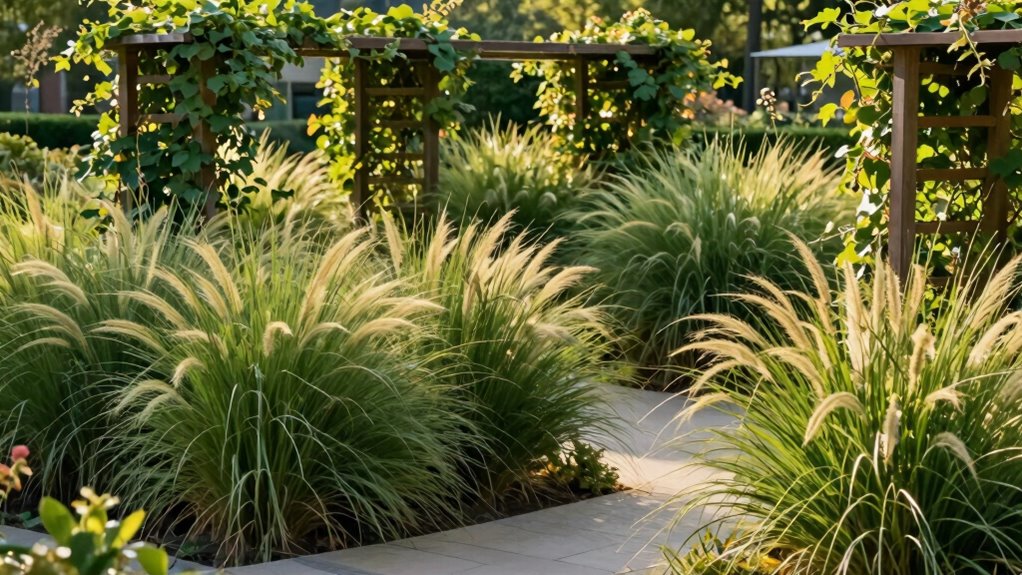
You can shield your outdoor space from wind effectively without constructing a wall by using strategic planting. Tall, dense shrubs and trees create natural wind barriers that are both functional and visually appealing, enhancing your landscape’s wind barrier aesthetics. These plants soften the outdoor environment, making it more inviting and comfortable. Plus, they offer outdoor privacy options, blocking sightlines and reducing noise. Consider species like evergreen hedges or fast-growing trees that provide year-round coverage. Position them carefully around seating areas or patios to break the wind’s force without sacrificing style. Incorporating proper plant placement can maximize their effectiveness as windbreaks while maintaining a balanced and attractive landscape. Selecting plants with suitable growth habits ensures a sustained and effective wind barrier over time. Additionally, choosing plants with traditional crossbreeding techniques can ensure healthy, resilient growth for long-term wind protection. Incorporating native plant varieties can also promote ecological balance and reduce maintenance needs.
What Are Windbreaks and How Do They Work?

What exactly are windbreaks and how do they work? Windbreaks are structures or plantings designed to reduce wind flow across your property. They work by acting as a barrier that disrupts and redirects the wind, decreasing its strength before it reaches your outdoor space. When wind hits a windbreak, it loses energy, which improves barrier effectiveness and minimizes wind speed. The key is placement: a properly positioned windbreak can substantially lessen wind impact, creating a calmer environment. Vegetation like trees or shrubs are common choices because they absorb and break up wind flow naturally, while barriers like fences or screens serve as physical shields. In essence, windbreaks don’t eliminate wind but slow and redirect it, offering a practical solution without the need for walls. Additionally, integrating sustainable and energy-efficient European cloud solutions into planning can enhance the environmental benefits of your landscape. Proper planning and environmental sustainability principles can maximize the effectiveness of your windbreaks while supporting eco-friendly practices. Incorporating eco-friendly materials in constructing windbreaks can further boost their sustainability and overall performance. Using native plants can also improve resilience and reduce maintenance needs, making your windbreak more effective in the long term.
Why Choose Windbreaks Instead of Walls? Benefits Explained

Choosing windbreaks over walls offers practical benefits that make them a smarter choice for many properties. Windbreaks advantages include natural beauty, cost-effectiveness, and environmental benefits. They serve as excellent wall alternatives, providing wind protection without sacrificing aesthetic appeal. Unlike walls, windbreaks help preserve air flow, reduce stormwater runoff, and support local wildlife. Plus, they’re easier to install and maintain, giving you flexibility and value. Imagine a lush, vibrant barrier that shields your space while enhancing its look. Here’s how windbreaks compare to walls: environmental benefits. Windbreaks also contribute to ecosystem health, making them a sustainable choice for long-term property management. Incorporating plant-based barriers can further improve their effectiveness and visual appeal. Additionally, choosing native plants for your windbreak can enhance their resilience and adaptability to local climate.
How to Select the Best Plants for Natural Wind Protection

To select the best plants for wind protection, you need to focus on species that resist wind damage and suit your local climate. Consider how different plants tolerate your area’s temperature, rainfall, and soil conditions. Making informed choices guarantees your windbreak remains strong and effective over time. Additionally, choosing sustainable practices can enhance the longevity and ecological benefits of your windbreak. Incorporating native plants can further improve resilience and reduce maintenance needs, ensuring your natural wind protection lasts for years to come. Understanding the safety of plants in your selection process can also help prevent issues related to plant toxicity or allergic reactions, promoting a healthier environment for both your landscape and its inhabitants. Selecting plants with strong root systems can also improve wind resistance and stability of your windbreak, especially when combined with proper spacing and arrangement.
Choosing Wind-Resistant Species
Selecting the right wind-resistant plants is essential for creating an effective natural barrier. To maximize wind protection, choose species that thrive locally and can withstand harsh conditions. Consider these options:
- Native species adapted to your region’s climate
- Drought-tolerant plants that require minimal watering
- Fast-growing trees and shrubs for quick windbreak development
- Evergreen varieties that provide year-round coverage
Prioritize plants with sturdy, dense foliage that can block wind effectively. Native species are ideal because they’re already suited to your environment, requiring less maintenance. Drought-tolerant plants reduce water needs, making your windbreak sustainable and resilient. Selecting native species and other hardy plants helps ensure your windbreak remains effective over time. By choosing these types, you’ll create a durable, low-maintenance barrier that withstands wind and weather over time. Incorporating appropriate planting techniques can further enhance the effectiveness and longevity of your windbreak. Additionally, understanding the importance of plant adaptability can help you select species that will thrive long-term in your specific conditions.
Considering Local Climate Factors
Understanding your local climate is key to building an effective windbreak. Your choice of plants should match the specific conditions of your area, including temperature ranges, rainfall, and soil type. Seasonal variations influence which species will thrive and provide year-round protection. For example, in colder climates, opt for hardy, evergreen plants that retain their foliage through winter. In regions with hot summers, select drought-tolerant species that withstand dry conditions. Consider how wind patterns shift throughout the year, and choose plants that can handle those fluctuations. By factoring in your local climate, you guarantee your windbreak remains healthy and effective, offering consistent wind protection regardless of the season. Proper plant selection based on climate conditions maximizes durability and long-term success. Additionally, understanding plant hardiness zones can help you choose species that are naturally suited to your environment, ensuring a resilient and sustainable windbreak.
Designing Effective Windbreaks With Trees and Shrubs

To design effective windbreaks with trees and shrubs, you need to select the right species and place them strategically. Proper placement guarantees maximum protection and wind flow management, while regular maintenance extends their lifespan. Incorporating plant science can help you choose the best species for your specific climate and wind conditions. Additionally, understanding piercing care and hygiene is essential if you plan to include living barriers like decorative plantings, ensuring they remain healthy and effective over time. Monitoring soil health can also improve plant growth and windbreak durability, making your barrier more resilient. Employing well-drained soil practices will support healthy root development and overall plant vitality, which is crucial for windbreak effectiveness. Being aware of microclimate factors can further optimize your windbreak design by adapting to local environmental conditions.
Selecting Suitable Tree Species
Have you considered how choosing the right tree species can make or break your windbreak’s effectiveness? Selecting suitable trees involves more than just appearance; it’s about ensuring resilience and adaptability. Focus on these key factors:
- Species diversity – Incorporate different species to improve windbreak stability and reduce pest risks.
- Root systems – Opt for trees with extensive, deep roots to prevent erosion and enhance anchorage.
- Growth habits – Choose species that grow tall and dense, forming an effective barrier.
- Climate compatibility – Select trees suited to your local climate for better survival and performance.
Proper Placement Strategies
Proper placement is essential for creating an effective windbreak that shields your property from strong winds and erosion. To optimize wind flow, position your trees and shrubs so they form a continuous barrier, minimizing gaps that allow wind to pass through. Place the barrier perpendicular to prevailing wind directions, ensuring it intercepts and redirects airflow away from vulnerable areas. Keep in mind that barrier placement should be a strategic balance: too close can hinder growth, while too far reduces effectiveness. Aim for a setback that allows plants to establish strong roots and reach mature height. Additionally, consider natural land features and existing structures to enhance windbreak performance. Properly placed, your windbreak will serve as a resilient shield, reducing wind speed and protecting your landscape.
Maintenance and Longevity
Regular maintenance is key to ensuring your windbreak remains effective and lasts for years. To maximize longevity, consider these steps:
- Regularly inspect trees and shrubs for disease or damage, replacing or pruning as needed.
- Keep the area clear of weeds and debris to promote healthy growth.
- Conduct a cost analysis to balance maintenance efforts with long-term benefits, ensuring your investment is worthwhile.
- Think about aesthetic considerations—well-maintained plants enhance your landscape’s appearance while providing wind protection.
Consistent upkeep prevents issues that can reduce effectiveness or shorten lifespan. Proper pruning encourages dense growth, while timely watering and fertilizing sustain vigor. By combining routine care with thoughtful planning, your windbreak remains a durable, attractive feature for years to come.
Choosing Fences and Screens That Block Wind
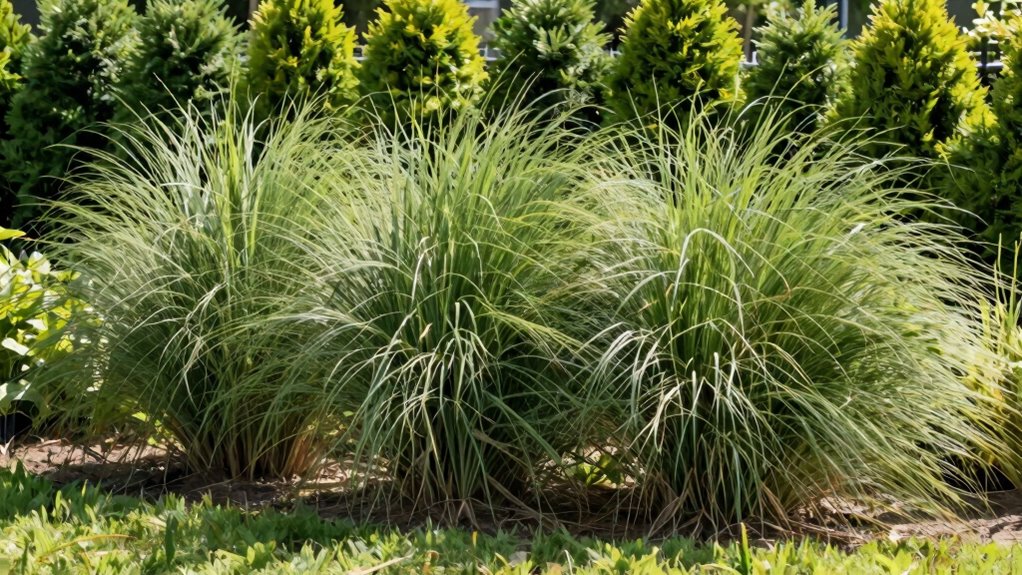
Choosing the right fences and screens is essential for effectively blocking wind and protecting your landscape. The materials you select, like sturdy wood, metal, or vinyl, influence durability and wind resistance. Decorative screens add aesthetic appeal while serving as wind barriers, especially when designed with gaps to diffuse airflow.
| Fence Materials | Decorative Screens |
|---|---|
| Wood, Vinyl, Metal | Bamboo, lattice, woven fabrics |
| Solid, slatted | Artistic metal panels |
| Durable, weather-resistant | Light, permeable designs |
| Varies in height | Custom patterns for airflow |
Opt for taller fences or screens placed strategically to create a windbreak. Combining different materials can optimize both function and visual appeal, ensuring your space stays protected without sacrificing style.
Using Permeable Materials to Reduce Wind Speed
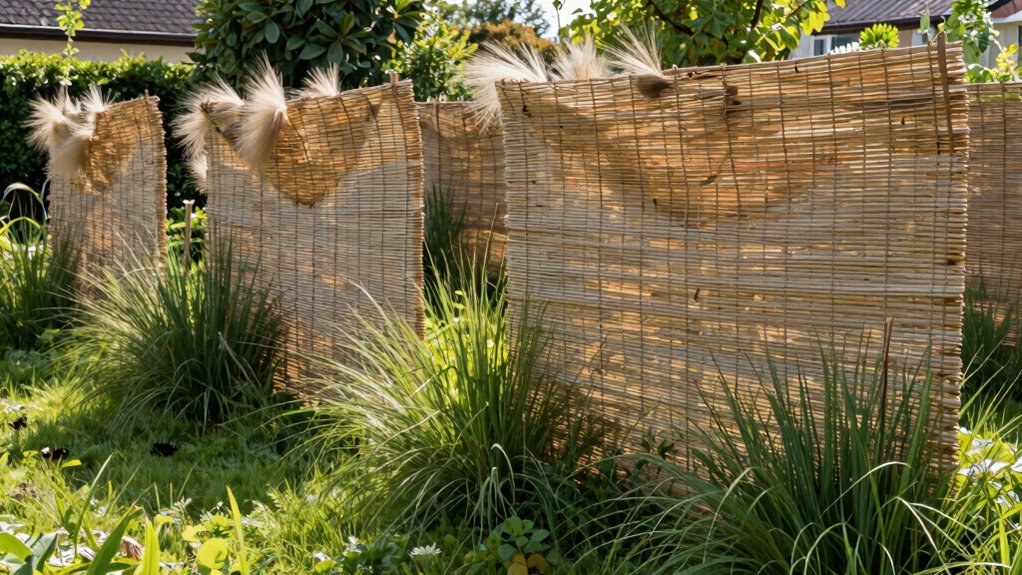
Using permeable materials is an effective way to slow wind without completely blocking airflow. By choosing the right materials and designing for ideal airflow, you can strike a balance between protection and ventilation. The permeability of these materials offers clear benefits, making them a smart choice for windbreaks.
Material Selection Strategies
Have you considered how permeable materials can effectively slow down wind without creating a solid barrier? These materials reduce wind speed by dispersing airflow, minimizing soil erosion and wind tunnel effects. To optimize your choice, consider:
- Bamboo or reed screens – lightweight, natural, and allow some airflow.
- Lattice panels – provide wind reduction while maintaining airflow.
- Perforated metal or plastic – durable and customizable for specific wind speeds.
- Vegetative barriers with gaps – plants with spaces between them slow wind and block soil erosion.
These strategies help you create a windbreak that reduces wind velocity without causing turbulence or soil displacement, all while maintaining airflow for beneficial environmental effects. Choosing the right permeable material balances wind protection with natural airflow.
Design for Airflow
Designing for airflow involves selecting permeable materials that effectively slow wind without creating turbulence. You want materials that reduce wind speed while maintaining an aesthetic appeal and minimizing environmental impact. Permeable options like woven wood, bamboo, or perforated panels allow air to pass through smoothly, preventing gusts from intensifying. Consider how the design integrates with your landscape, balancing function and beauty. These choices help preserve airflow patterns and support local ecosystems. Here’s a quick glance at some options:
| Material | Aesthetic Considerations |
|---|---|
| Woven wood | Natural look, blends with environment |
| Bamboo | Eco-friendly, modern appeal |
| Perforated panels | Sleek design, lightweight |
Choosing the right materials enhances airflow control and environmental harmony.
Benefits of Permeability
Permeable materials play a vital role in reducing wind speed effectively while maintaining a natural and appealing landscape. Their permeability advantages allow wind to pass through, lowering wind pressure without creating a solid barrier. This approach offers several benefits:
- Improved airflow considerations prevent wind buildup, reducing erosion and damage.
- Enhanced ventilation supports healthier plants and structures.
- Aesthetic appeal stays intact with natural-looking designs.
- Reduced turbulence makes outdoor spaces more comfortable.
Maintaining Your Windbreaks for Long-Lasting Protection
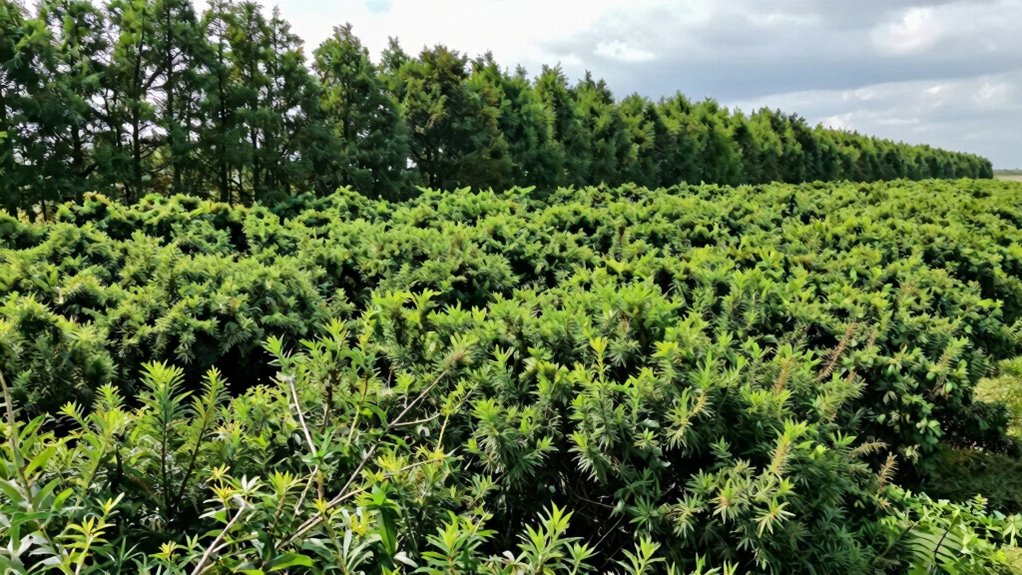
To guarantee your windbreaks provide effective protection for years to come, regular maintenance is essential. Start by monitoring plant health, removing any dead or damaged branches to promote vigorous growth. Healthy plants withstand wind stress better and serve as a stronger barrier. Additionally, focus on soil improvement; enrich the soil with organic matter to support root development and overall vitality. Mulching helps retain moisture and prevents weeds that compete for nutrients. Water your plants during dry spells to keep them resilient. Pruning should be done carefully to maintain shape and prevent overgrowth that could compromise wind resistance. Consistent care ensures your windbreaks stay strong, healthy, and effective in blocking wind, providing long-lasting protection for your property.
Common Mistakes to Avoid When Creating Windbreaks

One common mistake when creating windbreaks is choosing the wrong plant species for your specific location and climate. This can hinder plant diversity and reduce effectiveness. To avoid this, consider these points:
- Select native or adapted plants suited to your soil fertility and climate conditions.
- Avoid monocultures; diverse plantings strengthen wind resistance and improve soil health.
- Overlook soil quality, which affects plant growth and longevity; improve soil fertility if needed.
- Ignore the mature size of plants, risking overcrowding and decreased windbreak efficiency.
Assessing Your Wind Protection Needs and Planning Your Windbreaks

Before designing your windbreak, you need to assess your specific protection needs and understand the site conditions. Start with a wind pressure assessment to determine how much wind force your area experiences. Consider the microclimate modification you want, such as reducing wind speed or redirecting airflow. Examine the prevailing wind direction, speed, and seasonal changes. Use this table to plan your approach:
| Site Condition | Effect on Windbreak Design | Planning Tip |
|---|---|---|
| Wind speed | Higher speeds require denser barriers | Use taller, thicker plantings |
| Wind direction | Guides placement and orientation | Position windbreaks perpendicular to wind |
| Obstacles nearby | Influences airflow patterns | Clear or incorporate gaps |
| Microclimate needs | Affects plant selection and size | Choose species suited for microclimate modification |
| Site topography | Changes wind flow and pressure | Adapt design accordingly |
Assessing these factors helps you plan effective, tailored wind protection.
Frequently Asked Questions
How Tall Should My Windbreaks Be for Optimal Protection?
For ideal protection, your windbreaks should generally be 6 to 8 feet tall, following height guidelines for effective wind shielding. You want them tall enough to block the wind at its source without creating turbulence. Use different protection methods like dense shrubs or fences, ensuring they’re high enough to serve as a barrier. Adjust height based on your specific wind conditions and space, aiming for maximum wind reduction.
Can I Combine Different Types of Windbreaks Effectively?
You can absolutely combine different types of windbreaks for maximum efficiency and visual appeal. Mixing species diversity enhances resilience, while thoughtful design aesthetics create a stunning, natural barrier. By strategically blending evergreen, deciduous, and shrub windbreaks, you craft an effective shield that adapts to seasonal changes and adds beauty. This dynamic approach not only blocks wind effectively but also elevates your landscape’s sophistication, making your outdoor space both functional and breathtaking.
How Do I Prevent Wind Damage to My Windbreaks?
To prevent wind damage to your windbreaks, regularly maintain and reinforce them, especially after storms. Plant diverse, native species to reduce wind erosion and support wildlife habitat. Avoid planting too close to open fields or pathways, which can cause stress. Use stakes or guy wires for added stability, and prune damaged branches promptly. These steps help your windbreaks withstand strong winds, protect the soil, and support local wildlife.
What Is the Best Planting Season for Windbreaks?
You should plant windbreaks in early spring or fall, when soil preparation is easier and planting techniques are most effective. Prepare your soil by loosening it and adding organic matter to promote healthy root growth. Timing your planting during these seasons allows the plants to establish before harsher weather, ensuring they grow strong enough to block wind effectively. Proper soil prep and planting techniques are key for a successful windbreak.
Are There Eco-Friendly Materials Suitable for Windbreak Construction?
Did you know that using sustainable materials can reduce construction waste by up to 50%? You’ll find eco-friendly options for windbreaks, like bamboo, recycled wood, and biodegradable fencing. These materials not only protect your space but also minimize environmental impact. Choosing biodegradable options guarantees your windbreaks decompose naturally, supporting a healthier planet. By opting for sustainable materials, you create effective wind protection while staying environmentally responsible.
Conclusion
By choosing the right plants, designing thoughtful windbreaks, and maintaining them well, you create a protected outdoor space that’s inviting, functional, and beautiful. You’ll enjoy the privacy, comfort, and durability you desire. You’ll reduce wind’s impact, enhance your landscape’s health, and save energy. You’ll turn open, exposed areas into cozy retreats. With careful planning and consistent care, you’ll build a natural shield that stands strong, saves your space, and elevates your outdoor living experience every day.