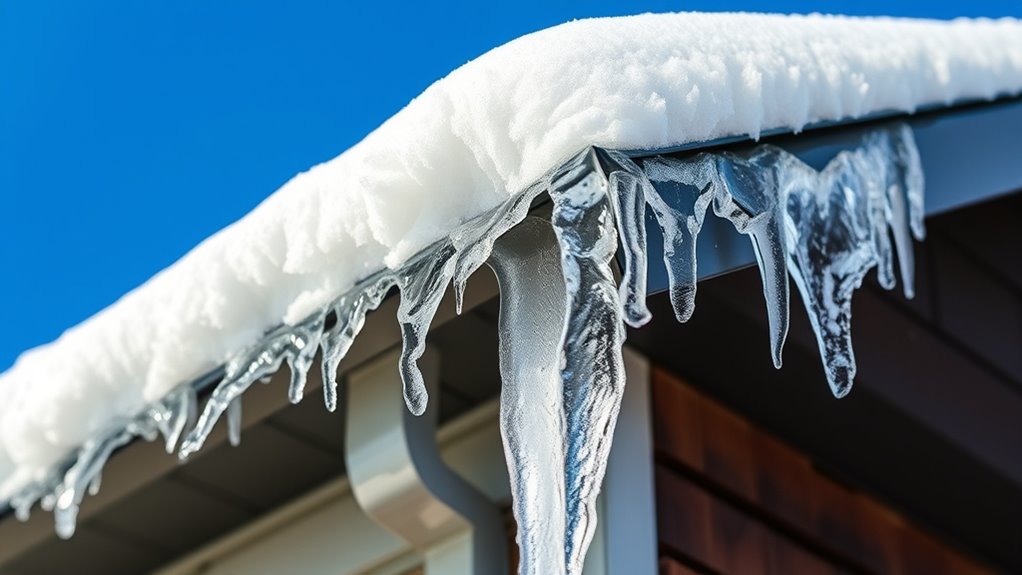

To prevent ice dams on roof edges, focus on improving your insulation and venting. Keep your attic well-insulated to stop heat from escaping and melting snow unevenly. make sure proper ventilation by installing intake vents at the soffits and exhaust vents at the roof’s peak, creating airflow that keeps the roof surface cold. Maintaining this balance helps prevent ice dams and water damage. If you want to learn more strategies, continue exploring effective solutions to protect your home during winter.
Key Takeaways
- Improve attic insulation with high R-value materials to retain heat and prevent snow from melting unevenly.
- Ensure proper attic ventilation with intake and exhaust vents to maintain a cold roof surface.
- Seal air leaks and gaps to reduce heat escaping into the attic and warming the roof.
- Regularly remove snow from roof edges to minimize ice dam formation.
- Conduct professional assessments to balance insulation and ventilation effectively.
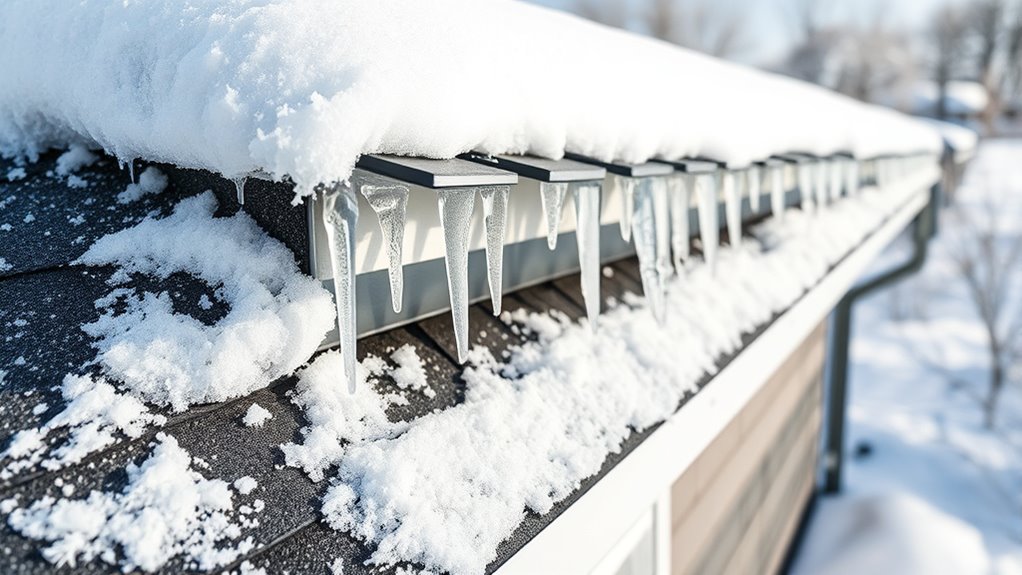
Ever wonder why ice dams form along your roof edges during winter? The main reason is that heat escapes from your attic into the roof, warming the snow on top. This causes the snow to melt near the peak, but the cold edges remain frozen. As the melted water runs down and reaches the overhanging, colder eaves, it refreezes, creating a dam. Over time, these dams can lead to water backing up under your shingles, causing leaks, rot, and damage to your home. To prevent this, you need to focus on two key areas: insulation improvements and venting strategies.
Ice dams form when heat escapes your attic, melting snow and causing ice buildup along roof edges.
Insulation improvements are vital because they help keep the heat inside your living space and prevent it from leaking into your attic and onto your roof. When your attic isn’t properly insulated, warm air rises and warms the roof deck unevenly. This uneven heating causes snow to melt in the middle while the edges stay frozen, promoting ice dam formation. Upgrading your attic insulation reduces heat loss, keeping your roof cold enough to prevent melting snow at the eaves. Use high R-value insulation materials—like spray foam or blown-in cellulose—and ensure they are installed correctly with no gaps or compression. Proper insulation not only reduces ice dam risks but also lowers your energy bills by maintaining a more consistent indoor temperature. Additionally, proper attic ventilation helps regulate temperature and moisture levels, further reducing the risk of ice dams.
Venting strategies complement insulation improvements by allowing the warm, moist air in your attic to escape efficiently. Without proper venting, warm air builds up, raising the temperature of your roof and increasing the likelihood of snow melting unevenly. Effective venting involves installing intake vents at the soffits and exhaust vents at the ridge or roof peak. This setup creates a continuous airflow that cools the roof surface and prevents heat from accumulating. It’s important to keep these vents unobstructed by insulation or debris so that air circulates freely. Proper ventilation also controls humidity levels in your attic, reducing ice dam formation caused by melting and refreezing cycles.
Together, insulation improvements and venting strategies form a thorough approach to preventing ice dams. Insulation keeps the heat where it belongs—inside your living spaces—while venting ensures that excess heat and moisture escape from your attic. If you notice ice dams forming regularly, consider having a professional assess your home’s insulation and ventilation systems. Making these upgrades not only helps protect your roof and home from water damage but also improves energy efficiency. With the right combination of insulation and venting, you can keep your roof cold and dry throughout winter, effectively preventing those frustrating ice dams from forming along your roof edges.

Bubplay Ice Bath Cold Plunge Tub with Cover for Indoor Outdoor for Recovery, Cold Water Therapy, Athletes & Adults -105 Gallons, Black, XL
【XL Full-Body Cold Plunge for Most Adults】 Designed for an immersive ice bath / cold plunge experience with...
As an affiliate, we earn on qualifying purchases.
Frequently Asked Questions
Can Ice Dams Cause Structural Damage to My Roof?
Yes, ice dams can cause structural damage to your roof. When they form, the trapped water can seep under shingles and into your roof deck, leading to rot and weakening the structure. To prevent this, guarantee proper roof insulation and ventilation strategies are in place. Good insulation keeps heat from escaping, while proper ventilation allows melting snow to escape, reducing ice dam formation and protecting your roof’s integrity.
When Is the Best Time to Prevent Ice Dams?
Think of winter as a quiet storyteller whispering warnings. The best time to prevent ice dams is before the first snow falls, when you can enhance roof insulation and boost ventilation efficiency. By doing so, you keep warm air from melting snow unevenly, which prevents ice dams from forming. Act early to protect your roof’s integrity, ensuring your home stays safe and sound through the coldest months.
Do Ice Dams Affect All Roof Types Equally?
No, ice dams don’t affect all roof types equally. Your roof’s insulation and attic ventilation play vital roles. If your insulation isn’t sufficient, heat escapes and melts snow unevenly, causing ice dams. Poor attic ventilation traps warm air, increasing melting and refreezing at the edges. Proper insulation keeps heat in, and good ventilation cools the roof, reducing ice dam formation regardless of roof style. Addressing these factors helps prevent ice dams effectively.
Are DIY Methods Effective for Preventing Ice Dams?
You might wonder if DIY solutions truly work to prevent ice dams. While some methods, like venting and insulation, can be effective, their success depends on proper implementation and your home’s specific needs. An effectiveness assessment is vital—if done correctly, your efforts can reduce ice dam formation. However, if you’re unsure or the problem persists, consulting a professional might save you time and prevent costly damage.
How Much Does Professional Ice Dam Prevention Cost?
You can expect to pay between $300 and $2,000 for professional ice dam prevention, depending on your roof size and the service options you choose. The cost comparison varies based on techniques like roof heating cables or insulation upgrades. Investing in professional services guarantees effective prevention, saving you money and hassle later. It’s worth exploring different service options to find the best fit for your needs and budget.

Oval Ice Bath Tub for Athletes with Cover, 130 Gal Capacity Portable Cold Plunge Tub for Recovery and Cold Water Therapy, Ice Baths for Home, Gym, Indoor, Outdoor Use
6-Layer Insulation for Temperature Retention: Our cold plunge tub features upgraded canvas fabric and thickened PVC for superior...
As an affiliate, we earn on qualifying purchases.
Conclusion
By taking these simple steps to prevent ice dams, you might find yourself surprised at how smoothly your winter season goes. Imagine cozy evenings without worries, feeling grateful for the small efforts that keep your home safe. Sometimes, it’s the quiet, unexpected moments—like a warm roof—that remind us how much peace a little prevention can bring. After all, a protected home isn’t just about ice dams; it’s about feeling secure in every winter moment.

Upgrade XL Ice Bath Tub for Athletes, 119 Gallons Hot & Cold Plunge Tub with Cover for Recovery, Cold Water Therapy, Multiple Layered Portable Whirlpool Bathtubs for for Home, Gym & Outdoor
【Enhance Muscle Recovery】Ice baths present a natural, efficient method for expediting recovery following intense workouts or competitions. Our...
As an affiliate, we earn on qualifying purchases.
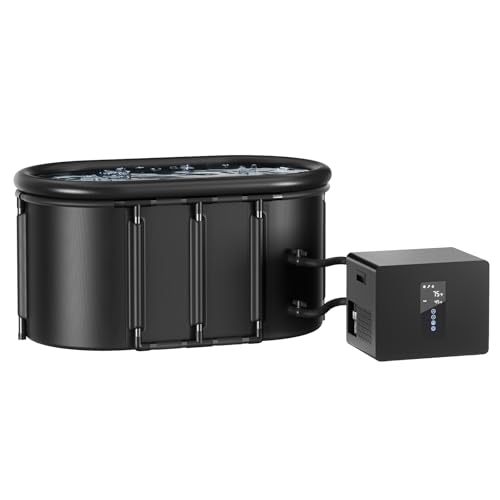
Ice Bath Chiller & Cold Plunge Tub Kit, 1/3HP Cold Plunge Chiller with Built-in Pump & Filter, 148Gal Insulated Ice Bath Tub for Cold Therapy, Recovery, Muscle Relaxation & Wellness at Home
All-in-One Cold Plunge System – No Ice or Hassle Needed: Complete cold plunge recovery kit includes a 1/3HP...
As an affiliate, we earn on qualifying purchases.