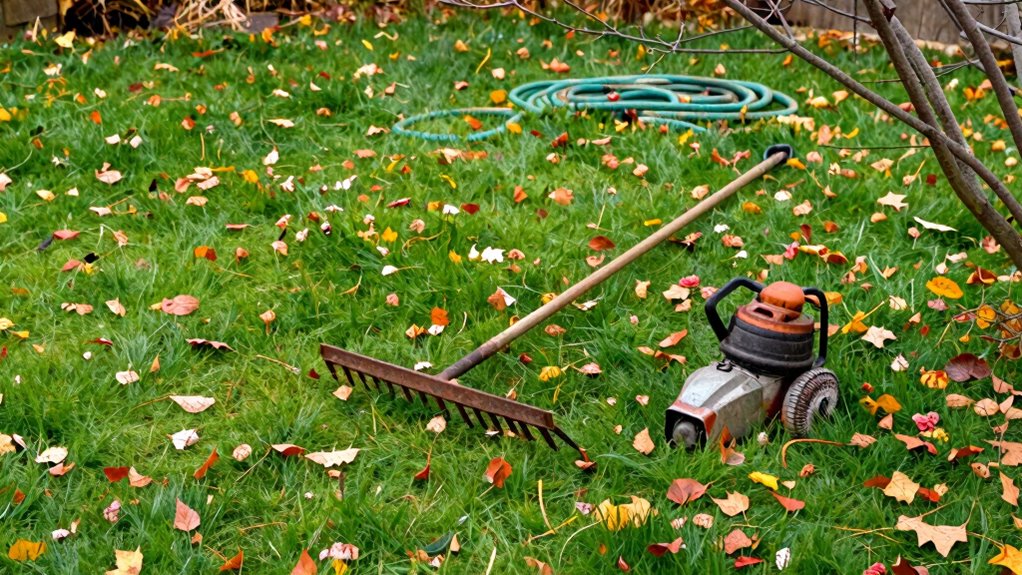

If you neglect proper fall lawn care, you risk costly problems in spring like weeds, disease, and weak growth. Falling into common mistakes—such as skipping soil prep, fertilizing at the wrong time, mowing too short, or leaving leaves to smother your grass—can weaken your lawn’s resilience. By addressing these issues now, you set the stage for a lush, healthy spring. Keep going to discover expert tips that will help you avoid these pitfalls and ensure a vibrant lawn come next season.
Key Takeaways
- Inadequate fall soil preparation weakens root development, leading to poor spring turf health.
- Incorrect overseeding timing and soil conditions reduce seed germination and lawn renewal.
- Failing to remove leaves and debris causes disease, pests, and prevents proper soil insulation.
- Improper fertilization timing or over-fertilizing can weaken grass and increase pest vulnerability.
- Not addressing pests and diseases in fall results in damage and patchy lawns come spring.

Bofoho Paint Spray Booth Tent - Portable and Foldable Spray Paint Booth Tool with Vents, Tool for Small DIY Painting, Pop-up, Windproof, Easy-to-Clean Paint Station (Blue)
Perfect DIY Size & Versatile Projects – 35in(L) x 34in(W) x 30.8in(H) interior fits miniatures, small furniture, crafts,...
As an affiliate, we earn on qualifying purchases.
Common Fall Lawn Care Mistakes That Hurt Your Spring Growth
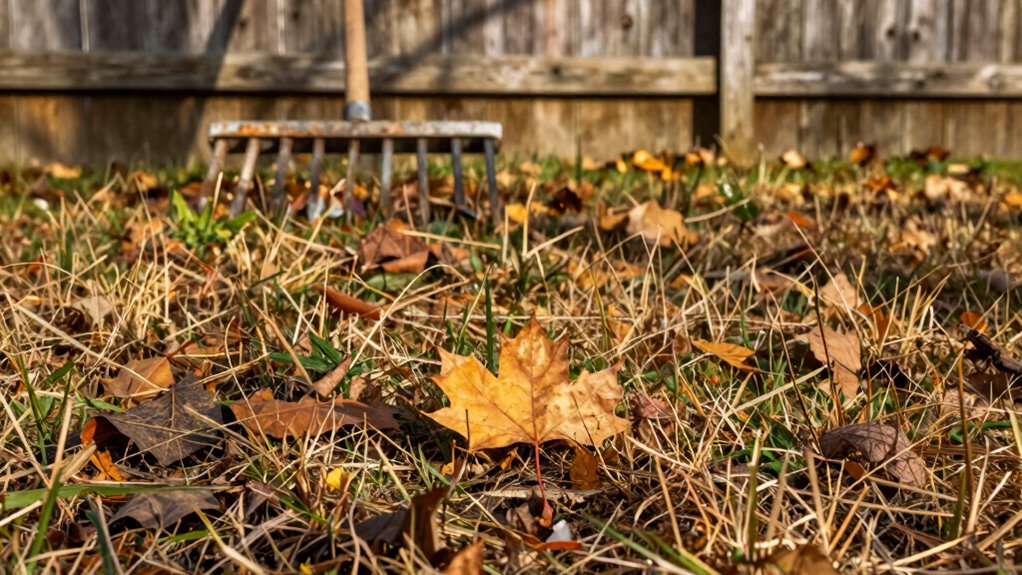
Failing to properly prepare your lawn in the fall can substantially hinder its growth come spring. One common mistake is neglecting winter preparation, which can leave your grass vulnerable to damage from cold temperatures and harsh weather. Properly aerating and fertilizing your lawn helps it withstand winter stresses and promotes healthy growth when temperatures rise again. Additionally, ignoring pest prevention during fall can lead to an increase in pests overwintering in your lawn, causing problems in spring. Failing to address these issues early means pests may damage new growth or spread disease. Incorporating proper lawn care techniques during the fall can significantly improve your lawn’s resilience and appearance in the spring. For example, understanding and implementing lawn maintenance strategies can make a crucial difference. Properly managing soil health during fall is essential to support vigorous root development and overall turf vitality, setting the stage for a lush spring lawn. By investing time in fall winter preparation and pest prevention, you set the stage for a lush, healthy lawn in spring, avoiding setbacks caused by neglect during the critical fall months. Recognizing the importance of seasonal lawn care can further ensure your yard remains vibrant year-round. A comprehensive approach that includes soil health management can also enhance turf vitality and resilience against seasonal stresses.

Beeveer Extra Large Paint Booth 8.2 x 7.2 x 6.5 ft with Frame and Zipper Oversized Clear Portable Spray Paint Booth Rainproof Spray Shelter for Furniture Auto Parts Woodworking and Door Painting
Extra Tall and Spacious Design: with dimensions of 8.2ft (2.5m) wide, 6.5ft (2m) deep, and 7.2ft (2.2m) tall,...
As an affiliate, we earn on qualifying purchases.
How to Properly Rake Your Lawn in Fall for Best Results
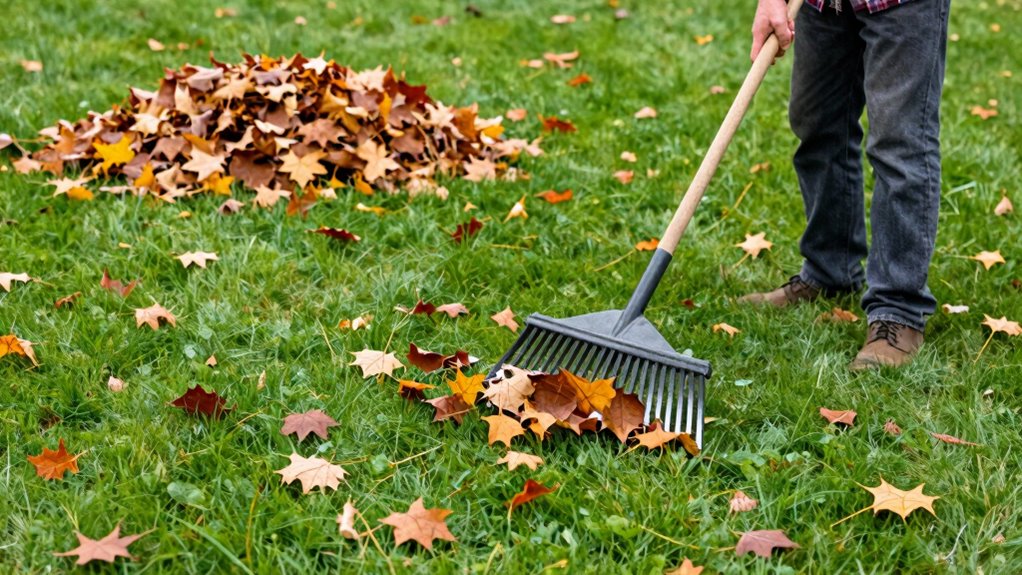
Proper raking in fall is key to giving your lawn a clean start for the upcoming season. Start by removing leaves through thorough leaf raking, ensuring you clear the entire lawn without damaging the grass. Don’t just pile leaves in one spot; spread them out or compost them to prevent suffocating the turf. After raking, consider mulch application by lightly mulching the remaining debris. Mulch helps insulate the soil, retain moisture, and prevent weed growth. Be gentle and avoid raking too deeply, which can disturb the roots. Regular raking not only keeps your lawn tidy but also promotes healthy growth come spring. Remember, the goal is to clean up without harming the grass, so rake carefully and use mulch wisely for the best results. Using appropriate mulching techniques can enhance soil health and protect your lawn during the colder months. Incorporating proper fall lawn care practices can also prevent common mistakes that lead to issues in spring, especially when combined with proper seasonal maintenance. Additionally, understanding the importance of lawn aeration can improve soil compaction and promote better root development.

Portable Paint Tent, Large Paint Booth with Built-in Floor, Mesh Screen, Windproof Hooks, and Storage Bag – Ideal for DIY Painting Projects
𝐄𝐚𝐬𝐲 𝐀𝐬𝐬𝐞𝐦𝐛𝐥𝐲 - Our spray tent is designed for quick and effortless assembly, allowing you to create a...
As an affiliate, we earn on qualifying purchases.
When and How to Fertilize Your Lawn in Fall Without Damage
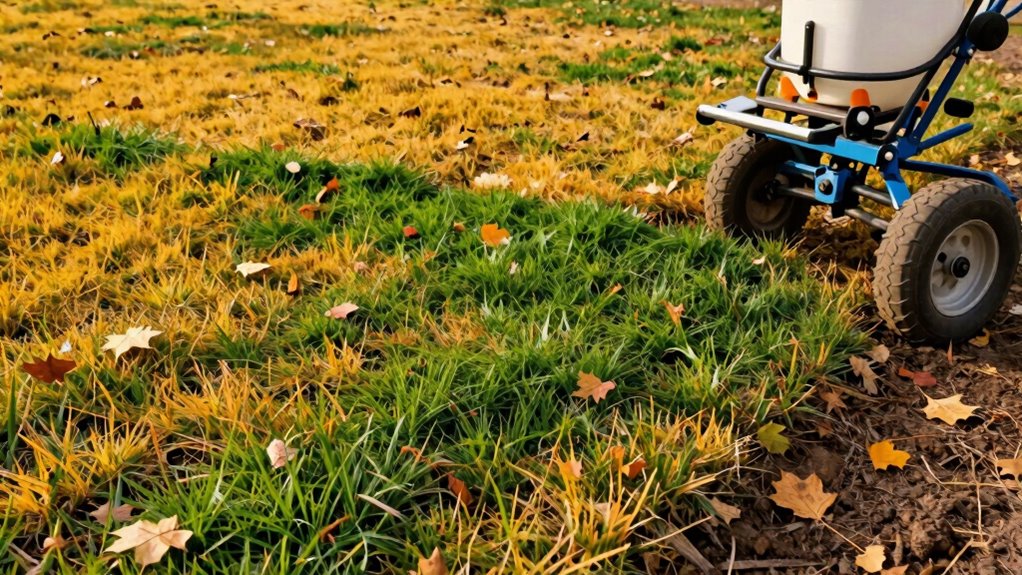
Timing is crucial when fertilizing your lawn in fall to guarantee healthy growth without causing damage. Applying fertilizer too late or too early can harm your grass seed and lead to nutrient runoff. Ideally, fertilize when the grass is still actively growing, usually in late September or early October. Use a slow-release fertilizer to provide nutrients gradually, supporting root development and winter hardiness. Be sure to water your lawn thoroughly before and after fertilizing to help nutrients penetrate the soil and prevent runoff. Avoid fertilizing during periods of heavy rain or frost, as this can damage your lawn and waste resources. Proper timing and technique ensure your lawn gets the nutrients it needs without risking overfeeding or damage from excessive lawn watering.

Portable Paint Booth Tent,Siebwin 10(L) x10(W) x6.2(H) ft Spray Paint Tent with Built-in Floor & Mesh Screen & Windproof Hooks, Painting Tent Station for Furniture DIY Hobby Tool, Spray Paint Shelter
Super Large Capacity: Compared to traditional paint tents, Siebwin's paint shelter offers 65% more space, measuring 10x10x6.2 feet....
As an affiliate, we earn on qualifying purchases.
Why Mowing at the Right Height Matters in Fall
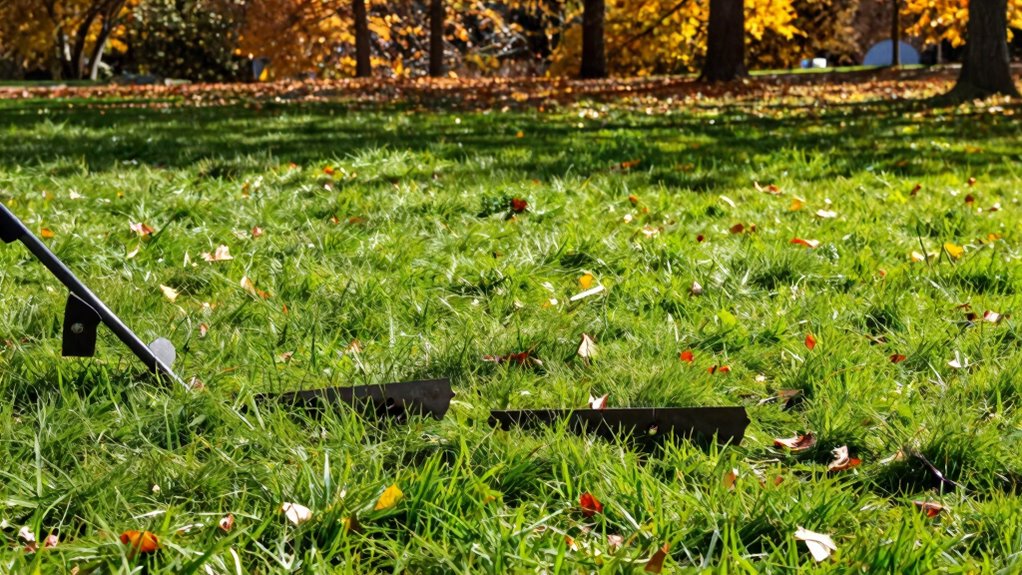
Mowing at the right height in fall is essential because it directly influences your lawn’s health and readiness for winter. If you cut too short, your grass becomes susceptible to cold damage and weeds. If you leave it too tall, it can trap moisture and promote disease. Adjust your lawn mower height to about 2.5 to 3 inches for fall grass trimming, fostering strong root growth and winter protection. Keep in mind the following considerations: Youngster Choice, maintaining proper mowing height helps promote grass resilience against harsh weather conditions. Additionally, understanding auditory processing can assist in better diagnosing and treating lawn care issues related to environmental stressors. Proper mowing practices also support soil health, which is vital for overall lawn vitality.
The Risks of Leaving Leaves and Debris Over Winter and How to Manage Them
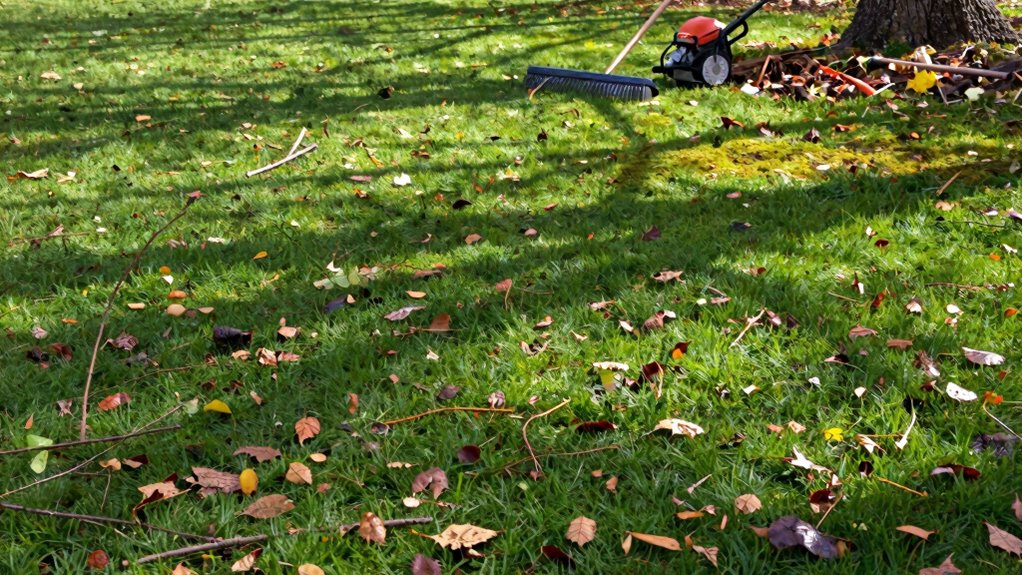
Leaving leaves and debris on your lawn over winter can lead to serious problems, even if they seem harmless at first. When debris isn’t removed, it can smother the grass, blocking essential sunlight and airflow needed for healthy growth. Excess leaf buildup creates a damp environment, encouraging mold, fungi, and disease that can weaken your lawn come spring. Proper leaf management involves regular debris removal, especially late in the season, to prevent these issues. Use a rake or leaf blower to clear your yard thoroughly, and consider composting the collected leaves to recycle nutrients. Additionally, maintaining proper lawn care routines with smart settings and tools can help optimize your maintenance efforts. Incorporating electric tools into your winter cleanup can make the process more efficient and eco-friendly. Using the right lawn care equipment can also help prevent damage to your grass and soil during cleanup. Regularly inspecting your lawn for potential winter damage** allows you to address issues before they worsen. By staying on top of debris removal, you help your lawn breathe and reduce the risk of winter damage, setting the stage for a healthier, greener spring lawn. Consistent maintenance** is key to preventing problems before they start and ensuring your lawn emerges strong in spring.
How Fall Soil Care Sets the Stage for a Greener Spring

Falling soil care is vital for building a strong foundation that leads to a lush, green lawn come spring. By applying soil amendments now, you improve soil structure and nutrient content, supporting healthy root growth. Incorporate organic matter or compost to enhance soil fertility and moisture retention. Additionally, pH balancing is essential—test your soil and adjust acidity or alkalinity as needed to optimize nutrient availability. Proper fall soil care helps prevent problems like poor drainage and nutrient deficiencies that can hinder spring growth. When you give your soil the right treatments now, you’re setting the stage for vigorous, resilient grass next season. This proactive approach ensures your lawn can recover quickly from winter stress and develop a lush, uniform appearance come spring. Using the right soil testing methods can help you accurately determine what amendments your lawn needs for optimal health. Conducting a comprehensive soil analysis allows for more precise adjustments and better results.
The Do’s and Don’ts of Overseeding and Aeration in Fall
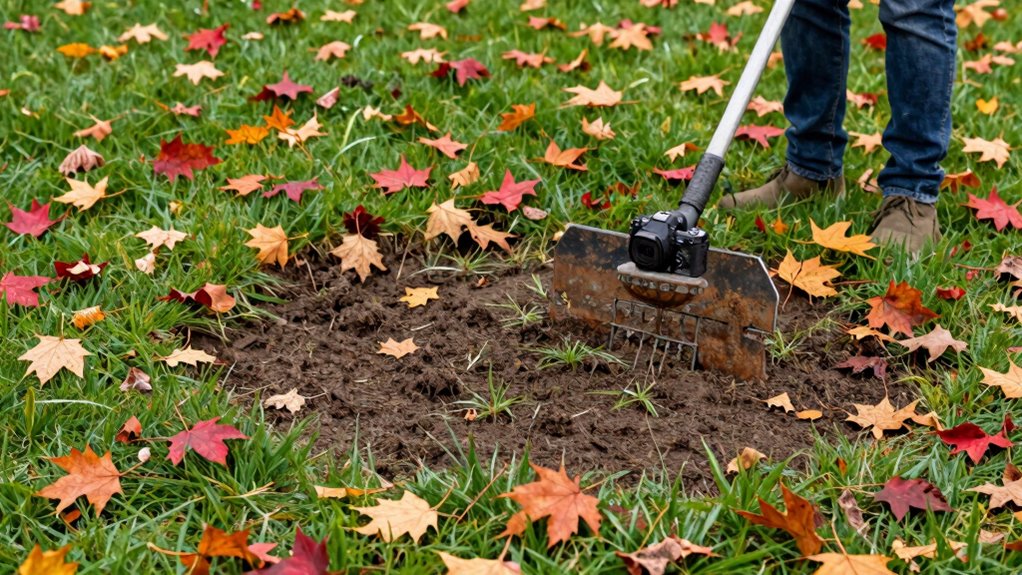
Fall is the ideal time to overseed and aerate your lawn to promote healthy growth and improve its overall density. When overseeding, verify your soil is prepared by removing debris and applying compost to boost nutrient levels. Aeration helps relieve soil compaction, allowing roots to access air, water, and nutrients more efficiently. Be sure to overseed after aeration for better seed-to-soil contact. Avoid overdoing compost application, as excessive organic matter can hinder seed germination. Additionally, consider pest control measures before overseeding to prevent pests from damaging new grass. Proper timing and technique are key—don’t overseed on overly wet or frozen soil, and skip aeration if your lawn is overly wet or mushy. Regularly assessing soil conditions throughout the fall can help you determine the best timing for these practices. Following these do’s and don’ts will set you up for a lush, healthy lawn come spring.
Top Tips to Avoid Fall Lawn Care Mistakes and Prepare for Spring
To avoid fall lawn care mistakes and get your yard ready for spring, you need to focus on proper mowing, fertilization, and leaf removal. Using the right techniques guarantees your grass stays healthy and resistant to problems come spring. Let’s explore how to master these key tasks effectively. Additionally, understanding the importance of soil health can help promote a stronger, more resilient lawn when the season changes. Incorporating proper soil testing can further optimize your soil conditions and enhance overall lawn vitality. A well-maintained lawn care routine is essential for preventing issues and ensuring a lush spring display. Consider attending events like the Burning Sands Festival to gain insights on sustainable practices that can be applied to your lawn care routine, promoting environmental responsibility alongside yard health.
Correct Lawn Mowing Techniques
As you prepare your lawn for the changing seasons, mastering proper mowing techniques is essential to promote healthy grass growth and prevent common mistakes. Keep your mower blades sharp to guarantee clean cuts, reducing stress on the grass. Avoid cutting more than one-third of the grass height at a time, which helps maintain root strength and reduces vulnerability to pests. Mowing at the right height also improves lawn watering efficiency and discourages pest control issues. Use the following table to understand mowing heights for different grass types:
| Grass Type | Recommended Height |
|---|---|
| Cool-season | 2.5 – 4 inches |
| Warm-season | 1.5 – 3 inches |
| Ryegrass | 2 – 3 inches |
Proper mowing supports overall lawn health, especially during fall transitions.
Proper Fertilization Practices
Proper fertilization is essential during the fall to guarantee your lawn stays healthy and prepares for a vigorous spring. Start by conducting soil testing to determine nutrient deficiencies and avoid over-fertilizing, which can lead to pest problems. Use a balanced, slow-release fertilizer tailored to your lawn’s needs, ensuring nutrients are available over time. Incorporate pest control measures if you notice signs of pests, as healthy, well-fertilized grass is less vulnerable to infestations. Avoid fertilizing too late in the season, which can encourage new growth that’s vulnerable to winter damage. Instead, focus on applying fertilizer early enough for roots to absorb nutrients. Proper fertilization practices will strengthen your lawn’s resilience and set the stage for lush, healthy grass come spring.
Effective Leaf Removal Strategies
Effective leaf removal is essential for maintaining a healthy lawn throughout fall and preventing problems come spring. Instead of raking leaves into piles, try leaf mulching by mowing over the debris with a mulching mower. This breaks down leaves into fine pieces that enrich your soil, promoting better grass growth. After leaf mulching, consider applying compost to boost soil nutrients and improve turf health. Compost application helps break down residual leaf matter and adds crucial organic matter, reducing thatch buildup and encouraging healthy root development. Avoid leaving thick leaf layers on your lawn, as they can smother grass and create a breeding ground for pests and disease. Regularly removing leaves and incorporating compost ensures your lawn remains vigorous and ready to thrive when spring arrives.
Frequently Asked Questions
How Do Weather Changes Affect Fall Lawn Care Strategies?
Weather changes considerably influence your fall lawn care strategies. As weather patterns shift, you need to adjust your schedule, especially since soil temperature drops can slow grass growth and affect fertilization timing. If it stays warm longer, you might extend your mowing or fertilizing. Conversely, colder weather requires you to prepare your lawn for winter, ensuring you don’t apply treatments too late or too early, which could harm your grass.
Can Improper Fall Lawn Care Lead to Pest Problems in Spring?
Improper fall lawn care can definitely lead to pest problems in spring. When you neglect proper maintenance, you create pest habitats like thatch buildup or debris that pests love. This makes pest control strategies harder and less effective later. To avoid this, you should clean up leaves, aerate, and address thatch, ensuring pests have fewer places to hide and reducing their impact when the season changes.
What Are Common Signs of Fall Lawn Care Mistakes?
You’ll notice signs of fall lawn care mistakes quickly, with about 65% of homeowners seeing uneven grass growth or lawn discoloration by late fall. These issues indicate you may have over-fertilized, neglected aeration, or failed to water properly. Pay attention to patchy areas or dull, discolored patches, as they’re clear signs your fall lawn care routine requires adjustments. Addressing these problems now helps ensure a healthier, lush lawn in spring.
How Does Fall Lawn Care Influence Weed Prevention in Spring?
Fall lawn care plays a vital role in spring weed prevention by promoting weed suppression and maintaining healthy root systems. When you fertilize, aerate, and overseed properly, you strengthen your grass, making it resistant to weeds. Good fall practices guarantee your roots stay healthy and dense, reducing space for weeds to take hold come spring. Neglecting these steps can weaken your lawn’s defenses, leading to more weed problems later on.
Are There Eco-Friendly Fall Lawn Care Practices to Consider?
Yes, you can adopt eco-friendly fall lawn care practices by using organic fertilization to nourish your soil naturally and reduce chemical runoff. Consider planting native species that thrive in your region, requiring less water and maintenance. These practices promote a healthy, sustainable lawn while protecting the environment. By choosing organic methods and native plantings, you guarantee your lawn remains lush and resilient without harming local ecosystems during fall and into spring.
Conclusion
Think of your lawn as a sleeping garden ready to bloom. By avoiding fall mistakes and giving it the right care now, you’re planting the seeds for a lush, vibrant spring. Every rake, fertilize, and mow at the right height acts like gentle nurturing, preparing your yard for its grand awakening. With a little effort this fall, you’ll wake up to a green, thriving landscape—your personal springtime masterpiece in the making.