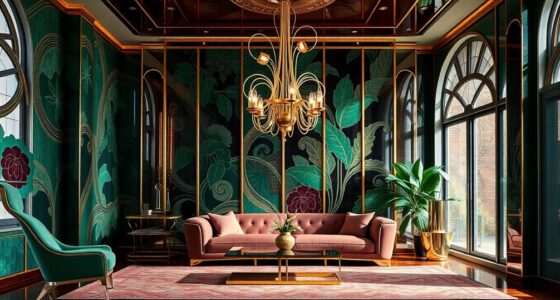
The lighting layer formula designers swear by involves combining ambient, task, and accent lighting for a balanced, harmonious space. You’ll want to assess your room’s natural light, function, and mood to determine where each layer fits best. Proper placement, color temperature, and dimming controls help create depth without harsh shadows or flatness. If you keep exploring these principles, you’ll discover how to craft inviting and functional environments effortlessly.
Key Takeaways
- Achieve balance by layering ambient, task, and accent lighting for harmony and mood.
- Distribute lighting evenly, considering natural light and space usage for optimal coverage.
- Use color temperature and dimming controls to fine-tune ambiance and enhance visual cohesion.
- Select fixtures that complement each other and support specific functional and aesthetic roles.
- Evaluate space activities and size to determine appropriate lighting layers, avoiding over-illumination or shadows.
What Is the Lighting Layer Formula and Why Is It Important?

Have you ever wondered how professional lighting setups achieve that perfect balance and depth? The lighting layer formula is the secret behind it. It’s a strategic approach that combines different light sources to create harmony and mood. Understanding lighting psychology helps you choose the right intensity and placement, influencing how viewers feel and interpret space. Color temperature plays an essential role too; it sets the tone and atmosphere by shifting from warm to cool light. When you apply the lighting layer formula, you guarantee that each layer complements the others, avoiding harsh shadows or flat illumination. This balance guides the viewer’s eye naturally and enhances the overall aesthetic. Incorporating Lighting techniques can be effectively integrated using this layered approach. Recognizing the importance of lighting layers ensures a cohesive and dynamic visual experience. Developing an understanding of interior design fundamentals can help in selecting appropriate lighting elements for different spaces.
Understanding the Core Lighting Layers: Ambient, Task, and Accent Lighting

Understanding the core lighting layers—ambient, task, and accent—is key to creating a balanced space. You need to take into account each layer’s purpose, where to place them, and how to balance the overall light levels. This careful planning ensures your lighting is both functional and visually appealing. Additionally, considering trusted local businesses can help you find quality lighting solutions and professional advice to achieve the desired ambiance. Incorporating simple, effective lighting strategies can also make a significant difference in maintaining a calm and organized home environment. Recognizing the importance of layering techniques can further enhance the overall atmosphere of your space. Leveraging AI-powered tools can assist in designing optimal lighting layouts tailored to your specific needs and lighting safety practices.
Purpose of Each Layer
Ever wondered how different lighting layers work together to create a well-lit space? Each layer serves a specific purpose, influencing mood, functionality, and energy use. Ambient lighting provides overall brightness, setting the tone and supporting color psychology. Task lighting focuses on specific activities, ensuring precision and reducing eye strain. Accent lighting highlights features, adding depth and visual interest. Properly layered lighting can also incorporate smart automation to optimize energy efficiency and adapt to changing needs. Additionally, understanding the lighting layer formula helps designers craft harmonious environments that enhance both aesthetics and usability. Recognizing how lighting technology impacts each layer allows for more effective and innovative lighting design. Here’s a quick overview:
| Layer | Purpose | Effect on Space |
|---|---|---|
| Ambient | General illumination | Creates a welcoming, balanced glow |
| Task | Focused lighting for activities | Improves function and safety |
| Accent | Highlights and adds visual depth | Enhances aesthetic appeal |
| Energy Use | Optimized through layer choices | Promotes energy efficiency |
Layer Placement Strategies
Effective layer placement is essential for achieving balanced and functional lighting in any space. To do this successfully, focus on fixture placement to guarantee proper ambient balance. Start by distributing ambient lighting evenly across the room, avoiding dark spots or overly bright areas. Proper fixture placement helps create a uniform glow that complements other layers. Position ceiling-mounted or wall-mounted fixtures thoughtfully, considering the room’s size and layout. For task and accent lighting, place fixtures where they are most needed—over work areas or to highlight architectural features. Maintaining an even ambient balance prevents harsh shadows and glare. When you plan your fixture placement carefully, you ensure each layer works harmoniously, creating a welcoming environment that feels both comfortable and visually appealing. Understanding lighting principles and how different lighting layers interact can further enhance the overall ambiance and functionality of your space. Applying layering techniques allows you to tailor lighting to suit your specific needs and aesthetic preferences, making your space truly versatile and inviting. Additionally, experimenting with different lighting fixtures can help you achieve the perfect balance and style for your home. Incorporating a layered lighting plan into your design process ensures optimal results and a cohesive look.
Balancing Light Levels
Balancing light levels is essential to creating a harmonious and functional space, as it guarantees that each lighting layer works together seamlessly. To achieve this, consider the color temperature of your lights, which influences the mood and visual comfort. Mixing warm and cool tones strategically helps create depth and balance. Dimming controls are invaluable, allowing you to adjust brightness levels throughout the day or evening, ensuring no layer overpowers another. For example, dimming ambient lighting can highlight task or accent lights without creating harsh contrasts. Keep in mind that proper balancing involves not just brightness but also color consistency. When you fine-tune these elements, your space feels cohesive, inviting, and adaptable to different activities and times of day. Incorporating lighting quality assessment techniques ensures that your lighting setup supports both aesthetics and functionality effectively.
How to Assess Your Space and Decide Which Lighting Layers to Use?
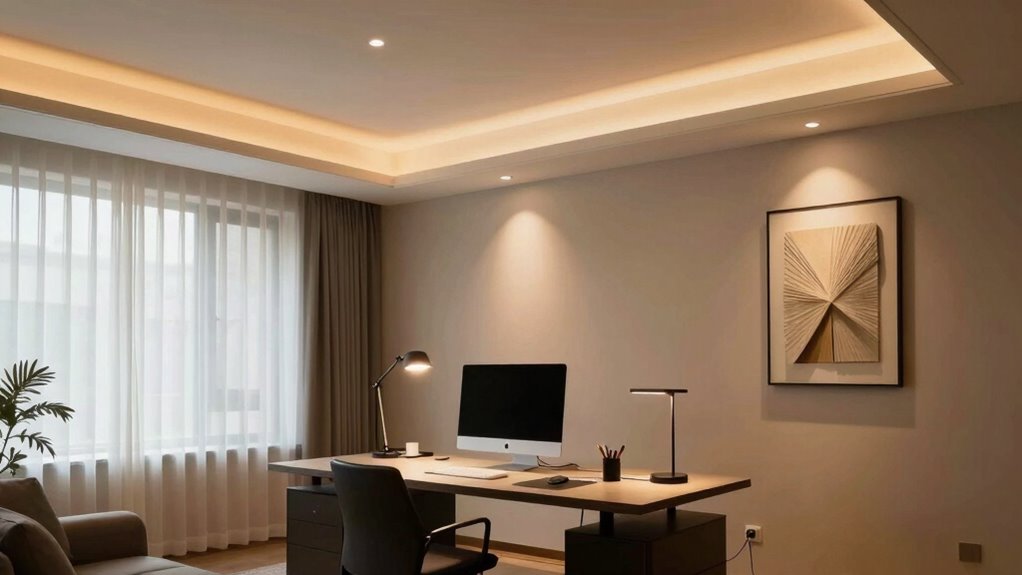
Start by evaluating how your space will be used, identifying areas that need focused lighting versus general illumination. Then, consider the natural light levels throughout the day to determine how much additional lighting is necessary. This assessment helps you choose the right layers to create a balanced, functional environment. Additionally, understanding the importance of compassionate caregiving can help you make lighting choices that promote comfort and safety for seniors. Incorporating easy document management principles can also assist in organizing your lighting plans and related resources efficiently. Recognizing the role of lighting in health can further guide you in selecting lighting options that support well-being and circadian rhythms. Conducting a thorough tool and equipment assessment ensures your lighting setup complements your workspace and enhances safety. Being aware of electrical safety standards can help prevent hazards and ensure your lighting design complies with regulations.
Evaluate Space Functionality
Before choosing the right lighting layers, you need to evaluate how your space functions and what activities will take place there. This helps determine the appropriate fixture styles and color intensity needed for each zone. Consider these steps:
- Identify primary activities, like reading, cooking, or relaxing, to decide if focused or ambient lighting is necessary.
- Assess the space’s size and layout—larger rooms may need layered lighting to prevent dark spots.
- Think about the mood you want to create, which influences color intensity choices and fixture styles, from warm dimmers to striking statement pieces.
Consider Natural Light Levels
Understanding the natural light in your space is key to choosing the right lighting layers. Natural illumination varies throughout the day and influences how you should layer your lighting. By evaluating daylight integration, you can determine which layers to emphasize—whether to maximize sunlight or supplement with artificial light. Observe how sunlight enters your space and note its intensity at different times. Consider window placement and size, as they impact natural illumination. The table below highlights how natural light affects your lighting choices:
| Time of Day | Natural Light Level | Recommended Lighting Layer |
|---|---|---|
| Morning | Bright, direct | Use dimmable fixtures, enhance daylight integration |
| Afternoon | Moderate, warm | Use layered lighting for comfort |
| Evening | Low, ambient | Add task and accent lighting |
| Overcast | Soft, diffused | Supplement with warm artificial light |
| Night | None | Rely solely on layered artificial lighting |
Step-by-Step Guide to Applying the Lighting Layer Formula in Your Projects

Applying the Lighting Layer Formula to your projects involves a clear, step-by-step process that guarantees consistent and professional results. Start by understanding essential lighting terminology and how it relates to your space. Then, follow these steps:
Implementing the Lighting Layer Formula ensures professional, cohesive, and beautifully lit spaces through simple, strategic steps.
- Assess your space’s natural light and identify areas needing enhancement, applying core design principles. Understanding the influence of market trends can help you anticipate how lighting choices might impact overall ambiance and functionality.
- Layer your lighting by adding ambient, task, and accent lights, ensuring each layer complements the others.
- Adjust intensities and color temperatures to balance the overall lighting scheme, maintaining harmony and functionality.
- Remember that attention to detail is crucial in achieving effective and cohesive lighting designs, ensuring every element contributes to the overall aesthetic and performance.
Following this process helps you create well-lit environments that are both aesthetically pleasing and functional. Use the lighting terminology and design principles as your guide to achieve a cohesive, layered lighting design that elevates your project’s impact.
Common Mistakes When Layering Lighting and How to Avoid Them
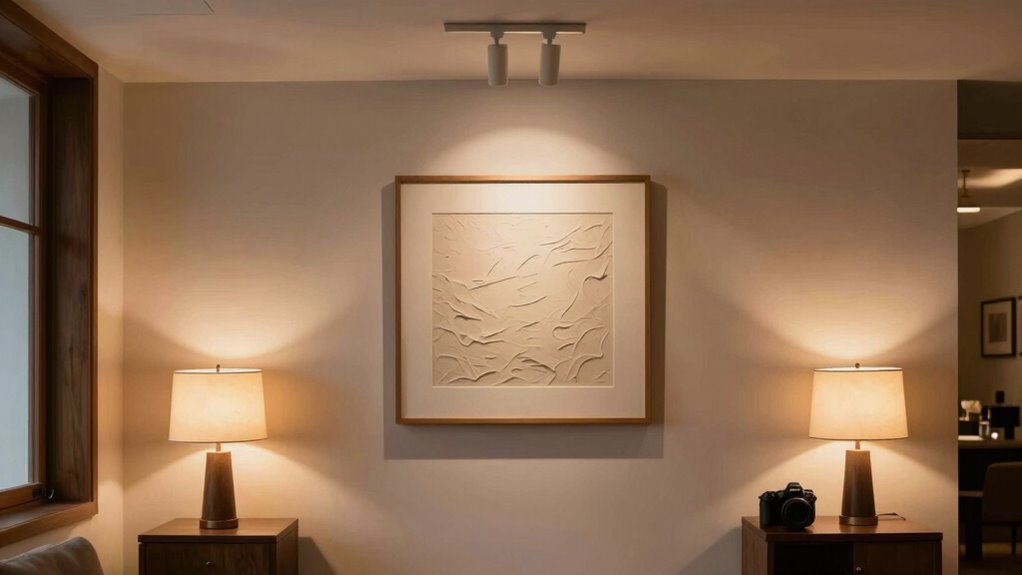
One common mistake when layering lighting is overdoing it, which can create a cluttered or overwhelming environment. Poor fixture selection often leads to an inconsistent lighting hierarchy, making spaces feel chaotic rather than balanced. To avoid this, choose fixtures that complement each other and serve specific roles within the overall plan. Overloading a room with too many light sources can dilute the effectiveness of each layer, reducing the clarity of your lighting hierarchy. Instead, focus on selecting fixtures that enhance the space’s function and mood without competing. Keep the number of fixtures manageable and ensure each contributes to the layered effect. By being deliberate in fixture selection and maintaining a clear lighting hierarchy, you create a harmonious, well-lit environment that feels inviting and cohesive.
Real-World Examples of Effective Lighting Layering in Different Spaces
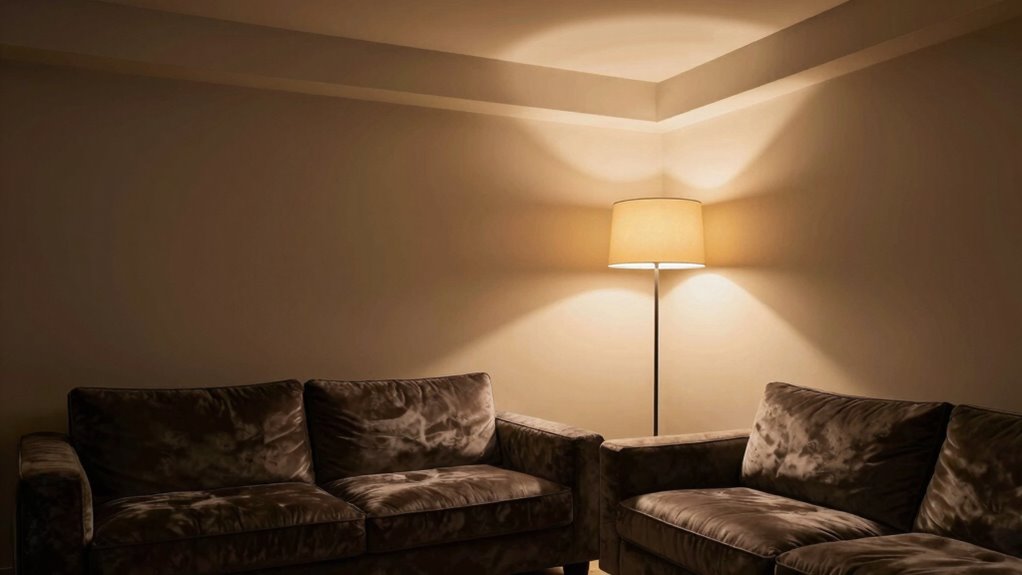
Effective lighting layering can transform any space by combining different types of fixtures to achieve both functionality and ambiance. In real-world settings, thoughtful layering enhances the environment’s mood and practicality. For example:
- In a living room, warm lighting color from table lamps pairs with sleek fixture styles like modern sconces, creating a cozy yet stylish vibe.
- In an office, bright overhead lights layered with adjustable task lighting ensure productivity, with fixture styles that blend seamlessly into the decor.
- In a restaurant, ambient lighting with dimmable fixtures and varied lighting color sets the mood, while pendant lights with unique styles add visual interest.
Frequently Asked Questions
Can the Lighting Layer Formula Be Adapted for Outdoor Spaces?
Yes, you can adapt the lighting layer formula for outdoor spaces. Focus on landscape illumination that highlights key features and creates ambiance. Consider weather considerations like rain, wind, and temperature, choosing weatherproof fixtures and durable materials. By layering lighting thoughtfully and accounting for outdoor conditions, you’ll achieve a balanced, functional, and visually appealing outdoor environment that enhances safety and aesthetics.
What Are the Best Fixtures for Creating Balanced Layers?
You need fixtures that truly wow—think powerful floodlights, sleek spotlights, and warm wall washes. For balanced layers, you’ll want to master layering techniques with a mix of ambient, task, and accent lighting. Select fixtures that complement each other, creating harmony and depth. The right combination transforms your outdoor space into an enchanting masterpiece, where every corner shines with purpose and beauty, leaving everyone breathless at the sheer brilliance of your design.
How Does Natural Light Influence the Layering Process?
Natural illumination plays a essential role in your layering process by adding warmth and depth. It influences your design choices through daylight integration, helping you balance artificial fixtures with the ambient glow from windows or skylights. You should consider how natural light shifts throughout the day, adjusting your layers accordingly. This seamless blend enhances the overall ambiance, making your space look more natural, inviting, and well-lit at all times.
Is the Lighting Layer Formula Suitable for Energy-Efficient Design?
You’ll find the lighting layer formula is perfect for energy-efficient design, offering impressive energy savings without sacrificing aesthetic appeal. Some worry it limits design flexibility, but this method actually enhances it by allowing you to adapt lighting layers to different spaces and moods effortlessly. Embrace this formula to create dynamic, sustainable environments that save energy and reflect your creative vision with confidence.
How Do I Measure Proper Light Levels for Each Layer?
You measure proper light levels by using measurement tools like a lux meter to check lux levels at key points in your space. Place the meter at work surfaces or seating areas to verify the lighting meets recommended standards. Regularly monitor and adjust your lighting setup to maintain the desired lux levels, ensuring comfort and efficiency. This hands-on approach guarantees each layer provides the right illumination for your needs.
Conclusion
Mastering the lighting layer formula transforms any space into a balanced, inviting environment. Did you know that layered lighting can increase a room’s perceived size by up to 30%? By understanding and applying these layers effectively, you create not just better illumination, but a more functional and aesthetically pleasing space. Keep experimenting, avoid common pitfalls, and watch your lighting designs truly shine—making every room feel thoughtfully crafted and welcoming.