TL;DR
Veranda reports five recommendations from designers Fran Keenan and Mackin Thompson for making a rental feel more personal without taking on major renovations. Their advice is to work with the apartment’s constraints, ask the landlord before making changes, prioritize window treatments, avoid overspending on features you cannot change, and choose pieces that can move with you.
Veranda has published five recommendations from designers Fran Keenan and Mackin Thompson for making a rental feel more like home without major renovations. The advice focuses on practical choices renters can tailor to their space, discuss with a landlord, or take with them when they move.

Get furniture and decor delivered free with Prime
- Fast, free delivery on millions of items
- Prime Video, Amazon Music and more included
- Member-only deals all year
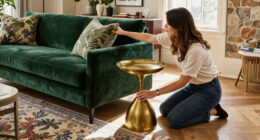
The designers’ first recommendation is to assess the apartment itself before buying around an idealized look. Room dimensions, natural light and access through doorways can affect what works. A compact sofa and movable chairs may suit a small living room better than a large sectional, while a dim bedroom may benefit more from layered lighting than from another decorative object. Thompson says renters do not have to correct every flaw; they can build on what already works.
Second, renters can ask their landlord whether a change is allowed rather than assuming it is prohibited. Thompson says a landlord may approve projects such as painting cabinets, changing a light fixture or adding trim. Permission matters: the report does not suggest making lease-sensitive alterations without agreement.
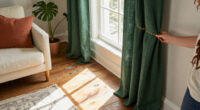
Third, the designers recommend considering window treatments as a worthwhile investment. Keenan suggests upgrading ready-made curtains with pinch pleats or hanging them from rings. Thompson says quality curtains can add softness and personality and can be moved to another home. The remaining advice is to avoid spending heavily on temporary fixes to features that cannot be changed, and to favor adaptable furniture and decor. Thompson points to antiques as one way to give a room character alongside newer pieces.
Spend on Changes That Can Move
For renters, design decisions often involve balancing comfort now against the possibility of moving later. The advice gives readers a way to prioritize: spend where an item improves daily use or can serve in another home, and be cautious about investing in changes tied to a property they do not own. Portable furnishings and window treatments can make a space feel more finished without requiring a permanent renovation.
The recommendations also distinguish between changes a renter can make independently and those that call for landlord approval. That distinction can help reduce the risk of lease disputes or paying for work that must be reversed. The report offers design guidance, not legal advice; renters’ rights and lease terms vary, so the agreement and local rules remain relevant.
Products Worth Considering

LG StanbyME 2 Max 32-Inch 4K Portable Smart Touchscreen TV

Levoit Core 400S-P Smart Air Purifier for Large Rooms

Ring Battery Doorbell Plus (2nd Gen) with Quick Release Battery Pack, Nickel Silver
As an affiliate, we earn on qualifying purchases.
Designing Around a Lease
The report frames rental decorating as a response to limits such as floors a tenant would not choose, inadequate lighting or plain walls. Its focus is not on a full makeover, but on adjustments that can make a home feel personal while keeping the lease and a possible move in view.
Keenan and Thompson offer complementary examples: Keenan discusses tailoring off-the-rack curtains, while Thompson emphasizes asking landlords about possible changes and investing in pieces that can adapt to another home. The article names five principles, but does not provide a budget, product comparison or universal rule for which upgrades will suit every rental.
“I don’t think you need to fix everything. Sometimes you just need to find the things that are already good and just give them a little more love.”
— Mackin Thompson, interior designer, as quoted by Veranda
Costs and Lease Rules Vary
The source does not give typical prices for curtains, furniture or other suggested upgrades, and it does not quantify how much any change might improve a room. Whether a landlord will approve painting, fixture replacements or trim work is also specific to each property and agreement. Renters should check their lease and get permission in writing before making alterations that could require restoration or affect the unit.
The report does not identify which recommendations are affordable for every renter, nor does it set out installation requirements for individual products. The best choices depend on the apartment’s dimensions, light, condition, the renter’s budget and how long they expect to stay.
Check the Space Before Buying
The practical next step is to measure rooms and doorways, note where natural light falls, and identify what can be improved without changing the property. Renters considering paint, new fixtures or trim can raise the proposal with their landlord before purchasing materials or starting work. For furnishings and curtains, the designers’ guidance points toward choices that fit the current space and remain useful after a move.
Veranda’s report does not announce a follow-up project or a new product line. Any further decisions are left to renters and, where property changes are involved, their landlords.
Key Questions
What are the five designer recommendations for rental homes?
Assess the apartment first, ask the landlord before making changes, consider investing in window treatments, avoid overspending on temporary fixes, and choose furniture or decor that can move with you.
Should renters ask before painting or changing a light fixture?
Yes. Thompson recommends asking the landlord about changes such as painting cabinets, replacing a light fixture or adding trim. The report does not say that all landlords will approve these projects, so renters should check their lease and get permission before proceeding.
How can ready-made curtains look more tailored?
Keenan suggests adding pinch pleats or hanging curtains from rings instead of relying on a basic pole pocket. She also says she has used ready-made linen drapes in her daughter’s apartment.
Which rental upgrades may be easier to take to a new home?
The designers point to window treatments and adaptable furnishings, including sofas, chairs, lamps, chests and tables. Whether an item will fit another home depends on its dimensions and the next space.
Source: rss