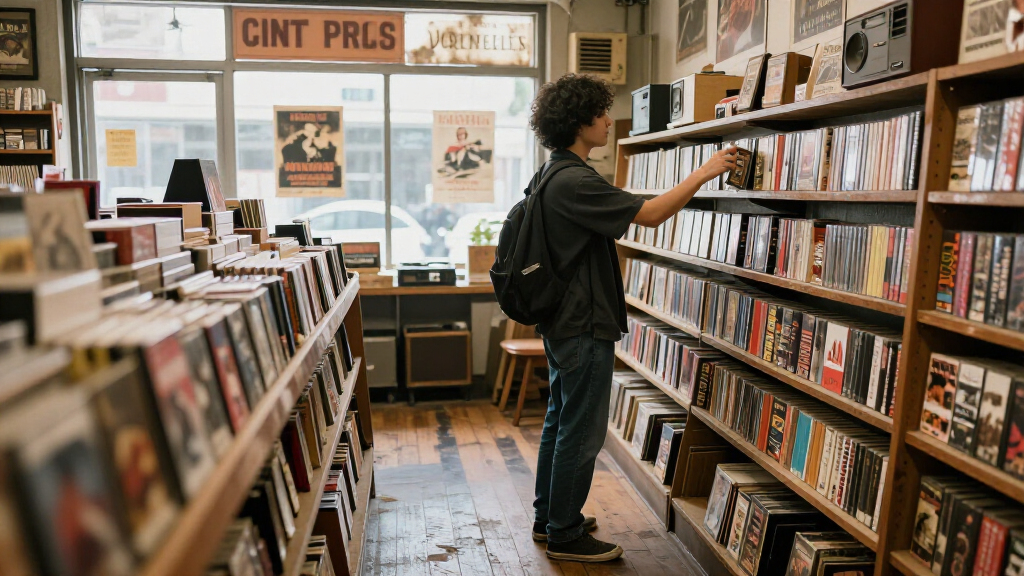

TL;DR

Get furniture and decor delivered free with Prime
- Fast, free delivery on millions of items
- Prime Video, Amazon Music and more included
- Member-only deals all year
Movie rental stores, once central to neighborhood social life, have largely disappeared due to digital streaming. This shift has affected community cohesion and local economies, raising questions about the future of civic spaces.
Many local movie rental stores have closed over the past decade, marking a significant shift in how communities engage with shared cultural spaces. The decline, driven by the rise of digital streaming services, has reduced opportunities for neighborhood social interactions centered around film rentals. This development matters because it reflects broader changes in community cohesion and local civic life, raising concerns about the social fabric of neighborhoods.
The number of independent movie rental stores in the United States has plummeted from thousands in the early 2000s to fewer than a hundred today, according to industry estimates. Major chains like Blockbuster filed for bankruptcy in 2010, and many local shops closed during the subsequent decade. These stores often served as community hubs, where neighbors gathered, exchanged recommendations, and participated in local events. Experts note that their disappearance has contributed to a decline in neighborhood social interactions, especially among those who relied on these spaces for social connection.
Recent studies suggest that the loss of these communal spaces has had tangible effects on civic engagement. Researchers from urban sociology departments have observed decreases in neighborhood participation and informal social networks correlating with the closures. Some community leaders emphasize that these stores provided a sense of identity and belonging, which is now diminished. While digital platforms foster individual access to films, they lack the social dimension that physical rental stores once offered.
Impact on Community Cohesion and Local Culture
The decline of movie rental stores signifies more than just a change in how people watch films; it reflects a broader erosion of local civic spaces that foster community bonds. These stores historically acted as informal gathering places, encouraging social interaction and cultural exchange. Their disappearance may contribute to increased social isolation and weaken the fabric of neighborhood communities, which are vital for local democracy and mutual support.
community movie rental store decor
As an affiliate, we earn on qualifying purchases.
As an affiliate, we earn on qualifying purchases.
From Blockbuster to Digital Streaming: A Rapid Shift
In the early 2000s, movie rental stores like Blockbuster dominated neighborhood shopping strips, serving as accessible entertainment hubs. However, the advent of digital streaming platforms such as Netflix, Hulu, and Amazon Prime in the late 2000s rapidly transformed media consumption. The convenience, lower costs, and vast selection of streaming services led to a sharp decline in physical rentals. Industry data indicates that the number of rental stores has sharply decreased, with many unable to compete with the digital shift.
This transition has been accompanied by broader social changes. While streaming offers convenience, it lacks the communal experience of browsing, chatting, and sharing recommendations in person. Experts argue that this shift has contributed to the decline of neighborhood social spaces, impacting civic engagement and local culture.
“The physical space of a rental store was more than just a place to borrow movies; it was a community hub that fostered social bonds and local identity.”
— Dr. Susan Miller, urban sociologist
Extent of Civic Life Loss and Future Trends
It remains unclear how deeply the decline of rental stores has affected overall community engagement across different regions. While some studies point to a decline in social cohesion, quantifying this impact remains challenging. Additionally, it is uncertain whether new forms of social interaction will emerge through digital or hybrid spaces, partially compensating for the loss of physical stores. The future of neighborhood civic spaces in this context is still evolving.
Potential Revival of Community Spaces and Digital Alternatives
Experts suggest that communities may seek to revive local gathering spaces through new initiatives, such as pop-up rental events, community theaters, or digital platforms designed to foster neighborhood interaction. Policymakers and civic organizations are also exploring ways to support local businesses and cultural hubs to preserve the social fabric. The ongoing trend toward digital consumption is unlikely to reverse entirely, but hybrid models could help restore some aspects of communal life.
Key Questions
Why did movie rental stores decline so rapidly?
The rise of digital streaming platforms offering instant, inexpensive access to vast movie libraries led to a sharp decline in physical rentals. Major chains like Blockbuster filed for bankruptcy, and many local stores closed due to decreased demand and competition from online services.
How did rental stores contribute to community life?
Rental stores served as informal social spaces where neighbors interacted, shared recommendations, and participated in local events. They fostered a sense of community and local identity beyond their commercial function.
What are the social implications of losing these stores?
The disappearance of rental stores has been linked to reduced neighborhood interaction and social cohesion, which can weaken community bonds and civic participation.
Some communities are exploring pop-up events, community theaters, and digital platforms to foster social interaction and preserve local cultural spaces, but widespread revival remains uncertain.
While digital platforms provide access to movies, they currently lack the in-person social interactions that physical rental stores fostered. Whether hybrid models can replicate this social dimension is still under discussion.
Source: hn
Fall Picks
fall essentials
As an affiliate, we earn on qualifying purchases.