To prevent frozen pipes, start by inspecting exposed pipes in unheated areas like basements or garages. Seal cracks and gaps with foam or rubber, then wrap pipes with insulation materials such as foam sleeves, fiberglass, or reflective wraps, ensuring they fit snugly. Extend insulation to valves and joints, and keep garage doors closed during cold spells. Regularly check for damage or cold spots. If you keep exploring, you’ll find more tips to safeguard your plumbing this winter.
Key Takeaways
- Insulate exposed pipes in unheated areas using foam, fiberglass, or rubber materials tailored to your climate.
- Seal gaps, cracks, and joints around pipes to prevent drafts and moisture intrusion.
- Use appropriate insulation thickness and secure it tightly without gaps for maximum effectiveness.
- Regularly inspect insulation for damage, tears, or mold, and rewrap or reseal as needed.
- Keep garage doors closed, disconnect hoses, and maintain indoor temperatures above 55°F to reduce freezing risk.
Why Pipe Insulation Is Essential Before Winter
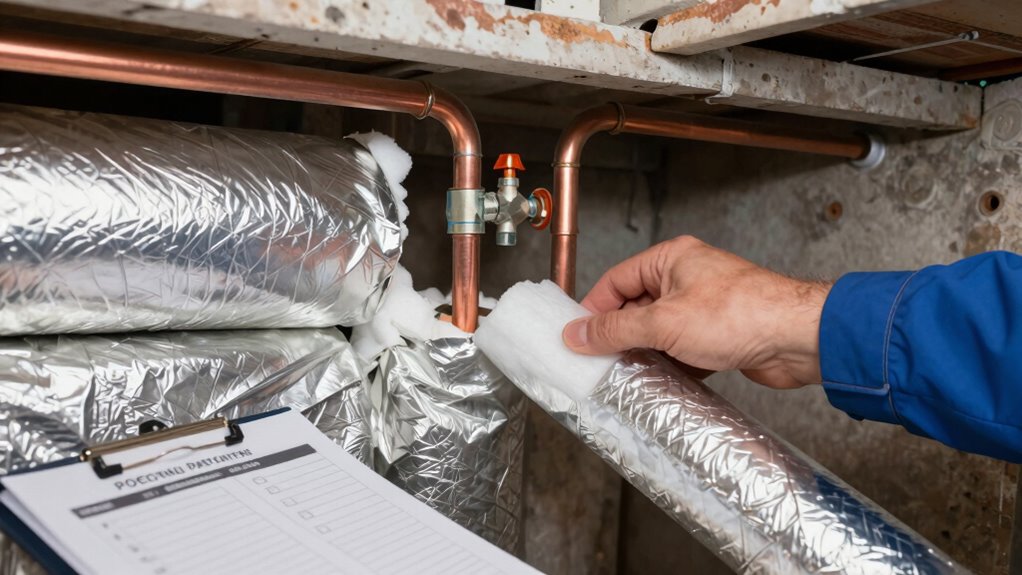
Before winter arrives, insulating your pipes is essential to prevent them from freezing. Pipe insulation benefits are clear: it keeps your water flowing smoothly and protects your plumbing system from costly damage. During cold months, exposed pipes are vulnerable to freezing, which can lead to bursts and water damage. By adding insulation, you create a barrier that helps maintain a consistent temperature around your pipes, offering reliable winter pipe protection. This simple step is cost-effective and easy to implement, giving you peace of mind. Proper insulation minimizes the risk of frozen pipes, reduces energy costs, and ensures your home stays comfortable. Taking the time to properly prepare your plumbing can make all the difference in preventing winter-related issues. Additionally, understanding the types of pipe insulation available can help you choose the most effective solution for your needs. Selecting the right insulation material can further improve the efficiency and durability of your pipe protection. When selecting insulation, consider the cost-effectiveness and long-term savings it provides, making it a worthwhile investment. Using reliable insulation materials can also enhance the overall effectiveness of your winter pipe protection. Don’t wait until freezing temperatures hit—take action now to safeguard your plumbing system efficiently.
How to Identify Pipes That Need Insulation

Identifying which pipes need insulation is a straightforward process that can save you from future headaches. Start by checking for pipes in unheated areas, such as basements, attics, garages, or crawl spaces, where cold air can cause freezing. Look for pipes that run along exterior walls or near uninsulated windows. These are prime candidates for insulation installation. Also, pay attention to pipes that feel cold to the touch during winter. Inspect for existing pipe insulation types; if it’s damaged or missing, it’s time to replace. Keep an eye out for visible cracks or gaps in the insulation, which reduce effectiveness. Properly identifying these pipes allows you to focus your efforts on the most vulnerable locations, ensuring effective insulation and protection against freezing. Additionally, consulting with professional services can help you determine the best insulation solutions for your specific needs. Checking your home’s insulation systems can further enhance your understanding of vulnerable areas and improve your overall winter preparedness. Being aware of cold spots and their locations can also help prioritize your insulation efforts effectively. Recognizing insulation deficiencies early can prevent costly repairs and water damage caused by frozen pipes. Moreover, understanding frost line depths in your area can guide you to insulate pipes at the most critical depths to prevent freezing.
How to Cover and Seal Exposed Pipes Properly
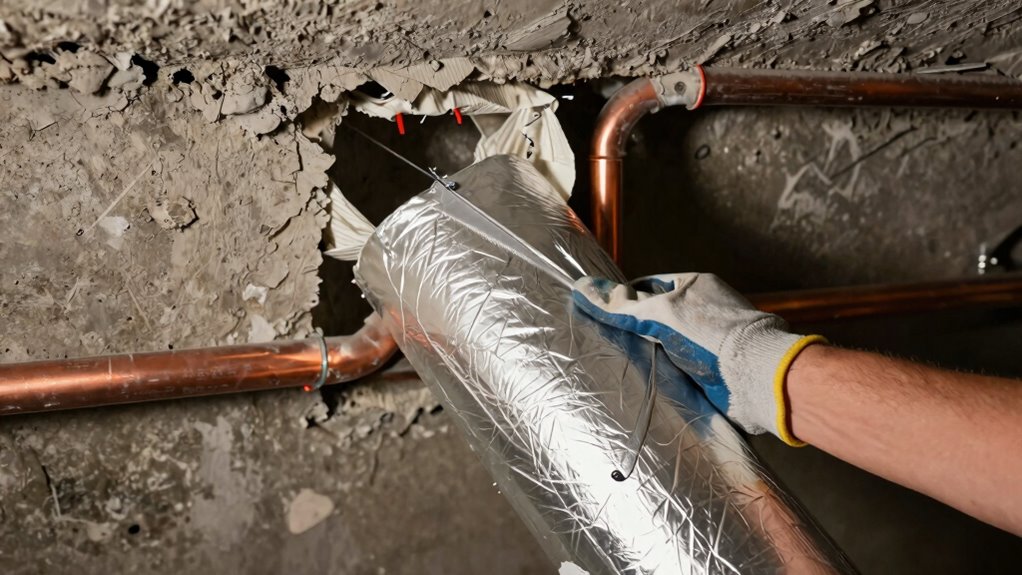
Covering and sealing exposed pipes is essential to prevent heat loss and protect them from freezing. Start by wrapping pipes with proper pipe wrapping materials, ensuring full coverage to insulate against cold air. Pay special attention to joints, sealing them tightly with foam or rubber sealants to prevent drafts. Use high-quality tape or pipe insulation sleeves to secure the wrapping, making sure there are no gaps or loose spots. For added protection, consider applying additional sealant at vulnerable joints, where cold air can seep in. Properly sealed and wrapped pipes retain heat more effectively, reducing the risk of freezing during cold snaps. Regularly inspect your work, rewrapping or resealing as needed to maintain ideal insulation. Additionally, understanding zodiac traits can help identify which areas of your home might be more vulnerable to cold, allowing for targeted insulation efforts. Incorporating heat distribution principles can further enhance the effectiveness of your insulation strategy. To maximize the longevity of your insulation, consider preventative maintenance and seasonal checks. Performing routine insulation inspections can help catch issues early before freezing conditions occur.
How to Choose the Best Insulation Materials for Pipes
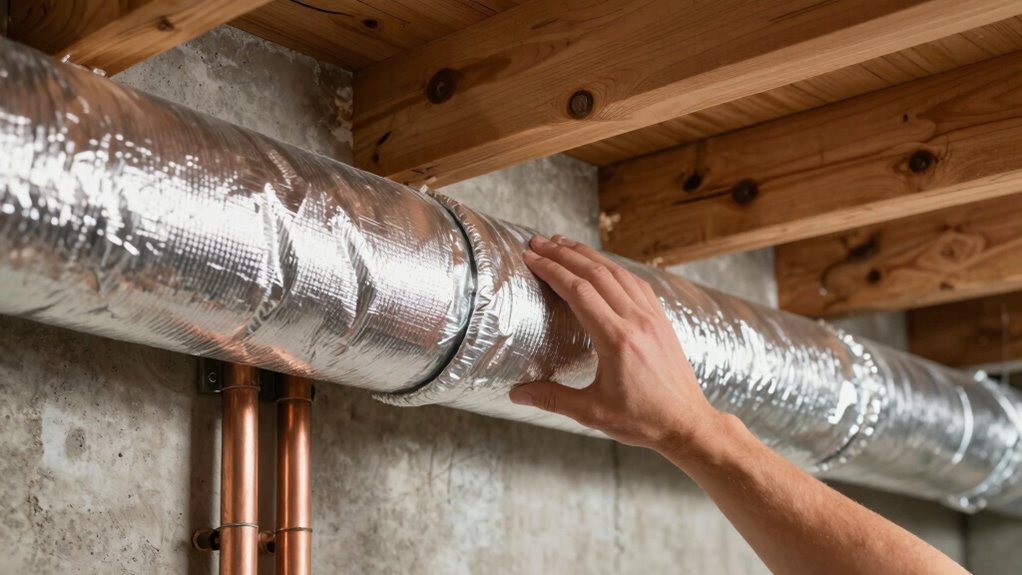
When selecting insulation materials for your pipes, consider the different types and their benefits, like foam, fiberglass, or reflective wraps. Make sure the material you choose works well with your climate to provide the best protection. Properly matching insulation to your environment helps prevent freezing and saves you money on repairs. Additionally, understanding local climate conditions can guide you toward choosing insulation that offers optimal protection against the cold. Incorporating auditory processing techniques can also help ensure proper installation and maintenance of your insulation system, especially if you or someone in your household has auditory sensitivities. Paying attention to insulation installation best practices ensures maximum effectiveness and durability of your chosen materials. Using appropriate insulation thickness is also crucial to effectively guard against cold temperatures and avoid thermal bridging. For optimal results, considering sound therapy principles can promote better installation practices and help maintain the integrity of your insulation over time.
Material Types and Benefits
Choosing the right insulation material for your pipes is essential to prevent freezing and damage during cold weather. Different pipe insulation types offer unique benefits, so understanding their features helps you make an informed choice.
- Foam tubing, easy to install, provides excellent thermal resistance.
- Fiberglass wraps, durable and resistant to mold, offer high insulation benefits.
- Rubber insulation, flexible and weather-resistant, suits irregular pipe shapes.
- Reflective foil, reflects heat away from pipes, enhancing insulation efficiency.
- Mineral wool, fire-resistant and soundproof, adds extra protection in critical areas. Selecting materials that are compatible with European cloud innovation and energy-efficient solutions can further improve overall system resilience.
Each material varies in cost, ease of installation, and insulation benefits, so consider your climate and specific needs when selecting. Proper insulation reduces heat loss and prevents pipes from freezing, saving you from costly repairs.
Additionally, choosing insulation with environmentally friendly properties can contribute to sustainability goals and reduce long-term environmental impact.
Incorporating sustainable insulation materials can also help lower your energy bills and support eco-conscious practices.
Considering the installation process and potential for future upgrades can ensure your insulation remains effective over time.
Compatibility With Climate
Selecting the right insulation material depends heavily on your climate. Climate-specific insulation guarantees your pipes stay protected in varying conditions. For colder regions, opt for thicker, more insulated materials that resist freezing temperatures. If you experience seasonal weather considerations, choose insulation suited for temperature fluctuations, like foam or fiberglass wraps that provide extra protection during winter. In milder climates, lighter options may suffice, reducing cost and installation effort. Always check the manufacturer’s recommendations for your specific climate zone. Properly matching insulation to your environment helps prevent freezing and pipe bursts. Additionally, understanding insulation performance in different conditions can guide you toward the most effective choice. Recognizing the thermal resistance of insulation materials is essential for optimal protection. Remember, the goal is to maintain a consistent temperature around your pipes, regardless of seasonal changes. By selecting insulation tailored to your climate, you ensure ideal protection year-round.
Insulating Pipes in Attics, Basements, and Crawl Spaces: Best Practices

Insulating pipes in attics, basements, and crawl spaces is essential for preventing freezing and costly repairs. Proper insulation keeps your pipes warm and reduces the risk of bursts. Use the right pipe insulation types, such as foam, fiberglass, or rubber, suited for these areas. Guarantee your attic has adequate ventilation to prevent moisture buildup and temperature fluctuations that can compromise insulation effectiveness.
Insulating pipes in attics, basements, and crawl spaces prevents freezing and costly repairs.
To picture the setup:
- Pipes wrapped with foam or fiberglass insulation
- Sealed gaps to prevent drafts
- Adequate attic ventilation system in place
- Pipes run along exterior walls or unheated zones
- Insulation extending to pipe joints and valves
Following these best practices helps maintain consistent temperatures, protecting your pipes from freezing during cold weather.
Tips for Protecting Outdoor and Garage Pipes From Freezing

To keep your outdoor and garage pipes from freezing, start by insulating outdoor faucets to prevent exposure to cold. Keep garage doors closed to maintain a warmer environment around your pipes, and make sure to drain any unused pipes to avoid water freezing inside. These simple steps can make a big difference in protecting your plumbing during cold weather.
Insulate Outdoor Faucets
Wondering how to keep outdoor faucets from freezing during cold weather? The key is proper insulation. Start by installing outdoor faucet covers; these are affordable, easy to use, and provide an extra barrier against the cold. Consider adding hose bib insulation, which wraps around the faucet and prevents heat loss. Before freezing temperatures hit, disconnect hoses to prevent trapped water from freezing and causing damage. Use foam pipe insulation around exposed pipes leading to outdoor faucets for added protection. Finally, check that covers and insulation are secure and in good condition. Keeping these steps in mind helps prevent frozen outdoor faucets, saving you from costly repairs and water damage during winter.
Keep Garage Doors Closed
Keeping garage doors closed during cold snaps is one of the simplest yet most effective ways to protect your pipes from freezing. An open garage can expose pipes to frigid outdoor temperatures, increasing the risk of burst pipes and costly repairs. By keeping the doors shut, you maintain a warmer environment, reducing the chance of freezing. This also enhances your garage security, preventing unauthorized access and protecting your belongings. Additionally, closed garage doors support driveway maintenance by minimizing snow or ice buildup around the entry points. Remember, a little effort to keep doors shut can save you from major headaches later. Regularly check that garage doors close fully and seal properly to maximize insulation and keep your pipes safe during the coldest months.
Drain Unused Pipes
Have you considered draining unused outdoor and garage pipes to prevent freezing? Draining these pipes is a simple yet effective step for frozen pipe prevention, especially during cold snaps. When you drain them, you reduce the risk of water freezing inside, which can cause pipes to burst. Remember, insulation importance is crucial, but combined with draining, it offers extra protection.
- Disconnect garden hoses and drain any remaining water
- Open outdoor faucet valves to release residual water
- Cap or cover outdoor spigots to keep cold air out
- Remove and store any temporary pipes or hoses
- Insulate exposed pipes in garages and outdoor areas
Common Mistakes to Avoid When Insulating Pipes

Insulating pipes is a crucial step in preventing freezing, but it’s easy to make mistakes that reduce its effectiveness. Common pitfalls include using the wrong insulation material or applying it unevenly. Insulation errors like gaps or compression leave spots exposed to cold. Also, neglecting to seal any gaps around pipe openings can compromise insulation. To avoid these mistakes, choose appropriate insulation and ensure a snug fit. The table below highlights key errors to watch out for:
| Mistake | Consequence | How to Avoid |
|---|---|---|
| Using improper material | Reduced insulation efficiency | Use materials rated for cold temps |
| Leaving gaps or overlaps | Cold spots, frozen pipes | Seal tightly and cover completely |
| Over-compressing insulation | Reduced effectiveness | Fit snugly without compression |
How to Check and Maintain Your Pipe Insulation During Winter

During winter, regularly checking your pipe insulation is essential to prevent freezing and costly repairs. Proper winter maintenance involves inspecting your pipe insulation for damage or gaps and making sure it remains secure. Here are key steps to keep your pipes protected:
- Look for cracks, tears, or worn spots in the insulation material.
- Check that insulation covers all exposed pipes, especially in unheated areas.
- Ensure insulation is snug and not loose or sagging.
- Look for signs of moisture or mold, which can reduce insulation effectiveness.
- Test for cold spots by feeling along the pipes on chilly days.
When to Call a Professional for Pipe Insulation Help

If you notice persistent drafts or cold spots around your pipes, it’s time to contemplate professional help. Signs like frequent leaks or insulation damage mean you should call an expert. Knowing when to seek assistance can prevent costly repairs and protect your home during winter.
Professional Inspection Necessity
Knowing when to call a professional can save you time and prevent costly damage. If you’re unsure about pipe insulation myths or feel overwhelmed with DIY insulation tips, it’s best to seek expert help. You should call a pro if:
- You notice persistent drafts or cold spots near pipes
- Insulation appears damaged or moldy
- Pipes are difficult to access or in tight spaces
- You’ve attempted DIY insulation tips without success
- There’s ongoing freezing despite your efforts
Professional inspections ensure your pipes are properly insulated and protected. Relying solely on DIY insulation tips without expert guidance might leave gaps or cause overlooked issues. When in doubt, a professional can identify hidden problems and provide tailored solutions to keep your pipes safe during winter.
Signs You Need Help
Ever wonder if your pipe insulation needs professional attention? If you notice persistent cold spots around your pipes, it’s a sign your insulation isn’t doing its job. During winter preparedness, properly insulated pipes should feel warm or neutral to the touch. If they’re still cold or feel damp, it’s time to call in a professional. Cracks, gaps, or visible damage to your existing insulation also indicate the need for expert help. Uninsulated or poorly insulated pipes are more prone to freezing and bursting, risking costly water damage. Don’t wait for a freeze to reveal the problem—address these signs early to protect your home and ensure your winter preparedness plan is effective. When in doubt, consulting a professional guarantees your pipes stay safe all season.
When to Seek Expert
When your pipe insulation shows signs of damage or fails to keep pipes warm, it’s time to call in a professional. Relying solely on DIY insulation tips can lead to pipe insulation myths, causing ineffective solutions. If you notice persistent cold spots, leaks, or frost buildup, a pro can assess and fix the issue properly. Also, if your pipes are in hard-to-reach areas or exposed to extreme cold, expert help guarantees proper insulation without risking damage. You should seek help if:
- Insulation materials are torn or deteriorated
- You’re unsure about the best insulation type
- Pipes are in uninsulated or poorly insulated spaces
- You experience frequent freezing despite DIY efforts
- You’re uncertain about insulation installation techniques
A professional ensures your pipes stay protected and prevents costly repairs.
Winter-Readiness Checklist for Your Pipes

To guarantee your pipes are ready for winter, start by inspecting all exposed plumbing for leaks, cracks, or damage. Address any issues immediately to prevent freezing. Avoid pipe insulation myths that suggest only outdoor pipes need protection; interior pipes are just as vulnerable. Use DIY insulation tips like foam sleeves or heat tape to insulate vulnerable areas effectively. Check for drafts or gaps around pipes and seal them with weatherstripping or caulk. Ensure your home’s thermostat stays consistent, ideally above 55°F, even when you’re away. Proper insulation not only prevents frozen pipes but also saves energy. By following this winter-readiness checklist, you can confidently protect your plumbing from the cold without relying solely on misconceptions about insulation.
Frequently Asked Questions
How Do I Determine the Right Insulation Thickness for My Pipes?
You determine the right insulation thickness by evaluating your pipe’s heat loss and climate. Generally, for colder areas, use thicker insulation, like 1/2 to 1 inch, to reduce heat loss effectively. Check your local building codes or consult with a professional for specific recommendations. Measure your pipe diameter and choose insulation that fits snugly without gaps, ensuring ideal protection against freezing temperatures.
Can Insulation Materials Cause Mold or Moisture Issues?
Think of insulation as a cozy sweater for your pipes; if you choose the wrong material, it can invite mold growth and moisture buildup. Some insulation types trap humidity, creating a damp environment that fosters mold. To prevent this, select mold-resistant materials and guarantee proper ventilation. Regularly inspect your insulation, keeping moisture out, so your pipes stay protected without risking mold or dampness taking hold.
Is Foam Pipe Insulation Suitable for Outdoor Use?
Yes, foam pipe insulation is suitable for outdoor use due to its good outdoor durability. When comparing materials, foam offers flexibility and ease of installation, but make certain you select a type specifically rated for outdoor environments to withstand weather conditions. This helps prevent freezing and bursting pipes. Always check the manufacturer’s specifications to confirm it’s designed for outdoor use, guaranteeing peak performance and longevity.
How Often Should I Inspect My Pipe Insulation During Winter?
You should inspect your pipe insulation at least once a month during winter—because who doesn’t love playing detective with frozen pipes? Regular insulation maintenance keeps your pipes safe and prevents surprises. Stick to a winter inspection schedule, especially before cold snaps, and look for cracks or gaps. Staying vigilant guarantees your pipes stay warm and your home stays dry, all without turning into a winter weather warrior.
What Are Cost-Effective Ways to Upgrade Existing Pipe Insulation?
To upgrade your existing pipe insulation cost-effectively, consider DIY upgrades like wrapping pipes with foam insulation sleeves or adding weatherproof tape. These budget solutions are simple, affordable, and improve insulation performance. You can also seal gaps with inexpensive spray foam or insulation tape. These small improvements can prevent freezing, save energy, and extend the lifespan of your pipes without breaking the bank.
Conclusion
By following these insulation tips, you’ll protect your pipes like a warm blanket in a cold wind. Staying proactive keeps winter frustrations at bay and prevents costly repairs. Regular checks and proper sealing are your best defense, so don’t wait until it’s too late. Think of your insulation efforts as a shield, quietly working to keep your home safe and dry all season long. Stay prepared, and enjoy a worry-free winter.