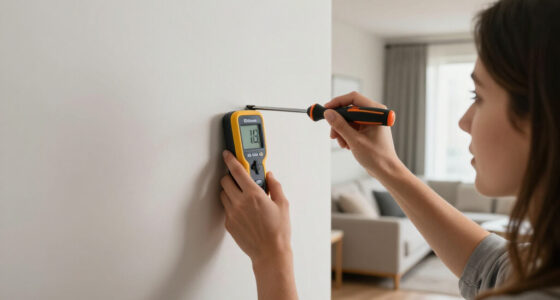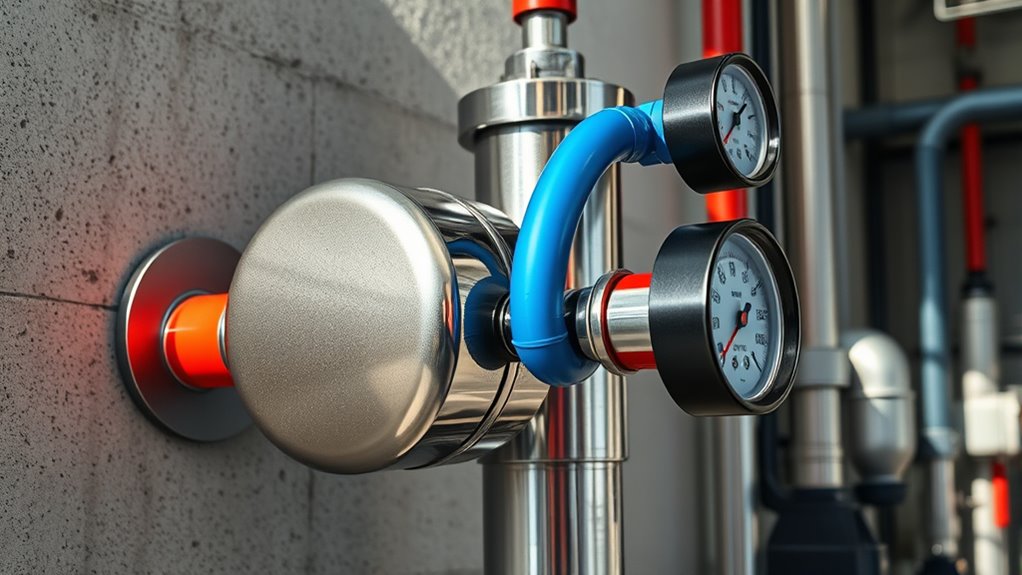

If your water pressure feels weak or drops unexpectedly during peak times, a booster pump might be what you need to restore consistent flow. Signs include slow faucets, uneven showers, or long wait times. Causes often involve clogged pipes, faulty regulators, or leaks. Installing a booster pump increases pressure, improves efficiency, and prevents frustration. Want to see if this solution fits your household? Keep exploring to learn how to pick the right pump for your needs.

Get furniture and decor delivered free with Prime
- Fast, free delivery on millions of items
- Prime Video, Amazon Music and more included
- Member-only deals all year
Key Takeaways
- Signs like weak water flow, inconsistent pressure, or long fixture wait times indicate a need for a booster pump.
- Common causes of low pressure include clogged pipes, sediment buildup, or faulty pressure regulation devices.
- Installing a booster pump is recommended during frequent pressure drops or high household water demand.
- Properly sizing and maintaining the pump ensures reliable water flow and prevents costly repairs.
- A booster pump enhances water pressure, improves efficiency, and supports consistent household water supply during peak usage.
booster pump for home water pressure
As an affiliate, we earn on qualifying purchases.
As an affiliate, we earn on qualifying purchases.
Signs That Your Water Pressure Is Insufficient
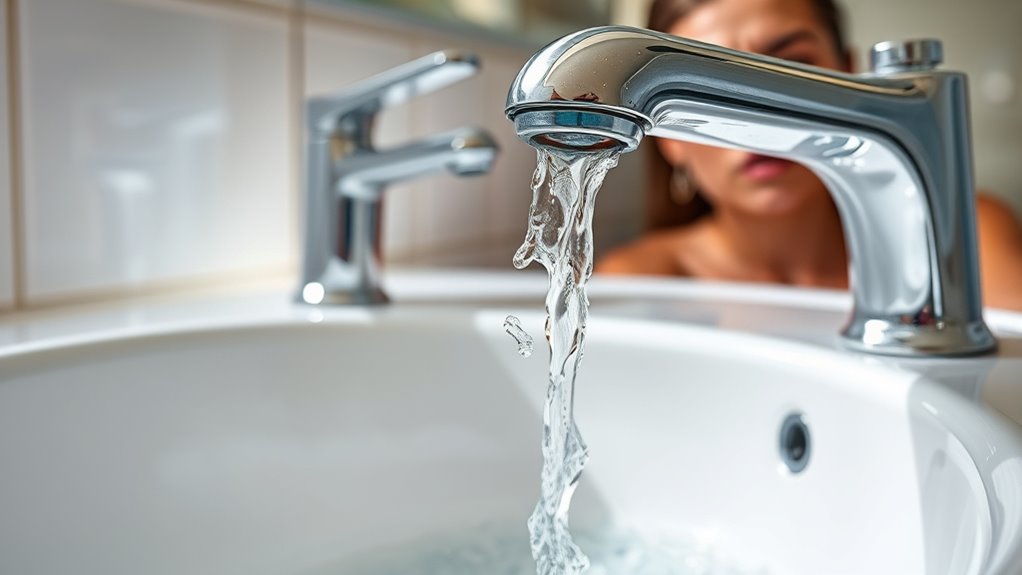
If your water flow suddenly becomes weak or inconsistent, it’s a clear sign that your water pressure might be insufficient. Low pressure can make everyday tasks frustrating, from washing dishes to showering. You may notice longer wait times or uneven water flow, which could be a sign you need to check your pump maintenance. Addressing low water pressure also ties into water conservation; inefficient flow wastes more water and energy. Regularly inspecting your pump ensures it operates efficiently, preventing unnecessary water loss. Additionally, AI technology in water management is increasingly being used to monitor and optimize water pressure systems, helping detect issues before they become critical. Proper pump maintenance and optimizing water use can improve pressure, saving you money and resources in the long run. Recognizing these indicators helps you decide if a booster pump could be the solution. Monitoring water pressure levels with smart systems can provide real-time feedback and prevent problems before they affect your daily routine, especially as automation becomes more integrated into household systems. Staying informed about pressure monitoring can further assist in maintaining optimal water flow and can help identify pressure drops early, preventing potential damage to plumbing fixtures.
Common Causes of Low Water Pressure at Home
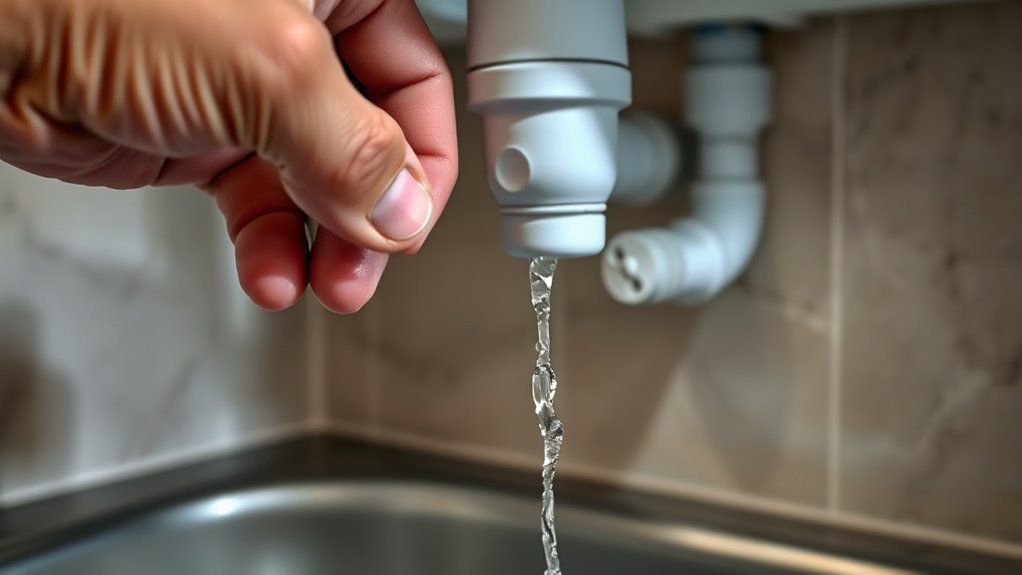
Low water pressure at home often stems from a variety of common issues that can be quickly identified and addressed. One frequent cause is a problem with water flow, which may result from clogged pipes, mineral buildup, or sediment accumulation. These obstructions restrict water movement, reducing overall pressure. Additionally, pressure regulation devices, like pressure regulators or valves, can malfunction or become worn out over time, leading to inconsistent or low water flow. Leaks in pipes or fixtures also decrease water pressure by diverting flow away from your faucets and showers. Understanding these common causes helps you diagnose the issue faster, allowing you to determine whether a booster pump might be necessary or if repairs can restore your home’s water pressure. Exploring best anime movies can also provide a relaxing way to unwind after troubleshooting plumbing issues. Furthermore, inspecting water pressure systems regularly can help prevent sudden drops in pressure and maintain consistent water flow throughout your home. Regular maintenance and awareness of water system components can also minimize unexpected pressure issues and extend the lifespan of your plumbing infrastructure. It is also important to consider the condition of pressure regulators, as faulty or outdated units can significantly impact water pressure levels. In addition, the presence of scale buildup inside pipes can further impede water flow, making cleaning or replacement necessary to restore optimal pressure.
How a Booster Pump Works and Its Benefits

A booster pump is a device designed to increase water pressure and flow in your home’s plumbing system. It works by actively boosting water flow, ensuring consistent pressure throughout your pipes. When water pressure drops, the pump kicks in, providing pressure regulation so you don’t face weak streams or inadequate flow. This helps maintain steady water delivery, whether you’re taking a shower, using appliances, or filling a bathtub. The pump’s motor draws water from the main supply and pushes it through your plumbing at higher pressure. Trustworthy brands and quality components are essential for reliable performance and longevity. Incorporating a booster pump can also help prevent low-pressure issues before they affect your daily routines. Proper installation and regular maintenance can maximize the pump’s energy efficiency and lifespan. Using a pump with real-time pressure monitoring can further optimize water delivery and prevent unnecessary wear. The benefits include improved water flow, reduced frustration, and protection against low-pressure issues. Installing a booster pump ensures your home’s water system performs reliably, even during periods of high demand or when your supply is limited. Additionally, choosing a system with advanced control features can enhance overall performance and user convenience.
Situations When Installing a Booster Pump Is Recommended
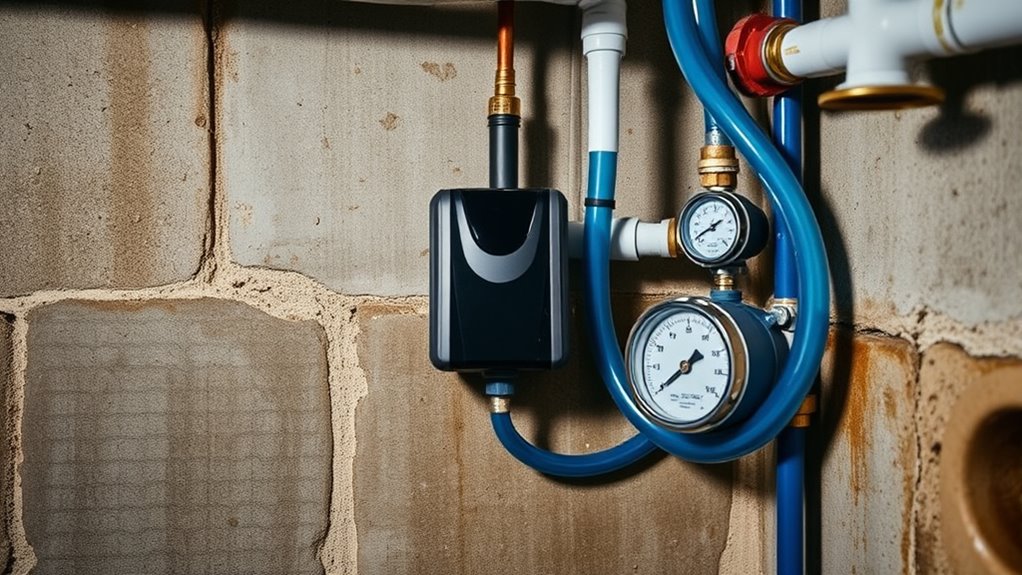
Installing a booster pump becomes vital when your home regularly experiences weak water pressure or inconsistent flow, especially during peak usage times. If your current setup limits alternative installation locations, a booster pump can help optimize water delivery without extensive plumbing changes. You should consider a booster pump if you notice frequent pressure drops or low flow in showers, faucets, or appliances. Proper booster pump maintenance is essential to ensure reliable operation and prevent breakdowns. Regular checks, cleaning filters, and inspecting for leaks will extend its lifespan. In some cases, installing a booster pump near the main water line or at specific points in your plumbing system can improve performance. Recognizing these situations helps you decide when a booster pump can provide a consistent, strong water supply for your household. Additionally, understanding water pressure standards can help determine if a booster pump is necessary for your system. Furthermore, upgrading to a high-quality pump can enhance durability and efficiency, saving you money in the long run. Regularly monitoring system performance can help identify when maintenance or upgrades are needed to keep your water pressure optimal. For example, choosing a pump with the appropriate flow rate ensures it meets your household’s water demands effectively.
Choosing the Right Booster Pump for Your Household
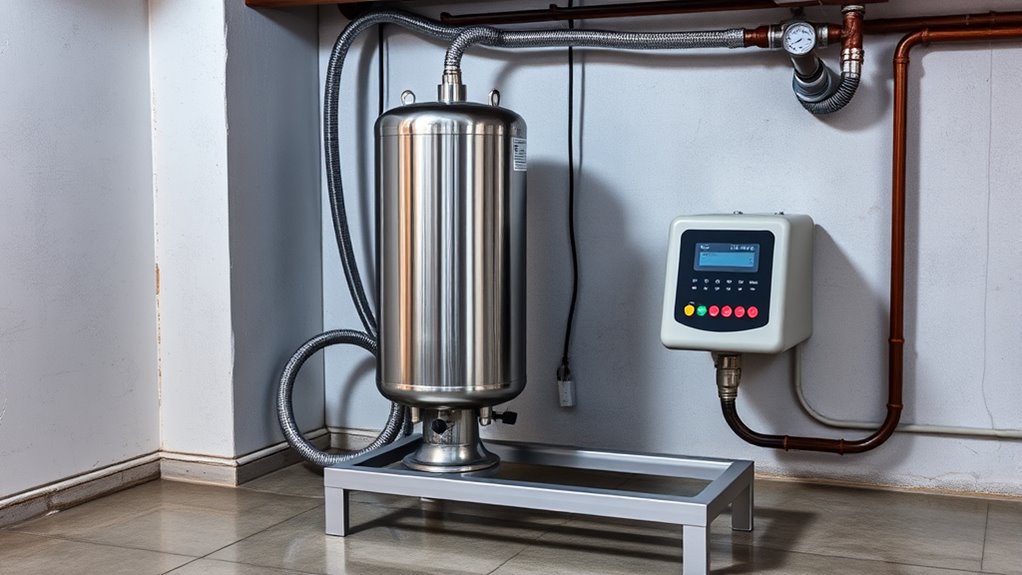
Choosing the right booster pump for your household involves evaluating your water demand and system specifications to guarantee ideal performance. First, consider your daily water usage to select a pump with appropriate capacity, avoiding over- or under-pumping. An efficient pump helps conserve water by maintaining steady pressure without excess flow, supporting your water conservation goals. Additionally, choose a pump that’s easy to access for regular pump maintenance, which prolongs its lifespan and ensures reliable operation. Proper maintenance is vital for preventing issues caused by staffing shortages or lack of regular service, which can impair pump function. Regular maintenance also helps ensure that components like ground loop systems and other parts operate efficiently, especially in systems integrated with heat pumps. Incorporating data-driven strategies can help you make smarter choices about pump operation and performance. Paying attention to energy efficiency ratings can reduce long-term costs. Properly sized and maintained booster pumps optimize water flow while minimizing waste, saving you money and supporting sustainable water use. The type of pump technology you select can also influence overall efficiency and performance. Making an informed choice now prevents future issues and guarantees your household always has adequate water pressure. Additionally, understanding the lifestyle aspects of household water use can help tailor your pump system to meet your specific needs more effectively.
Frequently Asked Questions
How Long Does a Typical Booster Pump Last?
A typical booster pump lasts about 5 to 10 years, depending on usage and maintenance. You should expect the pump’s lifespan to influence its replacement frequency; regular servicing can extend its life. Keep an eye on performance issues like decreased water pressure or unusual noises, which might indicate it’s time for a replacement. Proper care guarantees your booster pump operates efficiently and lasts as long as possible.
What Is the Installation Process for a Booster Pump?
Imagine the pump as the heart of your water system, pulsing life into your pipes. You’ll start by choosing the right pump placement—ideally near the water source and before the pressure tank. Then, connect electrical wiring carefully, ensuring safety and proper power supply. Secure the pump firmly, double-check connections, and test it to make sure it’s working smoothly. Proper installation keeps your water pressure steady and reliable.
Can a Booster Pump Increase Water Pressure in All Fixtures?
A booster pump can markedly improve water flow and pressure in your home’s fixtures. It works by increasing pressure, ensuring consistent flow for showers, faucets, and appliances. However, it might not uniformly boost pressure for all fixtures if there are underlying plumbing issues or if the pump isn’t properly sized. Overall, a booster pump effectively enhances pressure, but its impact depends on your system’s specific setup and needs.
Are There Any Maintenance Requirements for Booster Pumps?
You might worry about complex maintenance, but a booster pump actually requires simple upkeep. Follow a regular maintenance schedule, including checking for leaks, listening for unusual noises, and inspecting filters. Troubleshooting tips like cleaning or replacing filters help prevent breakdowns. With minimal effort, you guarantee your booster pump runs smoothly, providing consistent water pressure and avoiding costly repairs, so you can enjoy reliable water flow without stress or surprises.
How Much Does a Booster Pump Typically Cost?
When considering a booster pump, you’ll want to think about the cost considerations. Typically, the price range for a booster pump varies from $200 to $1,200, depending on its size, capacity, and features. You might find more affordable models for small-scale needs, but larger or more advanced pumps can cost more. Always compare options and consider installation costs to guarantee you get the best value for your investment.
Conclusion
If you’re experiencing consistently low water pressure, a booster pump could be your solution. Did you know that over 10% of households struggle with inadequate water flow? Installing a booster pump can improve your daily routines, saving you time and frustration. Consider your home’s specific needs and choose the right model. Don’t let poor water pressure drain your patience—upgrade today for reliable, strong water flow whenever you need it.
Halloween Picks
halloween
As an affiliate, we earn on qualifying purchases.