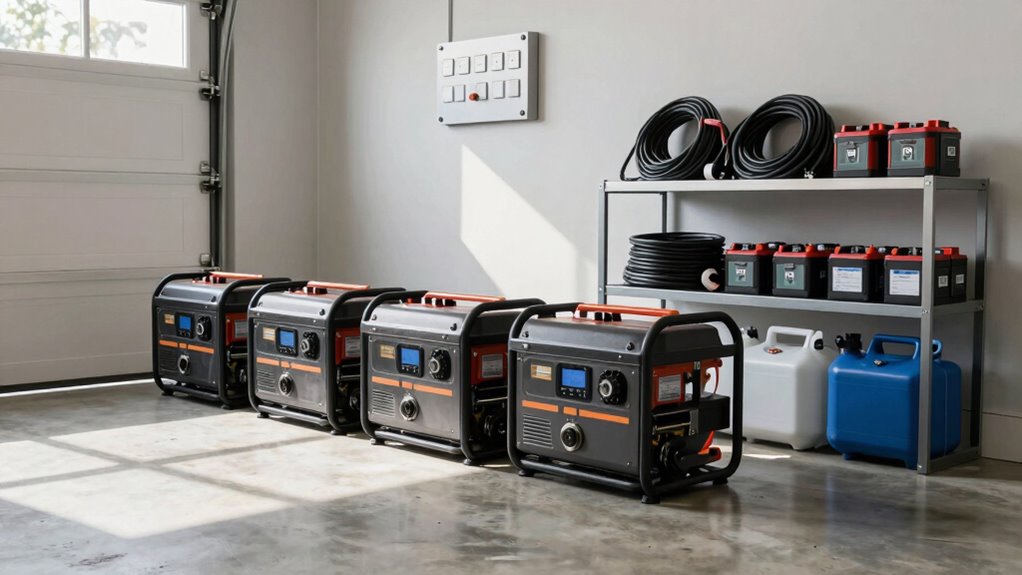

To plan your home backup power effectively, start by evaluating your household’s energy needs during peak times and identifying essential appliances. Incorporate renewable sources like solar panels or small wind turbines to reduce reliance on the grid. Regularly maintain your backup system, including batteries and generators, to ensure reliability. Stay informed about new technologies and upgrade options to improve efficiency over time. If you’re curious about detailed strategies, keep exploring to get the full picture.

Get furniture and decor delivered free with Prime
- Fast, free delivery on millions of items
- Prime Video, Amazon Music and more included
- Member-only deals all year
Key Takeaways
- Assess your household’s peak energy consumption to determine appropriate backup system capacity.
- Explore renewable options like solar panels and small wind turbines to enhance sustainability.
- Regularly maintain and inspect backup components to ensure readiness and longevity.
- Monitor performance data to optimize system efficiency and plan timely upgrades.
- Stay informed about new technologies and innovations to improve backup power reliability and cost-effectiveness.
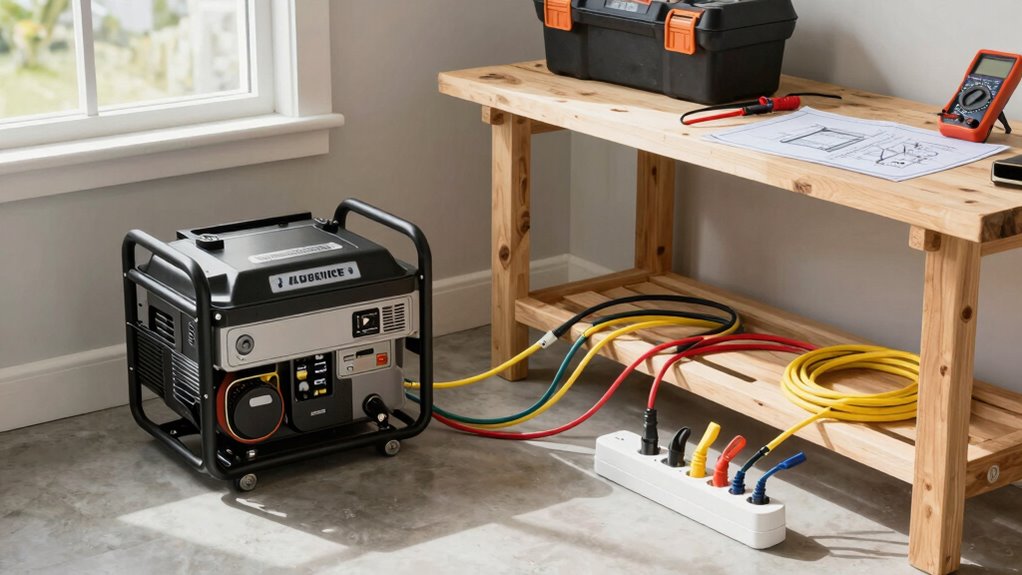
Are you prepared for unexpected power outages? Planning your home backup power system now can save you stress and inconvenience when the lights go out unexpectedly. Start by understanding your energy needs and exploring options that incorporate renewable sources, such as solar panels or small wind turbines. These sustainable solutions can reduce your reliance on traditional power grids and, over time, lower your energy costs. When considering renewable sources, think about how much energy your household consumes during peak times and plan your backup system accordingly. This guarantees that your essential appliances and devices stay powered without over-investing in unnecessary capacity.
Plan your backup system by assessing energy needs and choosing renewable options to ensure reliable power during outages.
Once you’ve determined your power requirements, it’s vital to prioritize regular maintenance schedules for your backup system. This is especially important if you choose solar batteries or generators, which need periodic inspections to guarantee peak performance. Scheduling routine check-ups can prevent unexpected failures when you need backup power the most. For example, solar batteries should be tested and cleaned regularly, and inverters should be inspected for corrosion or damage. Generators, whether gas or propane-powered, require fuel stability checks and oil changes. Keeping a detailed log of maintenance activities can help you stay on top of these schedules and avoid surprises during outages. Additionally, understanding the performance and lifespan of your backup components can help you plan for timely replacements and upgrades. Regularly evaluating the cost-effectiveness of your backup system can also ensure that you’re making the most efficient investment in your home’s energy resilience. Incorporating renewable energy options into your backup plan can further enhance your system’s sustainability and long-term savings. Moreover, being aware of innovative technologies can help you identify new opportunities to improve your backup system’s efficiency over time.
As an affiliate, we earn on qualifying purchases.
Frequently Asked Questions
How Much Does a Home Backup Power System Typically Cost?
A home backup power system typically costs between $3,000 and $8,000, depending on battery capacity and fuel types. Smaller systems with limited battery capacity are more affordable, while larger units with higher capacity and versatile fuel options like natural gas or propane cost more. You should consider your energy needs and preferred fuel types to choose a system that balances cost and performance effectively.
Can I Install a Backup Power System Myself?
You can attempt DIY installation of a backup power system, but it’s vital to follow safety precautions. If you have electrical experience, you might handle simple setups, but more complex systems require professional skills. Always shut off main power, use proper tools, and adhere to local codes. If you’re unsure, hiring a licensed electrician ensures safe, compliant installation, preventing potential hazards during outages.
How Long Can a Backup Generator Run Continuously?
A backup generator can run continuously for about 8 to 24 hours, depending on its fuel capacity and load. If your generator runs on diesel, gasoline, or propane, you’ll need to monitor fuel levels during a power outage and refill as needed. Keep in mind, running it too long without breaks can cause overheating or wear, so plan for regular maintenance and fuel refills during extended outages.
What Maintenance Is Required for Backup Power Systems?
Oh, sure, just forget about maintenance—what could possibly go wrong? In reality, you should follow a strict maintenance schedule, checking fuel efficiency, oil levels, and spark plugs regularly. Keep the system clean, replace filters as needed, and test run it occasionally to guarantee reliability. Neglecting this can turn your backup power into a very expensive paperweight, so stay proactive and keep your system in top shape.
Are There Government Incentives for Backup Power Installation?
Yes, there are government incentives for backup power installation. Many programs promote renewable energy and offer rebates or tax credits to help offset costs. You can check local, state, or federal programs, as they often provide government rebates for installing solar-powered backup systems or other renewable energy solutions. Taking advantage of these incentives can make setting up your backup power system more affordable and environmentally friendly.
Conclusion
Now that you’re armed with a plan, you’re like a captain steering your ship through stormy waters, ready to weather any blackout. With backup power in place, your home becomes a fortress of comfort amid the darkness, glowing like a lighthouse guiding you safely through the night. So, prepare today, and turn uncertainty into confidence—because when the power goes out, you’ll be the one shining brightest, unshaken and ready for anything.
Halloween Picks
halloween
As an affiliate, we earn on qualifying purchases.