To patch a hole in drywall seamlessly, first prepare the surface by inserting your patch and securing it flush with the wall. Spread thin coats of joint compound with a taping knife, feathering the edges beyond the patch for a smooth blend. Allow each coat to dry completely and sand gently with fine-grit paper. Focus on blending the edges into the wall for an invisible finish. Keep going, and you’ll master flawless drywall repairs that look professional.
Key Takeaways
- Prepare the surface by inserting the patch and securing it flush with drywall using screws or adhesive.
- Apply multiple thin coats of joint compound, feathering beyond the patch edges for a seamless transition.
- Sand gently with fine-grit sandpaper, blending edges into the wall for a smooth, even finish.
- Use careful, gradual application and sanding techniques to make the repair virtually invisible.
- Inspect and smooth the surface thoroughly before priming and painting for a professional, seamless look.
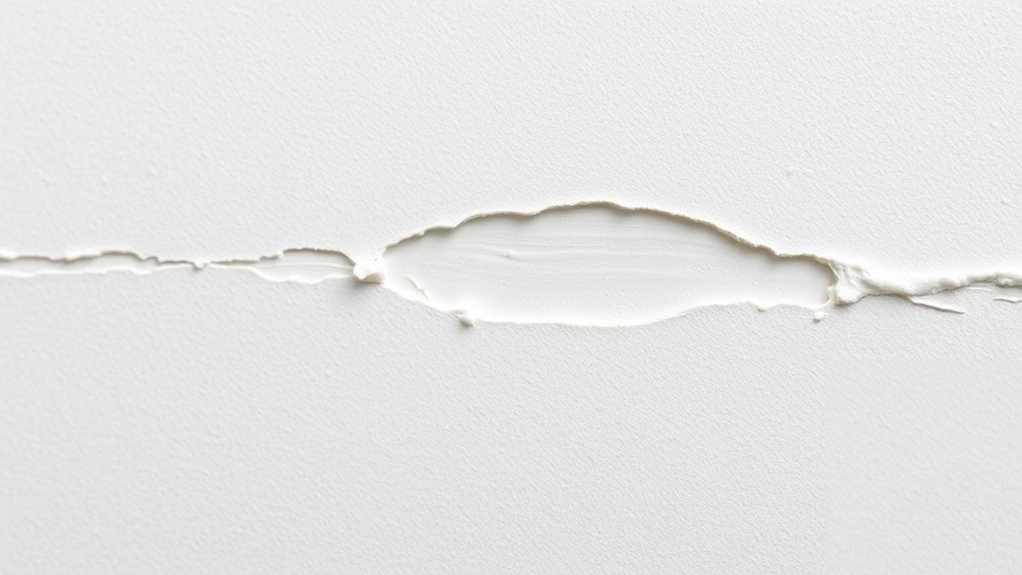
Patching drywall seamlessly is essential for achieving a professional-looking finish that’s almost invisible. When repairing a hole, your goal is to make the repair blend perfectly with the surrounding wall, so it’s hard to tell where the damage was. The key to this is using the right tools and techniques, especially when it comes to applying joint compound and sanding. These steps might seem simple, but they require patience and a steady hand to get perfect results.
Once you’ve inserted your patch and secured it with drywall screws or adhesive, the next step is applying joint compound. This compound is designed to fill seams and smooth out the surface, creating a seamless transition between the patch and existing drywall. Use a putty knife or a taping knife to spread the joint compound evenly over the patched area, feathering the edges beyond the repair site. Applying multiple thin coats is better than one thick layer, as it dries faster and reduces the risk of cracking or uneven surfaces. Allow each coat to dry thoroughly before applying the next; this might take a few hours to overnight, depending on the compound and conditions.
Apply multiple thin coats of joint compound for a seamless drywall repair.
When it comes to sanding, your goal is to achieve a smooth, even surface without gouging the drywall or creating noticeable dips. Sand using fine-grit sandpaper or a sanding sponge, and always use gentle, circular motions. Avoid pressing too hard, as this can remove too much joint compound or create gouges. Instead, focus on blending the edges of the repair into the existing wall. After each sanding session, wipe down the area with a damp cloth to remove dust, which can interfere with the next coat of joint compound or paint. Repeating this process — careful sanding techniques — helps ensure a flawless finish. Repeat the process—apply another thin coat of joint compound if needed, then sand again—until the patch is flush with the wall and the surface is even.
Patience during this process is vital. Rushing through the sanding can result in a rough finish that’s visible once painted. Take your time, inspect your work from different angles, and make small adjustments. With proper application of joint compound and diligent sanding techniques, you’ll be able to patch drywall seamlessly, leaving behind a smooth surface that looks as if there was never any damage. This careful approach guarantees your repair is invisible, giving your wall a flawless finish that’s ready for primer and paint.
Frequently Asked Questions
How Long Does a Drywall Patch Last Before Needing Repair?
A drywall patch typically lasts between 10 to 15 years, depending on drywall durability and how well you applied the patch. If you used proper techniques and quality materials, your patch’s longevity should be maximized. Regularly inspect the area for cracks or damage, and address issues early to extend the patch’s durability. With proper care, your drywall patch can remain seamless and sturdy for many years.
Can I Paint Over the Patch Immediately After Drying?
Did you know that most drywall patches take about 24 hours to fully dry? You can paint over the patch once it’s dry, but make sure to check paint compatibility first. Rushing the drying time can cause cracking or peeling later. Wait until the patch is completely dry, then lightly sand it for a smooth finish. This guarantees your paint adheres properly and your repair looks seamless.
What Tools Are Essential for Seamless Drywall Patching?
You’ll need a putty knife to apply joint compound smoothly, a sanding block to level the patched area, and a drywall saw for cutting the patch. A taping knife helps blend the joint compound seamlessly, while a sponge can smooth the surface. These tools guarantee a professional finish, making your patch nearly invisible. Keep your tools clean and dry for the best results and easy application.
How Do I Match the Wall Texture After Patching?
You might think matching wall texture after patching is tough, but it’s manageable with patience. Start by identifying your wall texture techniques—whether it’s spray, skip trowel, or knockdown. To blend seamlessly, practice finishing drywall with your chosen technique on scrap before applying it to your repair. Lightly sand and feather the edges, then carefully apply the texture. With consistent effort, your patched area will blend in perfectly.
Is It Better to Hire a Professional or DIY for Large Patches?
For large patches, hiring a professional is usually better because of the skill level required to guarantee a seamless finish. While DIY might save money upfront, the cost comparison shows that mistakes can lead to more repairs later. Professionals have the experience to match textures and finish quickly, saving you time and potential frustration. If you’re confident in your skills, DIY is an option, but for best results, a pro’s expertise makes a difference.
Conclusion
Once you’ve patched your drywall, remember that each repair symbolizes your ability to restore harmony within your space. Like a painter blending colors seamlessly, your effort mends more than just a hole—it restores the home’s soul. With patience and care, you turn a simple fix into a work of art, embodying the idea that even the smallest act of repair can symbolize renewal and resilience. Embrace the process, and let your home reflect your dedication to wholeness.