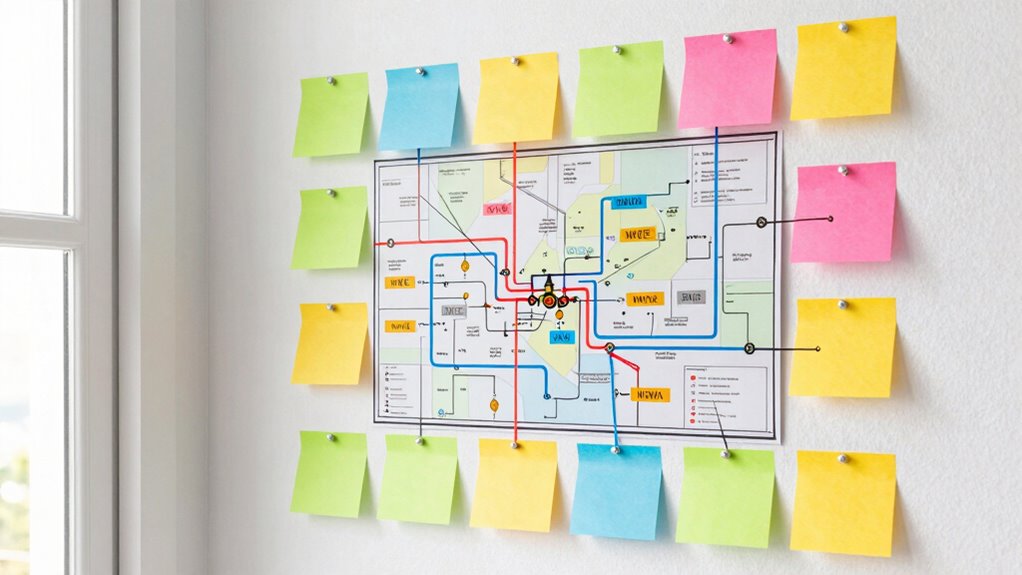
Creating a shutoff map helps you quickly locate your water, gas, and electrical valves during emergencies, reducing damage and hazards. Make certain to identify all key shutoff points, label them clearly, and keep the map accessible in an easy-to-find spot. Regularly update it after home changes or maintenance. Practicing how to use the map ensures everyone knows what to do fast. Keep exploring to learn the best ways to stay prepared and safe.
Key Takeaways
- Create a detailed map marking all main water, gas, and electrical shutoff valves with clear labels and symbols.
- Locate and practice shutting off each utility, especially the main valves, to ensure quick response during emergencies.
- Keep physical and digital copies of the map in accessible locations and review regularly for updates.
- Incorporate safety features like fire extinguishers and escape routes into the map for comprehensive emergency preparedness.
- Regularly inspect, update, and practice emergency procedures to ensure the map remains accurate and useful.
Why Every Homeowner Needs a Shutoff Map
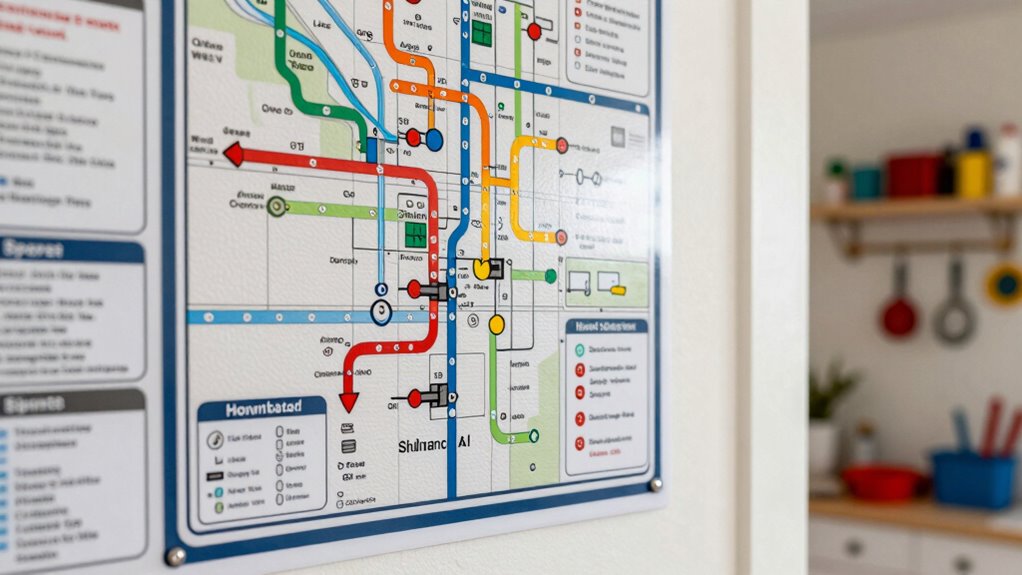
Having a shutoff map is crucial because it helps you quickly locate the main water, gas, and electrical shutoff valves during an emergency. Being prepared enhances your home safety and minimizes damage from leaks, fires, or flooding. When an urgent situation arises, time is critical, and knowing exactly where these valves are saves precious seconds. A well-made shutoff map ensures everyone in your household can act swiftly, even if you’re not home. It also supports emergency preparedness, which is essential for protecting your property and loved ones. Additionally, understanding the role of contrast ratio in your home’s electrical and plumbing systems can help identify potential issues early on. Understanding the importance of clear labeling on shutoff valves can further reduce response time during crises. Ultimately, a shutoff map empowers you to respond confidently, safeguarding your home and loved ones when it matters most.
How to Identify Water, Gas, and Electrical Shutoff Valves
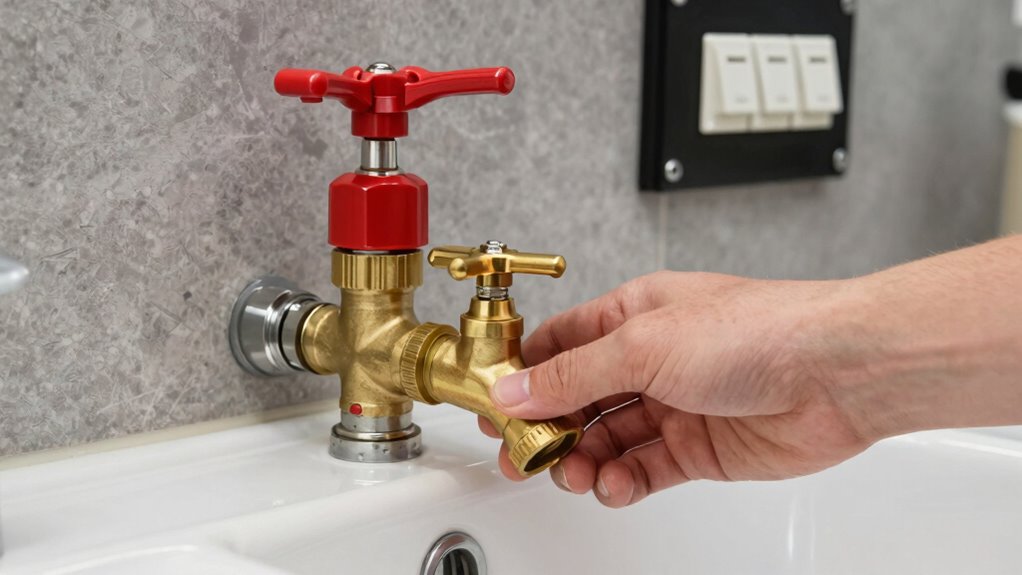
How can you easily identify the main water, gas, and electrical shutoff valves in your home? Knowing their locations is essential for emergency preparedness and home safety. Typically, water shutoff valves are found near the main water meter or where the main line enters your house. Gas valves are usually located near the gas meter or appliance lines, often with a lever or knob. Electrical shutoff switches are generally in your basement, utility closet, or near your electrical panel. Use this table as a quick reference:
| Shutoff Type | Location | Identification Method |
|---|---|---|
| Water | Near water meter | Valve handle or knob |
| Gas | Near gas meter or appliances | Lever or round knob |
| Electrical | Near breaker box | Switch or breaker |
Memorize these spots for swift action when needed. Additionally, understanding home safety measures can help you respond more effectively during emergencies. Knowing how to quickly locate these shutoff valves can prevent extensive damage and ensure safety during unexpected incidents. Being familiar with the common locations of shutoff valves in your home can further improve your response time in emergencies. To make this process even easier, consider creating a shutoff map and marking these locations visibly for quick access.
How to Create a Clear and Accurate Shutoff Map

Creating a clear and accurate shutoff map starts with thoroughly inspecting your home to locate all main shutoff valves for water, gas, and electricity. Label each valve precisely and note its position on your map. Use clear symbols and color codes to distinguish between systems, ensuring quick recognition during emergencies. Incorporate fire safety measures by marking fire extinguisher locations and escape routes alongside shutoff points. This way, your map supports effective emergency planning, allowing you or others to shut off utilities quickly in a crisis. Additionally, understanding system layout can help you identify the most accessible shutoff points for each utility. Familiarity with emergency response procedures can further improve your safety and response time. Keep your map in a visible, accessible spot, and review it regularly to update any changes. A well-crafted map minimizes confusion, speeds up response times, and enhances your overall safety during emergencies. Incorporating home safety assessments can help identify potential hazards and improve your emergency preparedness. Conducting regular safety reviews ensures your map remains current and reliable in urgent situations. Regularly practicing emergency drills using your map can also ensure everyone knows how to respond effectively when it counts.
The Tools and Materials You Need for Your Shutoff Map
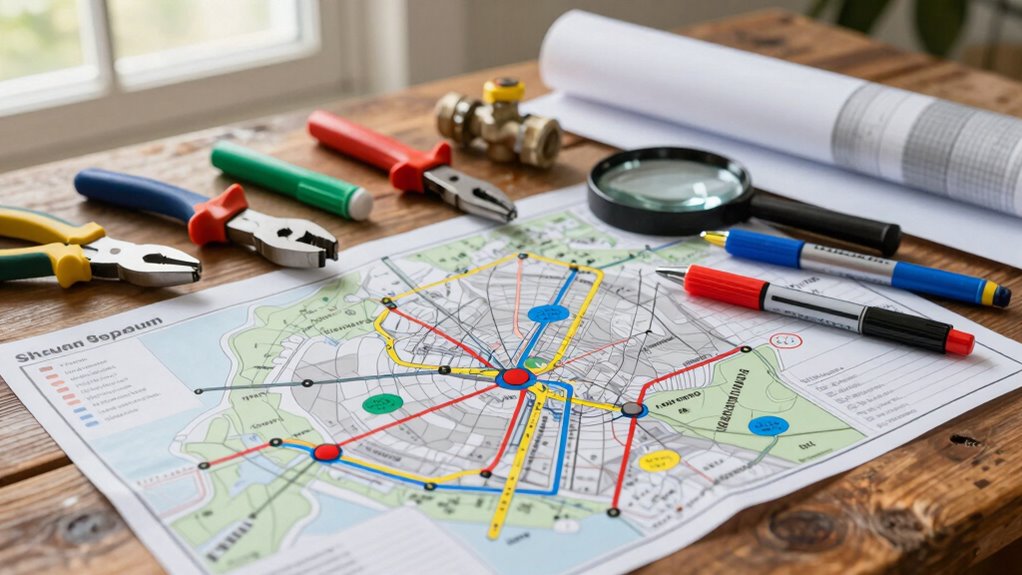
To make an accurate and effective shutoff map, you’ll need the right tools and materials. Start with a detailed floor plan of your home, which will serve as your base. Use a fine-tip permanent marker to clearly mark shutoff points and incorporate utility labels for each valve, appliance, or fixture. Have a set of safety symbols on hand to indicate hazards or special instructions, ensuring clarity. A ruler or straightedge helps keep lines precise, while adhesive labels or tags can be used for temporary markings during updates. Keep a flashlight nearby for dim areas, and use a camera or smartphone to take reference photos. Additionally, integrating smart home technology into your shutoff map can provide real-time monitoring and remote control capabilities, enhancing safety and convenience. Using digital mapping tools can further improve accuracy and ease of updates, ensuring your shutoff map remains current and reliable. Incorporating clear labeling techniques will help you create a well-organized and easy-to-understand map that improves safety and response time. To ensure the map remains effective over time, consider incorporating home automation features that can alert you to issues before manual checks are needed. Regularly reviewing and updating your map ensures it stays up-to-date, especially after renovations or repairs.
How to Label and Mark Shutoff Points Clearly

Clear labeling and marking of shutoff points are essential for quick identification during emergencies. Use color coding to differentiate types of shutoff valves—red for water, yellow for gas, and blue for electrical panels. This visual system helps you and others recognize shutoff points instantly. Guarantee labels are clear and legible, using large, bold fonts that can be read from a distance. Write concise descriptions, such as “Main Water Shutoff” or “Gas Valve,” and attach them directly to the shutoff points with weather-resistant labels or tags. Consistent color coding and label clarity reduce confusion and save valuable time when seconds count. Regularly review and update your labels to guarantee they remain visible and accurate. Proper marking makes your shutoff map a truly effective safety tool. Incorporating proper application techniques ensures labels stay in place and remain legible over time. Additionally, selecting appropriate labeling materials can further enhance durability and resistance to environmental elements. Using weatherproof labels is especially important for outdoor shutoff points to withstand exposure to rain, sun, and temperature fluctuations.
How to Keep Your Shutoff Map Up to Date and Accessible
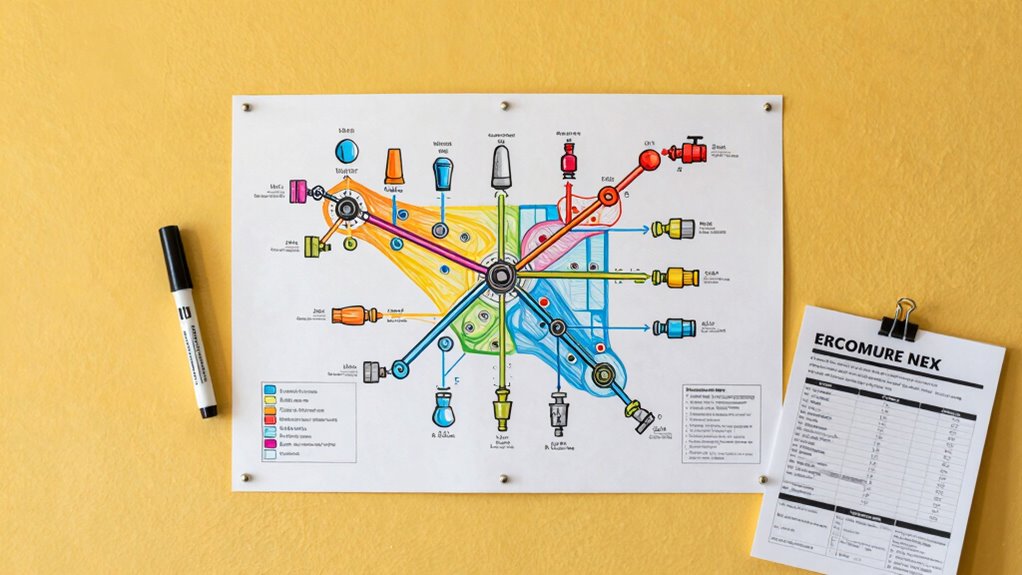
Once you’ve labeled and marked your shutoff points, keeping your map current guarantees it remains a reliable safety resource. Regular maintenance checks help verify all shutoff points are still accessible and functioning properly. Schedule periodic inspections to catch any issues early and ensure your shutoff system remains effective. Update your map immediately if you install new shutoff valves or relocate existing ones. Incorporating accurate emergency information into your map ensures you can respond effectively during a crisis. Incorporating clear labeling and detailed descriptions of shutoff locations can prevent delays during emergencies. Incorporate these changes into your emergency planning, so you’re always prepared during a crisis. Store a physical copy of your map in a known, accessible location—such as a kitchen drawer or a safe. Digital copies stored on your phone or cloud service can provide quick access if needed. Periodic reviews, especially after renovations or emergencies, keep your map accurate and useful. Staying proactive ensures you’re ready to act swiftly and confidently when every second counts. Proper shutoff procedures are essential for minimizing damage during plumbing or electrical emergencies.
How to Practice Shutoff Procedures Using Your Map
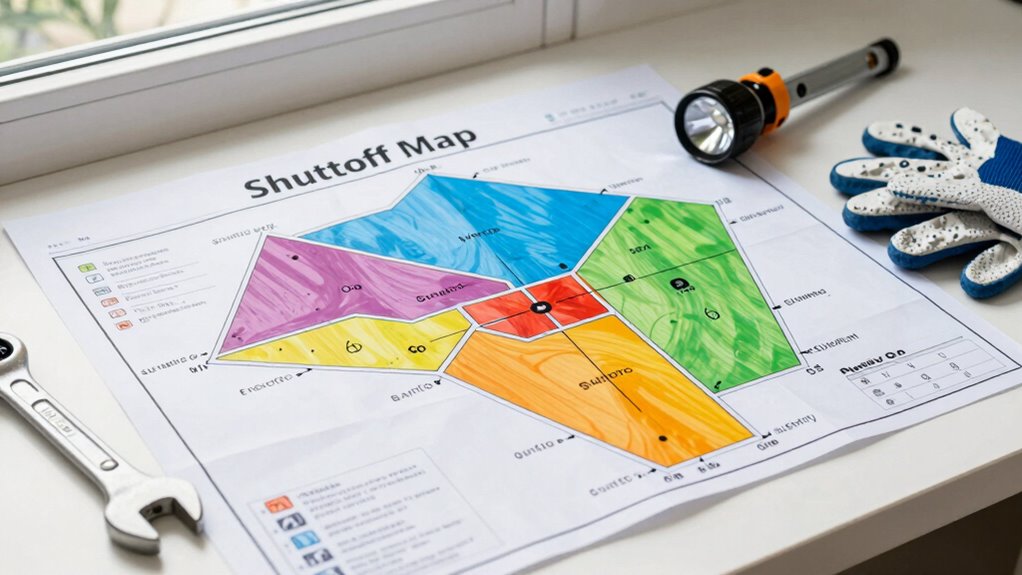
To guarantee you’re prepared, practice locating your main shutoff valve using your map. Then, follow the steps to turn off your water supply quickly and confidently. Regular drills help you respond swiftly in an emergency situation. Remember, understanding your home’s water shutoff system ensures you can act efficiently when every second counts. Additionally, familiarize yourself with common shutoff locations so you can find the valve even if your usual spot is inaccessible.
Locate Main Shutoff Valve
Have you located the main shutoff valve on your map yet? Knowing the valve location is vital for emergency preparedness. Your main shutoff valve is typically found near the perimeter of your home, often in the basement, garage, or utility area. Take the time now to identify and mark its exact position on your map. Being familiar with its location guarantees you can turn off the water quickly in a crisis, preventing further damage. Practice locating the valve so you’re comfortable doing it under stress. Remember, in an emergency, every second counts. Having a clear, marked map helps you act swiftly and confidently, reducing panic and damage. Make sure everyone in your household knows where the main shutoff valve is located.
Practice Turnoff Procedures
Practicing turnoff procedures regularly guarantees you’re prepared to act quickly during an emergency. By routinely rehearsing how to shut off your main water, gas, and electrical supplies using your shutoff map, you bolster your emergency preparedness and enhance home safety. Schedule mock drills at least twice a year, walking through each step calmly and confidently. Ensure everyone in your household knows exactly where the shutoff valves are located and how to operate them. Use your map as a visual guide during practice to reinforce memory and reduce hesitation. These drills help you identify any obstacles or confusion, allowing you to correct them before an actual emergency occurs. Consistent practice ensures you’ll respond swiftly and effectively, minimizing damage and protecting your loved ones.
Common Mistakes to Avoid When Making Your Shutoff Map

Many homeowners forget to mark all key valves on their shutoff map, which can cause delays during emergencies. Ignoring future access needs might lead to blocked pathways or difficulty reaching valves later. To make your map effective, guarantee you include every essential valve and plan for easy access in the future.
Overlooking Key Valves
Are you sure you’ve identified all the critical valves in your home? Overlooking key valves is a common mistake that can lead to serious issues during emergencies. Make certain you include main water shutoff valves, appliance-specific valves, and outdoor faucets. Neglecting these could delay your response when fast action is needed. Regular valve maintenance ensures they function properly, avoiding leaks or failures when you rely on them most. Also, keep a list of emergency contacts nearby, including plumbers and local utility providers, in case you need professional help. Don’t rely solely on memory—marking all these valves clearly on your shutoff map prevents confusion during stressful situations. An all-encompassing map with all key valves and contacts saves valuable time and helps protect your home effectively.
Ignoring Future Access
Have you considered how you’ll access your shutoff valves in the future? Ignoring future access can hinder emergency planning and compromise fire safety. If your shutoff valves are blocked by furniture, stored items, or landscaping, you risk delaying critical action during a crisis. In an emergency, every second counts, and easy access to shutoff points can prevent water damage or prevent a fire from worsening. When creating your shutoff map, ensure pathways remain clear and valve locations are visible. Regularly review and update your plan, especially after renovations or changes to your home. Neglecting future access not only jeopardizes safety but also complicates routine maintenance. Prioritize unobstructed, well-marked shutoff valves to streamline emergency response and enhance overall fire safety.
Benefits of Having a Well-Prepared Shutoff Map During Emergencies

Having a well-prepared shutoff map can be a lifesaver during emergencies, allowing you to quickly locate and turn off vital utilities like gas, water, and electricity. This enhances hazard identification and streamlines emergency planning, reducing confusion during stressful moments. With a clear map, you can:
- Minimize damage by shutting off utilities promptly
- Protect your family from potential hazards like gas leaks
- Save valuable time during evacuations
- Guarantee swift communication with emergency responders
Frequently Asked Questions
How Often Should I Review and Update My Shutoff Map?
You should review and update your shutoff map at least once a year to guarantee it’s current for utility maintenance and emergency preparedness. Regular updates help you stay aware of any changes in your plumbing or utility setups, making it easier to act quickly during emergencies. Keep track of repairs, replacements, or new appliances, so your map accurately reflects your home’s current layout. This proactive approach minimizes damage and enhances safety.
What Are the Best Practices for Storing My Shutoff Map Safely?
You should store your shutoff map in a secure, physically protected spot, like a locked safe or a fireproof box, to prevent theft or damage. Remember, backup storage is essential—consider keeping a digital copy on an encrypted drive or cloud service. This way, even if your primary copy is compromised, you’ll still have access to your critical information during emergencies. Protect your map like your most valuable asset.
Can I Create a Digital Version of My Shutoff Map?
Yes, you can create a digital version of your shutoff map for better emergency preparedness. Use digital mapping tools or apps to design and store your map securely online or on your device. This way, you can easily access and update it when needed. Digital mapping guarantees you’re always ready in an emergency, providing quick, clear guidance to shut off utilities and protect your home efficiently.
How Do I Train Family Members to Use the Shutoff Map Effectively?
You should start family training by holding regular emergency drills that include using the shutoff map. Show everyone where the main water, gas, and electricity shutoff valves are located, and walk through the steps to turn them off quickly. Practice these drills so your family becomes familiar with the process, ensuring they can act confidently during an emergency. Reinforcing this routine helps everyone respond calmly and efficiently when it counts.
What Are Common Signs Indicating I Need to Shut off Utilities Quickly?
You should shut off utilities quickly if you notice signs like a strong gas smell, sparking electrical outlets, or persistent water leaks, as part of your emergency preparedness and utility safety. Unusual odors, water discoloration, or flickering lights also signal potential hazards. Acting swiftly helps prevent damage or injuries. Regularly educate your family to recognize these signs, ensuring everyone responds promptly to protect your home and loved ones.
Conclusion
Creating a shutoff map isn’t just a good idea—it’s your ultimate secret weapon in emergencies. Imagine controlling chaos with a single glance, stopping leaks, fires, or floods before they spiral out of control. It’s like having a superhero’s toolkit right in your home, ready to save your property and peace of mind at a moment’s notice. Don’t leave your safety to chance—your future self will thank you for being prepared today.