
TL;DR

Get furniture and decor delivered free — and shop member deals
- Fast, free delivery on millions of items
- Access to Prime Big Deal Days deals on October 6–7
- Prime Video, Amazon Music and more included
A building in Delhi, aged over 50 years and in disrepair, collapsed recently. Authorities confirm neglect and financial motives contributed to the incident. The event raises concerns over safety standards and regulatory oversight.
A building in Delhi that was over 50 years old and in a state of decay collapsed recently, causing multiple casualties. Authorities confirmed that neglect and financial greed played significant roles in the incident, raising urgent questions about safety oversight and regulatory enforcement in the city.
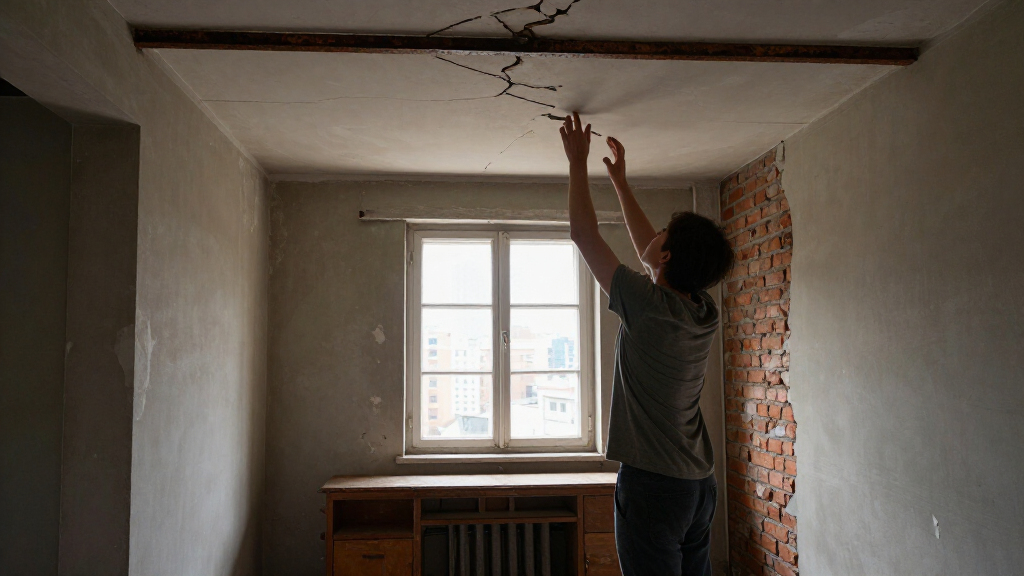
The collapse took place in a densely populated area of Delhi, where the building had been identified as structurally compromised for years. Local officials and experts confirmed that the structure was nearing the end of its lifespan, with visible signs of deterioration ignored over time. The incident has resulted in injuries and fatalities, with rescue operations still underway.
According to sources within the Delhi municipal authorities, the building had not undergone proper safety inspections or maintenance in recent years. Reports indicate that economic interests and profit motives may have contributed to the neglect, with some property owners and developers allegedly prioritizing financial gains over safety compliance. The collapse has prompted a government investigation into the building’s history and the regulatory lapses involved.
Why the Collapse Highlights Broader Safety and Regulatory Failures
This incident underscores the persistent issues of aging infrastructure and lax enforcement of building safety standards in Delhi. It highlights how economic greed can lead to neglect of structural integrity, risking lives in densely populated areas. The event is a wake-up call for authorities to strengthen inspections, ensure timely maintenance, and prevent similar tragedies in the future.
As an affiliate, we earn on qualifying purchases.
Historical Neglect of Aging Buildings in Delhi
Delhi’s urban landscape features many structures over 50 years old, many of which have not been adequately maintained or inspected in recent decades. Past incidents of building collapses have raised concerns, but enforcement remains inconsistent. The current event fits into a pattern where economic interests often overshadow safety considerations, with some property owners allegedly avoiding repairs to maximize profits. The incident also comes amid increasing public awareness and scrutiny of urban safety standards.
Unclear Extent of Regulatory Lapses and Property Owner Role
It is not yet confirmed how much regulatory oversight failed specifically in this case, or whether property owners actively neglected safety for profit. Investigations are ongoing, and details about the property’s maintenance history and the involvement of various stakeholders remain unclear.
Next Steps in Investigation and Policy Review
Authorities are expected to complete investigations into the building’s history, safety lapses, and the role of property owners. There may be policy reviews and stricter enforcement measures introduced to prevent similar incidents. Community safety measures and inspection protocols are likely to be prioritized in upcoming reforms.
Key Questions
What caused the building to collapse?
Officials confirm the collapse was due to structural decay and neglect, with signs of deterioration ignored over years. Exact details are still under investigation.
Were there warning signs before the collapse?
Local reports and inspections indicated the building was in poor condition, but no immediate action was taken. The specifics of warning signs are part of ongoing inquiries.
Could this have been prevented?
Yes, with proper maintenance, inspections, and regulatory enforcement, such a collapse could likely have been avoided. The incident highlights gaps in safety oversight.
What is being done now?
Rescue operations are ongoing, and authorities are investigating the causes. There is also likely to be a review of safety regulations and enforcement policies.
What does this mean for other old buildings in Delhi?
This incident raises concerns about the safety of many aging structures, emphasizing the need for stricter inspections and maintenance to prevent future tragedies.
Source: local
Fall Picks
fall essentials
As an affiliate, we earn on qualifying purchases.