To change your HVAC filter the right way, start by turning off your system. Remove the old filter and check for airflow direction arrows; install the new filter accordingly, ensuring it fits snugly without gaps. Choose the right filter type for your needs—like pleated or HEPA—and replace it every 1 to 3 months, especially if you have pets or pets. Proper installation and frequent changes improve efficiency and air quality—continue to find out more tips for peak performance.
Key Takeaways
- Turn off the HVAC system before replacing the filter to ensure safety and proper installation.
- Check for airflow direction arrows on the filter and install accordingly for optimal performance.
- Ensure the filter fits snugly without gaps to prevent unfiltered air from bypassing.
- Replace the filter every 1 to 3 months, or more frequently if you have pets or high dust levels.
- Confirm the filter is installed correctly and securely to maintain airflow and system efficiency.

Have you ever wondered why your HVAC system isn’t running as efficiently as it should? One common reason is a dirty or improperly installed filter. When your filter isn’t functioning correctly, it can compromise your home’s air quality and cause your system to work harder than necessary. Understanding the different filter types and how they impact air quality is essential to keeping your system running smoothly and ensuring a healthier indoor environment.
The first step in changing your HVAC filter the right way is selecting the appropriate filter type. Filters come in various materials and efficiency ratings, such as fiberglass, pleated, electrostatic, and HEPA filters. Fiberglass filters are inexpensive but offer basic filtration, mainly trapping larger particles like dust and debris. Pleated filters provide a higher level of filtration by capturing smaller particles, improving your air quality considerably. Electrostatic filters utilize static electricity to attract and trap airborne particles, making them an excellent choice for allergy sufferers. HEPA filters are the most efficient, capable of trapping tiny particles like pollen, pet dander, and bacteria, but they may require a compatible system to function correctly. Choosing the right filter depends on your specific needs, such as allergy concerns, pets, or dust levels, and your HVAC system’s compatibility.
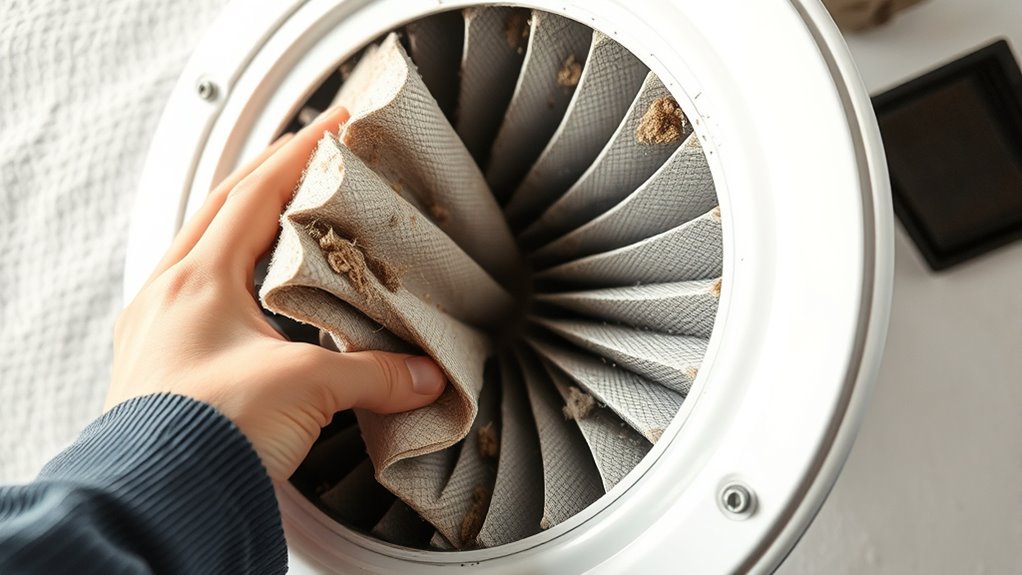
Once you’ve selected the right filter type, it’s vital to install it correctly. Always turn off your HVAC system before replacing the filter to prevent debris from entering the system or causing damage. Check the existing filter for the direction of airflow, usually marked with arrows on the frame, and install the new filter accordingly. A common mistake is inserting the filter backward, which can reduce its effectiveness and airflow. Make sure the filter fits snugly without gaps, as a poorly fitted filter allows unfiltered air to bypass it, diminishing its benefits. Proper filter installation ensures optimal performance and prevents air leaks. After installing, turn the system back on and observe if it runs smoothly, without unusual noises or airflow issues.
Frequency matters too. Depending on your filter type and household conditions, you should change your filter every one to three months. For homes with pets, smokers, or high dust levels, more frequent replacements are necessary to maintain ideal air quality. Remember, a clean filter not only protects your HVAC system from strain but also improves indoor air quality by reducing airborne contaminants. Regularly inspecting your filter and replacing it when dirty guarantees your system operates efficiently, saving energy and contributing to a healthier living space. Taking these simple steps can make a profound difference in how well your HVAC system performs and the quality of air you breathe daily.
Frequently Asked Questions
How Do I Know When My HVAC Filter Needs Replacing?
You’ll know it’s time to replace your HVAC filter when it shows signs of replacement like visible dirt, dust buildup, or reduced airflow. Typically, filters have a lifespan of 1 to 3 months, but this can vary. Check for signs of replacement regularly—if it looks clogged or the air feels less fresh, it’s time to change it. Keeping up with filter maintenance guarantees your system runs efficiently.
Can I Use a Different Filter Size Than Recommended?
You shouldn’t use a different filter size than recommended because compatibility considerations are vital. A filter that’s too small may let dust bypass, while one that’s too large won’t fit properly, risking damage or airflow issues. Always check your HVAC system’s specifications and stick to the recommended filter size to guarantee peak performance and airflow. If you’re unsure, consult your unit’s manual or a professional for guidance.
Are There Eco-Friendly Filter Options Available?
You can choose eco-friendly filters made from sustainable, eco-friendly materials or opt for reusable filters that reduce waste. These environmentally conscious options help protect the planet while maintaining indoor air quality. Reusable filters can be cleaned and reused, saving money and minimizing landfill clutter. By switching to eco-friendly materials and reusable filters, you actively support sustainability and guarantee your HVAC system stays efficient and environmentally responsible.
How Does a Dirty Filter Affect Indoor Air Quality?
A dirty filter can substantially worsen indoor air quality by trapping airborne pollutants like dust, allergens, and bacteria, which then circulate in your home. It also shortens the filter lifespan, making it less effective over time. As a result, you might notice increased allergies or respiratory issues. To keep the air clean and your system running efficiently, replace your filter regularly and choose eco-friendly options when possible.
What Tools Are Necessary for Changing the Filter?
You need a screwdriver or a wrench if your filter cover is secured with screws, and possibly a flashlight to see clearly. Check the filter dimensions on the side of your current filter to guarantee you get the right size. Most filters are a standard size, but measuring accurately prevents issues. Having these tools ready makes replacing your HVAC filter quick and easy, ensuring ideal air quality and system performance.
Conclusion
Think of changing your HVAC filter like tending a garden. When you remove the old, worn-out leaves, fresh air can breathe and flourish. By staying on top of this simple task, you’re nurturing your home’s health and comfort. Just as a gardener tends to their plants regularly, you keep your system running smoothly and efficiently. Embrace this small act, and you’ll enjoy a healthier, more comfortable home—your personal oasis of fresh, clean air.