
Before adding new electrical equipment at home, you should evaluate your current system’s capacity and guarantee your wiring and circuit breakers can support the extra load. Check safety standards, local codes, and proper grounding certifications. If needed, consider upgrading your electrical panel or installing dedicated circuits. Hiring a licensed electrician can help you avoid overloads and safety hazards. Keep these checks in mind to protect your home, and you’ll find out more about ensuring safe, compliant installations.

Get furniture and decor delivered free — and shop member deals
- Fast, free delivery on millions of items
- Access to Prime Big Deal Days deals on October 6–7
- Prime Video, Amazon Music and more included
Key Takeaways
- Assess your electrical system’s capacity and ensure circuits can handle additional load safely.
- Verify that new equipment complies with safety standards and certifications like UL or IEC.
- Consult a licensed electrician to evaluate wiring, panel capacity, and possible upgrades needed.
- Ensure proper grounding, insulation, and adherence to local electrical codes for safe installation.
- Plan the installation thoroughly to prevent overloads, hazards, and ensure long-term safety and efficiency.
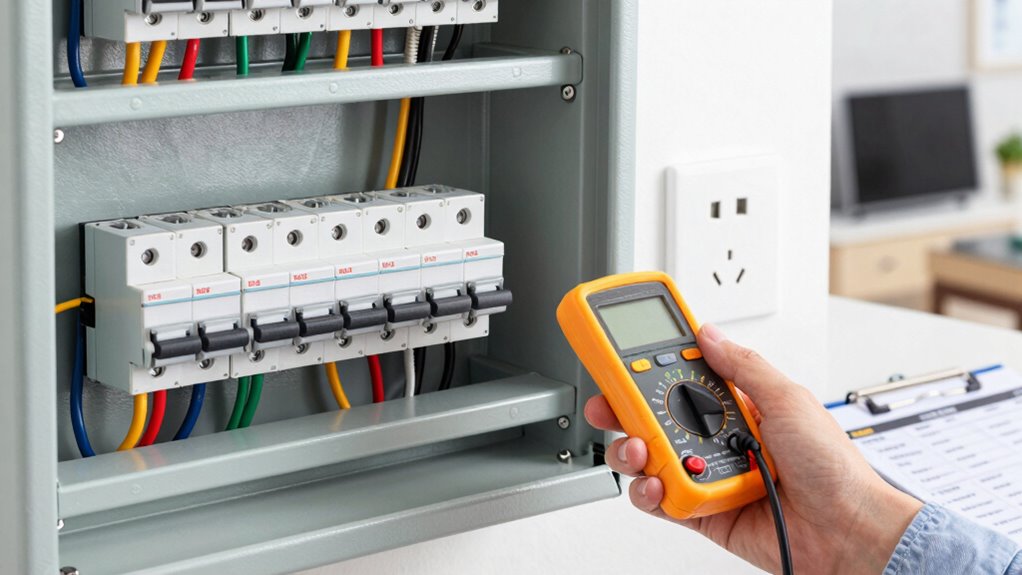
Are you planning to add new electrical equipment to your home? Before you do, it’s crucial to consider a few key factors to ensure everything runs smoothly and safely. One of the first things you need to evaluate is the power load your existing electrical system can handle. Every home’s wiring and circuit breaker are designed to support a certain amount of electrical demand, and adding new equipment can push these limits. If you ignore this, you risk overloading circuits, which can lead to tripped breakers, electrical fires, or damage to your appliances. To prevent this, you should calculate the total power load, including the new equipment, and compare it against your system’s capacity. If you’re unsure, consulting a licensed electrician can give you peace of mind and help you make the right adjustments, like upgrading your wiring or circuit breakers if necessary. Ensuring proper electrical system capacity is essential for safe operation.
Safety compliance is another critical aspect to contemplate before introducing new electrical devices. Local electrical codes and standards are put in place to protect you and your home from potential hazards. Failing to follow these regulations can not only compromise your safety but also cause issues when selling or insuring your property. Check whether the equipment you plan to install meets the required safety certifications and standards, such as UL or IEC markings. Proper grounding and insulation are essential, especially for high-powered appliances or outdoor equipment, to prevent electrical shocks or short circuits. If you’re installing complex systems or large appliances, it’s wise to hire a professional who understands safety compliance thoroughly. They can ensure everything is installed correctly and adheres to local codes, reducing the risk of hazards. Additionally, understanding electrical safety standards can help you identify potential issues before they become serious problems. Regular inspections and maintenance can also enhance safety and prevent unexpected failures. Moreover, staying informed about the latest updates in electrical codes can help you maintain compliance and safety over time.
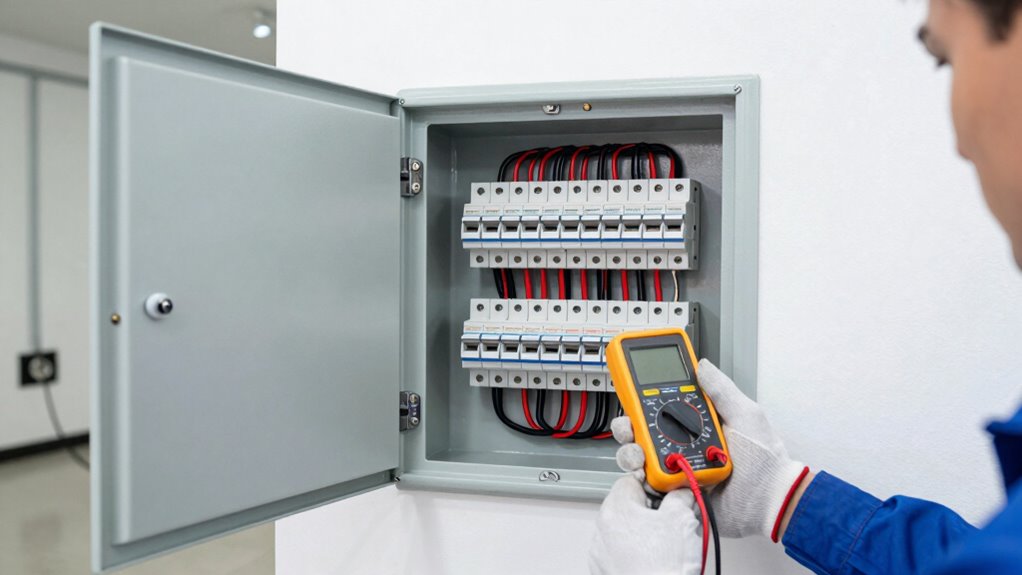
Additionally, you should review your existing electrical panel to see if it has enough capacity for the new equipment. Sometimes, adding a new device may require upgrading the panel or installing a dedicated circuit to guarantee safe operation. Consider how the new load will affect your overall electrical system and whether any modifications are necessary. It’s also helpful to confirm that your wiring practices follow proper wiring procedures, which are fundamental to maintaining safety compliance. Don’t forget to check for proper wiring practices, appropriate circuit breakers, and secure connections, all of which are fundamental to maintaining safety compliance. It’s also helpful to familiarize yourself with the local electrical codes to ensure your setup adheres to regional requirements. By taking these precautions, you’re not only protecting your home but also ensuring your new electrical equipment functions efficiently and safely. Ultimately, thorough planning and consultation with professionals can save you time, money, and potential safety issues down the line.
As an affiliate, we earn on qualifying purchases.
Frequently Asked Questions
Is It Necessary to Upgrade My Electrical Panel for New Equipment?
Yes, upgrading your electrical panel is often necessary when adding new equipment. You need to verify wiring compatibility and the circuit breaker size can handle the increased load safely. If your current panel is outdated or already near capacity, upgrading helps prevent overloads and electrical hazards. Consulting a professional electrician can assess whether your panel can support the new equipment or if an upgrade is required for safety and efficiency.
How Do I Determine the Power Capacity Needed for New Appliances?
You need to perform a power calculation by summing the appliance load of your new devices. Imagine your electrical system as a reservoir; overloading it risks spills and damage. Check each appliance’s wattage or amperage, then add them up. If the total exceeds your panel’s capacity, you’ll need to upgrade or redistribute the load. Precise calculations guarantee your home stays safe and efficient with your new appliances.
Can I Install New Electrical Outlets Myself Safely?
You can install new electrical outlets yourself if you prioritize DIY safety. make certain to turn off the power and use proper electrical tools, such as a voltage tester and insulated screwdrivers. Follow safety guidelines and local codes carefully. If you’re unsure or uncomfortable at any point, it’s best to consult a licensed electrician. Proper safety measures protect you from electrical shocks and ensure a safe, compliant installation.
What Safety Precautions Should I Take Before Adding New Equipment?
Before adding new equipment, you need to prioritize electrical safety, like a vigilant guardian. Check for circuit overload risks that could spark hazards. Turn off the main power before working, and make certain your hands are dry and tools insulated. Use appropriate outlets and avoid overloading circuits. By respecting these precautions, you prevent electrical mishaps and keep your home safe, letting your electrical system serve you reliably, like a trusted protector.
How Often Should I Have My Home’s Electrical System Inspected?
You should have your home’s electrical system inspected at least every 3 to 5 years to guarantee electrical safety. Regular inspections help identify potential issues like outdated wiring or overloaded circuits before they become hazards. If you notice flickering lights, frequent breaker trips, or burning smells, get an inspection sooner. Consistent inspection frequency maintains safety, prevents electrical fires, and keeps your system functioning efficiently.
Conclusion
Before adding new electrical equipment, always verify your home’s wiring can handle the load and that you’re using proper outlets and circuits. Regularly inspecting your system can prevent overloads and potential fires. Did you know that electrical fires account for over 51,000 home fires annually? By checking these essentials, you’re not just avoiding damage—you’re creating a safer, smarter home for you and your loved ones. Stay vigilant, and enjoy peace of mind with every upgrade.
Fall Picks
fall essentials
As an affiliate, we earn on qualifying purchases.