
Restorative lighting mimics natural daylight by reproducing the spectrum, color temperature, and brightness of outdoor sunlight, helping regulate your internal clock and improve mood, focus, and sleep. It’s designed to support your circadian rhythms and emotional well-being through proper light exposure. Instead of just brightness, it emphasizes spectrum and timing for true health benefits. If you want to discover how to effectively incorporate it into your environment, keep exploring these practical tips.
Key Takeaways
- Restorative lighting mimics natural outdoor daylight, supporting mood, focus, and circadian rhythm regulation.
- It involves adjusting color temperature and spectrum to replicate sunlight’s biological effects.
- Proper use enhances emotional balance, sleep quality, and overall well-being by aligning with natural light cycles.
- Layered, adjustable lighting systems optimize environments for relaxation, productivity, and health.
- Choosing high-quality, full-spectrum, and appropriately timed lighting ensures maximum restorative benefits.

Full Spectrum Light Bulb, 6000K Natural Sunlight Bulbs, 9W 60W Equivalent LED Light Bulb, Natural Light Bulbs A19, E26/E27 LED Light Bulbs for Home, 3 Pack
💡 Enjoy Your Natural SunLight:Bring the revitalizing energy of a bright day indoors. Neporal full spectrum light bulb…
As an affiliate, we earn on qualifying purchases.
As an affiliate, we earn on qualifying purchases.
What Is Restorative Lighting and How Does It Mimic Natural Daylight?

Restorative lighting is designed to recreate the qualities of natural daylight, helping to improve your mood, focus, and overall well-being. It achieves this by carefully mimicking the light spectrum found outdoors, which includes a range of wavelengths that influence your body’s internal clock. The key is adjusting the color temperature, typically between 5000K and 6500K, to match daylight’s cool, bright qualities. This ensures the light feels natural and energizing. By replicating the light spectrum of the sun, restorative lighting helps regulate your circadian rhythms, making it easier to stay alert during the day. The right color temperature and full light spectrum work together to create an environment that feels vibrant and natural, supporting your mental and physical health. Incorporating full spectrum lighting can further optimize these effects for better health outcomes and biological relevance, especially when used in conjunction with appropriate timing and duration of exposure to maximize benefits.
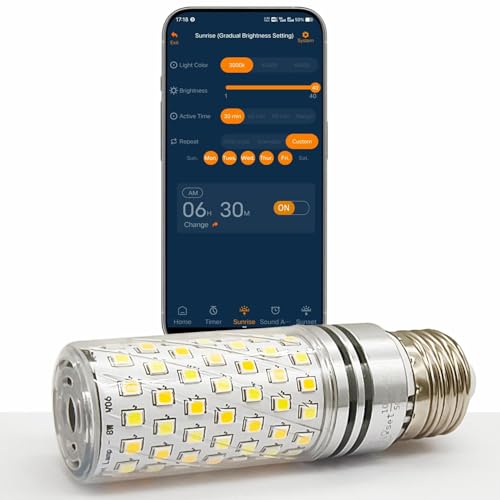
Bioset Smart Wake-Up Light Bulb – Sound & Light Alarm, APP Control Sunrise Sunset Simulation, 3 Colors & Natural Sounds, 800 Lumens, Reset Circadian Rhythm for Wake-Up, Sleep Aid & Lighting
【Sunrise/Sunset Simulation】 This is a bionic LED bulb that can mimic the process of the sun rising and…
As an affiliate, we earn on qualifying purchases.
As an affiliate, we earn on qualifying purchases.
How Does Restorative Lighting Benefit Your Mood, Focus, and Sleep?

Because restorative lighting closely mimics natural daylight, it can profoundly boost your mood, sharpen your focus, and improve your sleep patterns. When your lighting aligns with your circadian rhythms, your body naturally produces the hormones needed for feeling alert during the day and relaxing at night. This synchronization supports better mental well-being by reducing stress and enhancing overall emotional balance. Proper restorative lighting helps prevent the disruptions caused by artificial or inadequate lighting, which can throw off your internal clock. As a result, you’ll notice improved concentration and energy levels during the day, plus more restful sleep at night. By nurturing your circadian rhythms through appropriate lighting, you create an environment that supports your mental health and overall vitality. Understanding circadian rhythms is key to optimizing your lighting choices for better health and well-being. Additionally, using appropriate lighting design can further enhance these benefits by tailoring light intensity and color to suit different times of the day. Incorporating light spectrum management can also optimize your environment for health and comfort throughout the day, especially with the aid of AI-powered lighting tools that adjust settings automatically. Recognizing the importance of biological clock regulation can help you make more informed choices about your lighting environment.

Pzloz Led Desk Lamp for Office Home – Eye Caring Architect lamp with Clamp,Dual Screen Computer Monitor Work Smart Light: 24W 5 Color Flexible Adjustable Lighting Table Lamp for Study Drafting
Versatile Lighting Options: This LED desk lamp offers 25 light combination modes with 5 color temperatures (3000K-5500K) and…
As an affiliate, we earn on qualifying purchases.
As an affiliate, we earn on qualifying purchases.
What Are Common Myths About Restorative Lighting?
Many people believe that simply installing bright or daylight-mimicking lights will automatically improve their mood and sleep, but this isn’t always the case. This is a common lighting misconception that leads to wellness fallacies. Restorative lighting isn’t about just brightness or color; it’s about timing, intensity, and context. Some assume that more light equals better health, but excessive brightness can cause discomfort or disrupt your natural rhythms. Others think that all blue-enriched light is beneficial, ignoring its potential to interfere with melatonin production at night. These myths overlook the nuanced science behind restorative lighting and how it interacts with your body’s circadian processes. For example, understanding the concept of Free Floating lighting can help you create a balanced environment that supports your natural cycles and overall well-being. Recognizing how light timing influences your daily rhythm is essential for applying restorative lighting effectively. Additionally, considering light intensity levels can prevent overstimulation and promote better health outcomes. Being mindful of light exposure patterns can further optimize your environment for health and wellness. Moreover, incorporating controlled lighting practices can help synchronize your internal clock with external cues, enhancing overall health and comfort. Proper understanding helps you avoid these misconceptions and use lighting effectively for wellness.

Xvolt Light Therapy Lamp 10000 Lux – Happy Lamps Full Spectrum Sunlight Lamps for Day Light – Portable Uv-Free Sun Daylight Box with Bright White Natural Lights Adjustable Brightness for Mood Energy
10,000 Lux Full Spectrum Light: The Xvolt Light Therapy Lamp delivers a powerful 10000 lux of high-intensity, full…
As an affiliate, we earn on qualifying purchases.
As an affiliate, we earn on qualifying purchases.
How Can You Incorporate Restorative Lighting at Home and Work?

To effectively incorporate restorative lighting at home and work, start by evaluating your daily routines and natural light exposure. Pay attention to how much daylight you receive and identify areas where lighting feels harsh or insufficient. Use decorating tips like adding layered lighting—combining ambient, task, and accent lights—to create a balanced environment. Incorporate technology integration by using smart lighting systems that adjust color temperature and brightness throughout the day, mimicking natural light patterns. This helps reinforce your circadian rhythm and improves overall well-being. Consider installing adjustable fixtures or using light therapy lamps in darker spaces. Small changes, like positioning your workspace near windows or utilizing blackout curtains, can make a significant difference in supporting your restorative lighting needs. Additionally, understanding the importance of light quality and how different wavelengths affect your mood and alertness can help you choose the right lighting solutions for optimal health. For example, selecting lights with a higher blue light content during the day can boost alertness, while warmer tones in the evening can promote relaxation and better sleep. Incorporating light customization options allows you to tailor your environment to your specific needs and preferences, enhancing comfort and well-being. Leveraging smart lighting technology can further optimize these adjustments automatically based on your daily schedule and activities, ensuring consistent support for your circadian health. Furthermore, integrating color temperature control features into your lighting setup can help you create environments that promote relaxation or alertness as needed.
How Do You Choose the Best Restorative Lighting Products for Your Needs?

Choosing the right restorative lighting products involves evaluating your specific needs and the space you want to illuminate. Consider the color temperature, which influences how warm or cool the light feels, and how it affects your mood. Brightness levels are equally important; too much can cause discomfort, while too little may be ineffective. Use this table to help decide:
| Purpose | Recommended Features |
|---|---|
| Relaxation and unwinding | Warm color temperature, dimmable brightness |
| Focus and productivity | Cooler color temperature, adjustable brightness |
| Sleep support | Low brightness, warm tones |
| Energy boost | Bright, cool light |
| General use | Balanced color temperature and brightness |
Choose products matching your needs for ideal restorative benefits. Understanding the importance of content quality and topical authority can help you select lighting that enhances your environment and supports your well-being. Additionally, paying attention to lighting quality ensures you achieve the desired restorative effects without unintended glare or color distortion. When selecting lighting, consider spectral output, as it impacts how the light interacts with your environment and your eyes. Recognizing the significance of light spectrum can further improve your choices for a healthier and more comfortable space. Being aware that certain odors, such as ear wax odor, can indicate underlying health issues, can also inform your overall wellness environment.
Frequently Asked Questions
Can Restorative Lighting Be Used Effectively Outdoors?
Yes, restorative lighting can be effective outdoors, especially in urban environments. You can use it in outdoor applications like parks and walkways to reduce light pollution and support natural circadian rhythms. By choosing appropriate color temperatures and brightness levels, you help create a calming atmosphere that promotes well-being. Properly implemented, restorative lighting enhances outdoor spaces while maintaining functionality and environmental harmony.
Is Restorative Lighting Suitable for Children and Seniors?
You’re right on the money—restorative lighting is suitable for children and seniors. It’s designed to support children’s health by promoting healthy sleep patterns and boost senior well-being by reducing eye strain and improving mood. Think of it as a gentle guiding light that fosters comfort and health. Using it thoughtfully can help create a safe, soothing environment, helping everyone wake up refreshed and ready to face the day.
How Does Restorative Lighting Impact Energy Consumption?
Restorative lighting can markedly reduce your energy consumption by using energy-efficient bulbs and smart controls, leading to notable energy savings. This not only cuts your utility bills but also lowers your environmental impact by decreasing carbon emissions. By choosing restorative lighting, you actively contribute to sustainability efforts while enjoying healthier, well-lit spaces. It’s an effective way to balance comfort and eco-consciousness, making your home more efficient and environmentally friendly.
Are There Any Health Risks Associated With Restorative Lighting?
You won’t believe it, but restorative lighting can sometimes cause skin sensitivity and eye strain if misused. You might feel like your eyes are being squeezed or your skin is burning, as if a thousand tiny suns are shining on you. While generally safe, prolonged exposure or overly bright settings can irritate your skin and strain your eyes, so always adjust the lighting to comfort and avoid potential health risks.
Can Restorative Lighting Replace Natural Sunlight Entirely?
Restorative lighting can’t replace natural sunlight entirely, but it helps maintain your circadian alignment and boosts mood when sunlight isn’t available. You should use restorative lighting as a supplement, especially during cloudy days or indoors, to support your body’s natural rhythms. While it enhances mood and helps regulate sleep, it’s best combined with regular sunlight exposure for maximum health benefits.
Conclusion
By understanding what restorative lighting truly is and how it mimics natural daylight, you can make smarter choices for your home and work spaces. It’s a small change that can substantially boost your mood, focus, and sleep. Remember, “a little goes a long way,” so start incorporating restorative lighting today. When you prioritize your well-being, brighter days are just a switch away.