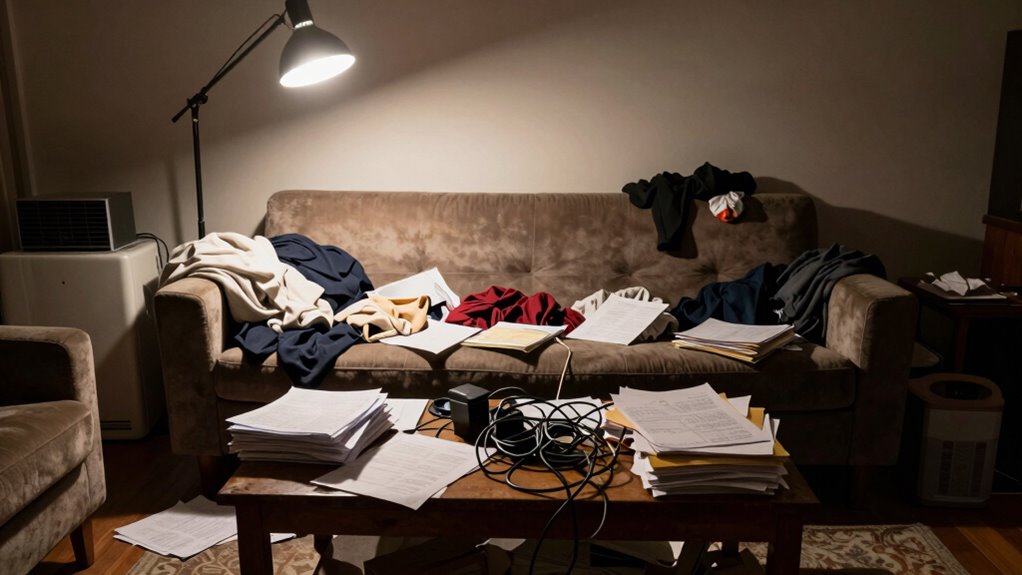

Silent stressors like noise, poor lighting, and clutter quietly build up at home, affecting your mood, sleep, and overall wellbeing over time. Excessive sounds from appliances or outside traffic can increase your stress levels, while harsh lighting and visual chaos add to feelings of anxiety and overwhelm. Small changes, like improving lighting, reducing noise, and decluttering, can make a big difference. Keep exploring to find simple ways to create a more peaceful, calming space.
Key Takeaways
- Silent stressors like clutter, poor lighting, and odors accumulate gradually, affecting mood and health over time.
- External noises from traffic, appliances, and construction activate stress responses and disrupt relaxation.
- Household noises, such as humming appliances or sudden sounds, can unexpectedly increase stress levels.
- Inadequate or harsh lighting causes eye strain, mood disturbances, and circadian rhythm disruptions.
- Clutter and visual noise lead to overwhelm, reducing mental clarity and promoting anxiety.
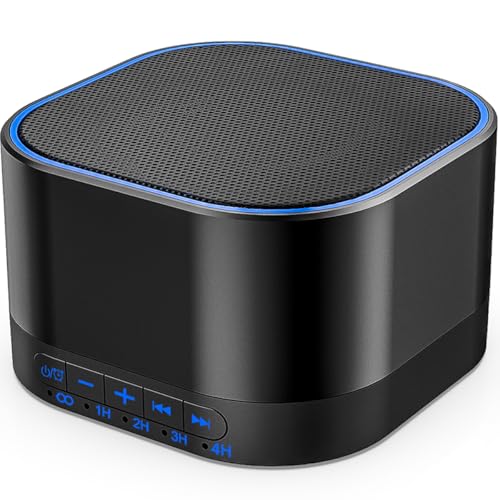
Magicteam Sound White Noise Machine with 20 Non Looping Natural Soothing Sounds and Memory Function 32 Levels of Volume Powered by AC or USB and Sleep Sound Timer Therapy for Baby Kids Adults
❤20 Non-Looping Sleep Sounds: White noise ,Brown noise, pink noise, blue noise, fan,brook, rain, ocean,bird and Bonfire,suitable for…
As an affiliate, we earn on qualifying purchases.
As an affiliate, we earn on qualifying purchases.
Why Silent Stressors in Your Home Matter
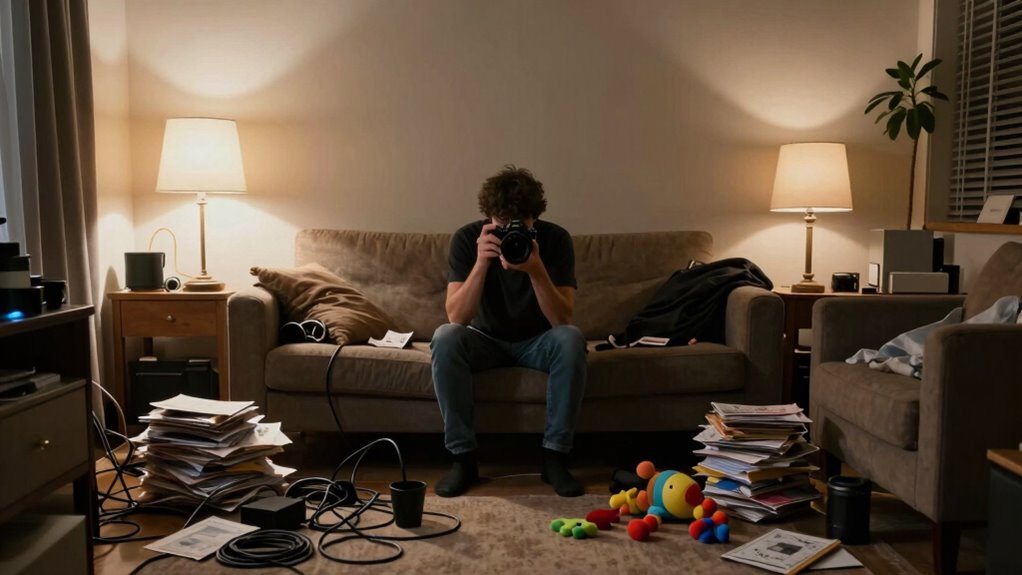
Silent stressors in your home may seem insignificant, but over time, they can take a serious toll on your mental and physical well-being. Small stressors like clutter, poor lighting, or lingering odors can quietly build up, affecting your mood and overall health. Recognizing their impact is key to creating a peaceful environment. Incorporate meditation techniques to help your mind relax and manage daily stress. Aromatherapy options, such as calming essential oils, can also enhance your space’s tranquility. When you address these silent stressors, you’re actively improving your mental clarity and emotional resilience. Understanding cleaning appliances and clean-home systems can help you create a more organized and serene space. Taking small steps to reduce clutter, improve lighting, or introduce soothing scents can make a meaningful difference in how you feel at home every day. Implementing seasonal maintenance checklists can also prevent the buildup of dust and allergens that contribute to discomfort. Paying attention to air quality improvement strategies can further support your overall well-being. Additionally, incorporating home automation systems can help maintain a consistent environment that promotes calmness. Creating calm environments is a practical way to support your overall well-being and foster a more peaceful home atmosphere.

Soundcore by Anker Q20i Hybrid Active Noise Cancelling Headphones, Wireless Over-Ear Bluetooth, 40H Long ANC Playtime, Hi-Res Audio, Big Bass, Customize via an App, Transparency Mode
Hybrid Active Noise Cancelling: 2 internal and 2 external mics work in tandem to detect external noise and…
As an affiliate, we earn on qualifying purchases.
As an affiliate, we earn on qualifying purchases.
How Noise Pollution Affects Your Mood and Mind
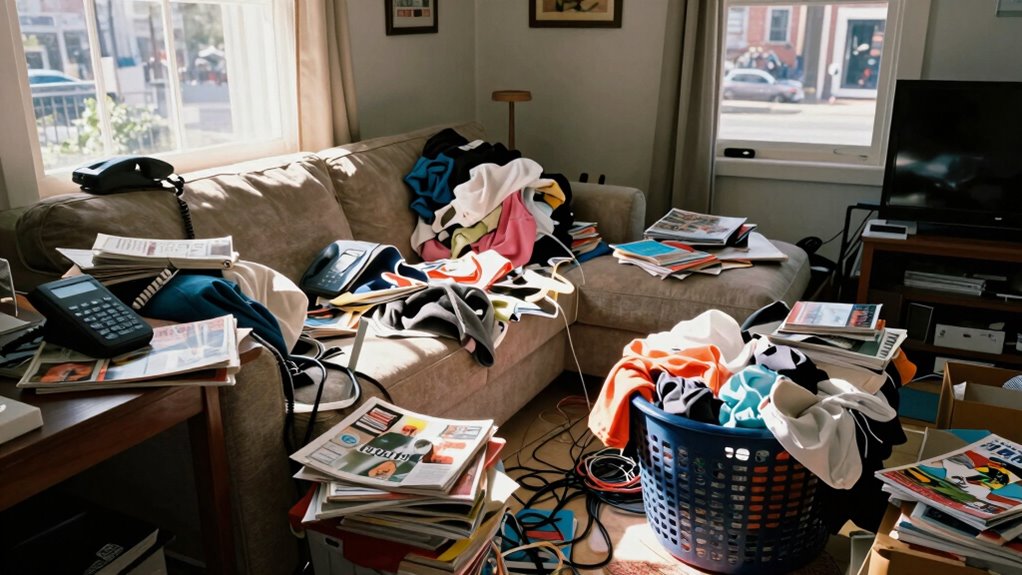
Noise pollution can quietly undermine your mental well-being, often without you realizing its impact. Constant background noise can increase stress, make it harder to concentrate, and disrupt your mood. Using sound masking techniques, such as white noise machines, can help drown out disruptive sounds and create a more peaceful environment. Noise canceling headphones are also effective in reducing unwanted noise, allowing you to focus or relax. When noise levels rise, your brain perceives it as a threat, triggering stress responses that can lead to irritability and fatigue. Over time, this persistent exposure can affect your overall mood and mental clarity. Incorporating soundproofing methods can further reduce noise infiltration and enhance your indoor environment. Additionally, understanding the contrast ratio of your space can help optimize visual comfort and reduce the need for excessive noise to compensate for poor lighting. Proper soundproofing and lighting adjustments work together to create a calmer, more balanced home atmosphere. Actively managing noise and considering acoustic treatments can significantly improve your emotional health, creating a calmer, more balanced home environment.

YunLone Galaxy Projector Star Lights Projector for Bedroom with 33 Lighting, Aurora Projector with Bluetooth 5.0 Speaker, Smart APP, 8 White Noises Night Light with IR Remote, Timer for Kids Adults
【YunLone Star Projector Galaxy Light Projector for Bedroom】 This star projector combines aurora projector, star, Bluetooth speaker, white…
As an affiliate, we earn on qualifying purchases.
As an affiliate, we earn on qualifying purchases.
Common Household Noises That Increase Stress
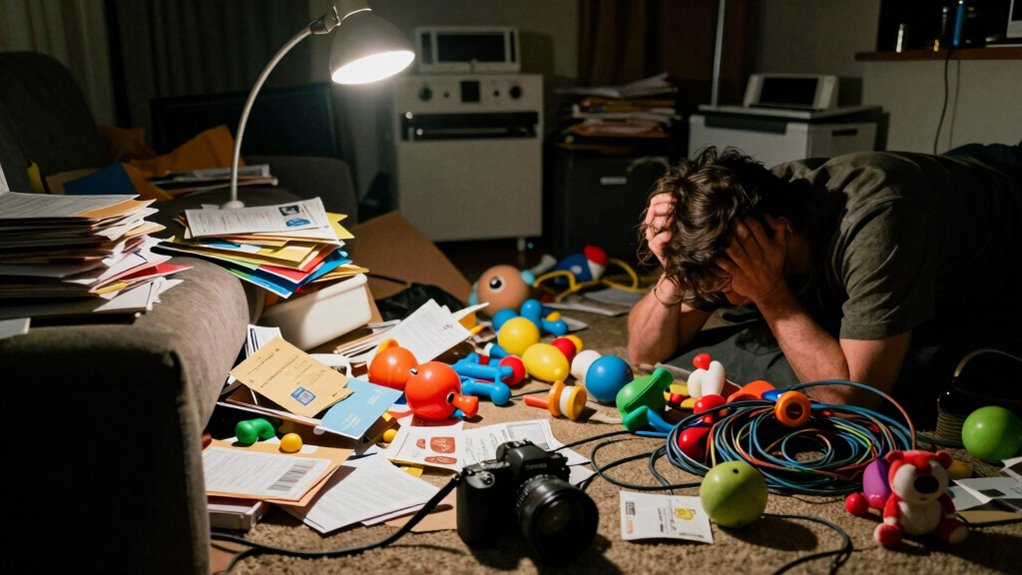
You might not realize how household appliance noises, like constant refrigerator hums or dishwasher clangs, can wear on your nerves. External city sounds, such as sirens or traffic, often seep into your home and add to your stress. Unexpected disruptions, like doorbells or loud neighbors, can quickly throw off your calm and increase your anxiety. Incorporating soundproofing techniques or choosing quieter equipment can help mitigate these ambient noise concerns, especially when considering Free Floating elements that can influence household acoustics. Understanding noise pollution sources can also guide effective modifications to create a more peaceful environment. Recognizing the impact of indoor sound levels is essential for reducing overall stress within your home, as it underscores the importance of managing acoustic environments for mental well-being.
Household Appliance Noises
Household appliance noises can quietly escalate stress levels, especially when they persist unexpectedly or occur during quiet moments. Appliance vibrations from washing machines, dishwashers, or refrigerators can create a constant, low-level hum that wears on your patience. Humming appliances, though often overlooked, generate a steady background noise that can disrupt your focus or relaxation. When these sounds continue without relief, they can make even simple tasks feel overwhelming. The unpredictability of appliance vibrations or unexpected noise spikes can heighten your stress response. To reduce frustration, consider maintaining appliances regularly or using soundproofing methods. Recognizing these common household appliance noises helps you understand their impact and encourages proactive steps to create a calmer, quieter home environment. Additionally, understanding the soundproofing options available can significantly improve your home’s acoustic comfort, especially when combined with proper appliance maintenance. Incorporating noise mitigation techniques can further help in creating a peaceful living space.
External City Sounds
External city sounds, such as honking cars, sirens, and construction noise, can subtly increase your stress levels throughout the day. Urban noise, including persistent city sounds, often feels unavoidable, especially if you live near busy streets or construction zones. These loud, unpredictable noises activate your stress response, making it harder to relax or concentrate. Over time, constant exposure to city sounds can lead to irritability, fatigue, and even anxiety. You might find yourself more easily overwhelmed or unable to enjoy quiet moments at home. While you may not always notice these sounds, their cumulative effect contributes to a sense of chronic stress. Managing external city sounds, such as using soundproofing or white noise, can help create a calmer environment indoors. Additionally, understanding how Gold IRA markets influence your well-being can empower you to develop effective coping strategies. Implementing soundproofing techniques can significantly reduce the impact of urban noise and improve your overall mental health, especially when combined with other stress-reduction methods. Recognizing the impact of noise pollution on mental health is essential for creating a peaceful home environment.
Unexpected Disruptions
Unexpected disruptions like sudden loud noises within your home can quietly ramp up your stress levels. These unexpected interruptions, such as a door slamming or appliances suddenly turning on, catch you off guard and trigger your stress response. Sudden disturbances break your focus and make it hard to relax, even if only temporarily. Over time, frequent unexpected interruptions can contribute to feelings of frustration and anxiety, making your environment feel less peaceful. You might find yourself tense or irritable, even without realizing why. Managing these disruptions involves identifying common sources and finding ways to minimize their impact. Whether it’s installing soundproofing or creating quiet zones, reducing sudden disturbances helps restore a calmer, more stable home environment. Noise mitigation techniques can also help reduce noise transmission and create a more peaceful space. Additionally, utilizing smart-home automation can help control and schedule devices to prevent unexpected noises at sensitive times.

Tumbler Lid Organizer for Corner Cabinets, Space-Saving Coffee Cup Organizers Cups Holder, Water Bottle Accessories Storage, Kitchen Storages Organization Solution, Easy Install Up to 12 Lids (Black)
Holds Up to 12 Tumbler Lids Maximize Kitchen Space: Store up to 12 tumbler lids effortlessly! Crafted from…
As an affiliate, we earn on qualifying purchases.
As an affiliate, we earn on qualifying purchases.
How Lighting Impacts Your Mood and Relaxation
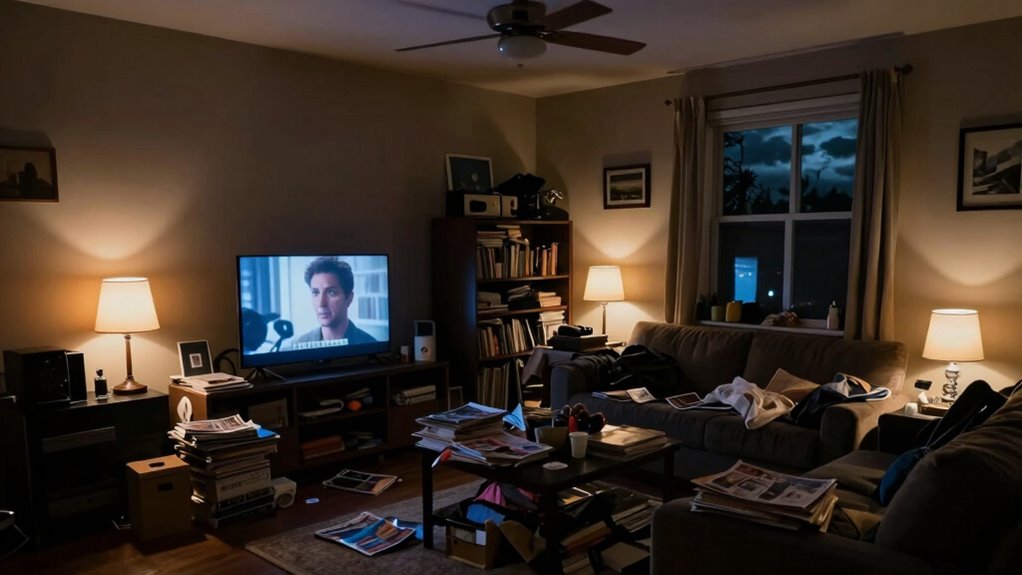
Have you ever noticed how the lighting in a room can instantly influence your mood? Ambient illumination sets the tone, making spaces feel cozy or energizing. Soft, warm lighting promotes relaxation, helping you unwind after a long day. Bright, cool light can boost alertness but might also cause stress if overused. Mood lighting, like dimmed lamps or candles, creates a calming atmosphere that encourages you to relax and de-stress. Proper lighting can improve your overall wellbeing by reducing tension and enhancing your mood. When you choose lighting that suits your needs, it becomes easier to relax and feel at peace at home. Pay attention to how different lighting setups affect your emotions, and adjust accordingly to foster a more tranquil environment.
Creating a Calm Lighting Environment at Home
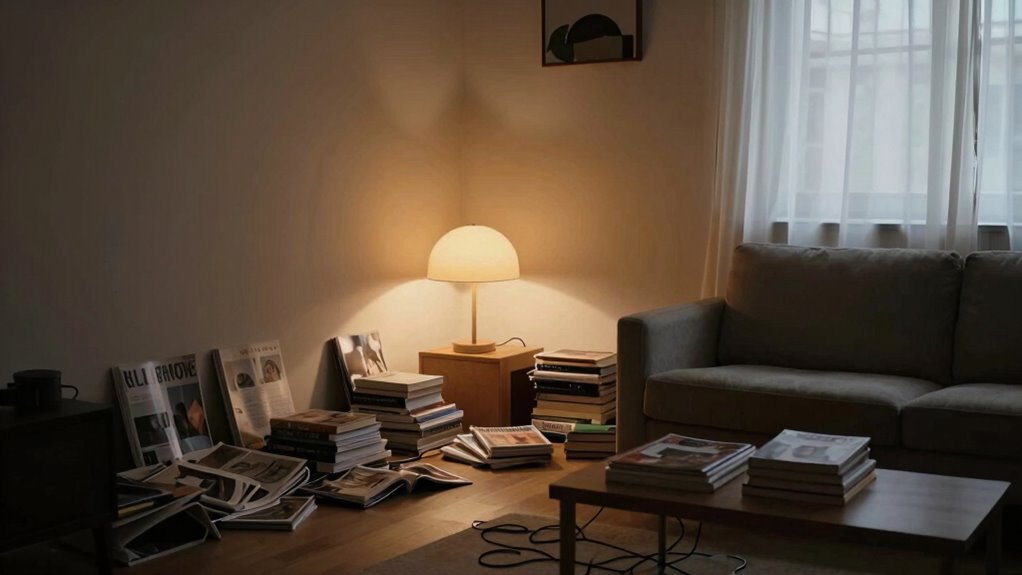
To create a calm lighting environment at home, start by choosing fixtures and bulbs that emit soft, warm light. This enhances your lighting ambiance and promotes relaxation. Use dimmers to adjust brightness, creating mood lighting that suits different activities. Incorporate layered lighting—ambient, task, and accent—to avoid harshness and foster tranquility. Here’s a visual guide:
| Fixture Type | Ideal Setting |
|---|---|
| Floor Lamps | Cozy corners for gentle glow |
| Table Lamps | Reading nooks with warm light |
| Wall Sconces | Soft lighting along walls |
| Pendant Lights | Focused, adjustable illumination |
| Fairy Lights | Subtle, decorative mood lighting |
How Clutter Contributes to Anxiety and Frustration
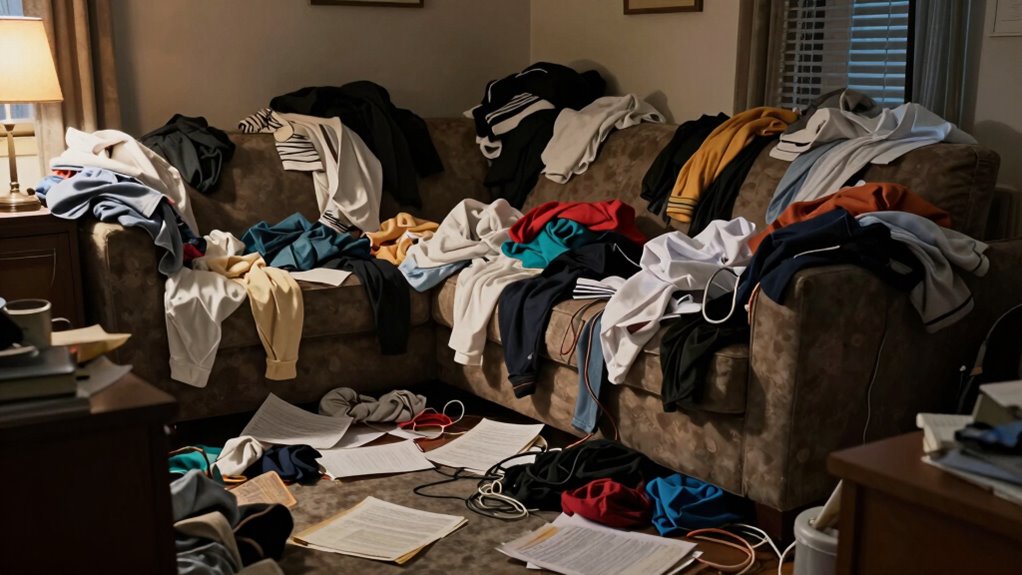
Clutter can make your space feel overwhelming, leading to increased stress and anxiety. When items are hard to find, frustration grows, and your environment feels chaotic. This constant visual overload can wear on your mental well-being, making it harder to relax.
Visual Overwhelm and Stress
When your home is filled with disorder, it can quickly become a source of constant visual chaos that wears on your mind. Visual clutter creates sensory overload, making it hard to focus or relax. Your brain constantly processes the clutter, increasing stress and frustration. To understand this better, consider the table below:
| Clutter Type | Effect on Stress |
|---|---|
| Piles of clothes | Feels overwhelming and chaotic |
| Unorganized countertops | Disrupts sense of order |
| Excess decorations | Creates visual noise |
| Random papers | Adds to mental clutter |
Fighting visual overwhelm involves decluttering and organizing your space, helping your mind breathe and reducing anxiety caused by cluttered environments.
Difficulty Finding Items
Having clutter everywhere makes it difficult to find what you need, and that can rapidly lead to feelings of frustration and anxiety. Organizational challenges arise when items are scattered or poorly stored, making it hard to locate essentials quickly. Hidden clutter often lurks behind piles of belongings or in overflowing drawers, adding to the chaos without your immediate awareness. This lack of order increases the time you spend searching, heightening your stress levels. When you struggle to find items like keys, documents, or daily essentials, it’s easy to feel overwhelmed and irritated. The constant scramble to locate things chips away at your peace of mind, creating a cycle of frustration. Clearing clutter and establishing better organization can considerably reduce these daily stressors.
Increased Sense of Chaos
Ever notice how a cluttered space can make everything feel more overwhelming? When your home is chaotic, your mind follows suit. The clutter amplifies sound sensitivity, making even small noises seem louder, which heightens frustration. Light regulation becomes difficult as clutter blocks natural light or creates shadows, adding to your discomfort. This chaos can increase your sense of anxiety, making it hard to focus or relax. Clutter creates an environment where every detail feels amplified, contributing to a feeling of loss of control.
| Overwhelming Feelings | Physical Reactions |
|---|---|
| Anxiety | Restlessness |
| Frustration | Tension |
| Overload | Fatigue |
Easy Decluttering Tips to Reduce Mental Clutter
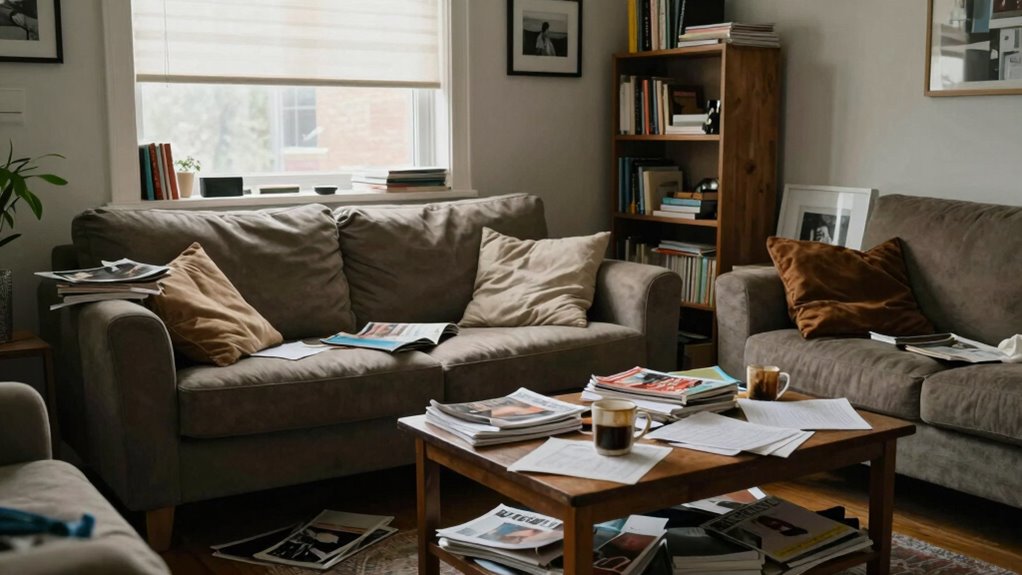
Clutter at home can quickly lead to an overwhelmed mind, making it harder to focus and relax. To reduce mental clutter, try adopting a minimalist design approach—keep only what you truly need and love. This creates a sense of order and calm, making your space feel more open. Regularly clear surfaces and donate items you no longer use to prevent accumulation. Incorporate sensory deprivation techniques, like reducing visual distractions or using neutral tones, to foster mental clarity. Simplify your environment by limiting decorative objects and organizing storage. These easy decluttering tips help create a peaceful atmosphere, allowing your mind to breathe. By consciously managing clutter, you promote mental well-being and enjoy a more serene home environment.
Simple Ways to Make Your Home More Peaceful
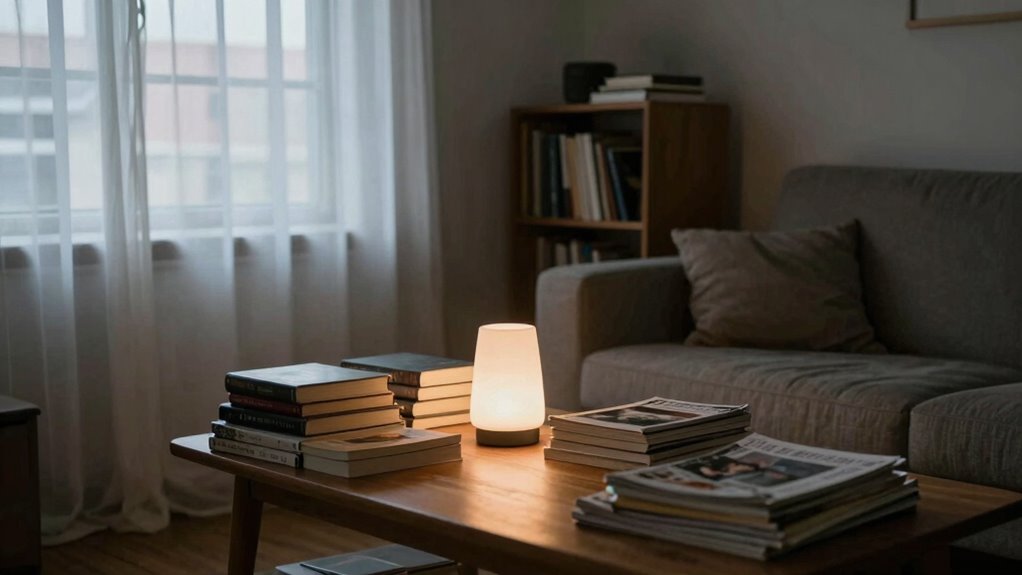
Creating a peaceful home starts with simple changes you can make today. By controlling noise levels, optimizing lighting, and decluttering your space, you can instantly reduce stress. These small steps help turn your home into a calm, relaxing sanctuary.
Control Noise Levels
Reducing noise inside your home can considerably boost your sense of calm and focus. Installing soundproof windows helps block out external sounds, creating a quieter environment. These windows are designed to minimize noise infiltration, making your space more peaceful. Additionally, using noise-canceling devices like headphones or white noise machines can help mask disruptive sounds from neighbors, traffic, or household activities. You can also strategically place rugs, curtains, and furniture to absorb sound and prevent echoes. Setting boundaries by communicating with household members about noise levels during certain times can further reduce disturbances. Together, these simple steps make your home a sanctuary where you can relax, work, or rest without unnecessary noise interruptions.
Optimize Lighting Conditions
Lighting plays a key role in shaping the atmosphere of your home, influencing your mood and sense of calm. To create a peaceful environment, maximize natural lighting during the day by opening curtains or blinds, letting sunlight fill your space. In the evening, incorporate soft mood lighting with warm-colored bulbs or dimmable fixtures to promote relaxation. Avoid harsh, fluorescent lights that can cause stress or discomfort. Position lamps and light sources thoughtfully to eliminate dark corners and reduce shadows, which can contribute to tension. Use window treatments that filter light gently, maintaining a bright yet soothing ambiance. Adjusting your lighting setup helps your home feel more welcoming, calming, and conducive to unwinding after a busy day.
Declutter Your Space
A cluttered space can subtly increase stress and make your home feel chaotic. Clearing clutter creates a calmer environment, boosting garden serenity and outdoor privacy. Visualize this:
- A tidy patio with neatly arranged furniture, inviting relaxation.
- An organized corner with tools and supplies stored out of sight, reducing visual noise.
- A clutter-free entryway that welcomes you into a peaceful home.
Signs You Might Need Professional Help for Stress
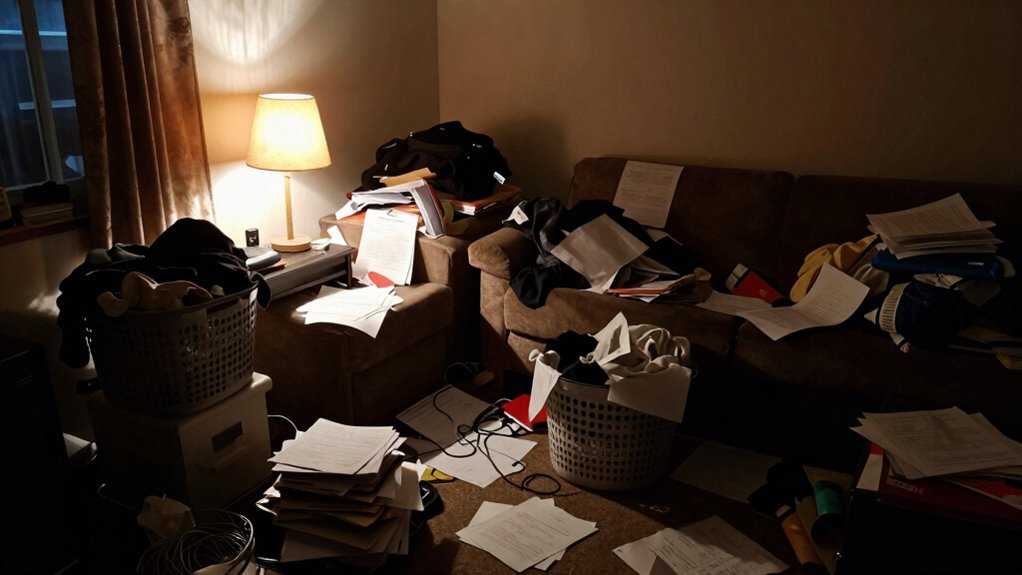
Recognizing when stress becomes overwhelming is essential for your well-being, especially if it starts affecting your daily life. If you notice persistent feelings of anxiety, hopelessness, or irritability, it might be time to seek professional help. Pay attention if household pets or indoor plants begin to show signs of neglect or stress, as this can reflect your mental state. Difficulty sleeping, frequent headaches, or a loss of interest in activities you once enjoyed are red flags. If your stress leads to physical symptoms or interferes with your relationships and work, don’t hesitate to reach out to a mental health professional. Taking this step can provide you with tools to manage stress more effectively and improve your overall quality of life.
Turning Your Home Into a Stress-Relief Sanctuary
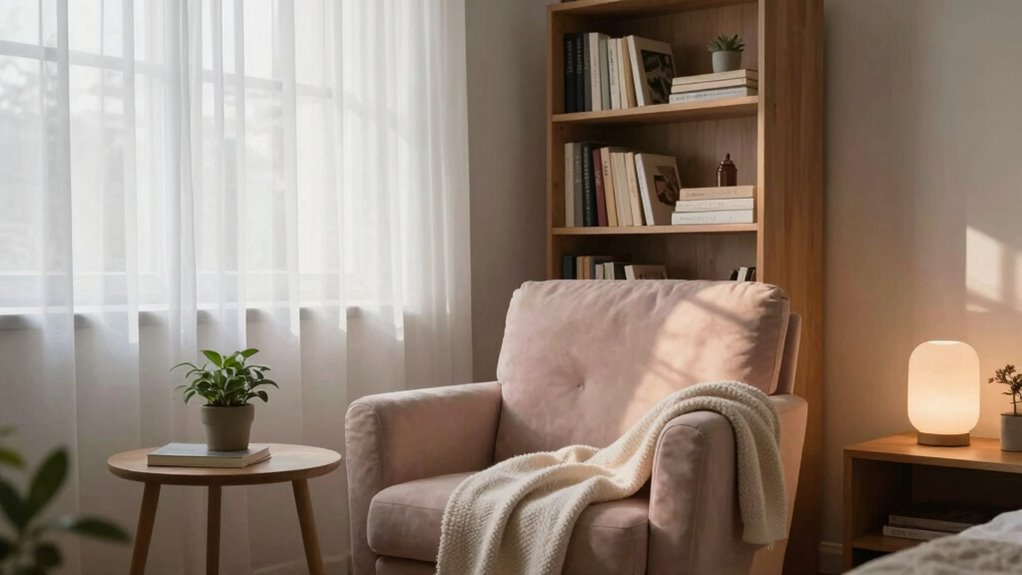
Transforming your home into a stress-relief sanctuary starts with creating a space that promotes calm and relaxation. Begin by designing calming decor—soft lighting, neutral colors, and natural elements like plants help set a peaceful tone. Next, focus on cultivating mindful routines, such as morning meditation or evening stretches, to anchor your day in tranquility. Visualize these elements:
Create a calming home with soft lighting, neutral tones, and mindful routines for daily tranquility.
- A cozy corner with plush cushions and gentle lighting
- A dedicated space for meditation or journaling
- An organized shelf with calming scents and personal mementos
Frequently Asked Questions
How Can I Identify Hidden Noise Sources in My Home?
To identify hidden noise sources in your home, start by listening carefully in different rooms and at various times of day. Use soundproofing strategies like sealing gaps around windows and doors. You can also try noise masking techniques, such as playing white noise or calming music, to detect quieter sounds. This helps you pinpoint the sources, so you can address them effectively and create a more peaceful environment.
What Are Quick Fixes to Improve Lighting Without Expensive Upgrades?
You can quickly improve your lighting by adding decorative lighting fixtures like string lights or table lamps to create a warm, inviting atmosphere. Open your curtains to maximize natural daylight during the day, reducing the need for artificial light. Rearrange furniture to allow more light to flow through your space. These simple, inexpensive fixes brighten your home instantly, making it feel more comfortable and less stressful.
How Does Clutter Affect Sleep Quality and Overall Health?
Did you know clutter can increase your stress levels by 40%? When your space is cluttered, it’s harder to relax, which worsens sleep quality and harms mental health. Clutter management strategies like daily tidying or designated storage can help reduce this stress. By creating a tidy environment, you promote better sleep and boost your overall mental health, making your home a more calming and supportive space.
Are There Specific Scents That Help Reduce Home Stress?
Yes, certain scents can help reduce home stress. You’ll find aromatherapy benefits in calming essential oils like lavender, chamomile, and bergamot, which promote relaxation and ease anxiety. Using a diffuser or adding a few drops to your pillow can create a soothing environment. These calming scents help lower your stress levels, improve mood, and foster a sense of peace, making your home a sanctuary for relaxation.
Can Minor Renovations Significantly Lower Noise and Light Stressors?
Minor renovations can markedly lower noise and light stressors. For example, installing soundproofing techniques like acoustic panels or weatherstripping can cut noise levels, creating a calmer space. While renovation costs vary, the long-term benefits often outweigh expenses, especially when considering improved sleep and reduced stress. You’ll find that small upgrades can make a big difference in your home environment, enhancing comfort and well-being.
Conclusion
Sometimes, the quietest stressors—like a flickering light or a cluttered corner—sneak up on you. Ironically, these subtle annoyances can turn your peaceful home into a battlefield of noise and chaos. But with a few simple tweaks—dimming lights, decluttering, and turning down the volume—you can transform your space into a sanctuary. After all, peace often comes from the silence we overlook, not the noise we try to escape.