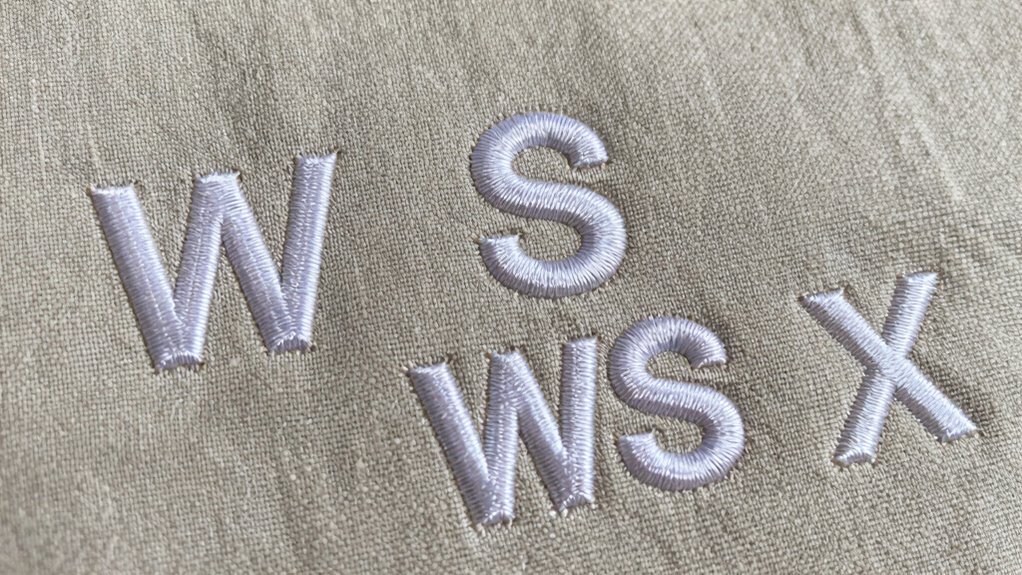
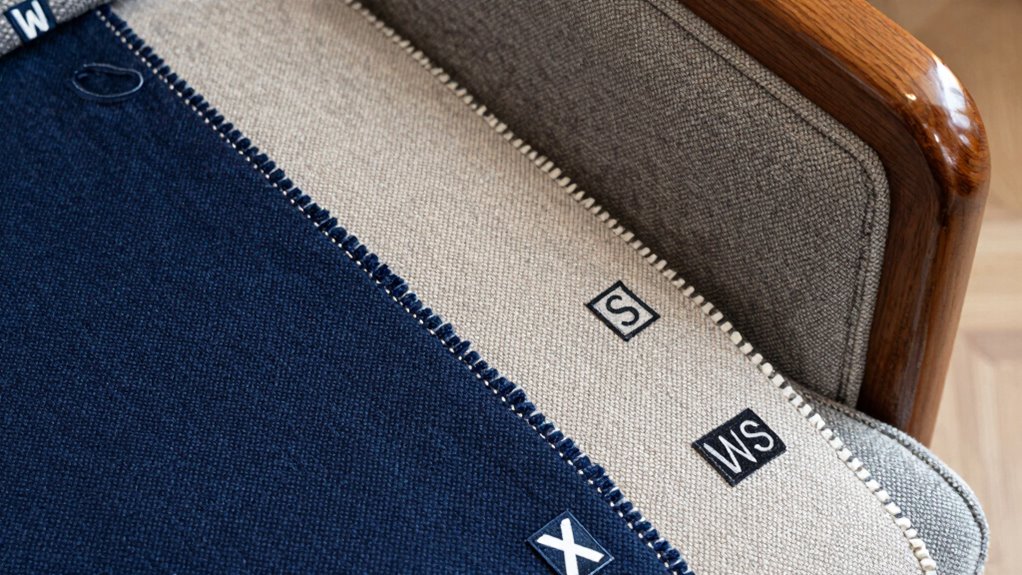
Upholstery codes like W, S, WS, and X guide you on how to clean your furniture safely and effectively. W means water-based cleaning is safe, S indicates solvent-based cleaners are best, WS allows both, and X suggests vacuuming only or seeking professional help. Knowing these codes helps you avoid damage and keep your furniture looking great longer. If you want to understand these codes better and master your cleaning routine, there’s more to discover ahead.
Key Takeaways
- W indicates fabric safe for water-based cleaning; S means solvent-based cleaning is suitable.
- WS signifies the fabric can be cleaned with either water or solvent solutions.
- X indicates the fabric should not be cleaned with water or solvents; professional cleaning is recommended.
- Proper interpretation of these codes ensures effective cleaning and prevents fabric damage.
- Using the wrong cleaning method on these codes can lead to discoloration, deterioration, or voided warranties.
What Are Upholstery Codes: and Why Do They Matter?
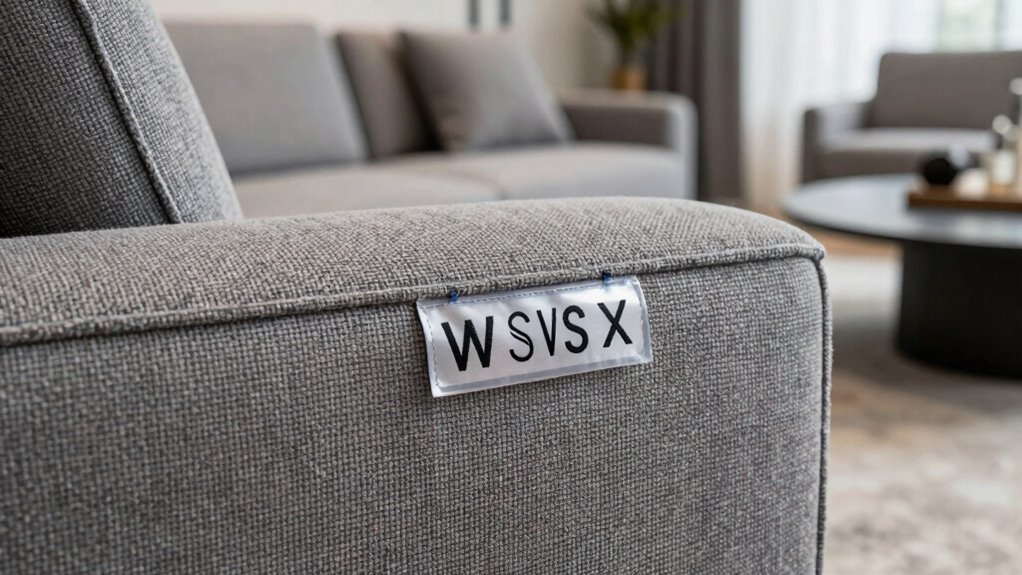
Upholstery codes are essential tools that help you understand the materials and construction of your furniture. They reveal important details about fabric durability, which affects how well your furniture withstands daily use. For example, some codes indicate fabrics designed for heavy traffic, ensuring your upholstery stays looking new longer. These codes also inform your understanding of upholstery design, helping you choose fabrics that match your style and comfort preferences. Knowing what the codes mean allows you to select materials suited for specific environments, whether it’s a busy family room or a formal living space. Additionally, understanding fabric durability helps you make informed decisions to prolong the life of your furniture. Recognizing upholstery labels can also assist you in assessing the quality and suitability of different furniture pieces. By decoding these symbols, you gain confidence in your furniture choices, ensuring your investment lasts and aligns with your aesthetic goals.
How to Identify Your Upholstery Fabric From the Tag
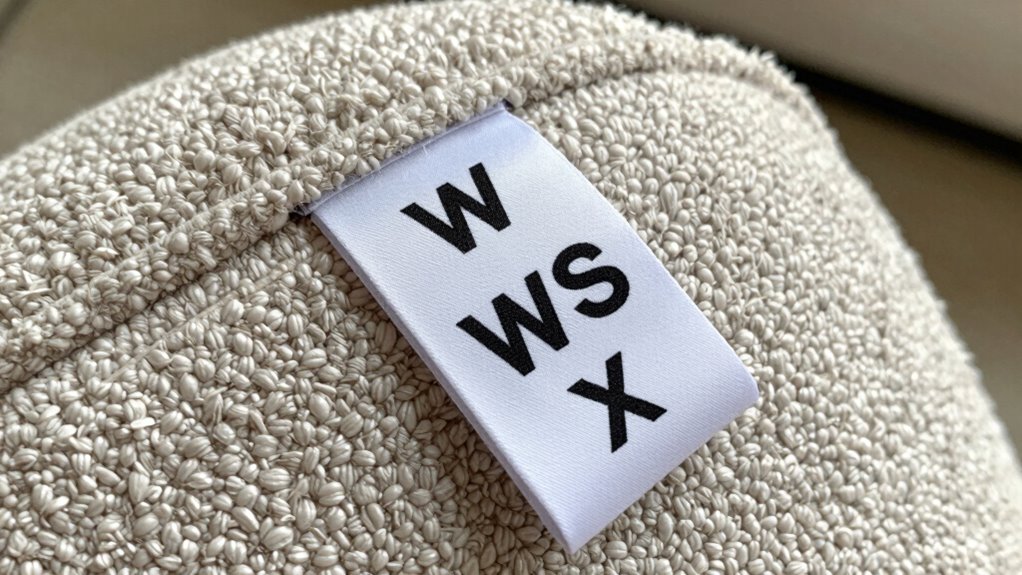
When you look at the tag on your furniture, the first step is to locate the fabric code or fiber content section. This part provides essential clues for fabric identification, helping you understand what your furniture is made of. Carefully read the symbols or words listed—these are key to accurate tag interpretation. Identifying whether the fabric is natural or synthetic can influence cleaning methods and maintenance. Look for:
- Clear, legible fiber descriptions that specify materials like cotton, polyester, or wool.
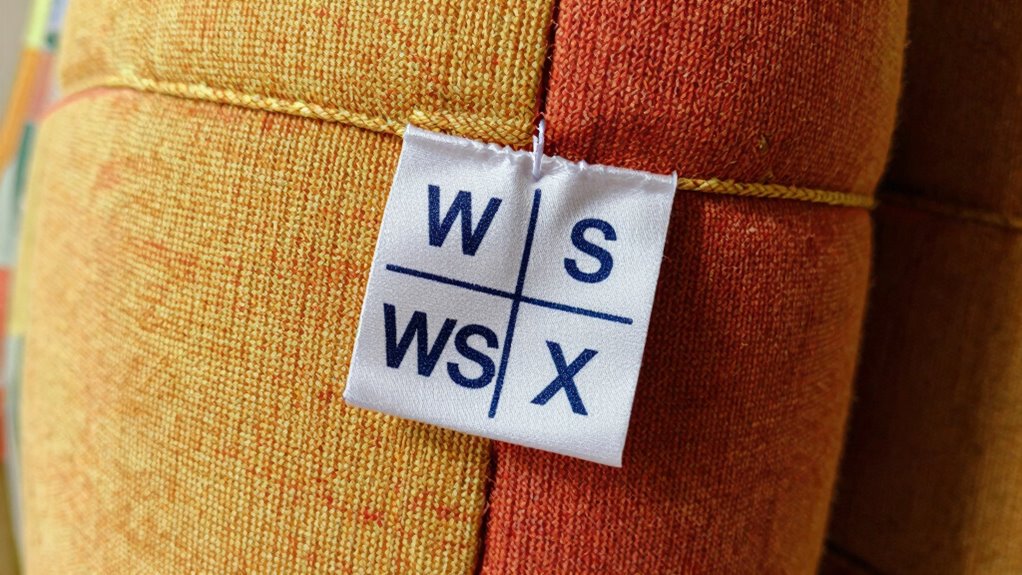
- Fabric codes such as W, S, WS, or X, which reveal cleaning instructions and fabric type.
- Any additional symbols or numbers that offer more detail about the fabric’s composition or care needs. Recognizing affiliate disclosure details can also help you understand potential considerations for purchasing or cleaning products related to your furniture.
What Do W, S, WS, and X Mean on Your Furniture Tag?
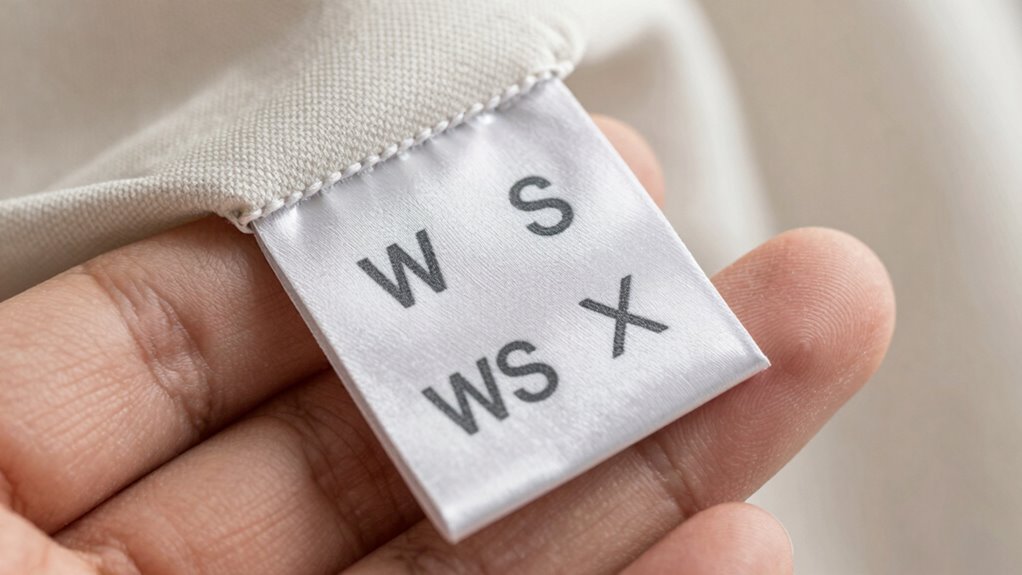
Understanding what W, S, WS, and X mean on your furniture tag helps you choose the right cleaning method. Each symbol indicates a different fabric type and cleaning recommendation, making maintenance easier. Proper cleaning techniques are essential for maintaining fabric integrity and longevity, just as selecting the right equipment is crucial for successful deep-sky imaging. Being aware of appropriate cleaning products ensures that your upholstery remains in excellent condition over time. Additionally, knowing the correct cleaning methods can prevent accidental damage and extend the life of your furniture. Recognizing fabric vulnerabilities can help you avoid common pitfalls and ensure your furniture stays looking its best.
Fabric Type Indicators
Fabric type indicators like W, S, WS, and X on furniture tags tell you how to care for your upholstery. They also reveal key details about fabric durability and stain resistance, helping you choose furniture that fits your lifestyle. Understanding free crypto opportunities can empower you to make smarter decisions beyond just furniture shopping. Recognizing these labels can also assist in selecting fabrics that are appropriate for specific cleaning methods, ensuring your furniture remains in excellent condition.
- Feel confident knowing your upholstery can withstand daily wear and tear.
- Understand which fabrics resist stains and spills, saving you time and worry.
- Select furniture that matches your cleaning routine and maintenance preferences.
Knowing these codes assures your investment lasts longer and stays beautiful. Whether you need a fabric with high durability for busy households or stain resistance for kids and pets, these indicators guide your decision. Pay attention to these labels to make informed choices and keep your furniture looking fresh for years.
Cleaning Recommendations Explained
The codes W, S, WS, and X on your furniture tag provide clear instructions on how to clean and maintain your upholstery. They help you preserve fabric durability by guiding you on suitable cleaning methods, ensuring your furniture stays looking fresh and in line with current upholstery trends. If your tag has a W, you should use water-based cleaning solutions, which are safe for most fabrics and popular in modern styles. S indicates solvent-based cleaners are best, often used for delicate or vintage pieces. WS means you can choose either water or solvent cleaners, offering versatility for various fabrics. Proper cleaning methods are essential for maintaining both the appearance and longevity of your furniture. Using the correct cleaning approach also minimizes the risk of fabric damage, which is crucial for upholstery care and keeping your furniture in top condition. Following these recommendations helps your furniture last longer, keeping up with evolving upholstery trends while maintaining its appearance. Additionally, understanding these codes can assist you in selecting appropriate cleaning products and techniques to maintain your furniture’s aesthetic and longevity.
Symbol Meaning Clarifications
When you see symbols like W, S, WS, or X on your furniture tag, they reveal the recommended cleaning methods to keep your upholstery in top shape. Understanding these symbols helps preserve your furniture’s fabric durability and stain resistance, ensuring it stays attractive longer. Using the correct cleaning method based on these codes prevents accidental damage, keeps your furniture looking its best, and extends its lifespan. Proper cleaning methods help maintain stain resistance and overall fabric durability, so your investment stays beautiful for years. Being aware of passive voice detection techniques can also improve your writing clarity and effectiveness. Additionally, understanding smart appliance care can optimize your household routines and prolong the life of your furniture and appliances alike. Recognizing the importance of fabric types can also guide you in selecting appropriate cleaning procedures, ensuring your upholstery remains in excellent condition over time. Knowing how to interpret support breakfast options can also inspire you to enjoy cozy and nourishing mornings while caring for your home.
How to Safely Clean Upholstery With W and S Codes

To clean upholstery safely with W and S codes, it’s vital to understand what each code means. W indicates water-based cleaning, while S means solvent-based cleaning. Knowing this helps preserve your upholstery’s fabric durability and guarantees you choose the right cleaning products for safety. Use water for W-coded fabrics with gentle cleaners, avoiding harsh chemicals. For S-coded fabrics, opt for solvent-based solutions, but always check for compatibility.
| Cleaning Type | Key Concern |
|---|---|
| Water-based | Prevent fabric damage |
| Solvent-based | Guarantee cleaning product safety |
| Both | Use appropriate tools and methods |
Following these guidelines keeps your furniture looking fresh and lasting longer. Proper cleaning protects your investment and maintains a safe, healthy home.
When and How to Use WS and X Codes for Cleaning and Maintenance

Understanding when and how to use WS and X codes is essential for maintaining your upholstery properly. WS codes mean you can use water-based or solvent-based cleaners, perfect for refreshes aligned with current upholstery trends. X codes indicate you should avoid all cleaning agents, making professional cleaning your best option. Use WS codes when your fabric is compatible with gentle cleaning, helping preserve its vibrant color and fabric dyeing techniques. X codes require caution to prevent damage, especially with delicate fabrics. Keep in mind:
- Embrace safe cleaning methods that sustain your furniture’s beauty
- Protect your investment by following code instructions precisely
- Enjoy the satisfaction of maintaining upholstery that reflects your style and personality
- Remember that fabric compatibility and proper cleaning techniques are key to extending the life of your upholstery
Proper use of WS and X codes keeps your furniture looking fresh and trendy.
Common Mistakes to Avoid When Cleaning Upholstery by Code
One common mistake is ignoring the manufacturer’s cleaning instructions, which can damage your upholstery. Using the wrong cleaning products is another risk, potentially causing discoloration or deterioration. To avoid these issues, always follow the code and use recommended cleaners. Additionally, understanding essential oil properties can help you select appropriate cleaning agents that won’t harm your furniture. Being aware of fabric types and their specific care needs can further prevent accidental damage during cleaning. Consulting industry standards can provide further guidance on proper cleaning techniques. Moreover, being informed about regulatory considerations can help ensure your cleaning practices comply with safety guidelines.
Ignoring Manufacturer Guidelines
Ignoring manufacturer guidelines when cleaning upholstery by code can lead to serious damage, even if you’re trying to be thorough. Many fall for manufacturer label myths, believing all cleaning methods are safe regardless of the code. But these upholstery code myths can cause irreversible harm, risking discoloration, fabric weakening, or permanent stains.
Be cautious and always follow the specific instructions linked to your furniture’s code. Remember, a misstep might seem harmless but can void warranties or ruin your furniture.
- Don’t assume all cleaning products are interchangeable.
- Avoid skipping testing patches, no matter how confident you feel.
- Never ignore the manufacturer label myths that suggest DIY cleaning is risk-free.
Respecting these guidelines keeps your furniture looking its best and prevents costly mistakes.
Using Wrong Cleaning Products
Are you sure you’re using the right cleaning products for your upholstery? Using improper cleaners can damage delicate fabrics or cause color bleeding, especially if the fabric is prone to dyeing. For instance, harsh chemicals may strip colors or worsen stains, making upholstery repair more challenging. Always match your cleaning products to the upholstery code: water-based solutions for S codes, solvent-based for W codes, or a combination for WS. Avoid using the wrong products, as they can weaken fibers or cause fabric dyeing issues. X-coded fabrics require dry cleaning only—never apply liquids. Properly selecting cleaning agents prevents unnecessary damage, preserves fabric integrity, and keeps your furniture looking its best. When in doubt, consult manufacturer recommendations to avoid costly mistakes.
Best Tools and Products for Cleaning Different Upholstery Codes
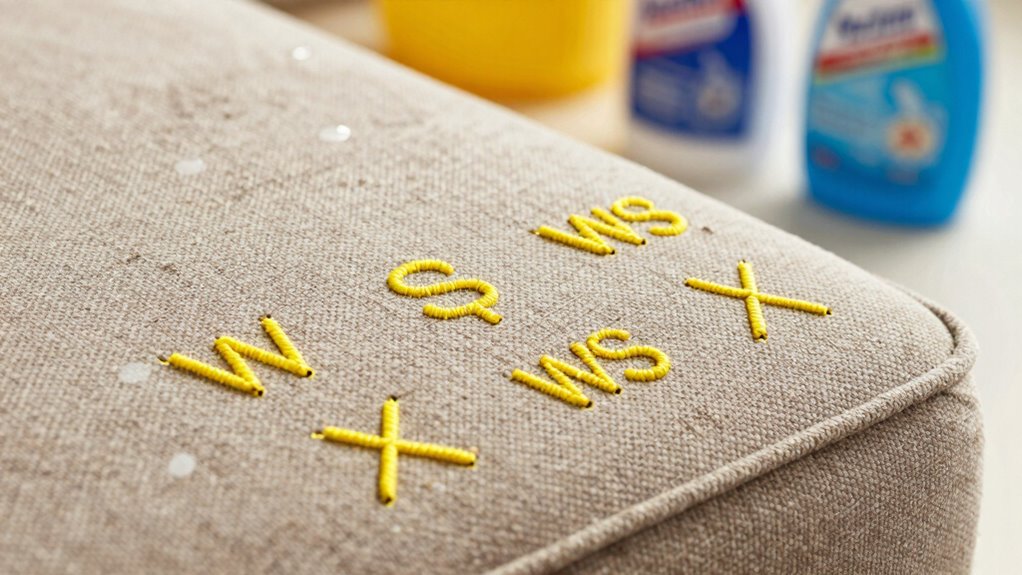
To effectively clean upholstery codes, choosing the right tools and products makes all the difference. For W fabrics, gentle vacuuming and specialized upholstery cleaners work best, helping you preserve fabric dyeing and vibrant colors. Proper cleaning techniques can prevent damage and extend the life of your furniture. Using AI-powered cleaning tools can optimize your cleaning sessions and ensure thorough results. S-coded fabrics need solvent-based solutions, so a good spray and soft brushes are essential. WS fabrics benefit from a versatile approach—use a mild cleaner with a damp cloth, avoiding harsh chemicals. For X fabrics, stick to professional steam cleaners or dry cleaning methods to prevent damage. The right tools keep your furniture looking fresh and align with current upholstery trends. Incorporating modern cleaning techniques can further enhance your results and ensure your upholstery stays in top condition. Additionally, understanding upholstery code meanings can help tailor your cleaning approach for better preservation.
What to Do If You’re Unsure About Your Fabric or Code?
If you’re uncertain about your upholstery fabric or its cleaning code, taking the wrong approach could cause more harm than good. To protect your furniture’s fabric durability, it’s best to get expert advice or consult the manufacturer. Accurate code interpretation is key; misreading a label might lead to damage. Consider contacting a professional cleaner or fabric specialist who can identify your fabric type and recommend safe cleaning methods. Use this table to guide your next steps:
| Situation | Action |
|---|---|
| Unsure about fabric type | Reach out to a professional or manufacturer |
| Confused about code interpretation | Seek expert clarification |
| Concerned about damage | Follow professional recommendations |
This ensures you preserve your furniture’s integrity without risking unnecessary damage.
Tips to Keep Your Upholstery Looking Great Longer
Keeping your upholstery looking new longer starts with regular maintenance and mindful habits. To protect fabric durability and enhance upholstery colorfastness, avoid harsh cleaners and direct sunlight. Instead, vacuum frequently to remove dirt and dust that can wear down fibers. Consider using slipcovers or throws to shield high-traffic areas, reducing wear and tear. Promptly clean spills to prevent stains and maintain vibrant colors.
Regular vacuuming and protective covers keep upholstery vibrant and durable over time.
- Regularly vacuum and dust to preserve fiber integrity
- Use protective covers to minimize damage from daily use
- Rotate cushions and flip pillows to ensure even wear
These simple steps help extend the life of your furniture, keeping it looking fresh and inviting for years to come. Proper care not only preserves fabric durability but also maintains the beauty of your upholstery’s colorfastness.
Frequently Asked Questions
Can Upholstery Codes Change Over Time or Vary by Manufacturer?
Upholstery codes can change over time and vary by manufacturer because of code evolution and manufacturer variations. You should always double-check with the manufacturer or retailer, as they might update their coding systems or interpret codes differently. Staying informed helps you understand fabric treatments and care instructions better. Don’t assume codes stay the same; always verify to make sure you’re making the right choice for your furniture.
Are There Any Upholstery Fabrics That Don’t Use These Codes?
Did you know that around 30% of upholstery fabrics are non-coded? Some alternative fabric types, like leather, microfiber, and natural fibers, don’t use these codes. You’ll find non-coded upholstery materials mainly in custom or high-end furniture, where the focus is on quality rather than standard codes. So, if you see a piece without codes, it likely uses non-coded fabrics, offering a unique and personalized look.
How Reliable Are Fabric Codes in Indicating the Actual Cleaning Needs?
Fabric codes are generally reliable indicators of cleaning needs, but they aren’t foolproof. You can trust the fabric code accuracy to a certain extent, but always follow the cleaning guidelines closely. Sometimes, codes don’t account for special finishes or fabric treatments. It’s smart to test a small, hidden area first and consult the manufacturer if you’re unsure. This guarantees you’re respecting the cleaning guideline reliability for your specific upholstery.
Do All Furniture Stores Provide Detailed Information About Fabric Codes?
Not all furniture stores provide detailed fabric store policies or upholstery code education. You might find some stores offer clear explanations of fabric codes like W, S, WS, and X, but others don’t. It’s essential to ask about their policies and request upholstery code education when shopping. This way, you’ll understand the cleaning and maintenance requirements for your furniture, ensuring you make informed decisions and keep your pieces in good shape.
Can I Use Home Cleaning Products on Fabrics Labeled With X?
You shouldn’t use home cleaning products on fabrics labeled with X, as these require professional cleaning to guarantee safety and fabric longevity. Using the wrong products can damage the fabric and void warranties. Always follow fabric code accuracy, and prioritize home cleaning safety by choosing appropriate solvents or professional services. When in doubt, consult your furniture manufacturer’s guidelines to avoid accidental damage and ensure your upholstery stays in great shape.
Conclusion
Understanding upholstery codes like W, S, WS, and X helps you clean and care for your furniture safely. Did you know that properly maintaining your upholstery can extend its lifespan by up to 50%? By following the right cleaning methods based on these codes, you protect your investment and keep your furniture looking great longer. So, always check those tags and choose the right tools—your furniture will thank you for it.