Professionals use a combination of specialized tools and techniques to remove pet hair from furniture efficiently. They often start with rubber gloves or squeegees to attract hair through friction, followed by vacuum attachments with upholstery brushes for deep cleaning. Lint rollers and damp microfiber cloths help lift stubborn hair, while regular maintenance prevents buildup. Using the right tools and methods makes pet hair easier to manage—continue exploring for expert tips to keep your furniture spotless.
Key Takeaways
- Use rubber gloves or squeegees to generate static and lift pet hair effectively from furniture surfaces.
- Vacuum with upholstery attachments and high-suction tools designed for pet hair removal.
- Employ lint rollers or electrostatic cloths for quick, efficient hair pickup on fabric and leather surfaces.
- Regularly groom pets to reduce loose hair and prevent buildup on furniture.
- Protect furniture with washable slipcovers or furniture protectors to minimize pet hair accumulation.

ESANHAO Electric Drain Auger 25ft Cordless Drain Cleaner machine auto feed plumbing snake for kitchen sink, showers, toilet et. 3/4-2" Pipe drain clog (Upgraded)
POWERFUL AND EFFICIENT DRAIN CLEANING: Experience the outstanding performance of the ESANHAO cordless drain snake and effortlessly clean...
As an affiliate, we earn on qualifying purchases.
Why Pet Hair Sticks to Furniture: And How Pros Remove It
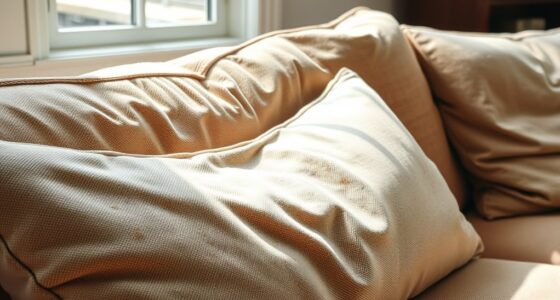
Pet hair tends to cling to furniture because of static electricity and the textured surfaces that trap fibers. Pet hair static builds up when fibers rub against each other, creating an electrostatic charge that pulls hair toward surfaces. Furniture porosity also plays a role; porous materials like fabric or leather have tiny crevices that trap pet hair, making it difficult to remove. The rougher the surface, the more fibers it can hold onto. Pros know that understanding these factors helps in choosing effective removal techniques. They often use tools designed to neutralize static or gently lift hair from textured surfaces. Recognizing how pet hair static and furniture porosity interact allows you to approach cleaning with better strategies, reducing the amount of fur left behind. Additionally, knowing that Furniture porosity influences trapping can guide you in selecting more suitable cleaning methods for different materials. Being aware of static buildup can also help in choosing products that effectively reduce electrostatic attraction. Understanding fiber interaction can further improve your cleaning effectiveness by targeting the specific causes of pet hair adhesion, such as the fiber surface texture, which directly impacts how easily hair can be removed.
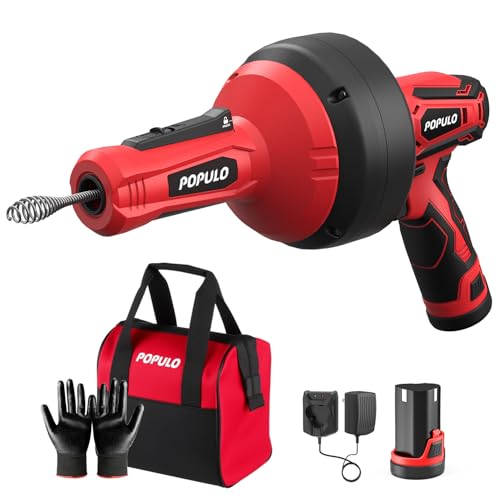
POPULO 12V Cordless Electric Drain Auger, Auto Feed Plumbing Snake Drain for Unclog Sink Drain 3/4"-2" Pipe, 16.8 FT Snake Hair Drain Clog Remover Cleaner Tools for Shower, Kitchen, Bathtub, Sink
NOTE - This electric drain snake auger is suitable for 3/4''-2''pipe. Recommended in KITCHEN SINK, BATHTUB DRAIN, SHOWER...
As an affiliate, we earn on qualifying purchases.
Choosing the Best Tools for Pet Hair Removal
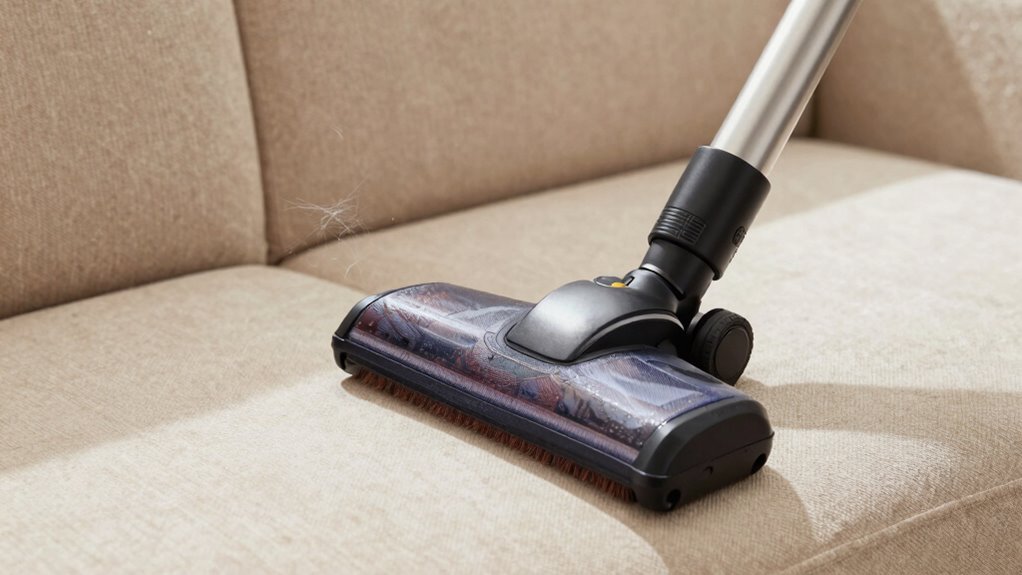
The right tools can make pet hair removal much easier, so it’s worth choosing wisely. Brushes with effective bristles can lift hair quickly, while rubber gloves help you gather it with minimal effort. Consider trying different options to find what works best for your furniture and pet hair type. Using essential oils for pet hair removal can also help loosen stubborn hair and make cleaning more efficient. Additionally, understanding the Color accuracy in projectors can inspire creative solutions for tackling pet hair challenges effectively. Incorporating Free Floating techniques into your cleaning routine can also help minimize pet hair buildup and keep your space tidy. Embracing creative storytelling for branding strategies can even motivate you to develop innovative cleaning tools tailored to your needs.
Suitable Cleaning Tools
Choosing the right tools is essential for effectively removing pet hair from furniture. Your selection of pet hair tools makes a significant difference in your cleaning routine. Look for specialized cleaning equipment designed for pet hair, such as rubber gloves, lint rollers, or vacuum attachments. These tools are easy to use and target hair without damaging your furniture’s fabric. Rubber brushes and squeegees are also highly effective, as they attract hair quickly. Make sure your tools are versatile and comfortable to handle, so cleaning becomes less of a chore. Investing in the right pet hair tools guarantees you can clean efficiently and maintain a hair-free environment. The proper cleaning equipment simplifies pet hair removal and helps keep your furniture looking fresh. Additionally, selecting tools with advanced hair removal features can further enhance your cleaning efficiency. Being aware of cleaning efficacy ensures you choose tools that deliver the best results on different fabric types, making your routine more effective. Incorporating ergonomic design into your tools can also reduce fatigue during extended cleaning sessions, making the process more comfortable. Choosing tools with ergonomic features can make cleaning less tiring and more manageable over time.
Effectiveness of Brushes
When selecting brushes for pet hair removal, it’s important to contemplate their ability to effectively lift and remove hair from various fabric surfaces. Pet hair brushes come in different styles, so choose grooming tools designed specifically for furniture and upholstery. Look for brushes with sturdy bristles or textured surfaces that can loosen hair without damaging delicate fabrics. The best pet hair brushes are versatile, making them suitable for both quick touch-ups and thorough cleaning sessions. Their effectiveness depends on their design, so test them on different materials to ensure they pick up hair efficiently. Investing in quality grooming tools will save you time and effort, leaving your furniture clean and hair-free. Remember, the design and material of the brush makes all the difference in pet hair removal, especially when paired with proper power tool techniques to optimize cleaning efficiency.
Using Rubber Gloves
Rubber gloves are a simple yet effective tool for removing pet hair from furniture, especially when you need a quick solution. As you wear the gloves, run your hands over the surface in a gentle, sweeping motion. The rubber material creates friction that lifts pet hair, trapping it in the gloves’ surface. For best results, perform a quick pet hair analysis beforehand to identify heavily affected areas. This technique complements pet grooming techniques by reducing loose hair before it spreads. Rubber gloves are reusable, affordable, and easy to clean—making them a practical choice for frequent use. Plus, they work well on various fabrics, including upholstery and cushions. Using gloves allows you to control the amount of pet hair removed with precision, saving time and effort. Additionally, the ease of use and versatility of rubber gloves make them suitable for tackling pet hair on many different types of furniture surfaces. Incorporating appropriate tools and techniques can further enhance your pet hair removal routine, making the process more efficient. Understanding furniture fabric types can help you choose the most effective cleaning methods for different surfaces. Moreover, choosing tools with multi-surface capability ensures you can clean various furniture materials effectively. Employing the right cleaning methods for fabric can also prevent damage and prolong the life of your furniture.

HANGUDA Powerful 20V 2000mAh Cordless Electric Drain Auger-25FT Auto-Feed Drain Snake for Hair Clogs in Kitchen/Bath/Shower/Toilet (3/4"-2"Pipes)
25FT Spiral Anti-Kink Drain Cable :This electric drain auger features a flexible, kink-resistant steel core cable that smoothly...
As an affiliate, we earn on qualifying purchases.
Effective Techniques for Removing Pet Hair From Different Furniture Types

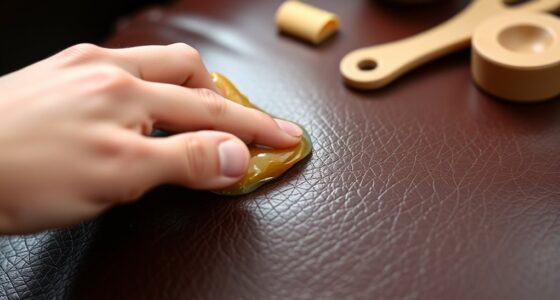
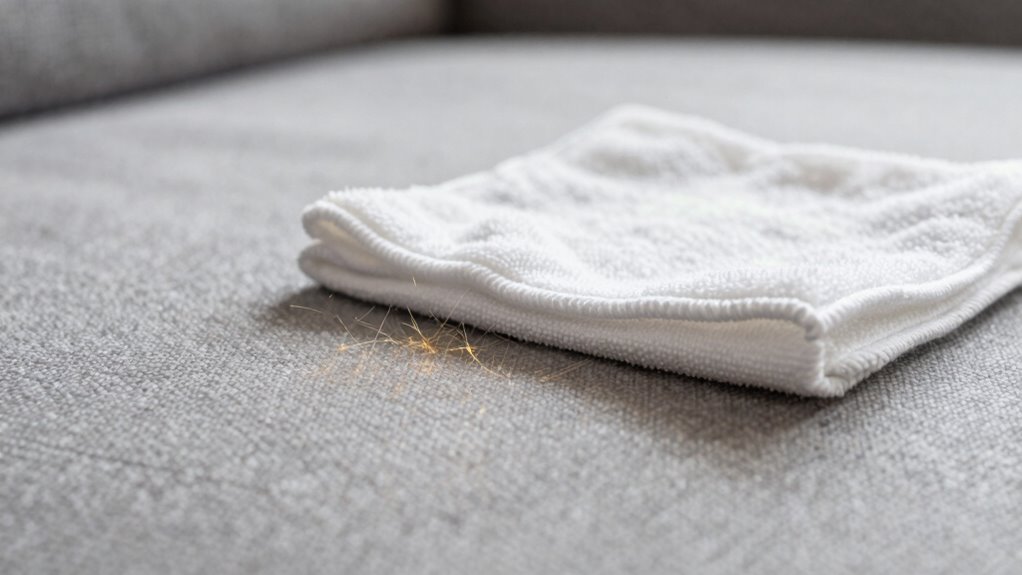
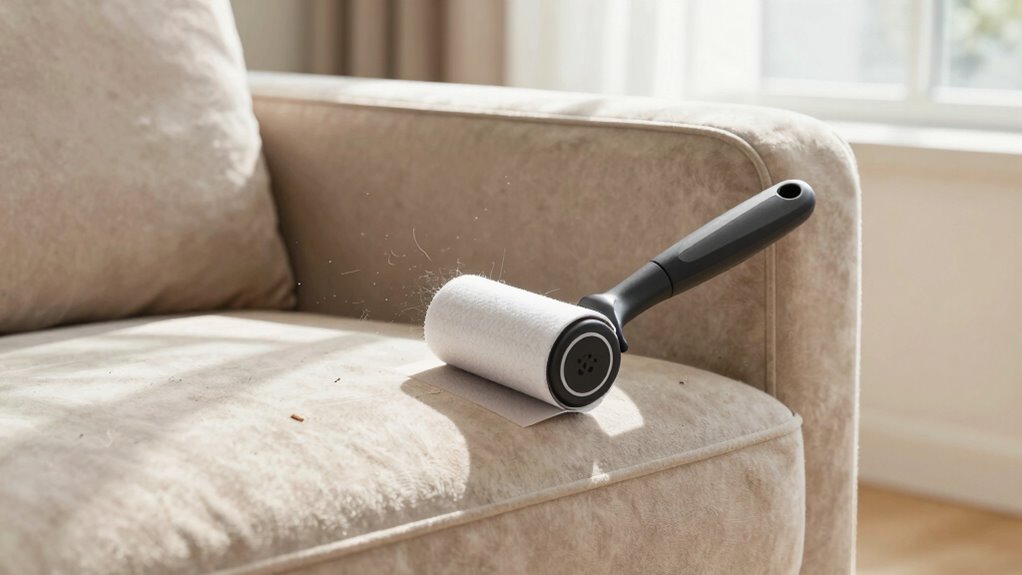
Removing pet hair from different furniture types requires tailored techniques to be most effective. For furniture upholstery, use a vacuum with a upholstery attachment to pick up pet shedding hair efficiently. A lint roller works well on fabric sofas and chairs, quickly lifting hair without damaging the material. For leather or faux leather furniture, a slightly damp microfiber cloth can gather pet hair without scratching the surface. If hair is stubborn, try using a rubber squeegee or a dampened sponge to loosen and remove it easily. Remember, each furniture type needs a specific approach: fabric responds best to sticky rollers and vacuums, while smooth surfaces benefit from damp cloths or rubber tools. Matching the technique to the furniture ensures thorough pet hair removal. Understanding the properties of different materials can help you choose the most effective method for each piece. Additionally, being aware of cleaning best practices can extend the lifespan of your furniture and keep it looking its best. Regular maintenance routines such as vacuuming frequently help prevent excessive buildup of pet hair over time. Incorporating proper cleaning tools can also make pet hair removal more efficient and less time-consuming.

Milwaukee 2772A-21 18-Volt 5/16-Inch x 35-Foot Cordless Drain Snake Kit
Cordless Drain Cleaner for 1-1/4 in. to 3in. Diameter Drain Lines
As an affiliate, we earn on qualifying purchases.
Top Professional Products to Keep Furniture Hair-Free

To effectively keep furniture free of pet hair, investing in professional-grade cleaning tools can make a significant difference. These products are tailored to handle various pet hair textures and furniture materials, ensuring thorough removal. For smooth surfaces like leather or vinyl, a high-quality upholstery brush or electrostatic cloth works wonders. For textured fabrics, a commercial lint roller with stronger adhesive or a specialized pet hair removal tool is more effective. Vacuum attachments designed for pet hair often feature stronger suction and spinning brushes that lift hair from deep within fibers. Using these professional products regularly helps maintain a clean, hair-free surface. They’re essential investments for pet owners who want professional results without damaging delicate furniture or spending extra time cleaning.
Preventative Tips to Minimize Pet Hair on Your Furniture

Implementing simple preventative measures can substantially reduce the amount of pet hair that ends up on your furniture. Start by choosing furniture fabric that’s less prone to trapping hair, such as leather or tightly woven textiles. Regular grooming of your pet minimizes loose hair and dander, which helps reduce allergic reactions for pet allergies sufferers. Use slipcovers or furniture protectors that are easy to remove and wash frequently, preventing hair buildup. Encourage your pet to stay off furniture or designate specific areas for them, reducing overall hair transfer. Vacuum your furniture regularly with a pet-specific attachment to catch loose hair before it settles. These tips not only keep your furniture cleaner but also create a healthier environment, especially for those sensitive to pet allergies.
Routine Maintenance for Long-Lasting Hair-Free Furniture

To keep your furniture hair-free for longer, make vacuuming a regular habit. Using protective covers can also catch pet hair before it settles deep into the fabric. These simple steps make maintenance easier and extend the life of your furniture.
Regular Vacuuming Routine
Regular vacuuming is essential for keeping pet hair off your furniture and maintaining its appearance. Many pet hair myths suggest that vacuuming isn’t effective, but consistent cleaning proves otherwise. Establishing a regular furniture cleaning schedule prevents pet hair buildup and keeps your space tidy. Use a vacuum with a brush attachment or upholstery tool to remove hair thoroughly without damaging fabric. Aim to vacuum at least twice a week, especially if your pet sheds heavily. This routine helps prevent hair from embedding deep into fibers, making future cleanings easier. Remember, neglecting regular vacuuming can lead to stubborn hair accumulation and potential allergen buildup. Staying consistent with your vacuuming routine guarantees your furniture stays clean, fresh, and pet hair-free longer.
Protective Furniture Covers
Have you considered how protective furniture covers can extend the life of your pet-hair-free furniture? These covers provide an extra layer of fabric protection, making it easier to keep pet hair off your furniture. Look for covers made with pet hair repellents, as these resist hair adhesion and simplify cleaning. They act as a barrier, preventing pet hair from embedding into the upholstery and reducing the need for frequent vacuuming. Plus, many covers are machine washable, so you can maintain a fresh, hair-free surface easily. Protective furniture covers are especially effective in homes with multiple pets or long-haired animals. By investing in high-quality covers, you protect your furniture’s fabric integrity and enjoy a cleaner, more comfortable living space without the constant battle against pet hair.
Troubleshooting Common Pet Hair Removal Challenges
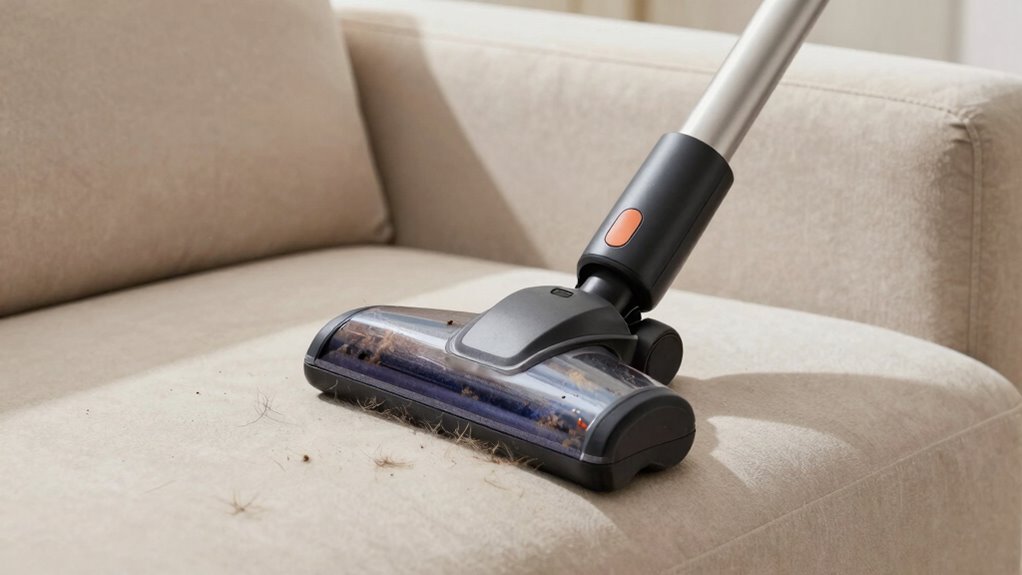
Pet hair can be stubborn to remove from furniture, especially when it clings tightly to fabric fibers. If you’re facing challenges, don’t fall for pet hair removal myths that suggest quick fixes. Instead, focus on proven techniques tailored to your furniture type. Common pet hair questions often include how to deal with deeply embedded hair or static cling. To troubleshoot, try using a slightly damp rubber glove or a lint roller for stubborn spots. If hair keeps bouncing back, check your cleaning tools—sometimes, the issue is equipment, not method. Remember, consistent maintenance is key. Understanding your furniture’s fabric and using the right tools can resolve most pet hair removal challenges. Don’t get discouraged—patience and proper techniques make all the difference.
Frequently Asked Questions
Can Certain Furniture Materials Naturally Repel Pet Hair?
Some furniture materials naturally repel pet hair due to their fabric durability and weave. Leather and microfiber, for instance, tend to shed less hair because their smooth surfaces prevent hair from sticking easily. To improve pet hair strategies, choose these materials for your furniture. Regular cleaning and brushing can also help keep pet hair at bay, making your space more comfortable and reducing the effort needed to maintain cleanliness.
How Often Should I Deep Clean My Furniture for Pet Hair Removal?
Think of your furniture as a treasured garden that needs regular tending. You should deep clean your furniture at least once a week to effectively remove pet hair and maintain its beauty. Incorporate pet hair tips like vacuuming with a brush attachment and using lint rollers. This routine keeps your space inviting and shows your love for your pets while ensuring your furniture stays pristine and comfortable.
Are There Eco-Friendly Pet Hair Removal Options Available?
Yes, eco-friendly pet hair removal options are available. You can use tools made from recycled materials, like silicone brushes or microfiber cloths, which effectively lift hair without harsh chemicals. These eco-friendly tools are gentle on your furniture and the environment. By choosing products crafted from recycled materials, you reduce waste and support sustainability. Regular use of these sustainable options keeps your furniture clean while caring for the planet.
Does Humidity Affect Pet Hair Adherence on Furniture?
Humidity levels do affect pet hair adhesion on furniture. When the air is humid, pet hair tends to stick more firmly to surfaces because moisture increases static and friction. Conversely, in dry conditions, hair is more likely to shed easily. To manage this, keep humidity levels balanced with a dehumidifier or humidifier, depending on your climate, and regularly clean your furniture to reduce pet hair buildup effectively.
Can Grooming Pets Reduce the Amount of Hair on Furniture?
Think of grooming routines as a magic wand for pet shedding. Yes, grooming your pets regularly reduces the amount of hair they shed onto your furniture. Brushing removes loose fur before it falls, keeping your home cleaner. Plus, it promotes healthier skin and coats. So, by staying consistent with grooming routines, you actively cut down on pet shedding, making furniture cleaning much easier and less frequent.
Conclusion
Now that you know the pros’ secrets, banishing pet hair from your furniture becomes effortless. With the right tools, techniques, and prevention tips, you’ll turn your space into a hair-free sanctuary—faster than you ever imagined possible. Don’t let pet hair take over your home; take control today and enjoy furniture so clean, it’ll make your friends think you’ve got a magic wand. Get ready to impress with your flawlessly hair-free furniture!