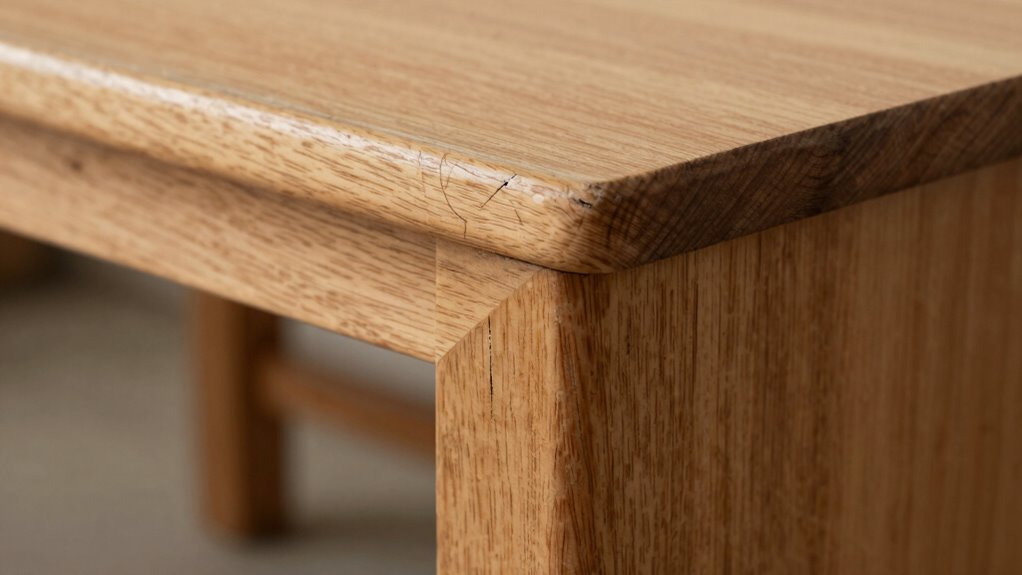

To spot early signs of furniture frame damage, look for small cracks, warping, or wobbliness. Check for loose joints, squeaky sounds, or uneven surfaces that might indicate internal issues. In metal pieces, watch for rust spots, peeling paint, or bends. Keep an eye on shifts in position or stability. Catching these signs early can save you from costly repairs—continue exploring to learn how to keep your furniture in top shape.

Get furniture and decor delivered free — and shop member deals
- Fast, free delivery on millions of items
- Access to Prime Big Deal Days deals on October 6–7
- Prime Video, Amazon Music and more included
Key Takeaways
- Look for small cracks, splits, or warping on the furniture surface.
- Check for wobbliness or unevenness indicating internal support issues.
- Inspect joints for looseness, creaking, or squeaking sounds.
- Observe for rust, corrosion, or peeling paint on metal frames.
- Monitor for visible bends, shifts, or signs of deterioration over time.
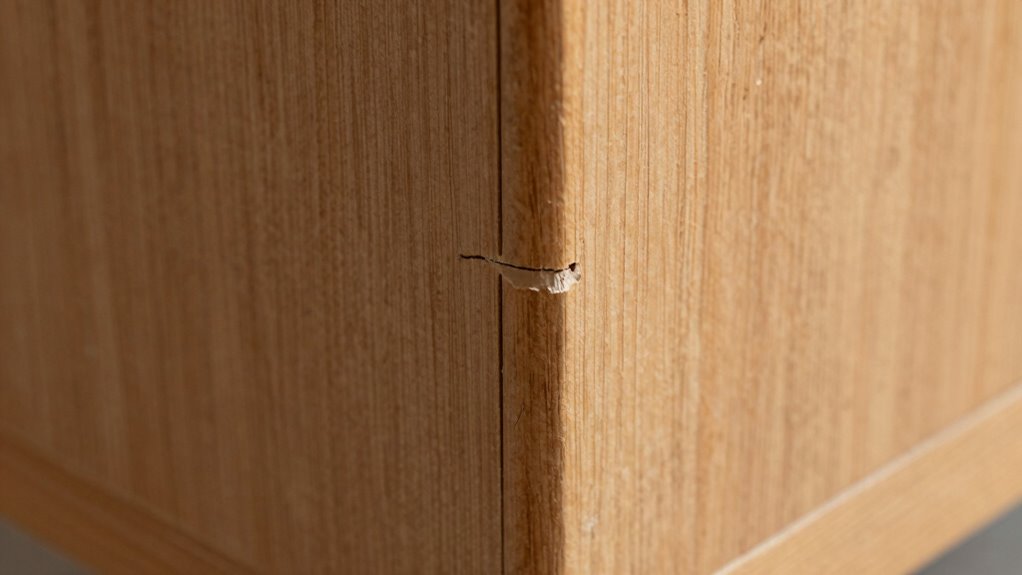
Furniture frame damage can develop gradually, making it difficult to notice until it’s too late. Whether you’re dealing with wooden furniture or metal frames, early signs of damage are often subtle but vital to catch. Recognizing these signs helps you prevent further deterioration and extend the life of your furniture.
Early signs of furniture damage are subtle but crucial for preventing costly repairs.
For wooden furniture, one of the first indicators is the appearance of small cracks or splits in the wood. These cracks might seem minor at first, but if they start to widen or multiply, it suggests the wood is weakening. You might also notice the surface becoming uneven or wobbly, especially if the joints aren’t holding as they should. Loose or squeaky joints are a clear warning sign that the frame is under stress. Additionally, if you see the furniture sagging or leaning in one direction, it indicates the internal support structure may be compromised. Changes in color or the presence of warping can also signal moisture damage or wood rot, which can further weaken the frame if left unaddressed. Regular inspections can help identify early damage signs before they become severe.
When it comes to metal frames, issues tend to be less obvious initially but can become apparent through different signs. Rust spots or corrosion on the surface usually indicate exposure to moisture, which can erode the metal over time. These spots might be small at first but can spread and cause structural weakness. You might also notice creaking or squeaking sounds when using the furniture, especially if the joints or welds are loosening. In some cases, the metal frame may develop visible bends or deformations, signaling that the integrity of the structure is compromised. If you observe any peeling paint or flaking metal, it’s a sign that corrosion is progressing and needs attention.
No matter the material, you should be alert to any unusual sounds, shifts, or visual changes in your furniture. Regularly inspecting your pieces for these early signs allows you to take action before the damage worsens. Tightening loose joints, applying protective treatments, or seeking professional repairs at the first sign of trouble can save you money and prolong your furniture’s lifespan. Catching damage early, whether it’s wooden furniture cracking or metal frame issues developing, is the best way to keep your furniture sturdy, safe, and looking good for years to come.
As an affiliate, we earn on qualifying purchases.
Frequently Asked Questions
Can Furniture Frame Damage Be Repaired Easily?
Yes, furniture frame damage can often be repaired, especially if caught early. You can perform furniture repair by reinforcing the structure with additional supports or structural reinforcement techniques. Small cracks or loose joints are easier to fix, but extensive damage might need professional help. Using wood glue, screws, or brackets, you can restore stability, saving you money and extending your furniture’s lifespan. Always assess the damage before attempting repairs.
How Often Should I Inspect My Furniture for Damage?
You should inspect your furniture at least every three to six months, following a regular maintenance schedule. Use inspection tips like checking for wobbling, cracks, or loosened joints. Regular checks help catch early signs of damage before they worsen, saving you money and hassle. If you notice issues, address them promptly to prolong your furniture’s lifespan. Consistent inspections keep your furniture in good condition and guarantee safety and stability.
Does Frame Damage Affect the Furniture’s Safety?
Yes, frame damage can compromise your furniture’s safety. When the structural stability weakens due to material deterioration, it increases the risk of collapse or injury. You might notice wobbling, cracks, or uneven surfaces, which signal that the frame is compromised. Ignoring these signs can lead to further damage, so it’s essential to address frame issues early on to guarantee your furniture remains safe and functional.
Are Certain Furniture Materials More Prone to Early Damage?
Ironically, you might think the most durable materials are the safest, but some, like particleboard, are more prone to early damage due to manufacturing flaws. Solid wood and metal often withstand wear better, thanks to their material durability. Yet, even these can suffer if quality control slips. So, while some materials seem tougher, always check for manufacturing flaws—they’re the sneaky culprits behind early damage.
What Tools Are Best for Assessing Frame Integrity?
You should use a flashlight and a mirror to inspect the furniture’s frame closely, checking for any cracks or looseness. A pry bar can gently test for frame stability, and a measuring tape helps verify consistent structural integrity. Tapping the frame with your knuckles reveals any hollow or weak spots. Regular inspections with these tools help guarantee your furniture maintains its structural integrity and remains safe over time.
Conclusion
By staying vigilant and inspecting your furniture regularly, you can catch early signs of frame damage before it worsens. Look for wobbly legs, creaking sounds, or cracks in the wood—these are often the first clues. Trust your intuition; if something feels off, it probably is. Addressing issues early isn’t just about preserving your furniture’s beauty but also ensuring your safety. A little attention now can save you from costly repairs later.
Fall Picks
fall essentials
As an affiliate, we earn on qualifying purchases.