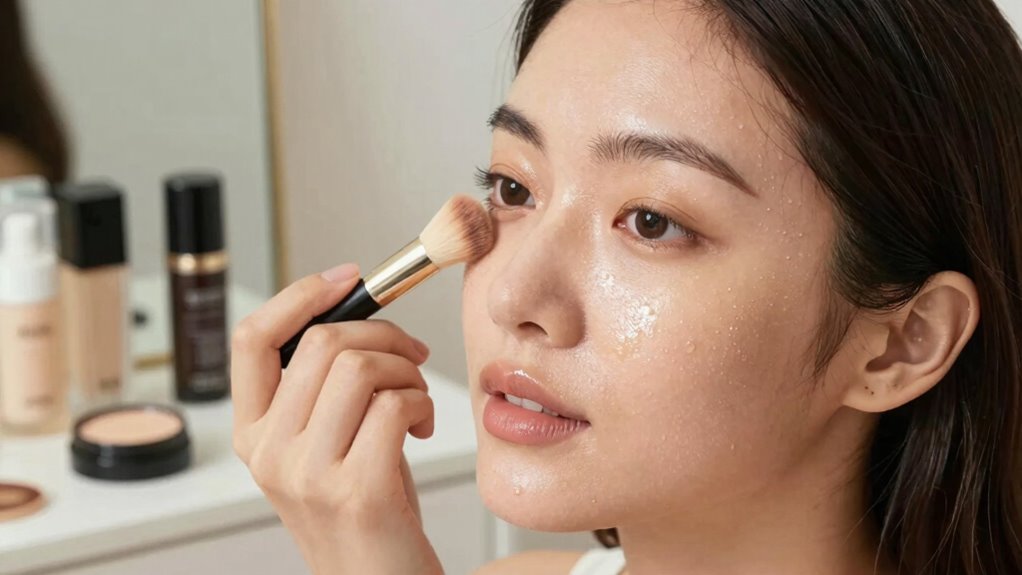
Knowing when to use primer depends on your skin type and makeup needs. If you have oily skin, long days ahead, or want a smoother finish, primer can help your makeup last longer and control shine. But if your skin is hydrated, smooth, and you prefer a natural look, you can skip it to save time. For tips on choosing and applying primer wisely, keep exploring these helpful secrets.
Key Takeaways
- Use primer for oily or long-lasting makeup needs, but skip it on smooth, hydrated skin for a natural look.
- Choose the right primer based on skin type and concerns to enhance application and longevity.
- Apply primer only where needed, such as around pores or fine lines, to avoid overuse and heaviness.
- Natural skin texture and minimal imperfections may not require primer, saving time and maintaining a fresh appearance.
- Proper surface prep and minimal product layering can sometimes replace the need for primer altogether.
What Is the Purpose of Primer in Your Makeup Routine?
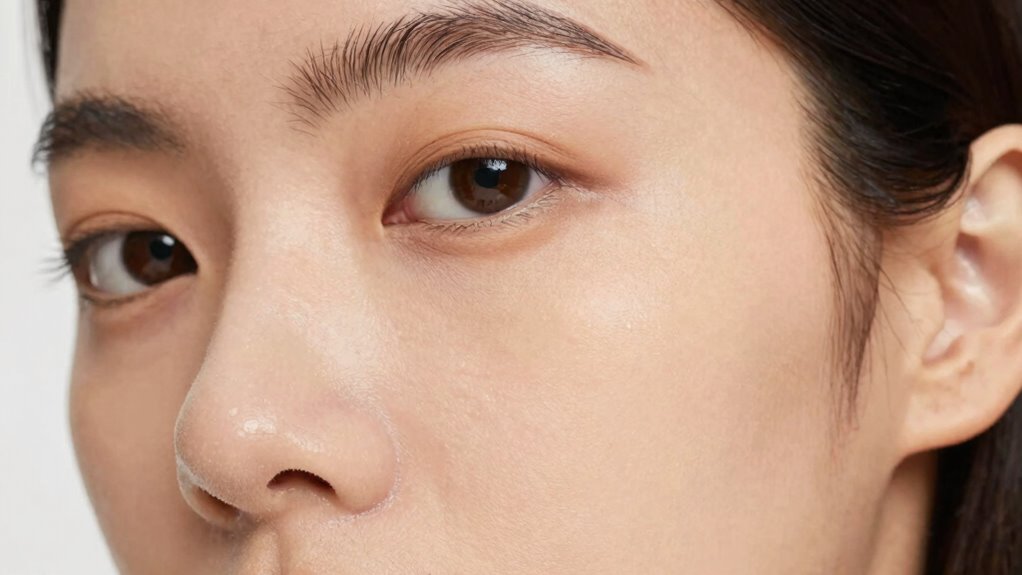
Primer serves as the foundation for your makeup, helping to create a smooth, even surface on your skin. When you apply primer, you’re setting the stage for better makeup application and enhanced makeup longevity. Primer application fills in fine lines, minimizes pores, and controls oil, ensuring your foundation glides on seamlessly. It also helps your makeup stay put longer by creating a barrier that prevents sweat and oil from breaking it down. Without primer, your makeup might look cakey or fade quickly throughout the day. Using the right primer for your skin type makes a noticeable difference, making your overall look more polished and long-lasting. Additionally, choosing a primer that matches your skin’s needs can optimize your results, ensuring a more flawless finish. Proper primer application can also enhance skin texture, contributing to a more radiant appearance. In the context of skincare, understanding how skin preparation impacts makeup longevity can help you tailor your routine more effectively. A good understanding of makeup primer technology can further help you select the most suitable product for your needs.
How Do You Know If You Should Use Primer Every Day?
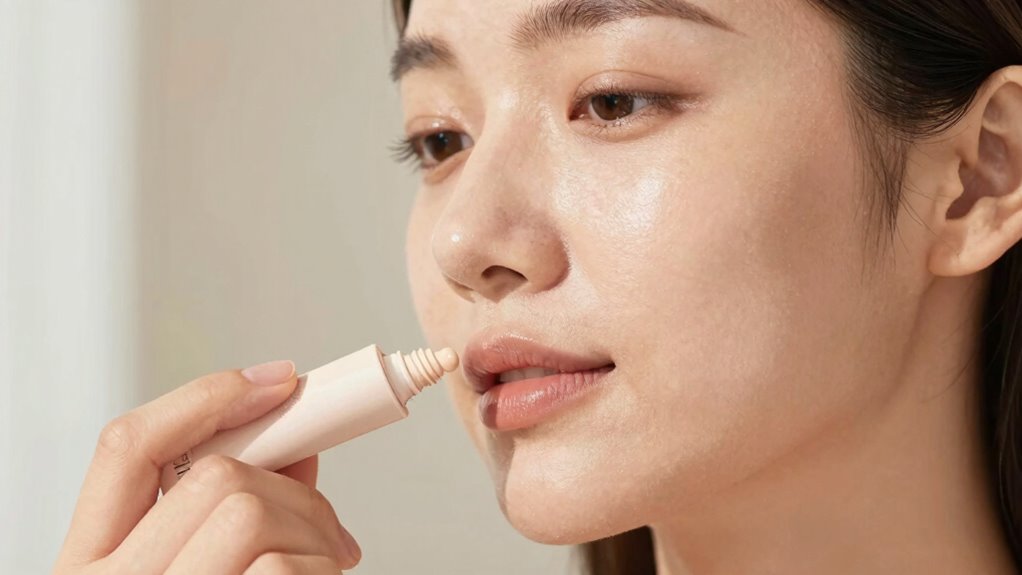
Wondering if you should incorporate primer into your daily routine? It’s a common question, often fueled by priming myths that suggest everyone needs it every day. The truth is, not everyone does. If your skin is oily, prone to breakouts, or you want longer-lasting makeup, using a primer daily can be beneficial. However, if your skin is dry or sensitive, you might find primer unnecessary or even irritating. Also, consider primer alternatives like a moisturizer or serum with similar benefits, which can sometimes do the trick without the added step. Listen to your skin’s needs and experiment to see if a primer improves your makeup look or feels like an extra step. Ultimately, daily use depends on your skin type and personal preference.
When Can You Skip Primer to Save Time Without Ruining Your Look?
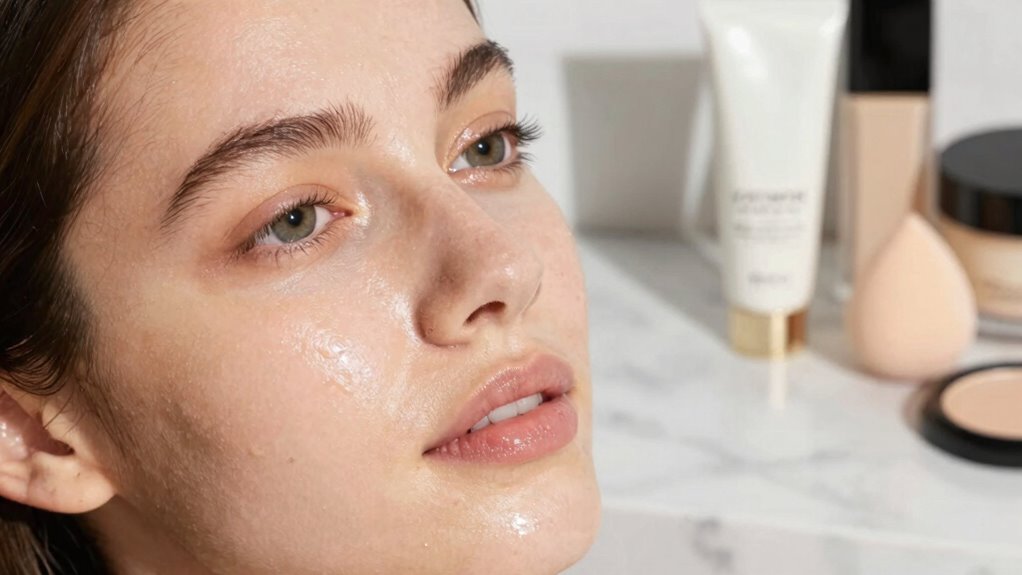
On minimal makeup days or when your skin feels smooth and even, you can skip primer without worry. If you’re only applying light coverage or want a more natural look, primer might not be necessary. Just keep in mind that skipping it could affect how long your makeup stays put.
Minimal Makeup Days
You can often skip primer on days when your skin feels smooth, hydrated, and free of excess oil. If your goal is a minimal makeup look, skipping primer won’t compromise your overall appearance. Without primer, your foundation may still benefit from a slight texture enhancement, but if your skin is already even, you won’t lose much. When color correction isn’t necessary, skipping primer saves time and effort. This approach works best if you’re using a lightweight foundation or tinted moisturizer that adheres well to your skin. Keep in mind, if you’re aiming for a long-lasting or more polished finish, a primer can provide extra staying power. But for quick, natural days, skipping primer is perfectly fine and won’t ruin your look. Understanding skin texture can help you decide when primer is truly necessary for your routine. Additionally, considering air quality and its impact on your skin may influence your choice to apply primer, especially in urban environments with higher pollution levels. Using knowledge about environmental factors can help you tailor your skincare and makeup routine more effectively. Being aware of skin sensitivities can also guide you in determining whether a primer might cause irritation or not. Moreover, choosing primers formulated with gentle ingredients can benefit sensitive skin types.
Natural Skin Texture
When your skin’s texture is smooth, hydrated, and free of excess oil, skipping primer can be a time-saver without sacrificing your natural look. Textured skin, with visible pores or unevenness, often leads to the misconception that primer is always necessary. However, primer myths suggest it’s essential for every skin type, which isn’t true. If your skin is well-prepped and your natural texture isn’t pronounced, you can confidently skip primer and still achieve a flawless appearance. This saves time and simplifies your routine. Keep in mind, skipping primer isn’t ideal if you have large pores or uneven skin, but for many, embracing their natural texture without primer can look just as polished.
Light Coverage Needs
If your goal is light coverage that enhances your natural look, skipping primer can save you time without compromising your appearance. When aiming for a matte finish or a subtle glow, primers are often optional, especially if your skin is well-prepped. If your skin is smooth and even, you can confidently skip primer before applying lightweight foundations or tinted moisturizers. However, if you plan to create bold looks or layers of makeup, a primer can help with longevity and control shine. For everyday wear, skipping primer won’t ruin your look; it keeps your routine simple and quick. Just make sure your skin is clean and moisturized. This way, you maintain a fresh, natural appearance without sacrificing the quality of your makeup. Understanding your skin type can help determine whether primer is necessary for your routine. Additionally, knowing your skin’s history with makeup can guide you in deciding when primer is beneficial.
How to Choose the Right Primer for Your Skin Type and Concerns?
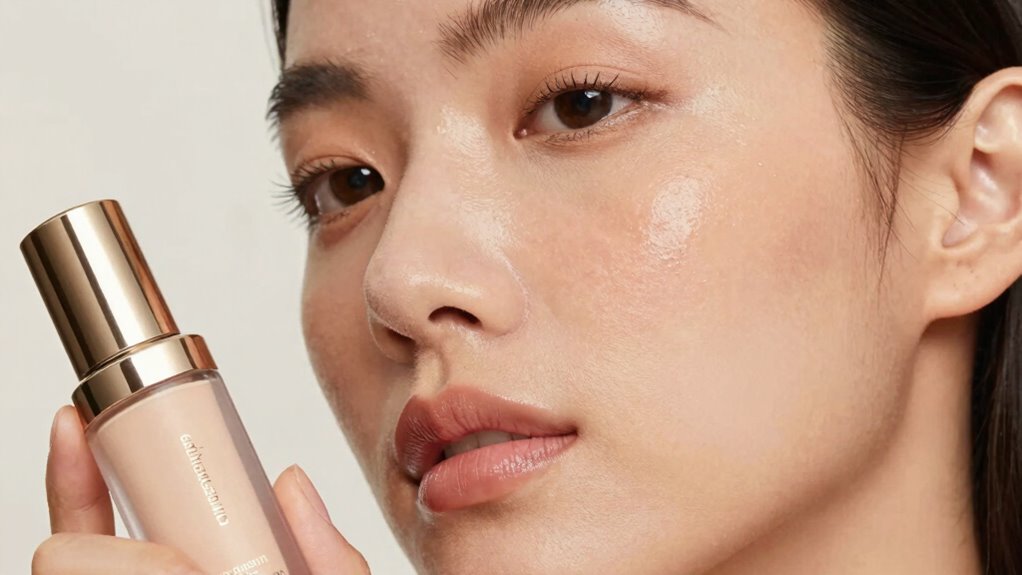
Choosing the right primer starts with understanding your skin type and concerns. Whether you have oily, dry, or sensitive skin, there’s a formula that works best for you. Identifying your specific needs helps you select a primer that enhances your look and addresses issues effectively. Additionally, considering skin care considerations can help ensure that the primer complements your overall skincare routine and provides long-lasting results.
Skin Type Compatibility
Ever wonder how to pick a primer that truly works for your skin? Your skin type guides your choice, so consider these tips:
- For oily skin, choose mattifying primers that control shine and reduce oiliness.
- If you have dry skin, look for hydrating primers with ingredients like hyaluronic acid.
- Sensitive skin requires gentle formulas free of irritants; check ingredient sensitivities beforehand.
- For a natural look, select a primer with color matching to enhance your skin tone without looking cakey.
- Knowing your skin type can help you stay proactive about your health and early detection. Additionally, understanding your specific skin needs can aid in selecting products that prevent irritation and promote skin balance.
- Incorporating holistic SEO practices into your skincare routine, like choosing products suited to your overall skin health, can enhance your results and skin confidence.
Matching your primer to your skin type ensures better adhesion and longevity. Be mindful of ingredient sensitivities, and pick formulas suited for your needs. This way, your makeup will look flawless and feel comfortable all day.
Addressing Specific Concerns
Selecting the right primer depends on understanding both your skin type and specific concerns. If you have oily skin, opt for mattifying primers to control shine. For dry skin, hydrating formulas help boost moisture. Addressing concerns like redness or dullness requires primers with calming or brightening ingredients. Remember, primer myths can lead you astray—like thinking all primers are the same. Proper application techniques ensure your primer performs well; apply a thin, even layer and let it set before makeup. Here’s a quick guide:
| Skin Concern | Recommended Primer Type | Key Benefit |
|---|---|---|
| Oily Skin | Mattifying | Controls shine |
| Dry Skin | Hydrating | Boosts moisture |
| Redness/Dullness | Color Correcting | Calms or brightens |
Common Mistakes That Lead to Overreliance on Primer?

Have you ever found yourself relying too heavily on primer without considering its limitations? Many fall into priming misconceptions, thinking primer always guarantees perfect results. This leads to unnecessary priming, wasting time and product. To avoid this, watch out for common mistakes:
Relying too heavily on primer can lead to wasted time and overlooked surface needs.
- Using primer on already smooth surfaces—it’s unnecessary priming.
- Relying solely on primer for surface preparation, ignoring proper cleaning.
- Applying excessive primer, which can cause uneven finishes.
- Assuming primer works like paint, covering imperfections that need fixing first.
Overreliance on primer can mask underlying issues or create a false sense of security. Understanding when primer is truly needed helps prevent these pitfalls and ensures you achieve the best finish without overdoing it.
Are There Good Alternatives to Primer for a Smooth, Long-Lasting Finish?
While primer is a common solution for achieving a smooth, long-lasting finish, there are alternative methods that can sometimes deliver better results depending on the project. For example, using alternative textures like sanding or applying a bonding agent can improve adhesion and create a more durable surface. If you prefer a natural finish, consider prepping your surface with thorough cleaning and minimal smoothing to preserve its authenticity, reducing the need for primer. Some paints are formulated to adhere directly to surfaces without primer, especially high-quality ones designed for specific materials. These options can save time and maintain the desired look, especially when a textured or natural finish is your goal. Additionally, understanding surface preparation techniques can help you determine whether primer is necessary or if alternative methods will suffice. Employing sound therapy techniques can also be useful in certain contexts to enhance surface adhesion or surface bonding in specialized applications. Consulting with architectural experts can provide tailored guidance to optimize your project outcomes. Moreover, selecting high-quality paints with superior adhesion properties can sometimes eliminate the need for primer altogether.
How Often Should You Use Primer: Daily or Only for Special Occasions?
You should generally use primer only when necessary, such as before applying a new coat of paint or tackling a challenging surface. The application frequency depends on the task at hand and your routine necessity. Here’s what to contemplate:
- Use primer sparingly in your routine unless you’re preparing surfaces regularly.
- Reserve primer for projects requiring extra adhesion or stain blocking.
- Daily use isn’t needed unless you’re doing frequent home renovations.
- For occasional touch-ups or new projects, applying primer is a smart move.
Ultimately, primer isn’t part of your daily routine but a strategic tool for specific situations. Overusing it can be unnecessary and wasteful, so apply only when the surface or project demands it.
Tips to Incorporate Primer Into Your Routine Without Overdoing It?
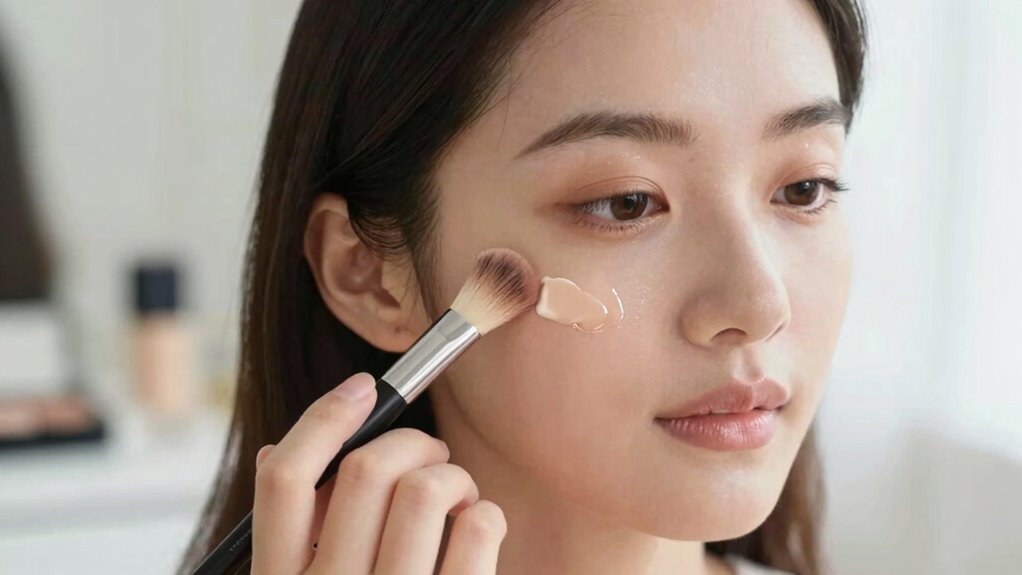
To incorporate primer into your routine without overdoing it, start by evaluating each project’s specific needs. Focus on a light primer application, applying just enough to create a smooth base without excess. Using too much can weigh down your skin and diminish makeup longevity. For everyday wear, a small amount concentrated on areas needing extra help, like around the nose or on fine lines, is sufficient. If you want enhanced makeup longevity, opt for a primer that suits your skin type and use a thin layer. Remember, less is more—overapplication can lead to cakiness or a greasy look. Proper primer application guarantees your makeup stays fresh longer without feeling heavy or unnatural. Additionally, understanding the fundamentals of application techniques can help you achieve a natural look without overdoing it.
Frequently Asked Questions
Can Primer Be Used as a Moisturizer or Primer Hybrid?
You can use primer as a moisturizer or a primer hybrid, especially if it has hydrating ingredients. This combo offers the benefits of a primer and moisturizer, saving you time. Primer hybrid benefits include smoother application and longer-lasting makeup. Just make certain your primer has moisturizing properties, so it nourishes your skin while prepping it for makeup. It’s a convenient way to streamline your routine without sacrificing skincare benefits.
How Long Does Primer Typically Last on the Skin?
Primer typically lasts on your skin for about 8 to 12 hours, depending on its formulation stability and your skin type. To maximize product longevity, choose a primer suited to your skin and apply it evenly. Keep in mind, oil-based primers tend to last longer, while water-based ones may need touch-ups. Always consider your environment and activity level, as these factors also influence how long primer stays fresh.
Is Primer Suitable for Sensitive or Acne-Prone Skin?
If you have sensitive or acne-prone skin, primer can be appropriate when you choose formulas designed for those concerns. For example, a person with sensitive skin found that an alcohol-free, hypoallergenic primer reduced irritation and prevented breakouts. Look for products labeled “sensitive skin concerns” or “acne-prone formulations” to verify compatibility. Always patch test first to avoid adverse reactions and enjoy smoother makeup application without compromising your skin’s health.
Can Primer Help With Skin Redness or Discoloration?
Yes, primer can help with skin redness or discoloration through color correction. You should choose a primer with green or purple undertones to neutralize redness and even out your skin tone. Applying the right primer creates a smooth base, reducing the appearance of discoloration and redness. Use it before foundation for a more balanced, flawless look. Just make certain you pick a formula suited for your skin type for the best results.
What Ingredients Should I Avoid in Primer Formulations?
You should avoid primers with ingredients to avoid like alcohol, parabens, synthetic fragrances, and talc, as they can irritate your skin or cause breakouts. Harmful additives like phthalates or sulfates are best skipped because they may trigger sensitivities or long-term health concerns. Always check the ingredient list and opt for products with soothing, nourishing components like hyaluronic acid or natural extracts to keep your skin healthy and comfortable.
Conclusion
Knowing when to use primer, choosing the right one, and avoiding overreliance help you achieve a flawless look. Whether you’re aiming for long-lasting perfection or a quick touch-up, understanding your skin and your routine makes all the difference. Use primer wisely, skip it when you need to save time, and explore alternatives to keep your skin healthy. Master these tips, and your makeup will always look fresh, smooth, and effortlessly beautiful.