
Understanding fabric weights, weaves, and care is key to successful home sewing. Light fabrics like chiffon are delicate, while medium-weight fabrics such as cotton are versatile. Heavy fabrics like denim are durable but tricky to work with. Choose your fabric based on its weave pattern and care instructions, and handle with gentle techniques. Keep learning tips on fabric selection and maintenance to make your sewing projects easier and more rewarding.
Key Takeaways
- Understand fabric weights: lightweight for delicate projects, medium for versatility, heavy for durability.
- Recognize different weaves—plain, twill, satin—that affect texture, strength, and appearance.
- Follow care labels: wash gently, use cold water, and dry flat to maintain fabric integrity.
- Match fabric weight and weave to your sewing project for best drape, durability, and ease of sewing.
- Know essential terms like fiber content and fabric finish to select appropriate fabrics and ensure successful sewing.

SUAWY 108 Inch Sectional Sleeper Sofa with Pull Out Bed, U Shaped 7 Seat Modular Sectional Sofa with Storage, Sectional Couches for Living Room, Cloud Modular Couch,Removable Sofa Cover, Dark Grey
Multiple Package Issues: Multiple package may not arrive at the same time. If you have any questions about...
As an affiliate, we earn on qualifying purchases.
Understanding Fabric Weights: Light, Medium, and Heavy
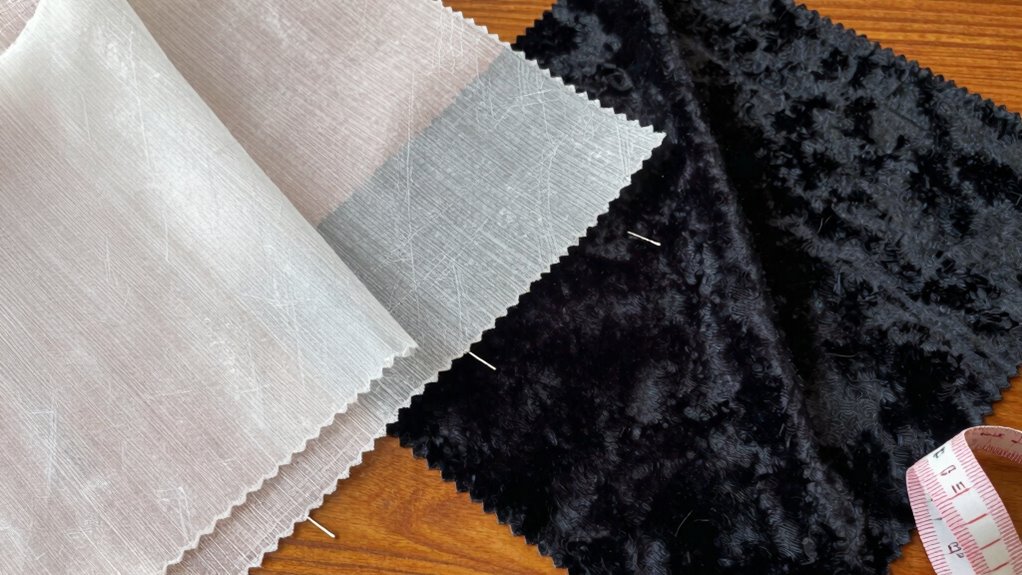
Understanding fabric weights is essential for choosing the right material for your project. Light fabrics, like chiffon or lawn, are ideal for delicate garments but often have limited fabric stretch properties, making them less forgiving during sewing. Medium-weight fabrics, such as cotton or linen, offer more stability and versatility, suitable for apparel and home décor. Heavy fabrics, like denim or canvas, provide durability and structure but can be more challenging to work with. Knowing the weight helps you select suitable fabric dyeing techniques to achieve the desired color intensity and evenness. It also informs how the fabric will behave during sewing—lighter fabrics may require gentle handling, while heavier ones need stronger stitches. Understanding fabric structure and composition ensures your project turns out just as you envision. Additionally, being aware of the fabric weight classification can help you anticipate how the fabric will perform in different sewing techniques and projects, leading to more successful results. Being familiar with fabric properties such as drape and stretch can further improve your fabric choices and project outcomes. Mastering fabric weights ensures your project turns out just as you envision. Recognizing the fabric’s interaction with dyes can also influence your color choices and techniques for best results. Moreover, understanding how fabric weaves and finishes affect texture and appearance can help you select the most appropriate material for your specific sewing project.

Merax Modern TV Stand Set w/Adjustable Bridge, Storage Media Console & Wall Units - Minimalist Entertainment Center for Living Room, White
CUSTOMIZABLE LAYOUT: Overhead bridge mounts to cabinets or wall separately for variable heights (match any TV setup)
As an affiliate, we earn on qualifying purchases.
Fabric Weaves: How Patterns Affect Texture and Durability
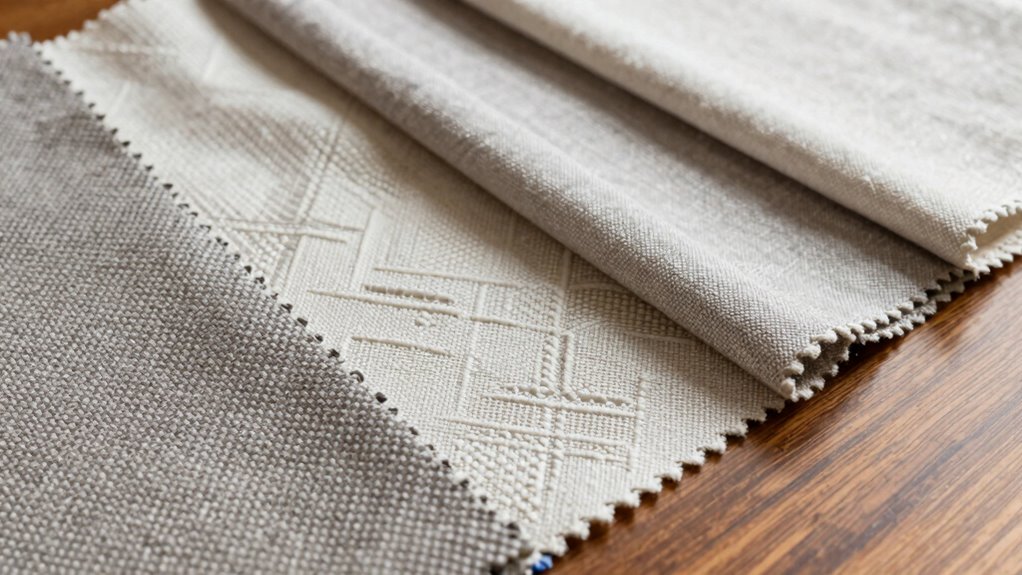
The way fabric threads are woven directly influences the texture, appearance, and durability of your sewing projects. Different woven textures, such as plain, twill, or satin, create unique surface patterns and tactile qualities. These patterns not only affect the look but also impact how the fabric wears over time. For example, a tight twill weave offers more pattern durability, resisting wear and tear better than looser weaves. Understanding how weave patterns influence texture helps you select fabrics that match your project’s needs. A dense, closely woven fabric provides a smoother, more polished finish, while looser weaves may feel more textured. Choosing the right weave guarantees your sewing projects are both visually appealing and long-lasting.
Bofoho Paint Spray Booth Tent - Portable and Foldable Spray Paint Booth Tool with Vents, Tool for Small DIY Painting, Pop-up, Windproof, Easy-to-Clean Paint Station (Blue)
Perfect DIY Size & Versatile Projects – 35in(L) x 34in(W) x 30.8in(H) interior fits miniatures, small furniture, crafts,...
As an affiliate, we earn on qualifying purchases.
Fabric Care Tips: Washing, Drying, and Storage
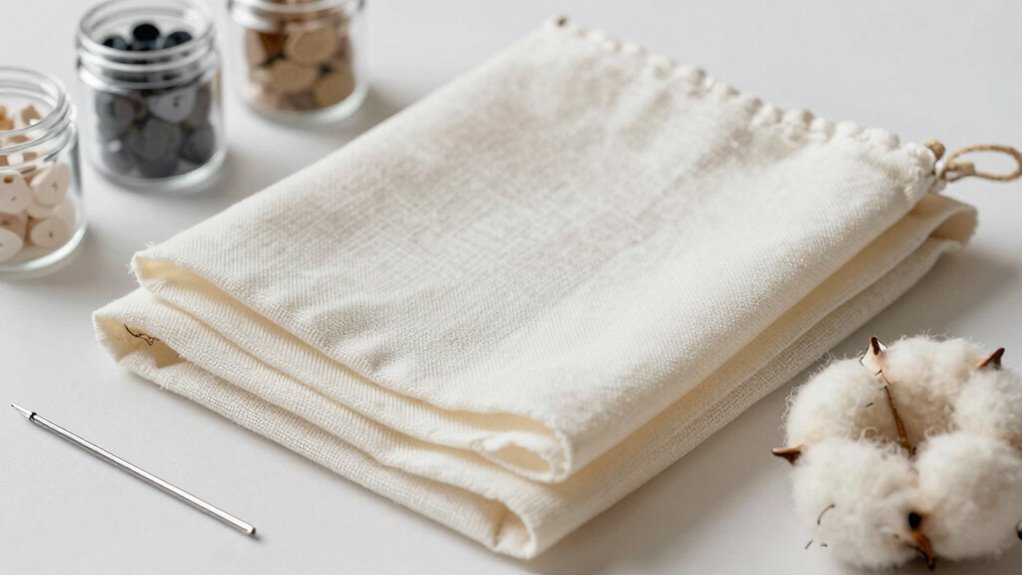
Proper fabric care begins with knowing how to wash, dry, and store your textiles correctly to keep them looking their best and lasting longer. Always follow the care instructions on the fabric label, especially for delicate or dyed fabrics. When washing, use gentle cycles and cold water to preserve fabric dyeing and prevent colors from fading. For fabrics that undergo fabric finishing, avoid harsh detergents that can damage the finish. Dry your textiles flat or hang them to prevent stretching and distortion. Store fabrics in a cool, dry place away from direct sunlight to prevent color fading and degradation. Additionally, understanding appliance maintenance plans can help ensure your sewing tools and machines stay in top condition, preventing unnecessary wear. Regularly inspecting your sewing equipment and performing routine maintenance can extend the lifespan of your tools. Investing in proper storage solutions can also help protect your fabrics from pests and environmental damage. Proper care guarantees your fabrics maintain their texture, color, and durability, making your sewing projects look professional and last for years. Incorporating fabric testing before washing new textiles can help identify any specific care needs and prevent accidental damage. Recognizing the importance of safe storage practices can further prolong the life of your textiles and sewing supplies.

Beeveer Extra Large Paint Booth 8.2 x 7.2 x 6.5 ft with Frame and Zipper Oversized Clear Portable Spray Paint Booth Rainproof Spray Shelter for Furniture Auto Parts Woodworking and Door Painting
Extra Tall and Spacious Design: with dimensions of 8.2ft (2.5m) wide, 6.5ft (2m) deep, and 7.2ft (2.2m) tall,...
As an affiliate, we earn on qualifying purchases.
Tips for Beginners: How to Choose the Right Fabric for Your Projects

Choosing the right fabric sets the foundation for a successful sewing project. Start by considering the fabric’s thread count—higher counts often mean softer, smoother textures, but may be less breathable. Think about what you want your finished item to feel like and how it will be used. Colorfastness is also essential; verify the fabric’s dye won’t bleed or fade after washing, especially for clothing or items exposed to frequent cleaning. Read labels carefully and test small swatches if needed. Match the fabric’s weight, weave, and drape to your project’s requirements. When in doubt, ask for advice at fabric stores or consult sewing resources. Selecting the right fabric early on makes your project easier, more enjoyable, and results in a polished finish.
Essential Fabric Terms Every Beginner Should Know

Are you unfamiliar with common fabric terms? Understanding key words helps you choose and care for fabrics confidently. Fiber content tells you what fibers make up the fabric, like cotton or polyester, affecting its durability and feel. Fabric finish refers to treatments applied to enhance appearance or performance, such as water resistance or softness. Knowing these terms helps you pick the right fabric for your project. Cultural beliefs about fabrics and their significance can influence your choices and confidence in sewing. Here are some essential terms to remember:
- Fiber content: Material composition, influencing texture and care.
- Fabric finish: Surface treatments that modify look or function.
- Weave: The pattern of interlacing threads, affecting drape and strength.
Mastering these basics ensures your sewing projects turn out just as you envision.
Frequently Asked Questions
How Can I Tell if a Fabric Is Eco-Friendly or Sustainable?
You can tell if a fabric is eco-friendly or sustainable by checking for eco-friendly certification labels like GOTS or OEKO-TEX, which guarantee environmentally responsible practices. Look for fabrics made from sustainable fiber sources like organic cotton, hemp, or bamboo. These certifications and fiber choices indicate the fabric’s eco-friendliness, helping you make better sustainable choices for your sewing projects.
What Are Common Fabric Allergies and How to Avoid Them?
Isn’t it funny how some fabrics seem to trigger chemical sensitivities unexpectedly? To prevent allergies, you should identify common fabric allergens like wool, synthetic fibers, or chemically treated textiles. Wash new fabrics before sewing, opt for natural, unprocessed materials, and choose hypoallergenic options when possible. This proactive allergy prevention helps you avert skin irritations and ensures your sewing projects are safe and comfortable for sensitive skin.
Are There Specific Fabrics Best Suited for Outdoor Projects?
For outdoor projects, you should choose fabrics with excellent outdoor fabric durability and weather-resistant textiles. These materials withstand sun, rain, and wind better than regular fabrics, ensuring your creations last longer. Look for options like solution-dyed acrylic or polyester, which are specifically designed for outdoor use. They maintain color and strength over time, making them ideal for furniture covers, cushions, and outdoor décor that needs to endure the elements.
How Do Fabric Finishes Like Waterproofing Affect Sewing and Washing?
Think of waterproof treatments as a shield that guards your fabric’s essence. When you apply waterproofing, it creates a barrier that can affect sewing and washing, making fabrics stiffer and more resistant to water. Washing impact varies; some treatments may wear off over time or require special care. To maintain their protective power, follow manufacturer instructions, and choose fabrics with durable waterproof finishes designed for easy washing.
Can I Use Fabric Dyes on All Types of Fabric Safely?
You can’t use fabric dyes on all types of fabric safely. Check the fabric dye compatibility first, as some fibers like polyester or acrylic may not absorb dye well or could react poorly. Always follow fabric dye safety considerations, including testing on a small area first and using proper ventilation. For natural fibers like cotton or silk, dyeing is usually safe and effective if you follow the instructions carefully.
Conclusion
Now that you’ve revealed the secrets of fabric weights, weaves, and care, you’re practically a sewing superhero! With this knowledge, you’ll choose fabrics so perfectly suited for your projects, even the most complex designs will seem like child’s play. No more fabric mishaps or wasted materials—you’re unstoppable! Get ready to create stunning, durable masterpieces that will wow everyone. Your sewing journey just skyrocketed to legendary status—brace yourself for incredible results!