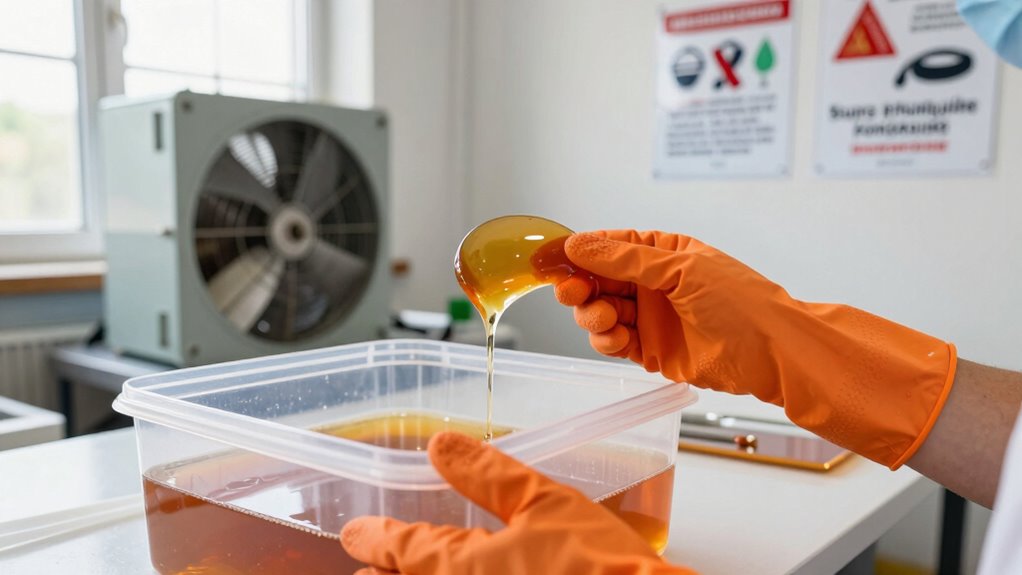

To stay safe while working with epoxy resin, guarantee proper ventilation by using exhaust fans, opening windows, or working in well-ventilated areas to disperse fumes and prevent buildup. Always wear suitable gloves like nitrile or neoprene to protect your skin and reduce allergic reactions. Debunk common myths and remember that proper curing requires attention to temperature and mixing. Keep safety gear on, avoid shortcuts, and explore tips to prevent health issues from epoxy fumes and contact.
Key Takeaways
- Proper ventilation disperses toxic fumes, reducing inhalation risks during epoxy application and curing.
- Wearing nitrile or neoprene gloves protects skin from epoxy chemicals and prevents irritation or allergic reactions.
- Adequate airflow through fans or open windows is essential to maintain safe air quality and vapor levels.
- Avoid safety myths—gloves and proper ventilation are critical and non-negotiable for safe epoxy handling.
- Respond promptly to exposure symptoms by removing from fumes, washing skin, and seeking medical attention if needed.
How to Ensure Proper Ventilation When Working With Epoxy Resin

Ensuring proper ventilation is essential whenever you work with epoxy resin. Good airflow helps maintain air quality and reduces inhalation of fumes, which can be harmful over time. Use ventilation systems like exhaust fans or open windows to create a steady flow of fresh air. Position your ventilation setup to direct fumes away from your breathing zone. If working indoors, consider installing local exhaust hoods or air purifiers equipped with HEPA filters for added safety. Never rely solely on natural ventilation; mechanical systems offer more consistent control. Regularly check that your ventilation is functioning correctly and unobstructed. Proper airflow not only protects your respiratory health but also minimizes the buildup of potentially toxic vapors, keeping your workspace safer. Incorporating Free Floating ventilation principles can help optimize your setup for maximum safety. Additionally, understanding ventilation efficiency can guide you in selecting the best system for your specific workspace needs. Proper air exchange rates are vital to ensure that fumes are effectively removed and replaced with fresh air, further enhancing safety during resin work. Moreover, maintaining clear pathways for airflow can significantly improve overall air circulation in your workspace, reducing the risk of vapor accumulation. Implementing proper ventilation techniques can further enhance safety and comfort during prolonged resin use.
The Best Gloves and Protective Gear for Epoxy Safety

Choosing the right gloves and protective gear is essential to prevent epoxy resin from coming into direct contact with your skin. For gloves, opt for materials like nitrile or neoprene, which offer chemical resistance and durability. Avoid latex, as it may not provide adequate protection and can cause allergic reactions. Your protective clothing should include long sleeves, aprons, or coveralls made from chemical-resistant fabrics to shield your skin from spills and splashes. Guarantee gloves fit snugly but comfortably to maintain dexterity while working. Remember, proper protective gear reduces skin exposure and minimizes health risks. Always inspect your gloves and clothing for tears or damage before each use. Prioritize quality and fit to stay safe during every epoxy project. Additionally, understanding ventilation requirements is crucial for safe epoxy resin handling. Proper ventilation helps disperse harmful fumes and reduces inhalation risks associated with epoxy fumes. Maintaining a well-ventilated workspace is also vital for toxic fume management, ensuring a safer environment. Furthermore, consistent use of appropriate protective equipment can significantly reduce the likelihood of skin irritation or allergic reactions during lengthy projects. Being aware of proper storage practices also helps prevent accidental spills and prolonged exposure to uncured epoxy.
Common Epoxy Safety Myths Debunked

Many people believe certain safety myths about epoxy, but these can put you at risk. You might think ventilation isn’t needed or that gloves are optional, but that’s not true. Understanding the facts helps you work safely and avoid preventable hazards. For example, proper ventilation is essential to reduce toxic vapor exposure during curing and handling. Additionally, using protective equipment like gloves and masks is crucial to prevent skin contact and inhalation of harmful fumes. Recognizing the long-term health risks associated with improper safety measures is vital for responsible epoxy use. Ensuring adequate airflow in your workspace helps disperse potentially hazardous vapors and keeps the environment safer, especially since proper work environment practices are key to minimizing health risks.
Myth: Ventilation Isn’t Necessary
Despite common beliefs, proper ventilation is essential when working with epoxy resin. Without adequate airflow, you risk compromising air quality and increasing your exposure to harmful chemicals. Ventilation helps disperse fumes and reduce the concentration of volatile compounds that can cause irritation or more serious health issues. Even if you’re working indoors or for short periods, neglecting ventilation can lead to unsafe levels of chemical exposure. Using fans, open windows, or working in well-ventilated areas ensures that fumes don’t build up. Good airflow not only protects your respiratory health but also maintains a safer working environment. proper ventilation is a critical component of epoxy safety that should never be overlooked. Proper air exchange significantly reduces the buildup of toxic fumes and improves overall safety during epoxy resin use. Ensuring sufficient ventilation systems can make a significant difference in maintaining a healthy workspace. Don’t underestimate the importance of ventilation; it’s an essential safety measure that considerably reduces health risks associated with epoxy resin.
Myth: Gloves Are Optional
A common myth is that gloves are optional when working with epoxy resin, but in reality, they are an essential safety barrier. Many fall for glove myths, believing that gloves aren’t necessary or that they hinder work. This safety misconception can lead to skin contact with hazardous chemicals, causing irritation or allergic reactions. Wearing appropriate gloves provides necessary protection, preventing resin from touching your skin and reducing exposure to toxic components. Some assume that gloves aren’t needed if they work quickly or handle small amounts, but epoxy can absorb through even brief contact. Vetted guidelines emphasize that proper gloves are a simple yet crucial step in ensuring your safety while working with epoxy resin. Using suitable gloves significantly reduces the risk of skin irritation and long-term health issues associated with chemical exposure. Additionally, understanding the importance of personal protective equipment can further enhance your safety measures during resin handling. Proper ventilation is also essential to disperse fumes and reduce inhalation risks during epoxy work.
Myth: Curing Is Instant
The myth that epoxy cures instantly can lead to dangerous mistakes if you assume it’s safe to handle or disturb the resin immediately after application. In reality, epoxy takes time to cure fully, often 24-72 hours, depending on the product and conditions. Rushing this process can cause issues like tackiness or weak bonding. Proper epoxy storage is essential to maintain its effectiveness and safety; keep containers sealed and stored in a cool, dry place. Never attempt to speed up curing by heating or other methods unless specified by the manufacturer. When disposing of epoxy waste or unused resin, follow strict disposal procedures to prevent environmental harm. Remember, patience during curing ensures safety and a durable finish.
Step-by-Step Tips for Safe and Complete Epoxy Curing

To guarantee safe and complete epoxy curing, it’s essential to follow a precise, step-by-step process. First, carefully measure and mix your epoxy components thoroughly to ensure proper curing. Next, pour the mixture into your project area, avoiding air bubbles. Maintain proper ventilation to help the epoxy cure evenly and safely. During curing, monitor temperature and humidity levels, as these affect the process. Once cured, dispose of leftover resin responsibly, following local regulations for resin disposal. Additionally, understanding the sound environment can help you create a safer workspace and improve your overall experience with epoxy projects. Proper ventilation is crucial to prevent inhalation of harmful fumes and to promote an even cure. Here’s a quick guide: 1. Measure and mix epoxy resin and hardener carefully. 2. Stir thoroughly, ensuring no unmixed pockets. 3. Pour and spread evenly, avoiding air entrapment. 4. Dispose of unused resin properly after curing. Being aware of resin safety practices, such as wearing gloves and working in a well-ventilated area, can significantly reduce health risks and lead to better results.
Safety Mistakes to Avoid During Your Epoxy Projects
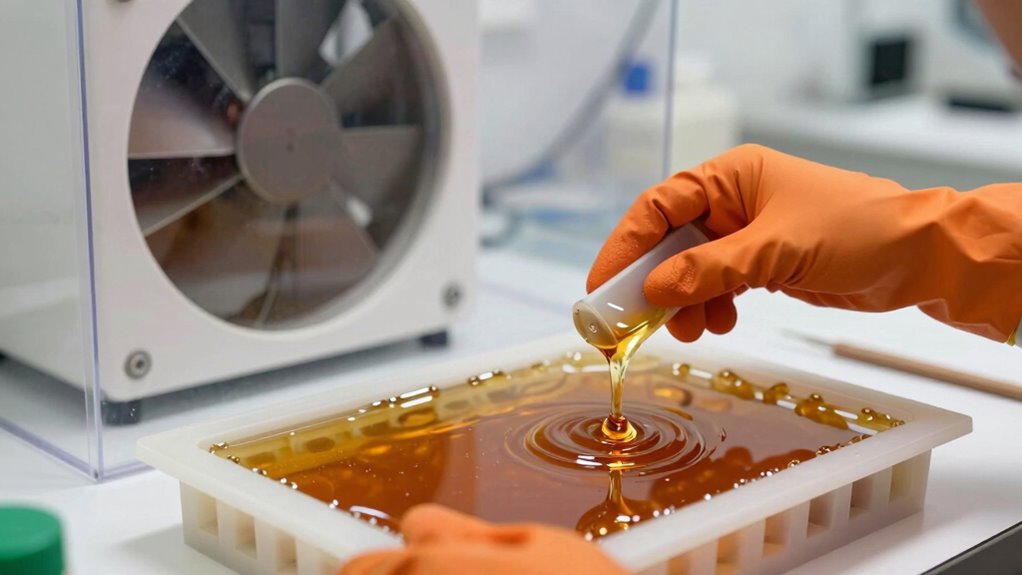
Failing to wear proper personal protective equipment (PPE) is one of the most common safety mistakes in epoxy projects. Without PPE, you risk chemical exposure and workplace hazards that can cause skin irritation or respiratory issues. Always wear gloves, goggles, and respiratory masks to protect yourself. Avoid shortcuts like skipping gloves or neglecting ventilation. Here’s a quick overview:
| Workplace Hazards | Chemical Exposure Risks |
|---|---|
| Spills and splashes | Skin and eye irritation |
| Fumes inhalation | Respiratory problems |
| Cluttered workspace | Accidents and injuries |
| Inadequate ventilation | Increased inhalation risks |
| Improper disposal | Environmental hazards |
Stay vigilant—your safety depends on it. Proper PPE reduces risks and ensures a safe epoxy project.
Essential Safety Equipment Every Epoxy Worker Needs
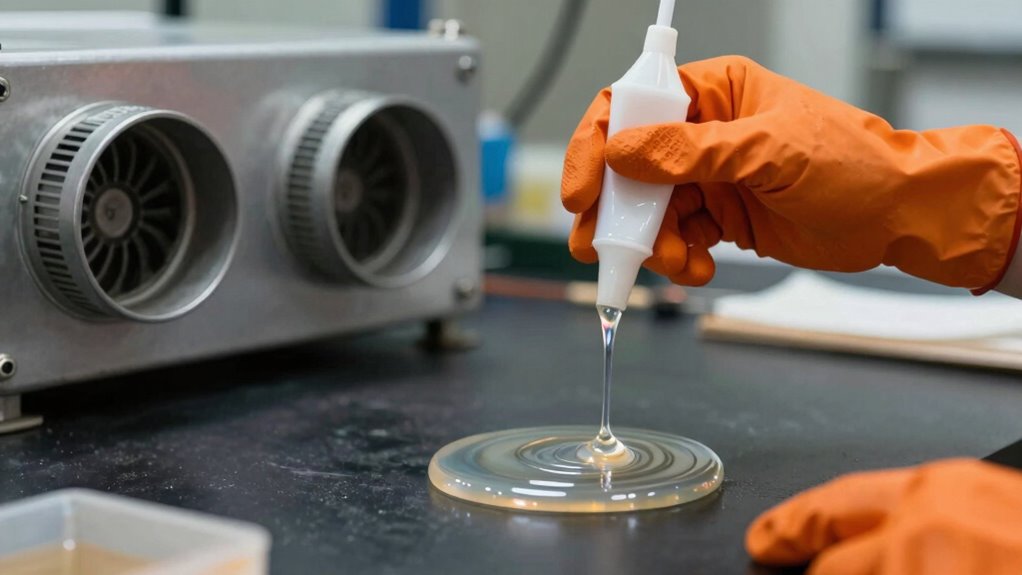
When working with epoxy, having the right safety equipment is essential to safeguard yourself from harmful chemicals and potential accidents. Your safety gear should include:
- Protective clothing that covers your skin completely, preventing contact with epoxy.
- Safety goggles or glasses for eye protection, shielding your eyes from splashes and fumes.
- Nitrile gloves to keep your hands safe from chemical exposure.
- A respirator or mask, especially in poorly ventilated areas, to avoid inhaling fumes.
These items create a barrier between you and epoxy’s hazards. Wearing protective clothing and eye protection ensures you’re shielded from splashes and splatters. Always double-check your safety gear before starting your project for maximum protection.
What to Do if You Experience Skin or Respiratory Issues From Epoxy
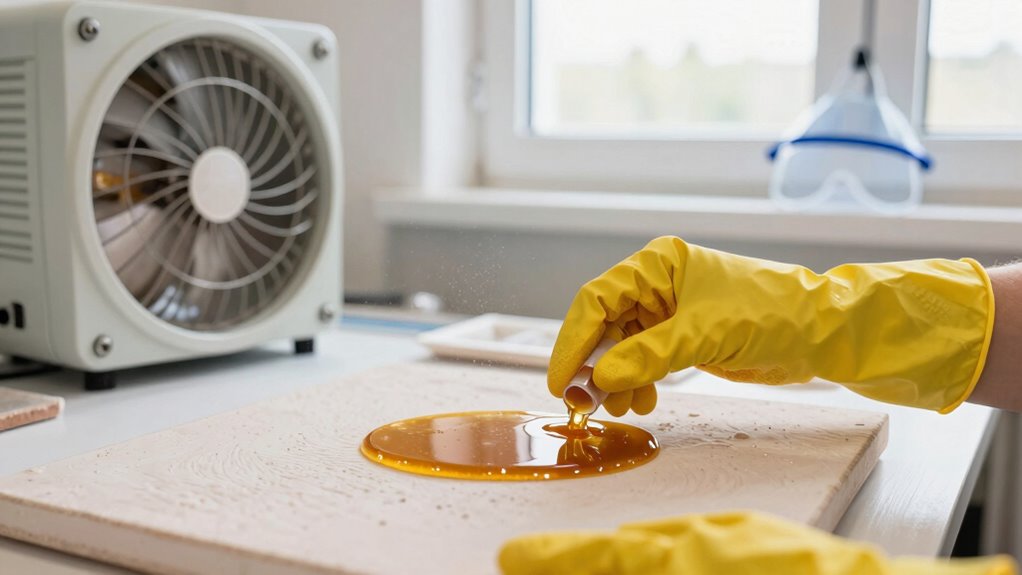
If you notice skin irritation or respiratory symptoms after working with epoxy, it’s crucial to act quickly to minimize health risks. Start by removing yourself from exposure and washing affected skin with soap and water. If symptoms persist or worsen, seek medical attention promptly. Consider allergy testing to identify sensitivities. For respiratory issues, move to fresh air immediately and use a fan or open windows. Use first aid measures like applying cool compresses for skin irritation. Keep track of your symptoms and inform your healthcare provider about epoxy exposure. Proper diagnosis ensures effective treatment. Below is a helpful guide:
| Symptom | Immediate Action | Follow-up Steps |
|---|---|---|
| Skin irritation | Wash with soap and water | See a doctor for allergy testing |
| Respiratory issues | Move to fresh air | Use prescribed medication if needed |
| Persistent symptoms | Seek medical attention | Monitor and document reactions |
| Severe reactions | Call emergency services | Avoid further exposure |
| Mild reactions | Rinse and rest | Consult a healthcare professional |
Frequently Asked Questions
Are There Specific Ventilation Systems Recommended for Epoxy Workspaces?
Yes, for epoxy workspaces, you should consider using dedicated air filtration systems that effectively eliminate fumes and VOCs. Proper workspace design includes installing exhaust fans or localized ventilation to ensure fresh air circulation. You also want to position air filters near the epoxy application area and maintain good airflow, reducing inhalation risks. These measures help create a safer environment while working with epoxy resin.
Can Latex Gloves Provide Adequate Protection Against Epoxy Resin?
Latex gloves don’t provide adequate protection against epoxy resin because their material lacks sufficient chemical resistance. Epoxy can permeate latex, exposing your skin to harmful chemicals. Instead, you should choose gloves made from materials like nitrile or neoprene, which offer better chemical resistance and protection. Always check the glove’s specifications to make sure they’re suitable for epoxy resin handling, and replace them if they become damaged or contaminated.
How Long Does Epoxy Resin Typically Emit Hazardous Fumes After Curing?
Epoxy resin typically emits hazardous fumes during the initial curing period, which can last from 24 to 72 hours, depending on conditions. After this curing emissions phase, the fume duration considerably decreases, but some residual odors and low-level emissions may continue for up to a week. Make certain proper ventilation during and after curing to minimize exposure, and always follow safety guidelines to protect yourself from lingering fumes.
Are There Eco-Friendly or Low-Voc Epoxy Alternatives Available?
Yes, you can find eco-friendly or low-VOC epoxy alternatives. Bio-based epoxies use renewable materials, reducing environmental impact, while VOC-free formulations emit minimal or no volatile organic compounds. These options are safer for indoor air quality and the planet, making them ideal for environmentally conscious projects. Always check product labels and specifications to guarantee they meet your eco-friendly standards and provide the performance you need.
What Are the Long-Term Health Effects of Repeated Epoxy Exposure?
Think of your body as a delicate garden, vulnerable to weeds. With chronic exposure to epoxy, you risk unseen damage—neurological effects that creep in over time, affecting your memory, mood, and coordination. Repeated contact can lead to long-term health issues, even if you don’t notice immediate symptoms. Protect yourself by minimizing exposure and ensuring proper safety measures; your body’s health depends on it.
Conclusion
Remember, handling epoxy is like steering a delicate dance—you need the right steps and precautions to stay in harmony. With proper ventilation, gloves, and a clear understanding of curing myths, you’ll keep yourself safe and your projects shining. Think of safety gear as your trusted shield and knowledge as your guiding light through the epoxy’s intricate maze. Stay vigilant, respect the process, and let your craftsmanship flourish without shadows of doubt.