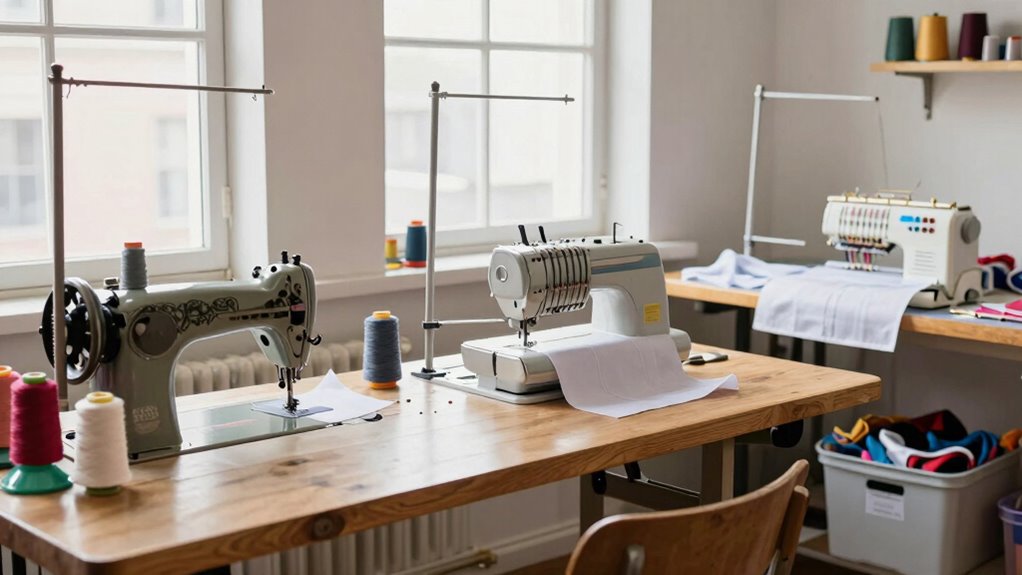
Before bringing fabric machines into a shared space, you should consider their compatibility with various fabric types, ensuring they meet safety standards and fit well within the environment. Establish routine cleaning and maintenance schedules, and train users on proper operation and safety procedures. Proper ventilation is essential to reduce moisture buildup, and equipment placement should avoid obstructing walkways. To learn important tips for safe and effective use, keep going for more insights.

Get furniture and decor delivered free with Prime
- Fast, free delivery on millions of items
- Prime Video, Amazon Music and more included
- Member-only deals all year
Key Takeaways
- Ensure machines are compatible with various fabric types and meet safety standards for shared environments.
- Establish routine cleaning and maintenance schedules to prevent mold, odors, and equipment malfunction.
- Educate users on proper operation, safety procedures, and the importance of equipment care.
- Verify adequate space, proper ventilation, and safe placement to avoid hazards and workflow disruptions.
- Consider the impact on space aesthetics, hygiene, and shared access to maintain a clean, inviting environment.
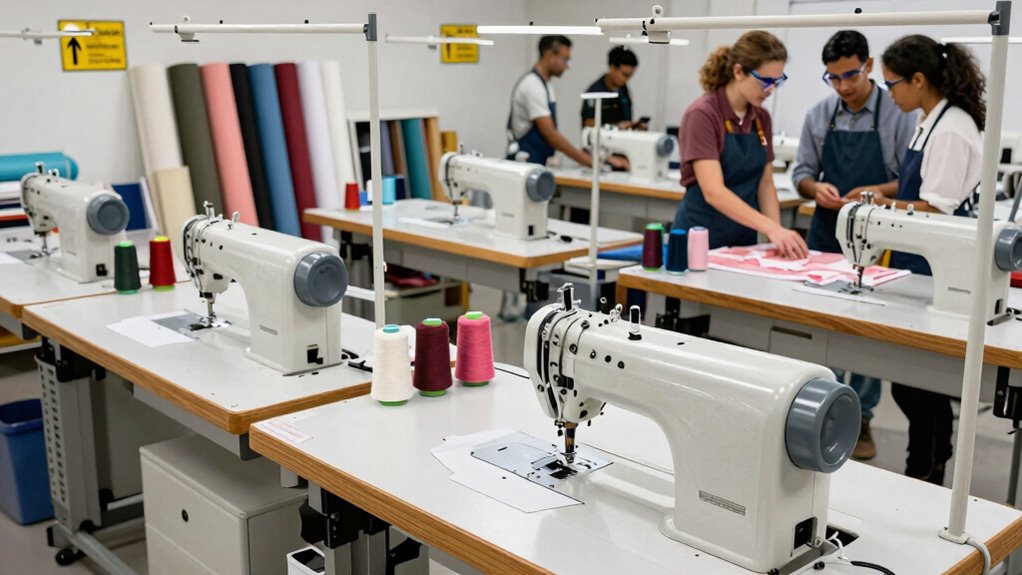
Have you ever wondered how shared spaces manage to stay clean and functional without constant oversight? The answer lies in proper planning, especially when it comes to introducing fabric machines. These machines can be a real asset, but only if you understand the essentials of fabric maintenance and equipment safety. Before bringing one into a communal environment, it’s essential to consider how it will impact everyone and what steps you need to take for smooth operation.
First, think about fabric maintenance. Shared spaces often host a variety of fabrics, from upholstery to curtains, each with different cleaning needs. You need to select a fabric machine that suits the types of materials present. Regular cleaning and upkeep are critical to prevent dirt buildup, mold, and odors, which can quickly turn a shared space from welcoming to unclean. Establish a schedule for routine maintenance, and train users or staff on how to operate and care for the machine properly. Proper fabric maintenance not only prolongs the life of the equipment but also preserves the appearance and hygiene of the space, making it more inviting for everyone. Additionally, understanding the types of fabrics involved can help determine the most effective cleaning methods and machines to use. Knowing the fabric composition can also guide you in selecting the appropriate detergents and cleaning techniques to avoid damaging delicate textiles. Incorporating proper ventilation during and after cleaning can also reduce moisture-related issues like mold growth. Moreover, understanding the fabric care procedures recommended by manufacturers can help prevent damage and maintain textile quality over time. Ensuring that staff are familiar with fabric care best practices can further enhance the longevity of textiles and the efficiency of cleaning routines.
Regular fabric maintenance extends equipment life and keeps shared spaces clean and inviting for all.
Equipment safety should be your top priority. When introducing fabric machines, make sure they meet all safety standards and are suitable for shared use. This involves checking for features like automatic shut-off, safety guards, and clear operating instructions. You don’t want to risk accidents or damage to the space or the machine itself. Make sure the machine is positioned where it won’t obstruct walkways or cause tripping hazards, and verify that the electrical connections are secure and appropriate for the device’s power requirements. Educate users on safe operation procedures, emphasizing the importance of unplugging the machine after use and inspecting it regularly for any wear or damage.
fabric cleaning machine for shared spaces
As an affiliate, we earn on qualifying purchases.
As an affiliate, we earn on qualifying purchases.
Frequently Asked Questions
How Loud Are Fabric Machines During Operation?
Fabric machines can be quite loud during operation, with noise levels often reaching 70-85 decibels, similar to a vacuum cleaner. To mitigate disruption, you should consider soundproofing measures like installing insulation or barriers. Using quieter models or adding rubber mats under machines can also help reduce noise. Being mindful of sound levels ensures a more comfortable environment for everyone sharing the space.
What Ventilation Is Required for Fabric Machines?
Is proper ventilation really necessary for fabric machines? Absolutely. You should install robust ventilation systems to guarantee good air quality and prevent the buildup of fumes or dust. Adequate airflow helps dissipate heat, reduces odors, and maintains a safe environment for everyone. Regularly check and maintain your ventilation setup to ensure it functions effectively, safeguarding both your equipment and the health of those sharing the space.
Are There Specific Safety Standards for Shared Fabric Machine Areas?
Yes, there are specific safety standards for shared fabric machine areas. You must guarantee proper storage safety by organizing materials to prevent accidents. Additionally, clear machine labeling is essential to identify hazards and operating instructions. These standards help protect everyone working in the space, reduce the risk of injuries, and maintain a safe environment. Always follow local regulations and industry best practices to ensure compliance and safety for all users.
How Often Should Fabric Machines Be Maintained in Shared Spaces?
You should perform fabric machine maintenance regularly, ideally following manufacturer-recommended schedules, such as weekly or monthly checks. Keep up with maintenance schedules to guarantee peak performance and safety. Additionally, regularly calibrate the equipment to prevent issues and maintain consistent quality. Frequent maintenance helps identify potential problems early, minimizes downtime, and keeps shared machine use safe for everyone. Always document maintenance activities for accountability and future reference.
Can Fabric Machines Be Used Continuously Without Overheating?
You can’t use fabric machines continuously without risking overheating. To prevent overheating, prioritize machine cooling by allowing breaks between uses, ensuring proper ventilation, and regularly inspecting cooling systems. Overloading the machine or running it for extended periods without pauses can lead to overheating, damage, and downtime. Consistent overheating prevention measures, like scheduled rest periods and cooling checks, keep your machines running smoothly, maximizing efficiency and lifespan.
Conclusion
As you prepare to introduce fabric machines into your shared space, remember that every choice you make shapes the environment. Will you set clear boundaries and guarantee smooth collaboration? Or will overlooked details cause unexpected disruptions? The future of your workspace hinges on these decisions—tiny sparks that could ignite productivity or chaos. So, take a deep breath, plan carefully, and step into this new chapter with confidence. The outcome is yours to create.
Halloween Picks
halloween
As an affiliate, we earn on qualifying purchases.