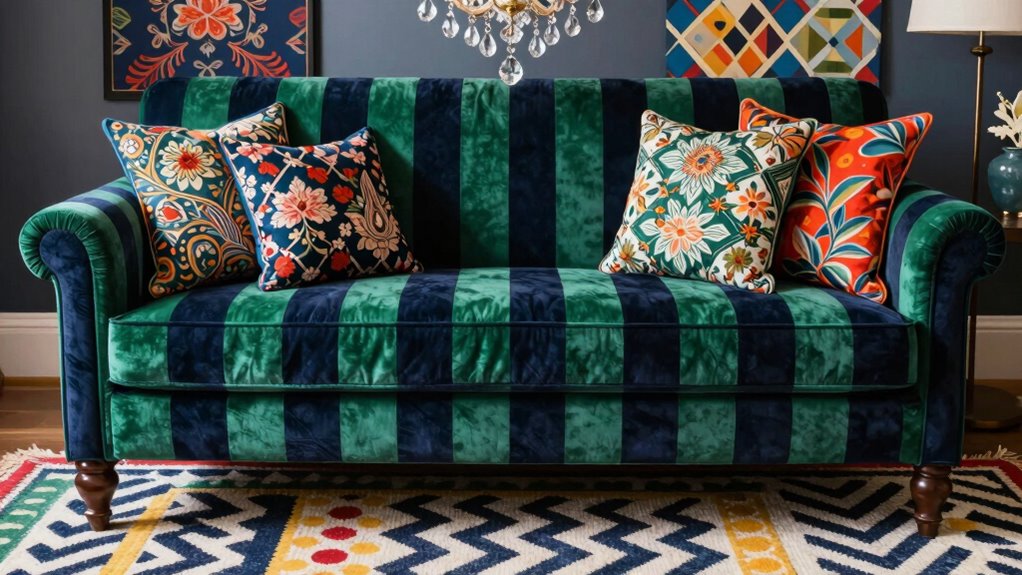

To master a pattern mixing formula that never fails, start by selecting a clear dominant pattern to set the tone. Coordinate key colors across your patterns to create harmony, focusing on a cohesive palette. Balance bold prints with neutral or subtle textures, and limit yourself to three patterns for the best results. Vary pattern sizes and maintain proportional visual weight for harmony. Keep experimenting and refining—if you want to discover how to perfect this approach, there’s more to explore.
Key Takeaways
- Choose a dominant pattern as the focal point, then add 1-2 supporting patterns that complement its colors and scale.
- Limit your pattern mix to three pieces to maintain visual harmony and prevent clutter.
- Ensure all patterns share a cohesive color palette, using shared hues to unify the look.
- Balance bold and subtle patterns by varying sizes and textures, maintaining proportion for visual interest.
- Use neutral or solid pieces to anchor the outfit and allow statement patterns to stand out.
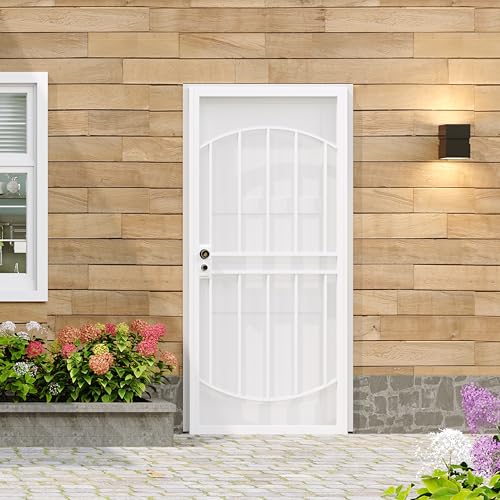
Lakenyon Prehung Steel Security Screen Door, 32" x 80", White Diamond Mesh, All-Steel Construction, Modern Storm Door for Front Entry, Weather-Resistant & Durable Front Door Screen
【Strong Steel Build with E-Coating Protection】Made with a fully welded all-steel frame and enhanced by an electrophoretic coating...
As an affiliate, we earn on qualifying purchases.
Get the Basics of Pattern Mixing
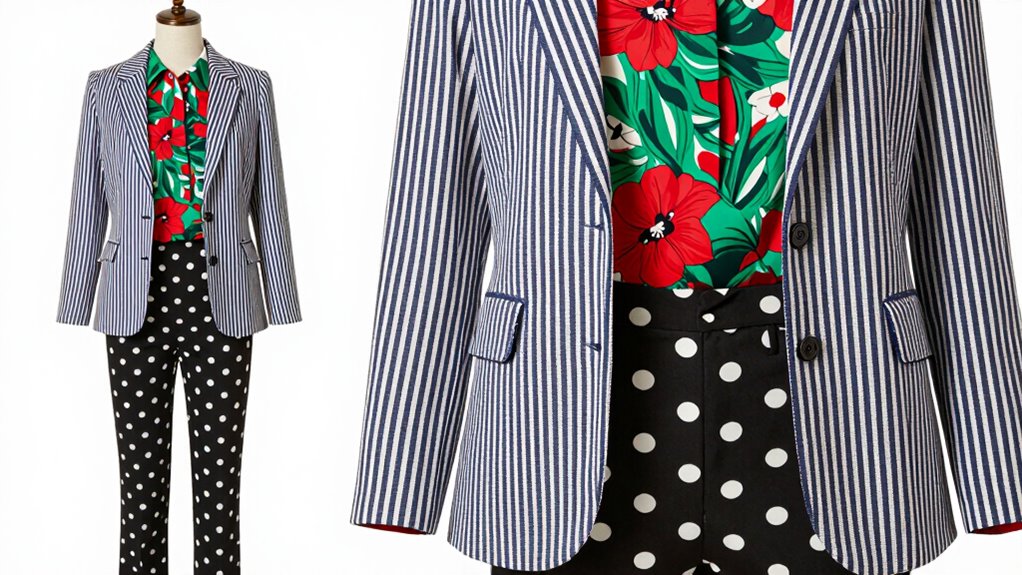
To get the basics of pattern mixing, it’s important to understand what it really means. Pattern matching is about pairing different designs that complement each other without clashing. It’s not about matching every detail but creating a visual harmony. Color coordination plays a crucial role here—choosing patterns with a shared color palette helps tie your look together. Start with one dominant pattern and add smaller or subtler patterns that incorporate similar hues. Avoid overwhelming your outfit by balancing bold prints with more subdued ones. Remember, the goal is to create interest without chaos. When you master pattern matching and Color coordination, you’ll develop a confident sense of style that’s both cohesive and eye-catching. Additionally, understanding electric bike horsepower can inspire you to incorporate more dynamic elements into your wardrobe, like bold prints or statement accessories, to reflect your energetic personality.

Yotache Retractable Screen Door, Aluminum Frame & Tear-Proof Mesh Panel Sliding Folding Door with Lock for Front/Back Doors, Side Opening
WHOLE ALUMINUM ALLOY DESIGN - This retractable screen door uses thickened primary aluminum alloy material, effectively blocking critters,...
As an affiliate, we earn on qualifying purchases.
Find Your Key Colors for Cohesive Patterns
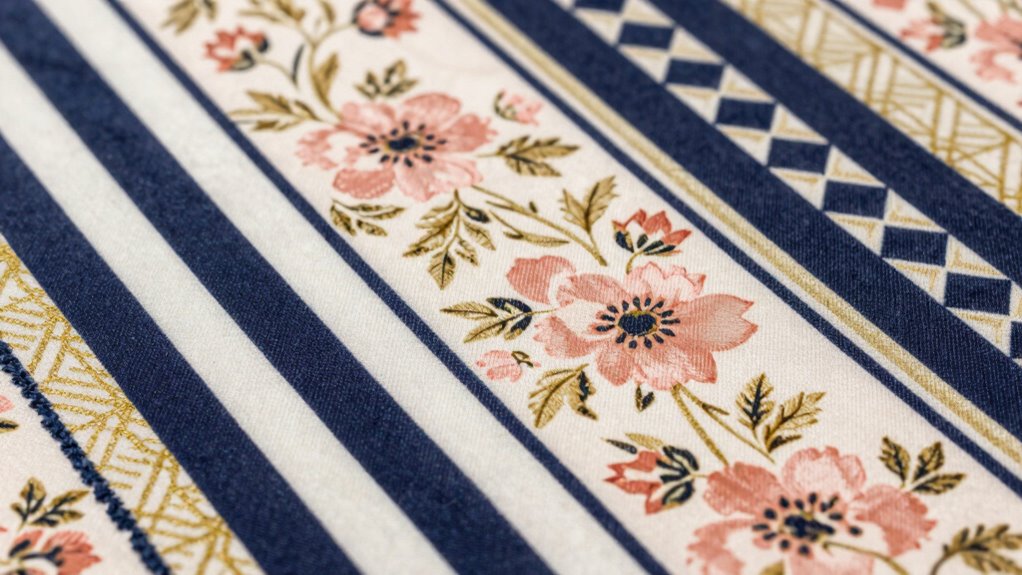
Identifying your key colors is essential for creating cohesive patterns that work well together. Focus on color harmony to select shades that complement each other naturally, whether through analogous, complementary, or monochromatic schemes. Your key colors should reflect your overall mood and style, serving as the foundation for pattern proportions. Use these colors consistently across different patterns to unify your look. Balance is key: don’t let one color overpower the others; instead, distribute your key hues proportionally throughout your design. This approach ensures your patterns feel intentional and harmonious. When you establish your key colors early, you create a versatile palette that makes mixing and matching easier, resulting in a cohesive, polished appearance every time. Additionally, understanding color harmony principles can help you craft designs that are visually pleasing and balanced. Recognizing color relationships enables you to fine-tune your palette for maximum visual appeal and coherence, which is essential for effective creative storytelling in your patterns. Developing an awareness of color contrast can further enhance the visual interest and depth of your designs. Incorporating an understanding of color psychology can also influence how your patterns evoke specific moods or emotions, enhancing their overall impact.

Lakenyon 32" x 80" Prehung Steel Security Screen Door, Black Round Mesh, All-Steel Construction, Modern Storm Door for Front Entry, Weather-Resistant & Durable Front Door Screen
【Modern Round Mesh Style】Featuring a black round mesh design, this exterior security door combines airflow, tamper resistant door...
As an affiliate, we earn on qualifying purchases.
Choose a Dominant Pattern to Anchor Your Look
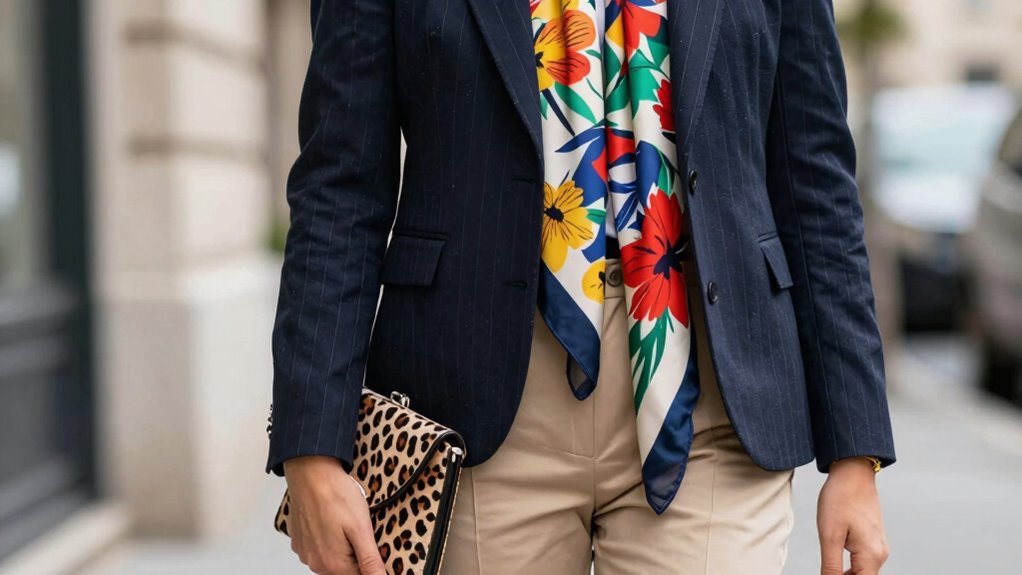
Choosing a dominant pattern is essential because it sets the overall tone and structure for your entire look. It acts as the anchor, guiding your choices and preventing pattern clash. When selecting your main pattern, consider bold options like large florals or geometric prints that draw attention without overwhelming. Color blocking can also serve as your dominant pattern, creating a striking visual foundation through contrasting blocks of color. Once you establish your anchor, you can introduce smaller patterns or subtle textures to complement it. This approach keeps your outfit cohesive and intentional. Remember, the key is to let your dominant pattern stand out while other elements support it, ensuring a stylish, well-balanced look that’s free from pattern clash. Incorporating visual balance is crucial for maintaining harmony in your overall ensemble. Achieving this balance often involves understanding pattern scale to ensure that patterns work harmoniously together. Paying attention to pattern mixing techniques can help you refine your look and avoid mismatched styles. Additionally, considering proportion helps in balancing patterns effectively across your outfit.

Wright Products - Serenade Mortise Keyed Lever Mount Latch with Deadbolt for Screen and Storm Doors, Polished Brass
Ideal Application: This stylish mortise lever lock set is ideal for out-swinging metal and wood doors 1.125”-2” thick....
As an affiliate, we earn on qualifying purchases.
Balance Bold Patterns With Neutral Pieces or Subtle Textures

Once you’ve selected a bold pattern as your focal point, balancing it with neutral pieces or subtle textures helps keep your look harmonious. Incorporate neutral textures like soft linen, smooth wool, or matte fabrics to create a calming counterpoint to the statement pattern. This prevents the outfit from feeling overwhelming and maintains visual interest. Additionally, use bold accessories sparingly—think a striking necklace or vibrant shoes—to add pops of color without competing with the main pattern. Keep the neutral pieces understated, allowing your bold pattern to shine without distraction. The key is striking a balance that emphasizes your style without overloading the senses. When done right, this approach creates a chic, polished look that feels intentional and effortlessly stylish. Well‑being is also enhanced when living spaces are thoughtfully balanced, creating a comfortable environment that promotes relaxation and harmony. Recognizing which careers are not Affected by AI can help you focus on areas less vulnerable to automation and future-proof your professional life. Achieving this balance is rooted in understanding interior design principles, which guide the effective use of patterns and textures to create harmony in any space. Incorporating attention to detail in your styling can further elevate your overall look and ensure each element complements the others seamlessly. Developing an awareness of color theory can help refine your ability to combine patterns and textures effectively, enhancing the overall aesthetic.
Apply the Rule of Threes to Mix Up to Three Patterns

To create a balanced look, stick to mixing up to three patterns using the Rule of Threes. You’ll want to balance bold and neutral pieces, vary pattern sizes, and keep your color palette cohesive. This approach keeps your space lively without feeling overwhelming. Incorporating Free Floating elements can add a sense of spontaneity and natural flow to your design. Embracing visual harmony by understanding pattern proportions can further enhance the overall aesthetic and prevent clutter. Paying attention to pattern proportion helps maintain visual balance and avoids overwhelming the senses.
Balance Bold and Neutral
Balancing bold and neutral patterns can seem challenging, but applying the rule of threes simplifies the process. Pattern psychology shows that mixing eye-catching designs with subtle neutrals creates visual harmony without overwhelming. Understanding pattern history reveals that neutral tones have long grounded bold patterns, giving your outfit or space a timeless appeal. Stick to three patterns—one bold, one neutral, and a third that balances the two—and you’ll achieve a cohesive look. Keep the bold pattern as the focal point, while neutral patterns provide grounding. This approach prevents clutter and maintains visual interest. Additionally, awareness of color harmony principles can guide your choices and enhance your overall aesthetic. By thoughtfully combining these elements, you create a balanced aesthetic that’s both striking and sophisticated. The rule of threes helps you confidently navigate pattern mixing, ensuring your style remains polished.
Vary Pattern Sizes
Varying the sizes of your patterns adds visual interest and prevents your look from feeling flat or monotonous. When mixing patterns, pay attention to pattern size and pattern scale to create harmony and contrast. Incorporate a mix of large, medium, and small patterns to add depth and dimension. For example, pair a bold floral with a smaller polka dot or stripe to balance the visual weight. This variation keeps the eye moving and avoids overwhelming the space. Remember, the key is to make sure the scale of your patterns complements each other—none should overpower the others. By thoughtfully playing with pattern size, you create a dynamic, cohesive look that feels intentional and well-balanced.
Use a Cohesive Palette
Using a cohesive palette is essential when mixing patterns, as it helps create a unified and polished look. By sticking to a limited color scheme, you enhance color coordination and ensure pattern harmony. This approach prevents the outfit from looking chaotic and keeps the focus on texture and contrast. When selecting patterns, choose up to three that share similar hues or tones. Here’s a helpful guide:
| Pattern Type | Color Palette | Style Tip |
|---|---|---|
| Stripes | Neutral tones | Combine thin and thick stripes |
| Florals | Soft pastels | Use floral with subtle patterns |
| Geometrics | Bold colors | Mix small and large shapes |
| Solids | Complementary hue | Anchor your look with solids |
Practice Combining Patterns and Experiment to Find Your Style
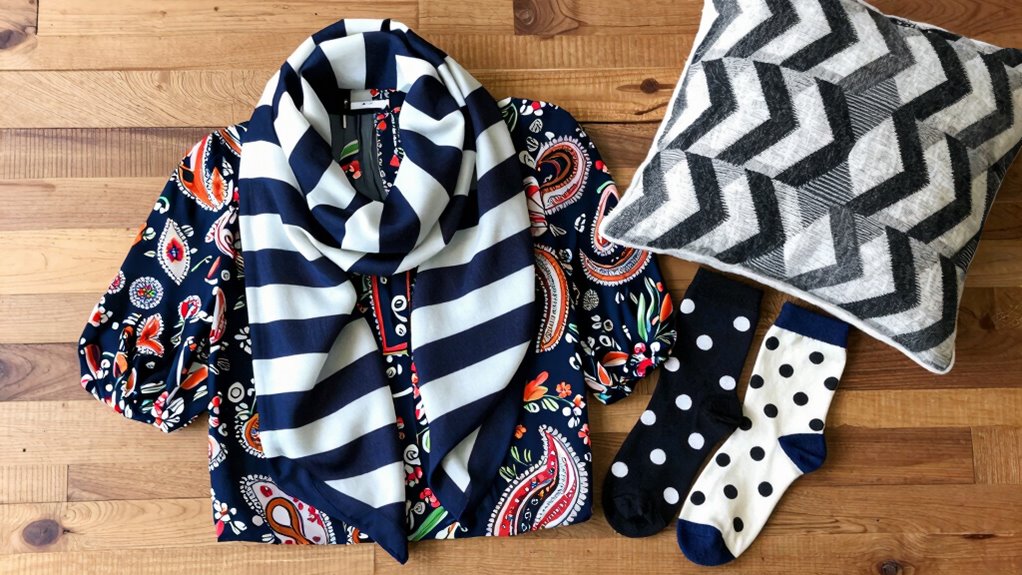
To truly discover your unique style, you need to experiment with combining different patterns and see what works best for you. Don’t be afraid of pattern clash; sometimes, contrasting patterns create the most interesting looks. Focus on texture pairing—mixing smooth with rough, shiny with matte—to add depth and dimension. Try pairing a striped top with a floral skirt or a polka-dot scarf with a plaid jacket. Keep your color palette cohesive to prevent the outfit from feeling chaotic. Experimenting allows you to understand what combinations feel natural and flattering for you. Remember, there’s no one-size-fits-all rule in pattern mixing. By trying different pairings and paying attention to how textures and patterns interact, you’ll gradually develop a style that’s uniquely yours. Embracing personal style discovery through experimentation can deepen your connection to your inner expression and boost confidence. Additionally, exploring best vacuum options can inspire you to approach your style journey with the same curiosity and openness. Incorporating innovative technological tools into your wardrobe planning can further enhance your creative process and confidence in mixing patterns. Moreover, partnering with professional services can provide personalized guidance to refine your unique style. Understanding the principles of design theory can also help you make more informed pattern and texture choices.
Troubleshoot Common Pattern Mixing Mistakes
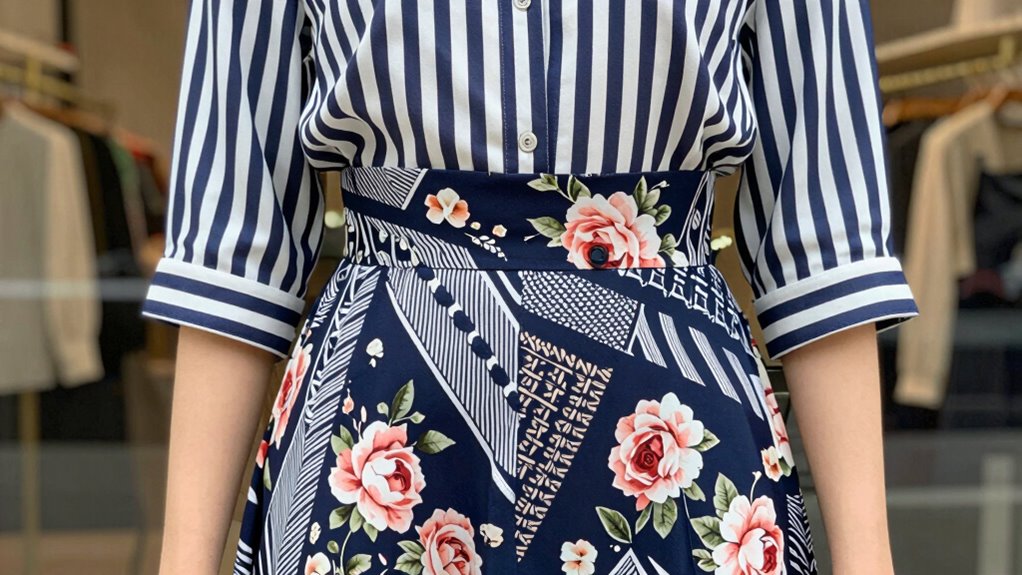
Even experienced pattern mixers can stumble into common mistakes that throw off their look. The most frequent issues are pattern mismatch and scale inconsistency, which can make an outfit appear chaotic rather than stylish. To troubleshoot, focus on these areas:
- Check for pattern mismatch: Ensure patterns share a common color palette or theme to prevent clashing.
- Balance scale inconsistency: Avoid pairing large, bold patterns with tiny, delicate ones; aim for a harmonious mix.
- Simplify when in doubt: If your patterns seem off, reduce the number or size of patterns to restore balance and cohesion.
Frequently Asked Questions
Can Pattern Mixing Suit All Body Types and Personal Styles?
Pattern mixing can suit all body types and personal styles if you choose the right combinations. You should consider your body shape to balance proportions and select patterns that enhance your features. Personal style plays a key role—whether you prefer bold, eclectic, or subtle looks. Don’t be afraid to experiment; confident mixing will showcase your individuality, making pattern mixing a versatile choice for everyone.
What Are Some Common Pattern Mixing Mistakes to Avoid?
Think of your outfit as a story; avoid pattern clash by choosing patterns with complementary colors or scales. Don’t overmatch your pieces, as it can look too coordinated and dull. A common mistake is mixing too many patterns at once, creating chaos instead of harmony. To succeed, balance bold patterns with neutral or subtle ones, and trust your eye—less is often more when it comes to pattern mixing.
How Do I Choose Patterns Suitable for Different Seasons?
To choose patterns suitable for different seasons, start by considering seasonal color palettes—lighter, pastel shades work well in spring and summer, while richer, deeper hues suit fall and winter. You should also focus on fabric texture pairing; lightweight fabrics like linen and cotton are ideal for warm weather, while heavier textures like wool or velvet fit colder months. This approach keeps your pattern mixes seasonally appropriate and visually balanced.
Are There Specific Patterns That Always Work Well Together?
Sure, some patterns are like that one friend who always gets along—think stripes and polka dots, or florals with checks. You match scales and color coordination, and suddenly, your outfit’s harmony is undeniable. No matter how wild the patterns seem, when they share a common color or scale, they work. It’s like magic, but really, it’s just knowing how to pair wisely—so go ahead, mix boldly!
How Can I Transition Pattern Mixing From Casual to Formal Wear?
To shift pattern mixing from casual to formal wear, focus on accessorizing tips that elevate your look. Opt for subtle, sophisticated patterns like pinstripes or herringbone, and balance them with solid pieces. Pay attention to fabric texture combinations—pairing smooth fabrics with textured ones adds depth without overwhelming. Keep accessories minimal and elegant, allowing your patterns to shine. This approach guarantees your outfit remains polished yet stylish for any formal occasion.
Conclusion
Mastering pattern mixing might seem tricky, but the “rule of threes” and balancing bold with neutral pieces truly work. Some say mixing patterns is about instinct, but research shows a structured approach boosts confidence and style. So, give it a try—trust the formula, experiment, and refine your look. You might just discover that mixing patterns isn’t just fashionable but a way to express your unique personality effortlessly. Style is about fun and confidence—dive in!