TL;DR

Get furniture and decor delivered free with Prime
- Fast, free delivery on millions of items
- Prime Video, Amazon Music and more included
- Member-only deals all year
A Livingetc report highlights a growing design case for using silver-toned finishes as more than cool, utilitarian accents. Designer Felizia Berchtold says chrome and other reflective materials can pick up surrounding colors and light, while the report points to applications ranging from hardware to full kitchen surfaces.
Silver-toned finishes are being presented as a flexible interior design choice rather than a cold, industrial detail, according to a Livingetc report featuring designer Felizia Berchtold. The report says chrome, stainless steel and other reflective surfaces can take on the colors and light around them, challenging the assumption that metallic interiors inevitably feel clinical.
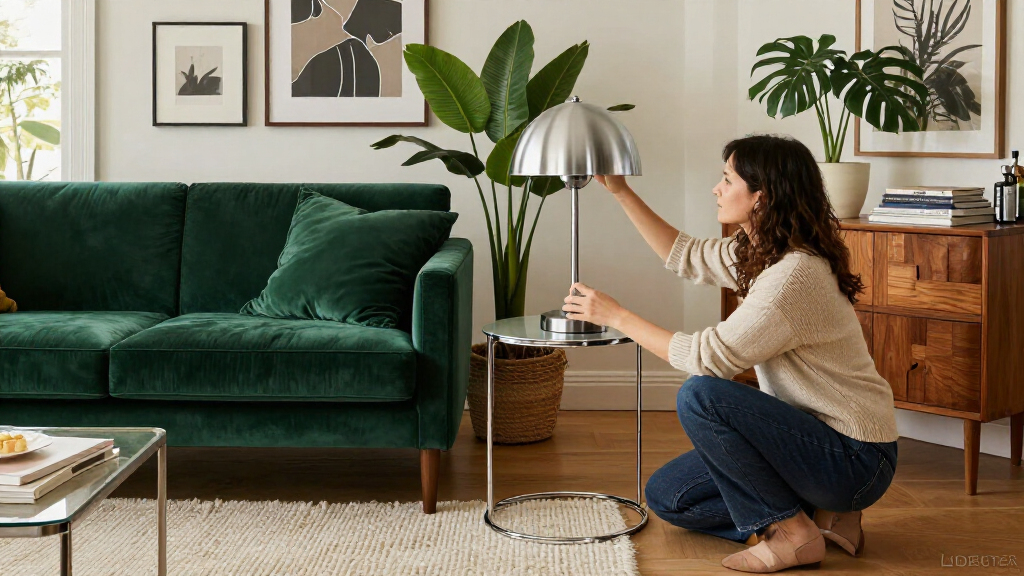
The report distinguishes silver from ordinary gray by its reflective, metallic finish. Suggested examples include stainless-steel cabinetry and sideboards, chrome lamps and vases, and silver-toned details used alongside other materials. The approach treats silver as a material and surface quality, not simply another paint color.
Berchtold, director and designer at Studio Tutto Bene, describes silver-toned metals as responsive to their surroundings. “Silver-toned metallic finishes catch the light and frame it. It also borrows color from its surroundings, shifting through the day,” she says. In this account, the changing reflections can help a finish relate to a room’s palette rather than impose a fixed, cool tone.
The report recommends considering pairings and scale. Chrome alongside wood and warm colors can create a crisp contrast, while metals beside stone and cooler colors can reinforce a more tonal atmosphere. Berchtold says black and silver can create “magic, like moonlight in the dark.” The examples range from small accessories to extensive applications, including a Studio Tutto Bene kitchen in Milan described as covered in silver leaf.
Silver Moves Beyond Utility
The design argument matters to homeowners because silver fixtures and finishes are often associated with kitchens, bathrooms and practical hardware. Treating them as a deliberate part of a room’s palette opens the possibility of using the material in living spaces, bedrooms or larger architectural surfaces. It also offers an alternative to choosing between a conventional neutral and a more saturated color.
Reflective finishes can change how a space reads as daylight and surrounding colors shift. That may help connect tones across a room, but the effect depends on the finish, its placement and the materials around it. The report’s examples support experimentation, not a guarantee that every chrome or steel surface will make a room feel warmer or more cohesive.
Scale is another practical consideration. A lamp or vase offers a limited way to test the look; full cabinetry or a large bar makes silver a defining design decision. The report argues that larger applications can feel intentional, while also showing that the approach can begin with smaller details. It does not provide cost, maintenance or durability comparisons for the materials discussed.
Products Worth Considering

Dyson W1 PencilWash Cordless Wet and Dry Floor Cleaner with Dock

Dyson V8 Cyclone Cordless Vacuum

Bose SoundLink Flex Bluetooth Speaker (2nd Gen), Waterproof, Dustproof, USB‑C, Up to 12 hr Battery, Black
As an affiliate, we earn on qualifying purchases.
From Gray to Reflective Metal
The Livingetc report frames silver as related to gray in hue but different in how it behaves: its lustrous surface reflects light. It also notes a distinction between historical uses of real silver and current interiors, where designers more commonly work with stainless steel, brushed metals and chrome accessories.
Berchtold characterizes silver as carrying an association with the past and chrome as suggesting the future, while saying both appeal to people’s attraction to shine. The report uses those observations to explain why metallic finishes can have aesthetic appeal beyond their familiar practical roles. It does not establish a measured market trend or claim that silver has replaced other neutral colors.
“Silver-toned metallic finishes catch the light and frame it. It also borrows color from its surroundings, shifting through the day.”
— Felizia Berchtold, director and designer at Studio Tutto Bene
How Broad Is the Shift?
The report offers design guidance and examples, not evidence that silver is becoming a dominant or newly established neutral across the industry. It gives no survey data, sales figures or comparison with other finishes, so the scale of any shift in designer or consumer preferences is unclear.
It is also not clear how the described effects translate across different lighting conditions, room sizes or metal finishes. Polished chrome, brushed steel and silver leaf can reflect light differently. The report does not compare their upkeep, price or performance, and its examples should not be taken as proof that every metallic surface will feel warm rather than stark.
Testing Silver at Home
The report’s practical suggestion is to judge silver in relation to the room it will occupy. Homeowners can start with a small reflective accessory or a specific architectural detail, then assess how it looks beside existing wood, stone, paint and textiles at different times of day. A larger commitment, such as metallic cabinetry, calls for a clear plan for how the finish will work with the rest of the space.
No new study, industry data release or follow-up milestone is identified in the source. Whether silver becomes more widely treated as a neutral will depend on how designers and homeowners use it beyond the examples in the report.
Key Questions
Is silver being described as a new neutral?
The Livingetc report presents silver-toned finishes as a versatile neutral-like option. It does not establish that silver has broadly replaced other neutrals or become a dominant trend.
What does decorating with silver mean?
It refers to using reflective metallic materials such as chrome, stainless steel or silver leaf, rather than simply painting a surface gray.
How can silver be paired with other colors?
Berchtold says chrome can add contrast beside wood and warm tones, while silver beside stone and cooler colors can support a more tonal look. The result depends on the materials and lighting in the room.
Where does the report suggest using silver?
Examples include kitchen and bathroom hardware, lamps and vases, cabinetry, sideboards and larger features such as a bar. The report presents these as design possibilities, not a prescribed formula.
Source: livingetc.com