
TL;DR

Get furniture and decor delivered free — and shop member deals
- Fast, free delivery on millions of items
- Access to Prime Big Deal Days deals on October 6–7
- Prime Video, Amazon Music and more included
This article examines 12 key pop culture trends that Singaporeans have been obsessed with over the last 25 years. It highlights how these trends influenced society and what they reveal about changing tastes.
Over the past 25 years, Singaporeans have shown distinct and evolving interests in various pop culture phenomena, from music and fashion to technology and entertainment. These trends have shaped social conversations and influenced lifestyle choices, reflecting broader societal shifts.
Based on recent analyses and surveys, 12 pop culture trends stand out as the most influential and widely embraced by Singaporeans since the early 2000s. These include the rise of K-pop, the popularity of local celebrities, the dominance of certain fashion styles, and the impact of social media platforms.
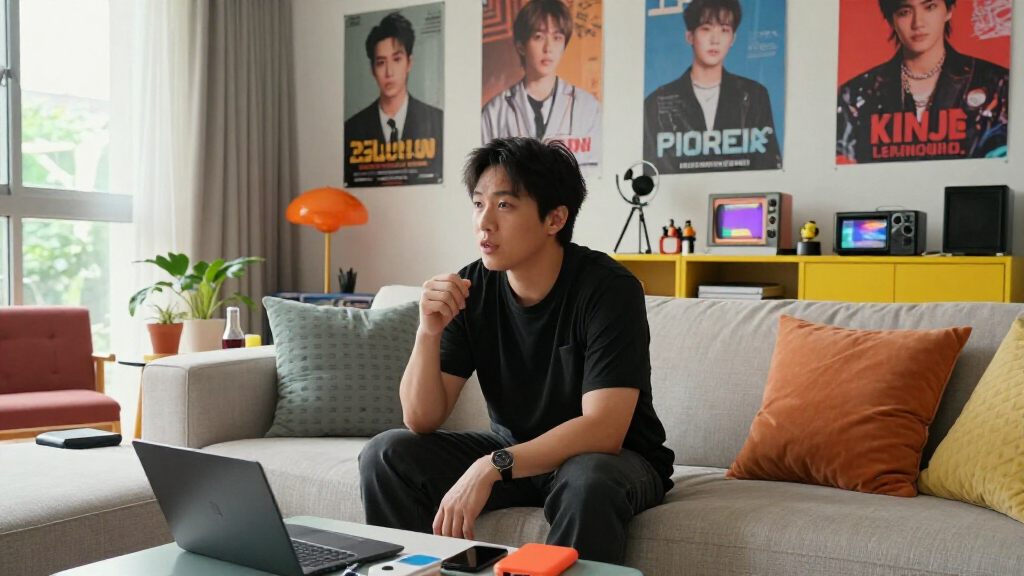
Experts and cultural commentators note that these trends have not only reflected changing tastes but also contributed to shaping Singapore’s youth identity and social fabric. For instance, the global K-pop wave, which gained momentum in the late 2000s, became a major cultural phenomenon, influencing music, fashion, and even language among young Singaporeans.
Other trends such as the obsession with certain TV shows, gaming, and the rise of local influencers have also played significant roles. The trends have evolved with technological advances, especially the proliferation of smartphones and social media, enabling Singaporeans to engage with pop culture more actively and globally.
How These Trends Reflect Singapore’s Societal Changes
The popularity of these 12 trends illustrates broader shifts in Singaporean society, including increased globalization, digital connectivity, and changing notions of identity. Understanding these trends helps explain how Singaporeans have adapted to and shaped a rapidly changing cultural landscape, influencing everything from consumer behavior to social values.
For businesses and marketers, recognizing these trends offers insights into consumer preferences and emerging markets. For policymakers and educators, it highlights the importance of cultural engagement and youth influence in shaping national identity.
As an affiliate, we earn on qualifying purchases.
Evolution of Pop Culture in Singapore Over 25 Years
Since the early 2000s, Singapore’s pop culture landscape has been shaped by both local and international influences. The rise of the internet and social media platforms like Facebook, YouTube, and Instagram transformed how trends spread and gained popularity.
Key moments include the global ascent of K-pop, the local surge of celebrity culture with icons like JJ Lin and Stefanie Sun, and the emergence of social media influencers. These developments contributed to a more interconnected and dynamic cultural scene, where trends could quickly gain traction and fade or evolve.
Historical context shows that Singapore’s obsession with certain trends often mirrors global phenomena but is also uniquely shaped by local tastes and societal values, such as multiculturalism and meritocracy.
“What Singaporeans love about these trends is how they blend the global with the local, creating a unique cultural identity.”
— Local influencer Mark Lee
Unresolved Aspects of Singapore’s Pop Culture Evolution
While the top 12 trends are well-documented, it is still unclear how emerging trends will shape future Singaporean culture, especially with rapid technological changes and shifting societal values. The long-term impact of current trends remains to be seen, and some older trends may resurface or evolve into new forms.
Additionally, there is limited data on how different demographic groups within Singapore engage with these trends, which could influence future cultural directions.
Emerging Trends and Future Cultural Shifts in Singapore
As digital platforms continue to evolve, new pop culture phenomena are likely to emerge among Singaporeans, influenced by global trends and local innovations. Monitoring social media and youth culture will be key to understanding what trends will dominate in the coming years.
Experts suggest that future trends may focus more on sustainability, virtual reality, and local storytelling, reflecting broader societal priorities. Policymakers and industry players will need to stay attuned to these shifts to remain relevant.
Key Questions
What are some of the most influential pop culture trends in Singapore over the past 25 years?
Some of the most influential trends include the rise of K-pop, local celebrity culture, social media influencers, specific fashion styles, and popular TV shows and gaming phenomena.
How have these trends impacted Singaporean society?
They have shaped social identities, influenced consumer behavior, and fostered a sense of community among youth, while also reflecting broader societal changes like globalization and technological advancement.
Are these trends still relevant today?
Many of these trends continue to influence current popular culture, though some have waned or evolved. New trends are emerging, driven by technological innovations and changing societal values.
Will older trends make a comeback?
It is possible, as nostalgia often fuels revivals in pop culture. The cyclical nature of trends suggests some older phenomena may resurface or be reinterpreted.
What might future trends look like in Singapore?
Future trends are likely to involve digital innovations such as virtual reality, sustainability themes, and local storytelling, influenced by global movements and local cultural priorities.
Source: rss
Evergreen bestsellers Picks
bestsellers
As an affiliate, we earn on qualifying purchases.