Vinegar works well for light cleaning, deodorizing, and removing mineral deposits, but it’s not a strong disinfectant and can damage delicate surfaces like marble or hardwood. Its acidity can cause etching or tarnish metal fixtures. For tougher stains or germs, consider safer alternatives like baking soda, hydrogen peroxide, or eco-friendly cleaners. To get the best results without risking damage, learn which products suit each task and how to use them properly.
Key Takeaways
- Vinegar is ineffective as a disinfectant and cannot replace stronger sanitizers for germs and bacteria.
- It can damage delicate surfaces like marble and may corrode metals, limiting its suitability for all cleaning tasks.
- For stubborn stains and deep cleaning, specialized products or natural alternatives like baking soda are more effective.
- Vinegar’s acidity can weaken hardwood finishes and cause streaks or etching if used improperly.
- Use eco-friendly cleaners like hydrogen peroxide, baking soda, or commercial plant-based solutions for safer, more reliable results.
When Does Vinegar Work Best for Cleaning?
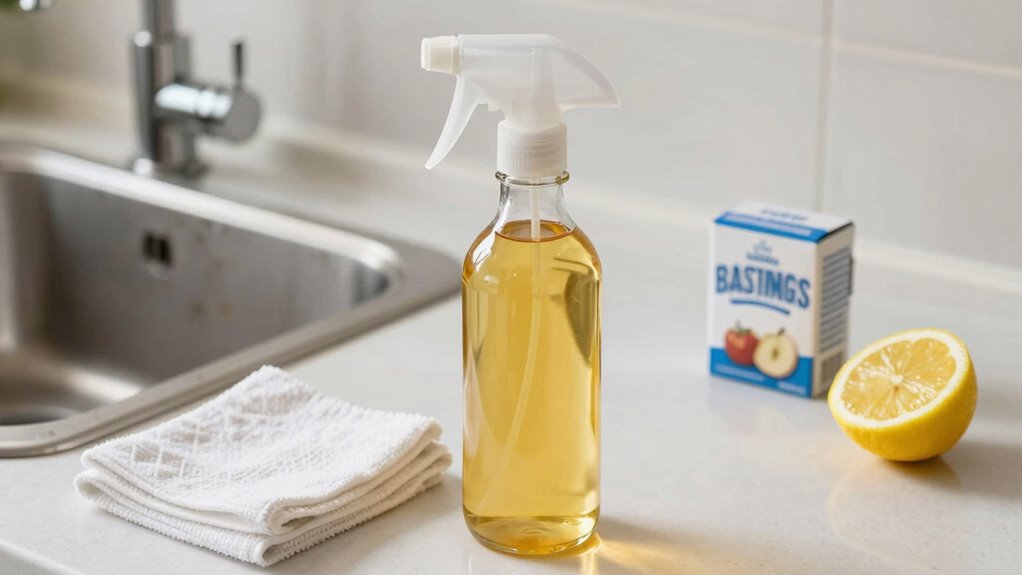
Vinegar works best for cleaning when you need a natural, non-toxic solution for everyday messes. It’s especially effective on surfaces like glass, countertops, and tiles, where you want to avoid harsh chemicals. If you’re looking for organic remedies to freshen your space, vinegar acts as a natural deodorant by neutralizing odors without artificial fragrances. It’s perfect for cleaning appliances, removing soap scum, and tackling minor stains. Additionally, vinegar is a good choice if you’re aiming to reduce your reliance on commercial cleaners that may contain synthetic ingredients. For those seeking natural deodorants, vinegar provides a safe alternative to synthetic options, making it a versatile tool in eco-friendly and organic cleaning routines. Incorporating vinegar into your cleaning routine can also support sustainable practices, aligning your home care with eco-conscious values. Using vinegar regularly can contribute to eco-friendly cleaning, helping reduce plastic waste and chemical runoff. Furthermore, vinegar’s ability to dissolve mineral deposits makes it a valuable addition to home maintenance tasks, ensuring a clean and healthy living environment. Regular use of vinegar can also boost your curiosity about eco-friendly methods, encouraging you to explore more sustainable cleaning solutions. Use it regularly for a clean, fresh home without toxic residues.
What Are Vinegar’s Limits in Disinfecting and Stain Removal?

You should know that vinegar isn’t a strong disinfectant, so it might not eliminate all germs effectively. It also falls short when it comes to removing stubborn stains on fabrics or surfaces. Recognizing these limits helps you choose the right cleaning tools for tougher tasks. For more effective results, consider using appropriate disinfectants designed specifically for sanitation.
Limited Antimicrobial Power
While vinegar can be effective for some cleaning tasks, its antimicrobial properties are limited. Vinegar’s antimicrobial efficacy isn’t strong enough to eliminate many bacteria, viruses, or fungi effectively. It may reduce surface germs, but it doesn’t guarantee sterilization, especially against more resistant pathogens. Relying solely on vinegar for disinfecting can give you a false sense of safety. Its cleaning limitations are clear: it’s not a reliable disinfectant for high-touch areas or medical environments. If you need thorough sanitation, you’ll want to choose stronger disinfectants proven to meet health standards. Vinegar’s role is better suited for deodorizing or light cleaning rather than exhaustive antimicrobial action. Understanding these limits helps you avoid ineffective cleaning and choose the right products for your needs. Additionally, proper cleaning techniques are crucial to ensure surfaces are truly sanitized and safe for your pets and family.
Ineffective on Stains
Despite its popularity as a natural cleaning agent, vinegar often falls short when it comes to removing stubborn stains. It’s effective for surface cleaning but struggles with deep or set-in marks. You might notice that coffee spills, wine stains, or grease marks remain after using vinegar. Its acidity can help break down some surface grime, but it isn’t strong enough for tough stains. For emotional impact, consider this table:
| Stain Type | Vinegar Effectiveness | Best Alternative |
|---|---|---|
| Red Wine | Weak | Club soda or peroxide |
| Coffee | Limited | Baking soda paste |
| Grease/Oil | Not effective | Dish soap or degreaser |
| Ink/Markers | Ineffective | Rubbing alcohol or stain remover |
Vinegar’s limits in stain removal highlight the need for specialized solutions to truly refresh your surfaces.
Are There Myths About Vinegar’s Health Benefits?
Many claims about vinegar’s health benefits are often exaggerated, and you should question these overhyped promises. While some believe it can cure everything from weight loss to cancer, scientific evidence supporting these ideas is limited. It’s important to distinguish between myths and facts when considering vinegar’s true health effects. Additionally, it’s worth noting that halal certification of food ingredients can influence which products are suitable for certain diets, further emphasizing the need for accurate information.
Overhyped Health Claims
Vinegar has gained popularity for its supposed health benefits, but many of these claims tend to be overhyped or exaggerated. It’s vital to engage in myth busting to separate fact from fiction and address common health misconceptions. Many believe vinegar can cure everything from diabetes to cancer, yet scientific evidence remains limited. Here are key points to consider:
- Not a miracle cure for chronic illnesses.
- Benefits often lack consistent scientific support.
- Overestimating its impact might lead to neglecting proven treatments.
- Health claims are frequently amplified without rigorous validation.
- Relying solely on natural remedies like vinegar can overshadow the importance of professional medical advice.
While vinegar may offer certain advantages, overhyping its health claims can mislead you. It’s crucial to approach such claims critically and rely on evidence-based advice for your health.
Lack of Scientific Evidence
Although numerous health claims about vinegar circulate, scientific research often fails to back them up. Many popular beliefs about vinegar’s benefits lack solid empirical evidence, making it hard to verify their accuracy. While some studies suggest minor effects, such as blood sugar regulation or weight loss, these findings are limited and not conclusive. Relying solely on anecdotal reports or traditional uses can lead you to believe in myths rather than facts. Scientific research demands rigorous testing and reproducibility, which many vinegar-related claims do not meet. Without strong empirical evidence, you should approach such claims with skepticism. Instead, focus on proven health strategies supported by scientific research, like balanced diets and regular exercise. These methods have a well-established track record of benefits.
Can Vinegar Damage Your Surfaces?
While vinegar is a popular natural cleaner, it can sometimes cause damage to certain surfaces. Its acidity may lead to surface damage or affect material sensitivity. You should be cautious with:
- Marble and natural stone, which can etch or dull when exposed to vinegar’s acidity.
- Hardwood flooring, as prolonged contact can weaken finishes or cause discoloration.
- Glass surfaces, where vinegar can leave streaks or etchings if used excessively.
- Metal fixtures, particularly aluminum and certain alloys, which may corrode or tarnish over time.
Understanding the material sensitivity of your surfaces helps prevent unintended damage. Always test vinegar on a small, hidden area first, and avoid using it on surfaces prone to etching, corrosion, or discoloration. Additionally, being aware of AI-powered cleaning tools can help you choose safer, more effective cleaning options for delicate surfaces, especially when considering the materials’ chemical resilience. Using appropriate cleaning solutions designed for specific materials can further safeguard your surfaces from harm. Moreover, knowing proper cleaning techniques ensures you maintain surfaces without causing damage. Being informed about surface sensitivities helps you select the best cleaning methods for each material type.
What Are Better Alternatives to Vinegar for Cleaning and Health?
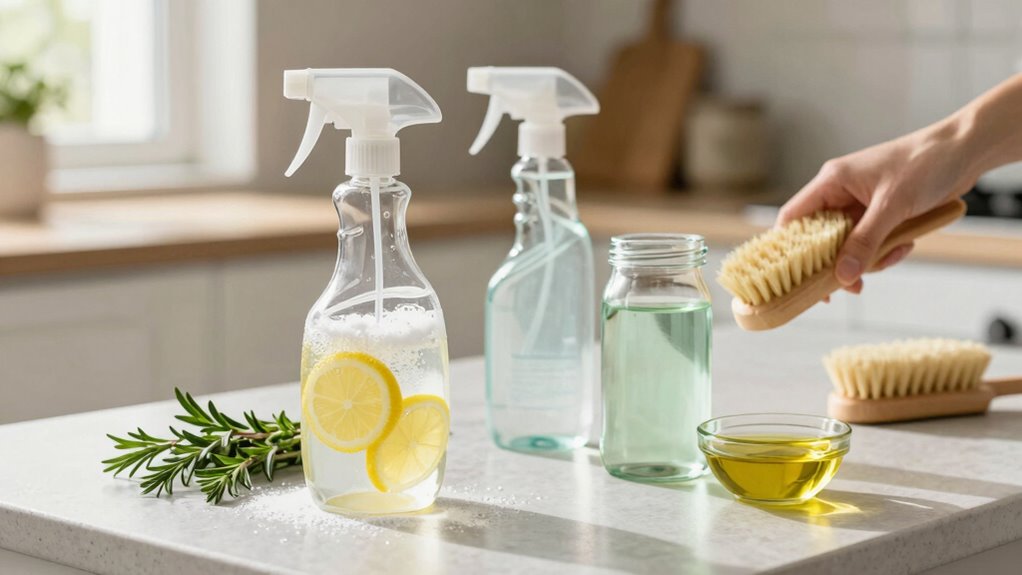
If you’re looking for safer and more effective options for cleaning and health benefits, there are several alternatives to vinegar that might suit your needs better. Natural alternatives like baking soda, hydrogen peroxide, and lemon juice offer powerful cleaning properties without the acidity concerns. Baking soda acts as a gentle abrasive and deodorizer, while hydrogen peroxide serves as a disinfectant. Lemon juice provides natural antimicrobial effects and a fresh scent. For chemical substitutes, consider eco-friendly commercial cleaners that use plant-based ingredients, which often deliver similar or better results without the potential surface damage vinegar can cause. These options are safer for your skin, surfaces, and the environment, making them excellent choices for everyday cleaning and health routines. Safe cleaning practices ensure you choose the right materials and methods for your home. Additionally, using appropriate cleaning methods can help maintain appliance efficiency and prolong their lifespan. Incorporating these alternatives can also contribute to indoor air quality, reducing the risk of chemical sensitivities and improving overall home health. Exploring natural cleaning agents can further enhance your efforts to create a healthier living environment. Moreover, selecting cleaning products that align with home maintenance tips can optimize your home’s comfort and efficiency.
How Do You Choose the Right Product for Your Needs?
Choosing the right product depends on understanding your specific cleaning or health needs and the surfaces you’re working with. To make an effective product comparison, consider these factors:
- Surface compatibility – Is the product safe for delicate surfaces or materials? Some cleaning agents can damage sensitive surfaces, just as certain diagnostic tools are better suited for specific breast tissue types. Knowing the market reputation of a product can also influence your confidence in its safety and effectiveness. Additionally, selecting products with appropriate certifications can ensure they meet safety standards.
- Purpose and effectiveness – Does it target stains, odors, or bacteria effectively? Likewise, in medical screening, different tools serve distinct purposes, such as ultrasound for differentiating cysts from solid masses.
- Usage considerations – Are there instructions for dilution, application, or safety precautions? Proper use ensures safety and effectiveness, similar to the importance of selecting appropriate screening methods for different age groups.
- Ingredients and safety – Are the ingredients non-toxic and environmentally friendly? Understanding the importance of financial freedom can help you make smarter choices about product investments and long-term safety. Additionally, knowing the mammography guidelines helps in making informed health decisions tailored to your personal risk factors.
Tips for Using Cleaning and Health Products Safely

Using cleaning and health products safely is just as important as selecting the right ones. When exploring home remedies and natural solutions, always read labels and follow instructions carefully. Keep products out of reach of children and pets to prevent accidents. Use gloves or masks when necessary to avoid skin or respiratory irritation. Avoid mixing different natural solutions, like vinegar and baking soda, unless you’re sure they’re safe to combine. Store products in clearly labeled containers to prevent misuse. When trying new remedies, start with small amounts to test for allergies or reactions. Proper ventilation helps reduce inhalation risks. Being aware of safe handling practices and understanding home remedy safety can help you prevent common accidents and health issues. By staying informed and cautious, you’ll protect yourself and your loved ones while effectively using natural solutions and home remedies.
Frequently Asked Questions
Is Vinegar Effective Against All Types of Bacteria and Viruses?
Vinegar isn’t effective against all bacteria and viruses. Its antibacterial spectrum is limited, mainly targeting some bacteria like E. coli and Salmonella, but it doesn’t reliably kill viruses such as influenza or norovirus. For viral effectiveness, you need stronger disinfectants like bleach or alcohol-based solutions. Relying solely on vinegar can give you a false sense of security, so choose the right disinfectant based on what you’re trying to eliminate.
Can Vinegar Be Used Safely on All Surfaces?
You can’t safely use vinegar on all surfaces, as its surface compatibility varies. For example, it’s great for stain removal on glass or tile, but it can damage natural stone like marble or granite. Always test vinegar on a small, hidden area first. Avoid using it on delicate surfaces, and don’t rely solely on vinegar for cleaning, especially where you need to preserve the surface’s integrity.
Does Vinegar Have Any Long-Term Health Benefits?
Vinegar offers some health benefits as a natural remedy, like helping with digestion and blood sugar regulation. However, its long-term health benefits are limited and not a cure-all. You should use vinegar as part of a balanced approach to wellness, but don’t rely solely on it. Incorporate other natural remedies and healthy habits for better, sustained health outcomes. Always consult with a healthcare professional for personalized advice.
How Does Vinegar Compare to Commercial Cleaning Products?
Think of vinegar as a humble knight—effective but not invincible. Compared to commercial cleaning products, vinegar’s natural disinfectants and balanced pH levels help clean surfaces gently. However, commercial products often contain stronger agents for tougher germs and bacteria. While vinegar’s eco-friendly and cost-effective, it may fall short against pathogens needing more potent solutions. Choose wisely based on your cleaning needs—sometimes, a commercial product is the better knight.
Are There Any Risks Associated With Consuming Too Much Vinegar?
Consuming too much vinegar can pose health concerns, such as damaging your tooth enamel, causing throat irritation, and affecting your stomach. To avoid these issues, stick to recommended consumption limits, usually about 1-2 tablespoons daily. Overindulgence increases risks, so it’s best to use vinegar sparingly and dilute it when needed. Always listen to your body and consult a healthcare professional if you experience discomfort from vinegar intake.
Conclusion
Just like a toolbox needs the right tools for each job, your cleaning and health routine benefits from choosing the right products. I once tried using vinegar on a coffee stain—it faded, but didn’t vanish. Knowing when to switch to a stain remover or disinfectant saved me time and effort. Remember, no single solution fits all needs—think of vinegar as a helpful brush, but not the entire toolkit. Choose wisely for the best results.