Many germ hotspots in your home often go unnoticed, like remote controls, light switches, faucet handles, and electronic devices, which get touched frequently. Kitchen sponges, dishcloths, and inside sink drains also harbor bacteria and viruses if not cleaned regularly. These hidden areas can spread germs if overlooked during your routine cleaning. Keeping these spots disinfected weekly is essential for a healthy home. Want to find out more simple ways to keep your home germ-free? Keep exploring.
Key Takeaways
- Frequently touched surfaces like doorknobs, light switches, and remote controls are often overlooked but accumulate germs quickly.
- Kitchen sponges and sink drains stay wet and breed bacteria and viruses if not regularly sanitized or replaced.
- Bathroom fixtures such as faucet handles and toilet handles harbor germs and require routine disinfection.
- Inside drawers, behind appliances, and under furniture are hidden areas prone to microbial buildup that are easy to forget.
- Electronic devices like smartphones and remote controls often harbor bacteria due to frequent handling and are rarely cleaned properly.
Hidden Germ Hotspots in Your Home and How to Disinfect Them
Many people overlook common spots in their homes that harbor germs, making it easy for bacteria and viruses to spread. Household allergens, like pet dander, often settle on surfaces you rarely think to clean. These allergens can trigger allergies or asthma attacks if not addressed regularly. Items such as upholstered furniture, curtains, and carpets trap pet dander and other dust particles, creating a breeding ground for germs. To keep these areas sanitary, vacuum regularly with a HEPA filter, and wash fabrics frequently. Wiping down upholstered furniture with disinfectant sprays designed to eliminate germs without damaging fabric is also effective. Regularly cleaning and disinfecting these overlooked hotspots reduces allergen buildup and creates a healthier living environment for everyone in your home. Incorporating proper cleaning techniques ensures you effectively target hidden germ reservoirs and maintain a safer space. Additionally, paying attention to household surface hygiene can significantly reduce the presence of microbes that often go unnoticed. Using advanced sanitation methods like UV-C light can further enhance the disinfection process in hard-to-reach areas. Being aware of germ hotspots helps prioritize cleaning tasks and improve overall hygiene.
Easy Ways to Clean and Disinfect Your Remote Controls, Phones, and Devices
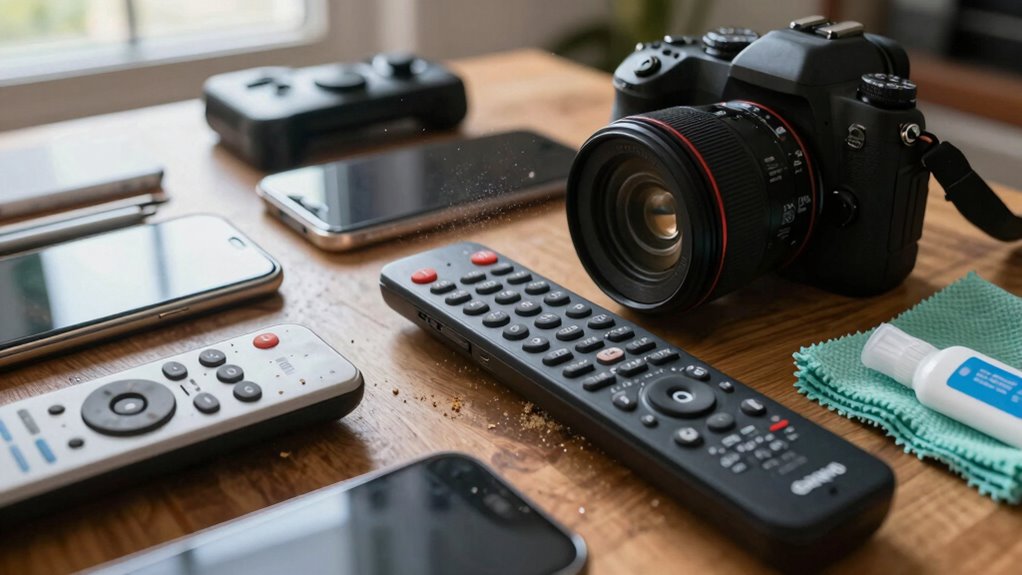
Since remote controls, phones, and other devices are touched frequently, they quickly become hotspots for germs and bacteria, making regular cleaning essential. One easy method is to use a microfiber cloth to wipe down surfaces, removing dirt and some germs. For a deeper clean, UV sanitizers are highly effective; they use ultraviolet light to kill bacteria and viruses without chemicals. Simply place your devices inside the sanitizer for a few minutes, and they’ll be disinfected safely. Be sure to turn off devices first, then wipe off any visible dirt before using UV sanitizers. Regularly cleaning your devices with a microfiber cloth followed by UV sanitization can markedly reduce germ buildup, helping you stay healthier and reducing the spread of germs in your home. Effective disinfection methods Additionally, choosing devices with high-quality materials can often facilitate easier cleaning and reduce bacterial adherence, as durable surfaces are less likely to harbor germs over time. Incorporating smart device maintenance routines can further enhance ongoing hygiene efforts in your household.
Germs in Kitchen Sponges, Dishcloths, and Sink Drains: and How to Kill Them
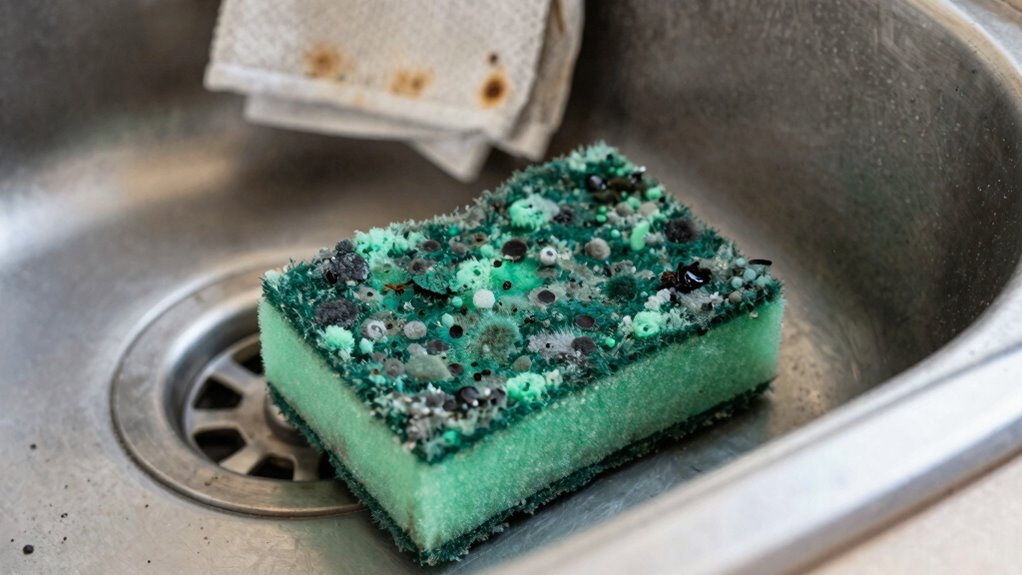
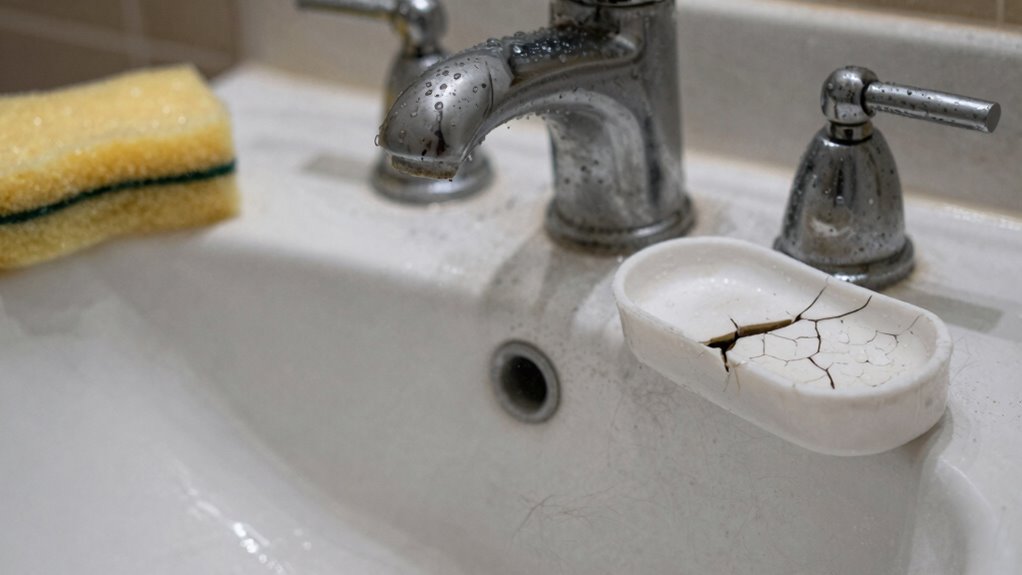
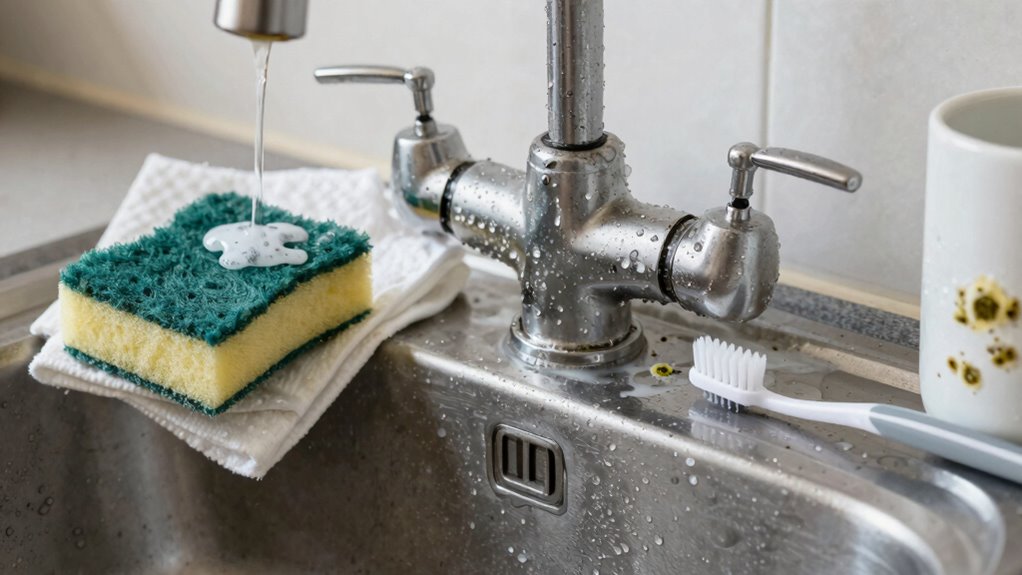
Kitchen sponges, dishcloths, and sink drains are prime breeding grounds for germs and bacteria because they stay wet and accumulate food particles. Kitchen sponge bacteria can multiply rapidly if not cleaned regularly, spreading germs throughout your kitchen. Sink drain germs also thrive in the moist environment, making your sink a hotspot for bacteria. To kill these microbes, regularly microwave your damp sponge for 1-2 minutes or replace it weekly. Dishcloths should be washed in hot water or sanitized in the dishwasher. Pour boiling water or a vinegar solution down your sink drain weekly to reduce sink drain germs. Additionally, ensuring proper ventilation helps reduce moisture buildup and bacterial growth in your kitchen. Using filtration and other protective measures can further prevent the spread of germs. Keeping these areas dry and sanitized helps prevent the spread of harmful bacteria, ensuring a cleaner, safer kitchen. Proper sanitation and consistent cleaning routines are essential for maintaining a hygienic kitchen environment. Using sizing and load‑planning tools can help you determine the best cleaning frequency to keep germs at bay.
High-Touch Surfaces You Might Be Forgetting to Disinfect
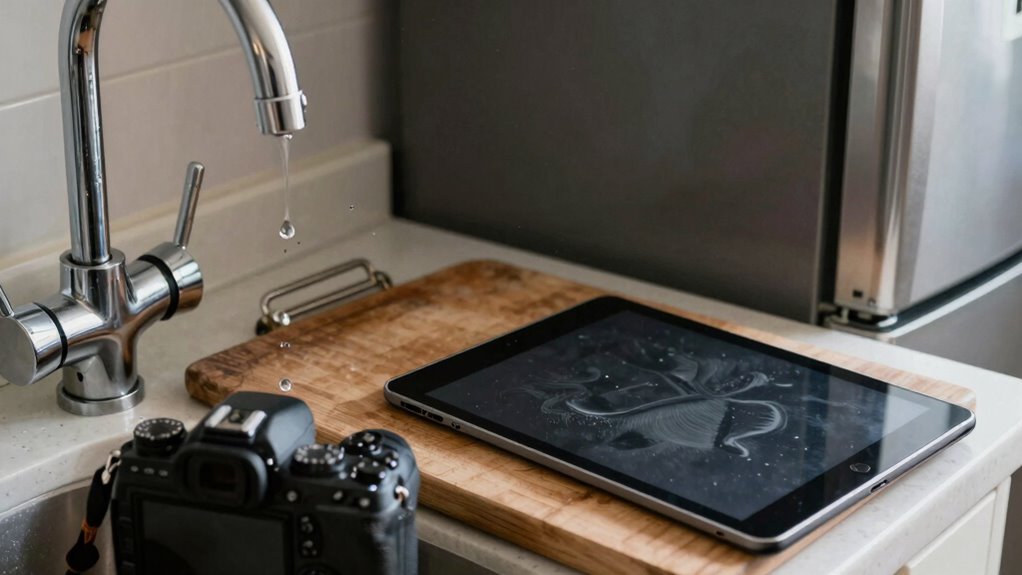
While it’s easy to focus on obvious surfaces like countertops and doorknobs, some high-touch areas often get overlooked when disinfecting. You might forget about spots that get touched frequently but aren’t as obvious. For example:
Don’t forget high-touch spots like light switches, remote controls, and phones during cleaning routines.
- Door handles – they’re touched dozens of times daily, spreading germs easily.
- Light switches – frequently used and rarely cleaned, making them germ hotspots.
- Remote controls and cell phones – often overlooked but harbor bacteria and viruses.
- Filtration systems in your home appliances can also trap germs and dust if not maintained properly, contributing to indoor air quality issues.
Additionally, antimicrobial surfaces can help reduce microbial buildup on frequently touched objects. Incorporating disinfection routines into your weekly cleaning schedule can further minimize germ spread and keep your environment safer. Regularly cleaning and inspecting air filtration units can also improve overall health by reducing airborne contaminants. To effectively reduce germs, it’s important to understand how germ transmission occurs through these surfaces and objects. Make it a habit to disinfect these surfaces regularly. Use a disinfectant spray or wipes to wipe down door handles and light switches at least once a week. Don’t forget to include remote controls and phones in your routine for a healthier home environment.
Simple Tips to Keep Hidden Germ Hotspots Clean and Safe
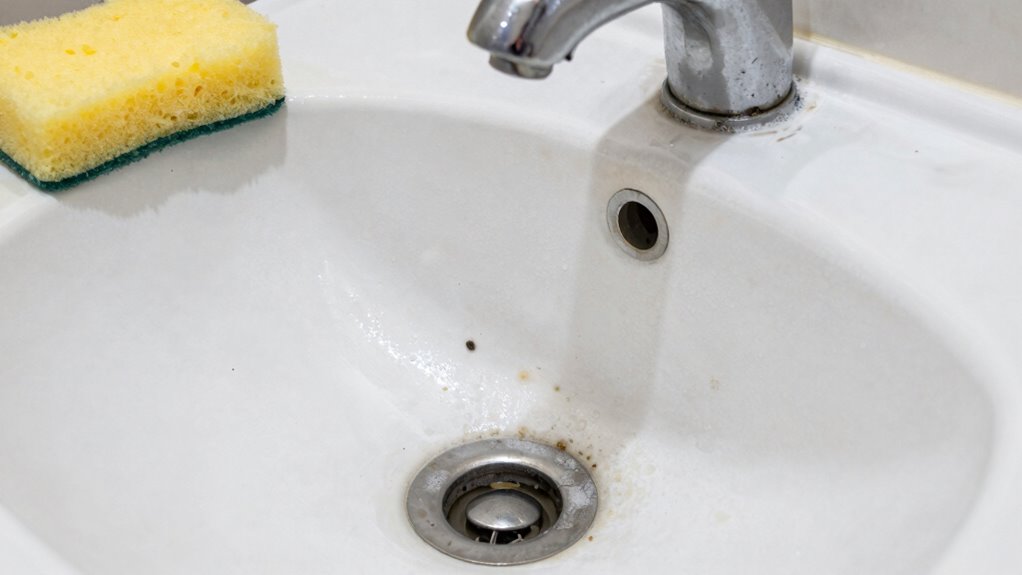
Keeping hidden germ hotspots clean requires consistent effort and simple habits. Start by establishing regular hand sanitizer routines, especially after touching common surfaces or before preparing food. This reduces the spread of germs from overlooked areas. Additionally, don’t forget air purifier maintenance; change filters regularly to ensure they effectively trap airborne bacteria and viruses. Clean hidden spots like behind appliances, inside drawers, and under furniture weekly with disinfectant. Use microfiber cloths for dusting and sanitation, and keep cleaning supplies accessible. Incorporate these habits into your routine to minimize germs in often-forgotten areas. Regularly disinfect high-touch surfaces such as light switches and door handles to further reduce bacterial buildup. Incorporating air purifier maintenance into your cleaning routine is crucial, as it helps ensure the filtration system continues to trap airborne pathogens effectively. Proper filter replacement is essential for maintaining air quality and preventing the circulation of germs. Regular air purifier filter changes help optimize performance and prevent the spread of germs in your home. Combining good hand hygiene with proper air purifier maintenance creates a safer environment and helps eliminate germs hiding in the most unlikely spots. Regular cleaning of hidden germ hotspots is essential to prevent the buildup of bacteria and viruses in your home. Consistency is key to keeping your home healthy.
Frequently Asked Questions
How Often Should I Disinfect My Home’s Hidden Germ Hotspots?
You should disinfect your home’s hidden germ hotspots at least once a week to prevent germ buildup. Establishing a regular disinfecting schedule helps keep bacteria and viruses at bay, especially in overlooked areas like light switches, door handles, and remote controls. By sticking to this routine, you reduce the risk of illness and maintain a healthier environment. Consistency is key to effectively managing germs in your home.
Are DIY Disinfectant Solutions as Effective as Store-Bought Products?
DIY solutions can be quite effective, but store-bought disinfectants often have proven effectiveness due to tested formulations. You might find that DIY solutions, like vinegar or hydrogen peroxide, work well for general cleaning, but they may lack the broad-spectrum efficacy of commercial products. If you want reliable results for germ hotspots, using store-bought disinfectants guarantees better protection, especially on tough surfaces. Combining both can also be a smart cleaning strategy.
Can Certain Materials in My Home Harbor More Germs Than Others?
Ever wonder which materials in your home harbor more germs? Soft, porous surface materials like fabric or wood tend to trap bacteria and mold more than non-porous materials such as glass or ceramic. Surface porosity plays a big role in germ retention, making some materials harder to disinfect thoroughly. You should regularly clean high-traffic, porous surfaces to reduce germ buildup and keep your home healthier.
What’s the Best Way to Clean Electronics Without Damaging Them?
For effective electronic cleaning, turn off and unplug your devices first. Use a soft, lint-free cloth dampened with a mixture of 70% isopropyl alcohol or disinfectant-safe wipes to gently wipe screens and surfaces. Avoid excess moisture and never spray directly onto electronics. This guarantees thorough disinfectant safety while preventing damage. Regular cleaning with proper techniques keeps germs at bay without harming your gadgets.
How Do I Prevent Germs From Spreading on Frequently Touched Surfaces?
Think of your hands as a medieval knight’s armor, constantly fighting off germs. To prevent germs from spreading on frequently touched surfaces, practice good hand hygiene by washing your hands regularly or using sanitizer. Use surface barriers like cloth or plastic covers on high-touch items, and clean them frequently with disinfectant. This proactive approach keeps germs at bay, safeguarding your health and keeping your environment safe.
Conclusion
Think of your home as a fortress against germs—every forgotten corner is like a sneaky enemy hiding in the shadows. Just last week, I found that a neglected remote control was teeming with bacteria, like an uninvited guest overstaying their welcome. Regularly cleaning these hidden hotspots keeps your fortress strong and your family safe. With a little effort, you can turn everyday surfaces into clean, germ-free zones, making your home truly a safe haven.