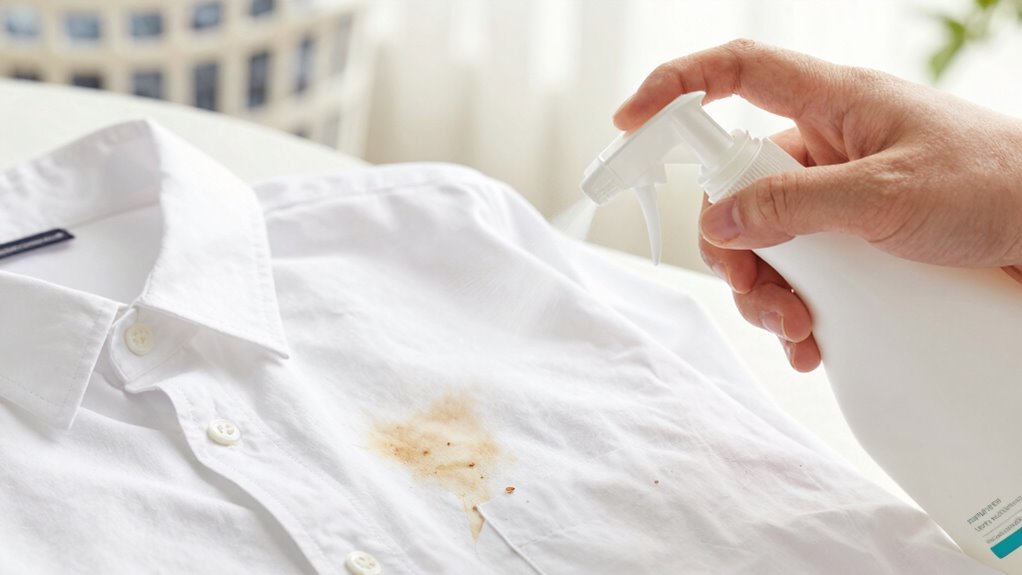

The most effective one-step pre-treat method combines enzymes, surfactants, and solvents to target and break down stubborn stains like grease, protein, and dye. Apply a focused solution directly to the stain, gently blot to avoid spreading, and let it sit for a few minutes before washing. This approach penetrates fabric fibers and lifts stains quickly, saving you time and effort—continue for tips on choosing the right ingredients and application techniques.
Key Takeaways
- Use an enzyme-based pre-treatment that targets proteins, fats, and carbohydrates for comprehensive stain breakdown.
- Apply the pre-treatment evenly, letting it sit briefly before washing to maximize stain disassembly.
- Combine targeted pre-treatment with appropriate wash cycle settings—hot water, proper agitation—for optimal results.
- Match pre-treatment ingredients (commercial or DIY) to specific stain types for more effective stain removal.
- Gently blot and avoid rubbing to prevent fabric damage and ensure the pre-treatment penetrates deeply for best stain recovery.

Shout Active Enzyme Laundry Stain Remover Spray, Triple-Acting Formula Clings, Penetrates, and Lifts 100+ Types of Everyday Stains – Prewash Spray 22oz
- Product Size: 22oz spray bottle
- Eco-Friendly Material: Made with 25% recycled plastic
- Versatile Stain Removal: Effective on food, drinks, makeup, grass, dirt, wine, blood
As an affiliate, we earn on qualifying purchases.
As an affiliate, we earn on qualifying purchases.
Why Stubborn Stains Are So Hard to Remove: And How to Fix That Quickly
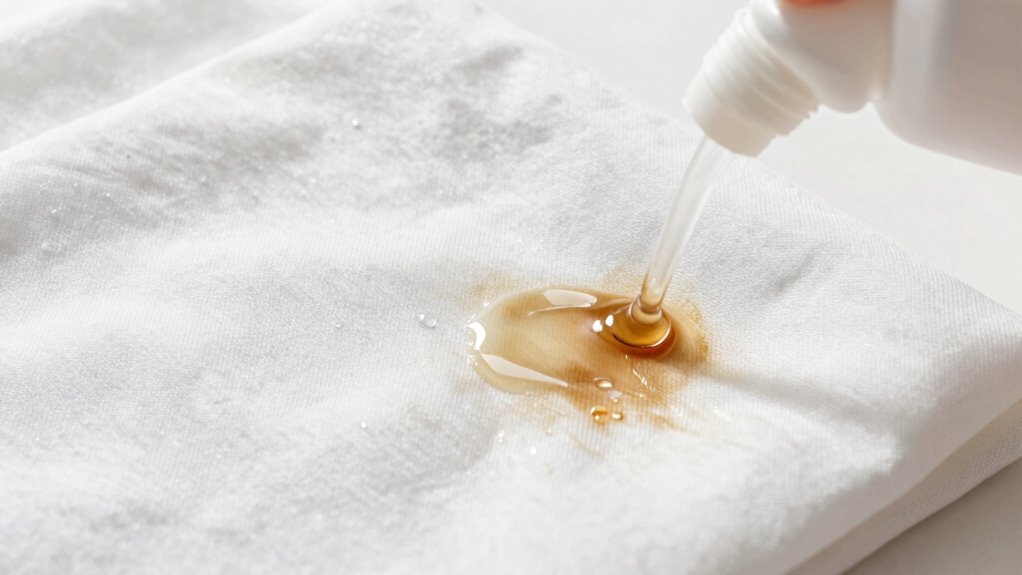
Stubborn stains are difficult to remove because they often penetrate deep into fabric fibers, making them resistant to regular cleaning methods. The challenge lies in understanding stain chemistry—how different substances bond with fibers. Some stains, like wine or grease, contain molecules that cling tightly to fibers, especially if they seep into the microscopic structure. Fabric fibers vary in porosity and composition, which influences how easily a stain can be lifted. Regular washing might not break these bonds, leaving stains behind. To fix this quickly, you need a pre-treat method that targets the specific chemistry of the stain and penetrates deep into fibers. This approach weakens the bonds, making it easier to remove the stain during washing. Additionally, using proper pre-treatment techniques can significantly improve stain removal success. Recognizing the individual properties of different fabrics can also help in choosing the most effective stain removal method. Employing a stain-specific pre-treatment can further enhance the effectiveness of your stain removal efforts, especially when dealing with stubborn or set-in stains. Incorporating knowledge of AI ethics and technology can also help develop smarter stain removal products that adapt to various fabric types and stain chemistries. Understanding how sound healing science influences cellular regeneration could inspire innovative cleaning technologies that are gentler yet effective.
How the One-Step Pre-Treat Method Effectively Breaks Down Stains
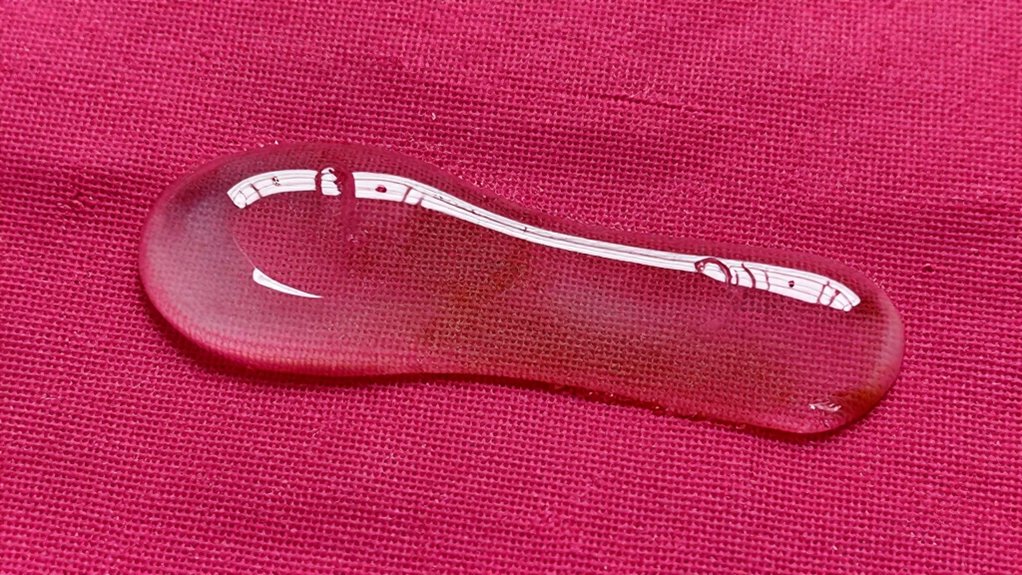
The one-step pre-treat method works by combining targeted cleaning agents that penetrate deep into fabric fibers, breaking down stubborn stains quickly. This process relies on stain chemistry, where specific ingredients interact with stain molecules to disassemble their structure. Pre-treatment science shows that enzymes, surfactants, and solvents work together to loosen and dissolve different stain components. Enzymes break down proteins, fats, or carbohydrates, while surfactants lift oils and dirt from fibers. Solvents dissolve stubborn residues like ink or grease. Understanding stain chemistry reveals how these interactions facilitate effective stain removal. By applying these agents directly to the stain, you activate their chemistry at a microscopic level, allowing them to break down the stain’s bonds. This targeted approach makes stain removal more efficient, ensuring you get your fabrics looking clean without multiple treatments. Additionally, understanding the natural ingredients in cleaning products can enhance their effectiveness and promote overall fabric health. Moreover, employing effective stain removal techniques can further improve results, making your laundry process more efficient. Incorporating knowledge of enzyme action can optimize pre-treatment effectiveness, especially for protein-based stains. Incorporating stain-specific treatments tailored to different stain types can also significantly improve overall cleaning outcomes.
Prioritizing Which Stains to Target First for Best Results
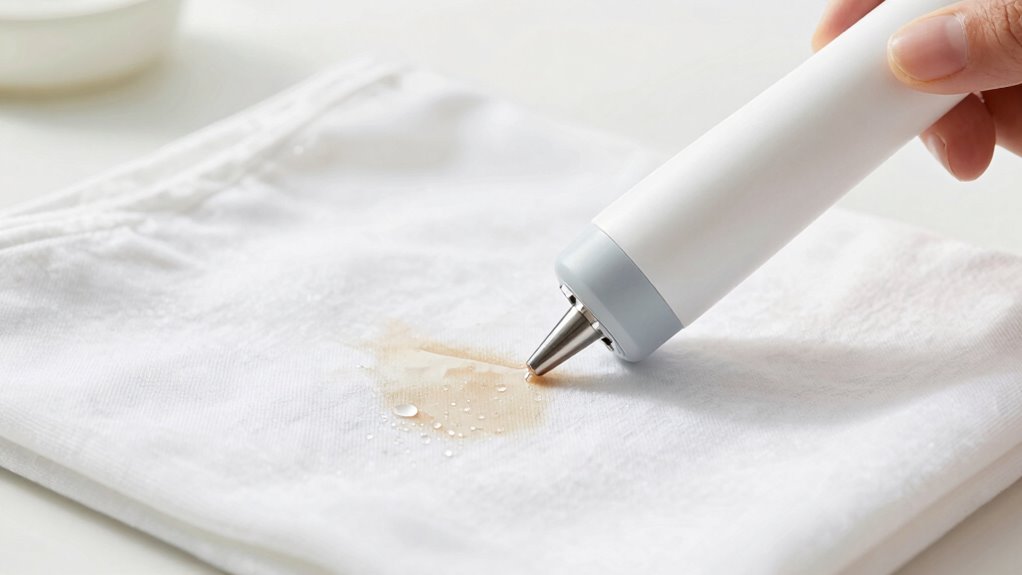
Wondering how to get the best results when treating multiple stains? Focus on targeting the most stubborn or fresh stains first, as they’re often easier to break down. Consider the fabric fibers involved—delicate fibers like silk require gentler treatment, while sturdy cotton can handle more aggressive pre-treatment. Understanding stain chemistry helps you prioritize: protein-based stains (like blood or sweat) need different approaches than oil or dye-based stains. By addressing the most challenging stains first, you prevent them from setting deeper into the fibers. This strategy ensures your pre-treatment is efficient and effective, saving time and effort. Always keep in mind the fabric’s nature and the stain’s chemistry to decide which spots deserve your attention first for ideal cleaning results. Incorporating fabric care and stain removal techniques from outdoor wisdom can further improve your results and help you stay prepared for any mess. Paying attention to piercing aftercare and maintaining proper hygiene can also prevent future stains and infections. Additionally, understanding stain removal chemistry enhances your ability to select the most suitable treatment methods for different types of stains. Proper auditory processing techniques can aid in recognizing subtle stain indicators, ensuring nothing is overlooked during cleaning.
Ingredients You Need for a Powerful Stain Pre-Treat (DIY and Store-Bought)

To create an effective stain pre-treatment, gather a variety of ingredients that can tackle different types of stains. For DIY solutions, common ingredients include baking soda, hydrogen peroxide, dish soap, and vinegar, which are versatile and powerful stain removal techniques. Store-bought options often contain enzyme-based formulas, stain removers, or oxygen bleach, designed for quick pre treatment effectiveness. You might also consider commercial stain sticks or sprays for convenience. The key is to match ingredients to the stain type—protein stains respond well to enzyme cleaners, while greasy stains may need dish soap or baking soda. Having these ingredients on hand allows you to customize your pre-treatment and ensure maximum stain removal success. Understanding stain chemistry can further help you select the most effective treatment for each stain type, especially when considering how different ingredients interact with various stain components. Being familiar with the science of stain removal can improve your outcomes and prevent damage to your fabrics.
How to Apply the Pre-Treat Solution Step-by-Step
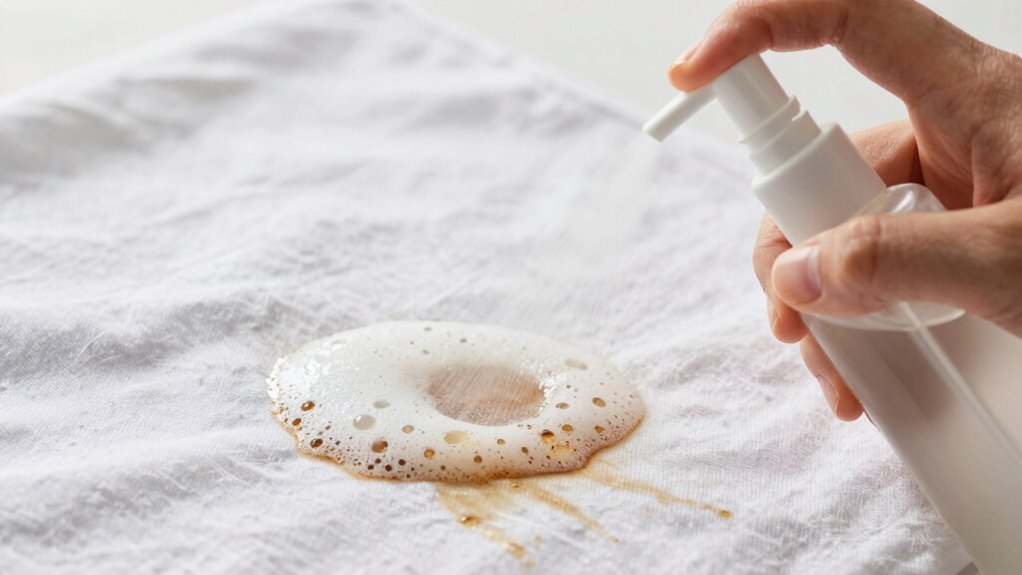
Once you’ve selected the appropriate pre-treatment ingredients for your stain, it’s time to apply the solution directly to the affected area. Understanding stain chemistry helps you target the specific fibers and molecules involved, guaranteeing effective pre-treatment. Use steady, gentle dabs or sprays for even coverage, avoiding oversaturation. Mastering pre-treatment techniques involves considering fabric type and stain nature. Here’s a quick guide:
| Step | Technique | Tip |
|---|---|---|
| 1 | Identify the stain’s chemistry | Research stain type beforehand |
| 2 | Apply the solution precisely | Use a small brush or spray |
| 3 | Avoid over-wetting | Keep fabric damp but not soaked |
| 4 | Let it sit for a few minutes | Follow recommended duration |
| 5 | Blot gently to absorb | Do not rub to prevent spreading |
This ensures effective pre-treatment, maximizing stain removal success. Understanding stain chemistry helps you choose the most effective ingredients and application techniques for different types of stains. Additionally, being familiar with power tools and equipment can assist in preparing and treating larger or more stubborn stains on various surfaces. Gaining knowledge about fabric types and properties further enhances your ability to select suitable treatments and prevent damage during pre-treatment. Incorporating proper safety precautions is also essential to protect yourself during the cleaning process.
Tips for Quickly Treating Different Types of Stains
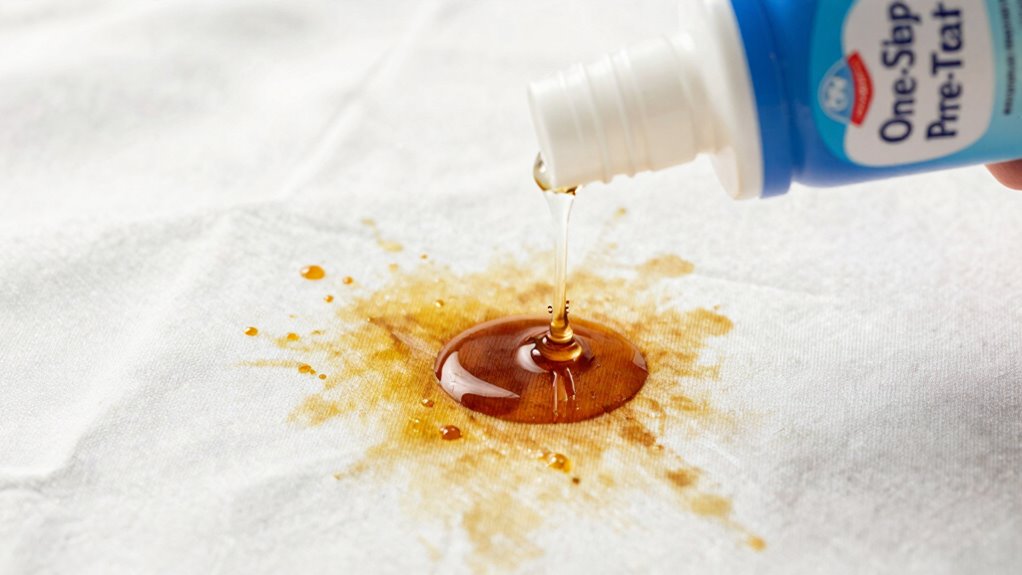
To treat stains quickly, first identify the type of stain you’re dealing with. Act immediately using the right cleaning agents to prevent set-in marks. Knowing which products work best can save you time and improve your results. For example, when dealing with creamy or dairy-based stains, understanding gelato ingredients can help you choose the most effective removal method. Additionally, recognizing stain types can guide you in selecting the proper treatment to avoid damaging fabrics. Moreover, awareness of the cosmic influences on personal traits might even inform you about the best methods to handle stubborn stains based on your unique characteristics. Being familiar with stain removal techniques can further enhance your ability to treat various spots efficiently.
Stain Type Identification
Identifying the type of stain quickly is key to choosing the right treatment. Understanding fabric fibers helps you know how the stain interacts with the material, guiding your approach. Stain biology explains the underlying cause, whether it’s protein-based, oil-based, or dye-based. Protein stains like blood or sweat usually respond well to cold water and enzymatic pre-treatments, while oil-based stains from grease or makeup require solvents or dish soap. Dye-based stains, such as wine or coffee, often need color-specific treatments or bleaching. Recognizing these differences allows you to act swiftly and effectively. Take a close look at the stain’s appearance, texture, and color, and consider the fabric’s fiber type. This quick identification sets the stage for choosing the most effective pre-treat method.
Immediate Treatment Actions
When a stain occurs, acting quickly can make all the difference in successful removal. Your first step is to identify the fabric type and stain color. Different fabrics absorb stains differently, so treat delicate silk gently, while sturdy cotton can handle a stronger approach. For stains like wine or coffee, the color matters—darker stains need faster action to prevent setting.
Here are three immediate actions:
- Blot—don’t rub—the stain with a clean cloth to lift excess liquid.
- Cold water rinse—apply it directly to the stain to dilute and loosen it.
- Act fast—apply a pre-treatment solution suited to your fabric type and stain color before it sets. Quick action saves more stains.
Suitable Cleaning Agents
Choosing the right cleaning agents is essential for quickly and effectively treating different types of stains. For example, if you’re dealing with fabric softeners that cause a greasy or oily stain, use a solvent-based cleaner to break down the residue. When preventing color bleeding, select a detergent formulated for color protection, which helps preserve fabric dyes and prevent new stains. For protein stains like sweat or blood, enzyme-based cleaners work best to break down organic matter. Avoid harsh chemicals that could damage delicate fabrics or set the stain further. Always test a small, hidden area first to ensure the cleaning agent won’t cause discoloration or damage. Using the correct cleaner speeds up stain removal and keeps your clothes looking their best.
Common Mistakes to Avoid When Pre-Treating Clothes

Pre-treating clothes can be effective, but making common mistakes can reduce its effectiveness or even damage your garments. First, neglecting fabric flexibility can lead to overstretching or tearing the fabric when applying stain remover. Second, failing to allow proper stain hydration can cause the pre-treatment to be ineffective, especially if the stain remains dry and hardened. Third, applying too much product can leave residue, impacting the fabric’s appearance and feel. Always gently work the pre-treatment into the stain, respecting the fabric’s elasticity, and give it time to hydrate the stain thoroughly. Avoid rushing, and don’t forget that patience ensures better stain removal and preserves your clothes’ integrity. Proper technique makes all the difference.
Using Pre-Treating and Washing Together for the Best Outcome

Using pre-treating and washing together can considerably improve stain removal by creating an effective cleaning strategy. When you combine these steps, you enhance the cleaning synergy, making it easier to lift stubborn stains. For ideal results, follow the pre-treating process with a proper wash cycle to achieve the best outcome.
Effective Stain Removal Strategy
For the best chance of removing stubborn stains, it’s essential to combine pre-treating with proper washing. This strategy targets stain chemistry and penetrates fabric fibers deeply, maximizing removal. To enhance your results, consider these steps:
- Act quickly to prevent stains from setting, giving your pre-treatment time to work.
- Use the right solution tailored to the stain type, disrupting stain chemistry at the fiber level.
- Choose an effective wash cycle that combines agitation and temperature to loosen and lift residual stains.
Enhancing Cleaning Synergy
Combining pre-treatment with the right washing techniques considerably boosts stain removal success. When you pre-treat stains effectively, you enhance stain prevention, reducing the chance of set-in marks. Using proper laundry scheduling, such as washing soon after pre-treatment, maximizes cleaning synergy. This approach ensures stains are loosened and lifted more efficiently, preventing them from becoming more stubborn. Consistent timing between pre-treating and washing helps your detergent work better and minimizes the need for re-treating. By coordinating your laundry routine this way, you optimize stain removal and keep your clothes looking fresh. Remember, integrating pre-treatment into your regular laundry schedule is key for achieving the best outcome and maintaining your garments’ appearance over time.
Optimal Pre-Treat and Wash
To achieve the best stain removal results, it’s essential to pre-treat stains just before washing. This ensures the stain’s molecules loosen, making removal easier. Use warm water for pre-treatment because it helps break down stains more effectively. When washing, select the right water temperature—hot for whites and heavily soiled items, cold for delicate fabrics and colors. Incorporate fabric softeners during the rinse cycle to keep fabrics soft and fresh, but avoid them immediately after pre-treatment, as they can interfere with stain removal.
Here are three tips to maximize results:
- Pre-treat stains right before washing to boost effectiveness.
- Match water temperature to fabric type and stain severity.
- Use fabric softeners thoughtfully, after stains are gone, to preserve fabric integrity.
Troubleshooting Stubborn Stains That Won’t Come Out
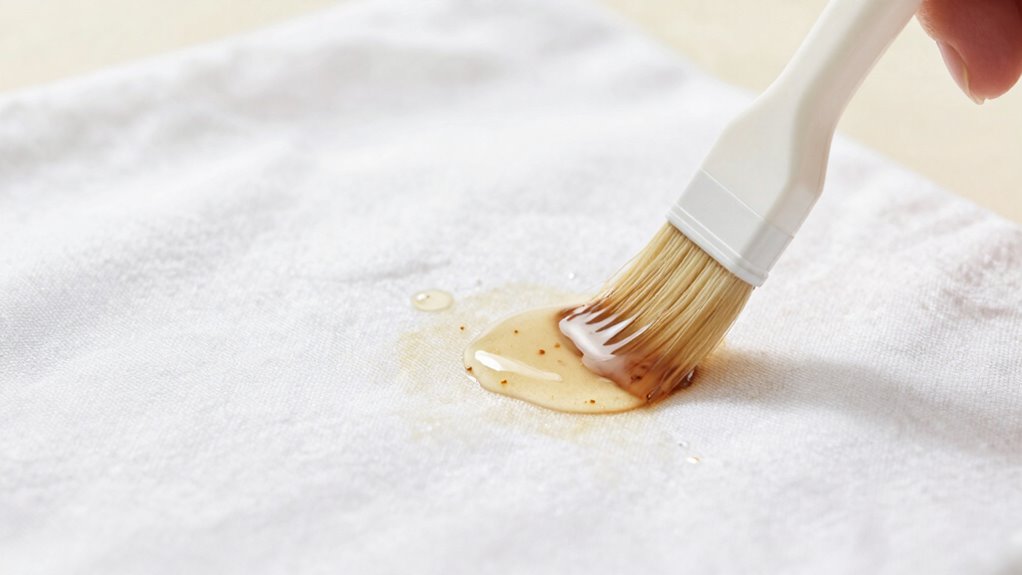
When stubborn stains refuse to disappear despite your best efforts, it can be frustrating. Understanding stain chemistry helps you target the problem more effectively. Some stains, like protein-based ones, need enzyme treatments, while others, like oil or dye stains, require different approaches. Always check fabric compatibility before applying any solutions; certain fabrics can be damaged by harsh chemicals or aggressive scrubbing. If initial treatments fail, avoid scrubbing harder, which can set the stain further. Instead, revisit the stain with a different pre-treatment suited to its chemistry and the fabric type. Patience is key. Sometimes, multiple gentle treatments with suitable solutions are necessary to loosen tough stains without harming the fabric.
Products and DIY Solutions for Effective Stain Pre-Treatment
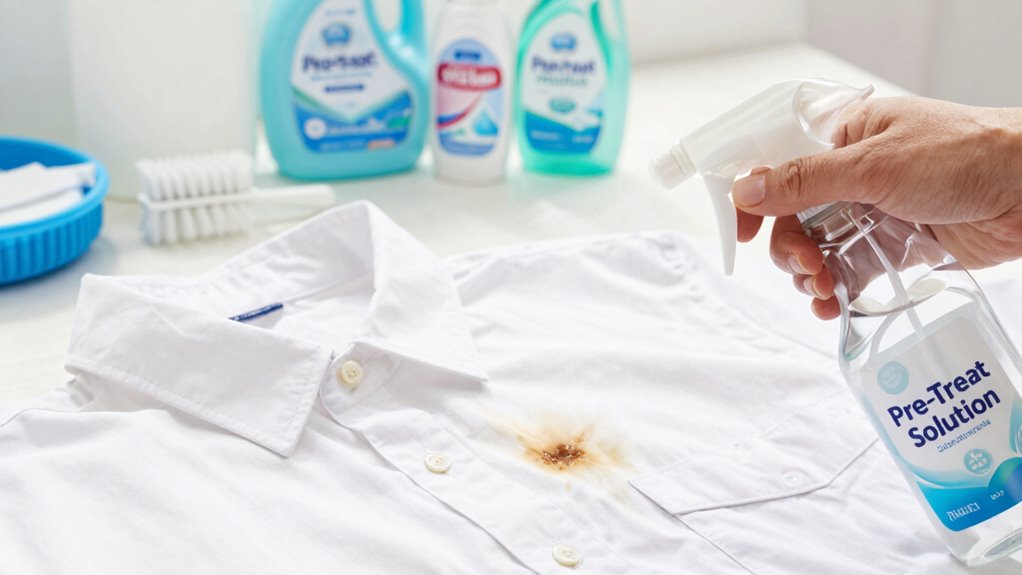
You have a variety of options when it comes to pre-treating stains, from effective commercial products to simple DIY solutions. Homemade mixes and natural remedies can often do the job just as well, saving you money and reducing chemicals. Exploring these options helps you find the best method for your specific stain and fabric.
Effective Commercial Products
Effective commercial stain removers can make pre-treatment quick and reliable, especially for stubborn or deep-set stains. These products are designed to penetrate fabric fibers, ensuring a thorough clean. When selecting a product, consider options that incorporate stain prevention properties to protect fabrics long-term. Here are some top choices:
- Enzyme-based stain removers — excel at breaking down organic stains like food or blood.
- Pre-treatment sprays with stain-lifting agents — quickly loosen tough stains before washing.
- Fabric softeners with stain prevention — help reduce future stains and keep fabrics smooth.
Using these commercial products can boost your stain removal success and extend the life of your clothes, offering peace of mind with each wash.
Homemade Pre-Treatment Mixes
Are homemade pre-treatment mixes worth trying for stubborn stains? Absolutely. You can create effective solutions using common household items combined with fabric softeners or stain proofing agents. For example, mixing a small amount of fabric softener with baking soda and water can help loosen grease and protein stains before washing. Some DIY mixes also incorporate dish soap, which boosts stain removal power. These homemade solutions are affordable, customizable, and free of harsh chemicals found in commercial products. They’re especially useful when you want to target specific stains or need a quick pre-treatment. Just remember to test your mix on a small, hidden area first to avoid fabric damage. With a little experimentation, homemade pre-treatment mixes can become your go-to for tackling even the toughest stains effectively.
Natural Remedies and Tips
Natural remedies and DIY solutions can be powerful tools for pre-treating stubborn stains without relying on harsh chemicals. Using natural remedies, you can harness simple ingredients to boost your stain removal techniques effectively. These methods often save time and money while being gentle on fabrics.
Here are three inspiring options to try:
- Baking soda paste – Mix with water, scrub gently, and let sit before washing.
- White vinegar soak – Break down stains and deodorize fabrics naturally.
- Lemon juice treatment – Use its natural bleaching power to brighten and lift stains.
These natural remedies are easy to apply and can make a noticeable difference. Incorporate these stain removal techniques into your routine for a safer, eco-friendly approach to stain pre-treatment.
Frequently Asked Questions
Can the Pre-Treatment Method Be Used on All Fabric Types?
You can’t use the pre-treatment method on all fabric types, as fabric compatibility varies. For delicate or sensitive fabrics, it might cause damage or discoloration, especially with severe stains. Always check the care label and test a small area first. For stubborn or severe stains, this method works best on durable fabrics, but on delicate textiles, consider gentler options to avoid ruining the material.
How Long Should I Let the Pre-Treatment Sit Before Washing?
Think of your pre-treatment as giving the stain a head start. For best results, let it sit for at least 5 to 10 minutes before washing. This timing allows the solution to work its magic, increasing stain absorption. If possible, extend the wait to 15 minutes for stubborn stains, but avoid exceeding 30 minutes to prevent fabric damage. Proper timing guarantees your stain gets absorbed and removed effectively.
Is This Method Safe for Delicate or Color-Sensitive Clothes?
Yes, this method is generally safe for delicate or color-sensitive clothes if you check fabric compatibility first. Use a gentle pre-treatment and avoid harsh chemicals that could damage delicate fibers or cause color fading. Test a small, inconspicuous area before applying fully. This approach maintains stain removal effectiveness without risking your clothes’ integrity, ensuring your delicate or color-sensitive items stay vibrant and intact during the cleaning process.
Can I Use the Pre-Treatment on Old, Set-In Stains?
Think of old, set-in stains as stubborn weeds in your garden—they’re tougher but not impossible to remove. You can use the pre-treatment on these stains, but it might take extra effort. Apply the product directly, let it sit longer, and then use your usual stain removal techniques. Keep in mind, patience is key with set-in stains, and multiple treatments may be necessary to see results.
What Should I Do if the Stain Persists After Treatment?
If the stain persists after treatment, try revisiting your stain removal techniques. Apply a specialized stain remover or a mixture of dish soap and hydrogen peroxide, then let it sit for 15-30 minutes. Gently scrub the area and rinse. For stubborn stains, consider using commercial stain persistence solutions or repeat the process. Patience and proper technique are key to successful stain removal and restoring your fabric.
Conclusion
With this one-step pre-treat method, you hold the magic wand to stubborn stains, transforming your laundry routine into a battlefield you can win. Think of it as your secret weapon—breaking down stains faster than a dragon’s breath. When you prioritize and apply the right solution, stains stand no chance. Say goodbye to laundry day dread and hello to clothes that look fresh and new, as if stains never dared to appear in the first place.