To make every cleaning job easier, use a pH cheat sheet that helps you match solutions to each surface and stain. Understand the pH scale from 0-14, with acids below 7, neutral at 7, and alkalines above 7. Use acidic cleaners for mineral deposits, alkaline ones for grease, and neutral for general purposes. Proper pH management prevents damage and improves efficiency. Keep exploring to master pH tips for perfect cleaning results.

Get furniture and decor delivered free with Prime
- Fast, free delivery on millions of items
- Prime Video, Amazon Music and more included
- Member-only deals all year
Key Takeaways
- Match cleaning solutions’ pH levels to surface types for optimal effectiveness and safety.
- Use pH indicators or testing tools to accurately determine the acidity or alkalinity of cleaners.
- Understand which pH ranges are suitable for specific stains or deposits, like acids for mineral buildup and bases for grease.
- Always dilute concentrated cleaners appropriately and follow safety protocols to prevent surface damage.
- Incorporate routine pH testing to maintain proper cleaning conditions and extend surface lifespan.
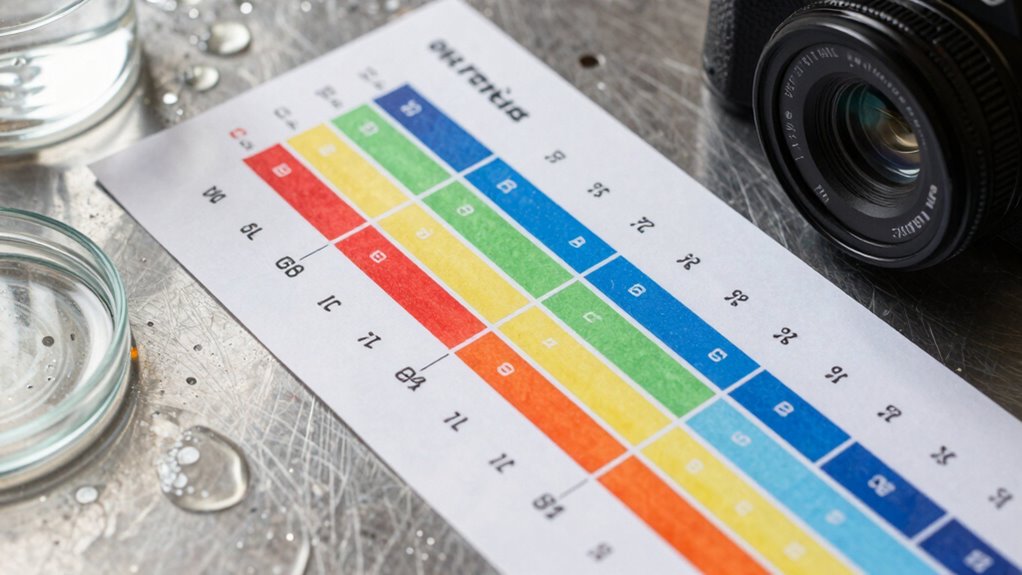
pH test strips for cleaning solutions
As an affiliate, we earn on qualifying purchases.
As an affiliate, we earn on qualifying purchases.
What Is pH and Why Is It Important for Cleaning?
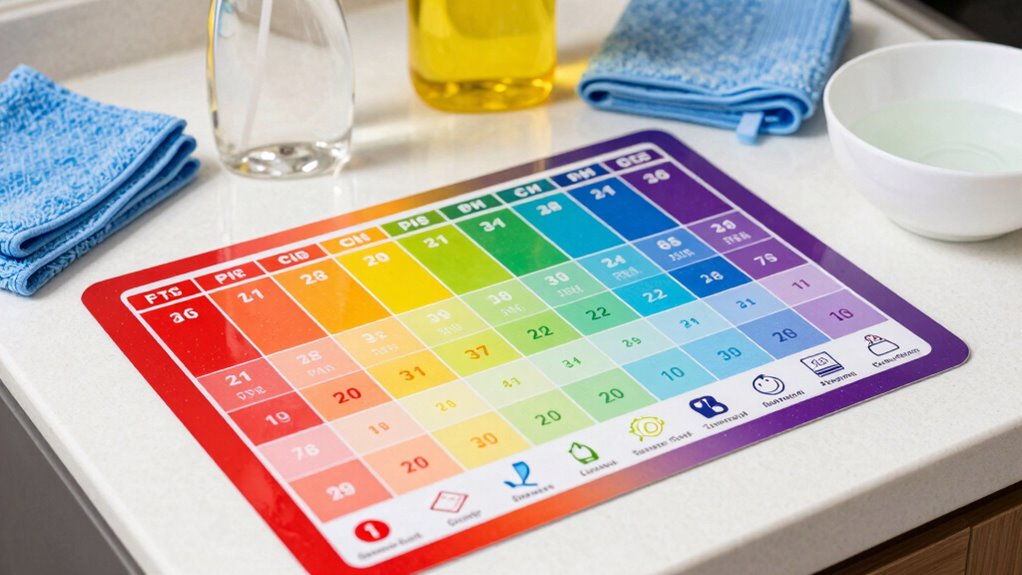
Have you ever wondered how cleaning products work so effectively? It all comes down to pH, which measures how acidic or alkaline a substance is. The pH balance of a cleaner directly impacts its cleaning efficiency because different stains and surfaces require specific pH levels for *ideal* results. For example, acidic cleaners excel at dissolving mineral deposits and soap scum, while alkaline cleaners are better for cutting through grease and grime. Understanding pH helps you choose the right product for each task, ensuring you don’t waste time or damage surfaces. Additionally, energy-efficient cloud solutions are now being developed to optimize cleaning industry logistics and reduce environmental impact. By matching the pH level to the cleaning job, you enhance effectiveness and prevent potential harm. In short, knowing what pH is and why it matters can make your cleaning efforts more successful and efficient.
How to Read the pH Scale and Select the Right Cleaner
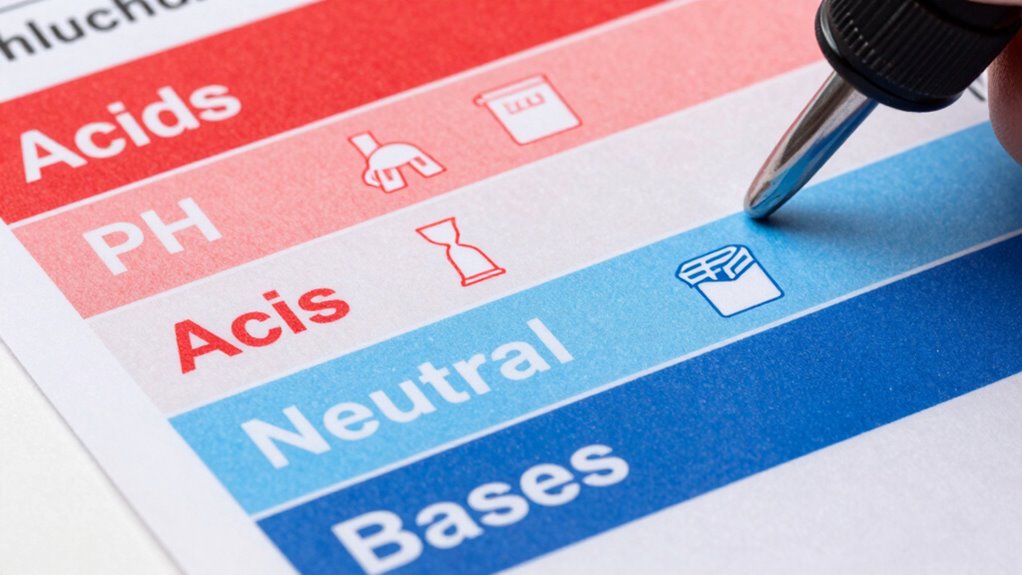
Understanding how to read the pH scale is essential for selecting the right cleaner for each job. pH testing helps you determine whether a solution is acidic, neutral, or alkaline, guiding your cleaning choices. Acidic solutions (pH below 7) are good for mineral deposits and rust, while alkaline cleaners work better on grease and grime. Use the table below to interpret pH levels:
| pH Level | Composition | Suitable for |
|---|---|---|
| 0-3 | Strong acids | Removing mineral stains, rust |
| 4-6 | Mild acids | General cleaning, glass |
| 7 | Neutral | Water, mild cleaning agents |
| 8-14 | Alkaline solutions | Grease, heavy dirt |
Knowing this helps you choose the right cleaner quickly and avoid damage or ineffective cleaning. Additionally, understanding the horsepower of electric dirt bikes can inform your choice of equipment for heavy-duty cleaning jobs.
Acidic Cleaners: When and Where to Use Them
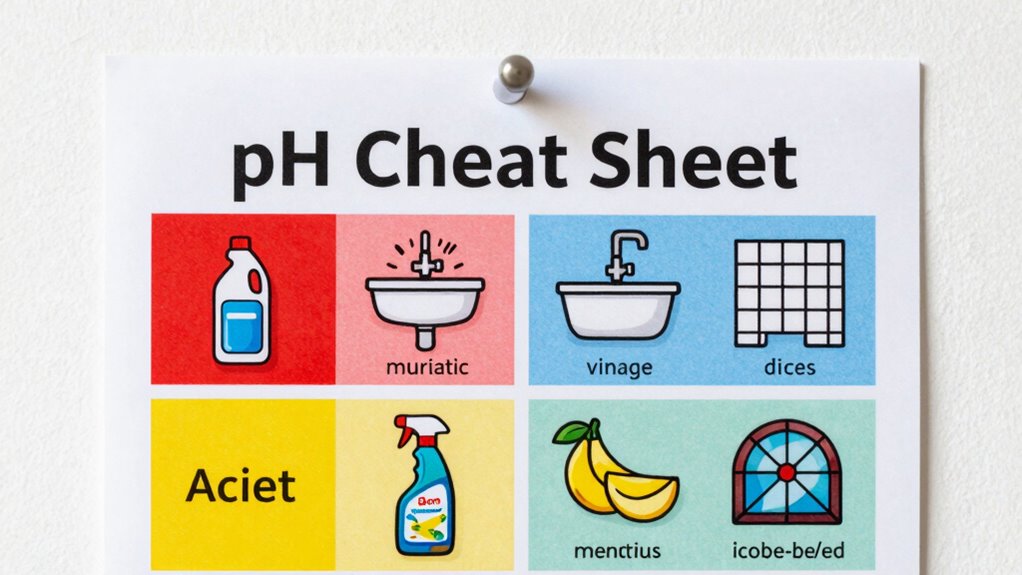
Acidic cleaners are effective for removing mineral deposits, rust stains, and hard water buildup. You need to make certain the cleaner is compatible with the surface to prevent damage. Knowing where and when to use them helps you achieve the best cleaning results without risking harm. For delicate surfaces, testing on a small area first can prevent surface damage. Additionally, understanding appropriate application techniques ensures optimal results and avoids unintended damage. Using the right cleaner also involves considering ventilation considerations to ensure safe and effective cleaning conditions.
Stain Removal Strategies
When dealing with stubborn stains, knowing when and where to use acidic cleaners can make all the difference. Acidic cleaning agents excel at stain removal, especially for mineral deposits, rust, and hard water stains. Use them on surfaces like ceramic tiles, porcelain, and glass where these stains commonly occur. Apply acidic cleaners carefully, following instructions, to target problem areas effectively. They break down mineral buildup and organic residues that other cleaning agents struggle with. Additionally, understanding the appropriate cleaning agents for each surface type can prevent damage and improve effectiveness. Avoid using acidic cleaners on surfaces like natural stone or marble, as they can cause damage. When chosen correctly, these cleaners provide a powerful solution for tough stains, saving you time and effort. Incorporating AI-powered cleaning tools can further optimize your cleaning process by providing tailored solutions. Always test a small area first to prevent any unintended damage, ensuring safe and efficient stain removal. Moreover, selecting the right support breakfast options can enhance your overall cleaning routine by keeping you energized and focused throughout your chores. Being aware of various Gold IRA markets can also help you make better financial decisions if you’re considering investing in precious metals to secure your future. Understanding pH levels and their impact on different surfaces can also help you select the most effective cleaning agents for each task.
Surface Compatibility
Knowing where to use acidic cleaners guarantees you get the best results without risking damage. Acidic cleaners work well on certain surfaces but can harm others. Always consider surface-specific considerations before application. For delicate surfaces like natural stone or marble, avoid acids; instead, opt for eco-friendly alternatives. These alternatives clean effectively without etching or dulling the surface. Use acidic cleaners on durable surfaces such as ceramic tiles, porcelain, or stainless steel to remove mineral deposits and soap scum. Be cautious with painted or coated surfaces, as acids might strip or discolor the finish. Remember, testing a small area first helps prevent damage. surface compatibility ensures your cleaning is efficient and safe, maximizing results while protecting your surfaces from unnecessary harm. Additionally, being aware of the environmental impact of cleaning agents can help you choose safer, more sustainable options. Proper application techniques also play a key role in ensuring effective and safe cleaning outcomes. Incorporating surface-specific knowledge can further enhance your cleaning strategy and prevent accidental damage, especially when considering the types of surfaces in your home.
Neutral pH Cleaners: The Safe, All-Purpose Choice

Neutral pH cleaners are gentle on most surfaces, reducing the risk of damage during cleaning. They offer versatile cleaning power, making them suitable for various tasks around your home. With their balanced pH, these cleaners provide a safe and effective all-purpose solution. Additionally, navigation and mapping explainers can help you understand how robotic cleaning devices optimize their performance with neutral pH solutions.
Gentle on Surfaces
Gentle on surfaces, neutral pH cleaners are your best choice for maintaining the integrity of various materials without causing damage. They’re safe for delicate surfaces and help preserve the look and feel of your belongings. Plus, many contain eco friendly ingredients, making them a sustainable option for your cleaning routine. When dealing with pH sensitive fabrics, these cleaners are especially helpful—they clean effectively without risking color fading or fiber damage. Incorporating Free Floating techniques can help you achieve a more natural and balanced cleaning process. Utilizing AI ethics considerations in formulation can ensure that cleaning products align with responsible environmental practices. This careful approach echoes the importance of understanding Feature Buddies, which emphasizes safe and responsible product formulation. Additionally, selecting appropriate cleaning agents can enhance effectiveness while maintaining surface safety and environmental sustainability, especially when considering connected home technology to optimize your cleaning routines.
Versatile Cleaning Power
Because they strike a balance between effectiveness and safety, neutral pH cleaners are a versatile choice for all your cleaning needs. These cleaners have a pH close to 7, making them gentle yet effective across various surfaces. pH indicators help confirm their neutrality, ensuring they won’t damage delicate materials. When selecting cleaning formulations, neutral pH products excel at removing dirt, grime, and stains without the harshness of acidic or alkaline cleaners. This versatility makes them suitable for kitchens, bathrooms, and everyday surfaces. They are especially ideal if you want a safe, all-purpose cleaner that’s less likely to cause damage or irritation. Additionally, understanding pH levels in cleaning can help you select the most compatible cleaning products for maintaining water quality. Recognizing the importance of cleaning chemistry can further improve your maintenance practices. Overall, neutral pH cleaners simplify your cleaning routine by providing reliable, balanced power that works on multiple surfaces without compromise.
When and Where to Use Alkaline Cleaners
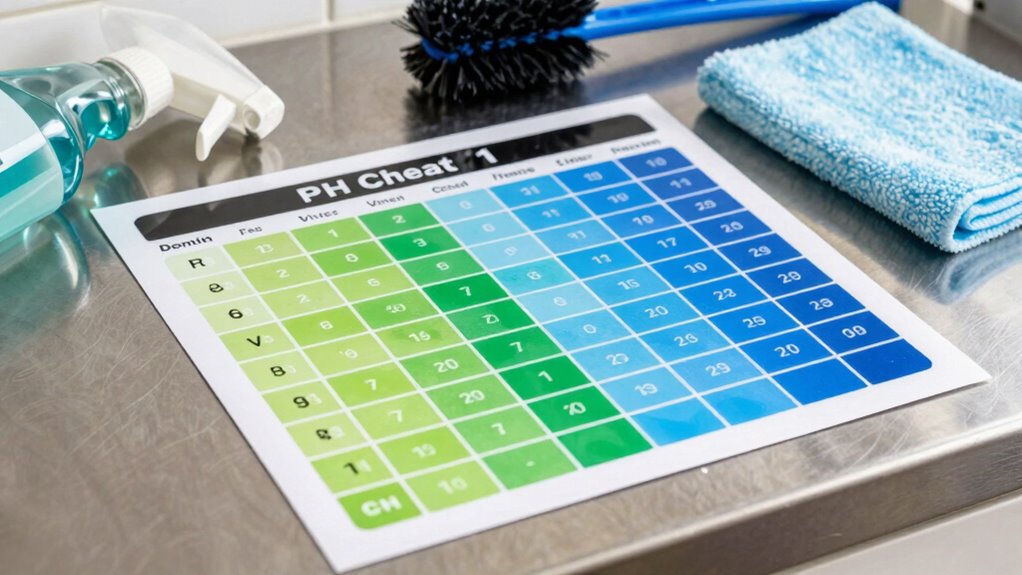
Alkaline cleaners are most effective when tackling greasy, oily, or protein-based stains on surfaces like kitchen appliances, floors, and countertops. Use them when cleaning heavily soiled areas or industrial equipment to break down stubborn grime efficiently. They’re ideal for tasks that require deep cleaning and can handle tough residues. Additionally, alkaline cleaners are suitable for eco friendly solutions, helping you maintain cleanliness without harsh chemicals. Incorporating visual and auditory cues can aid in thorough cleaning, especially when identifying areas with ingrained dirt. Consider these scenarios:
Alkaline cleaners excel at removing greasy, oily, and protein-based stains for deep, eco-friendly cleaning.
- Cleaning industrial equipment with built-up grease
- Degreasing kitchen appliances and countertops
- Restoring floors affected by oil and dirt buildup
- Enhancing energy efficiency by maintaining clean HVAC components and surfaces
Always ensure proper dilution and follow safety guidelines. Knowing where to apply alkaline cleaners makes your cleaning more effective and safer, especially in environments demanding powerful yet eco-conscious solutions.
Matching Cleaning Tasks to the Right pH Level
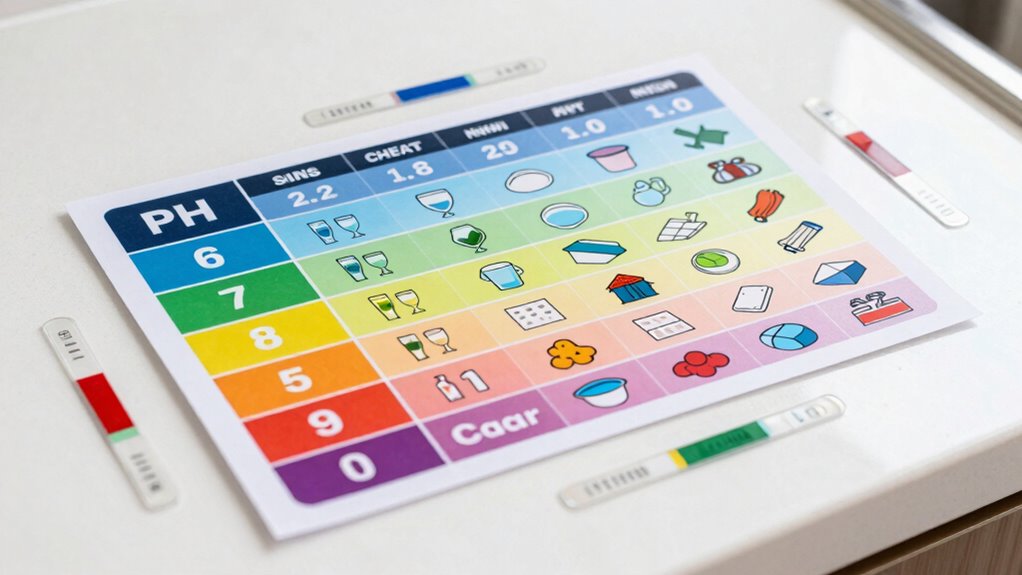
Choosing the right pH level for your cleaning tasks guarantees you use the most effective solution without risking damage or inadequate cleaning. To do this, rely on pH indicators to identify the acidity or alkalinity of your cleaners. Understanding cleaning chemistry helps you match tasks with the appropriate pH level: acidic solutions work well on mineral deposits and soap scum, while alkaline cleaners excel at grease and grime. For delicate surfaces, neutral pH cleaners prevent damage. By knowing the pH range needed for each task, you ensure effective cleaning while protecting surfaces. This knowledge helps you choose the right products and avoid unnecessary harsh chemicals. Matching cleaning tasks to the right pH level makes your cleaning faster, safer, and more efficient.
Common Household Cleaners and Their pH Levels
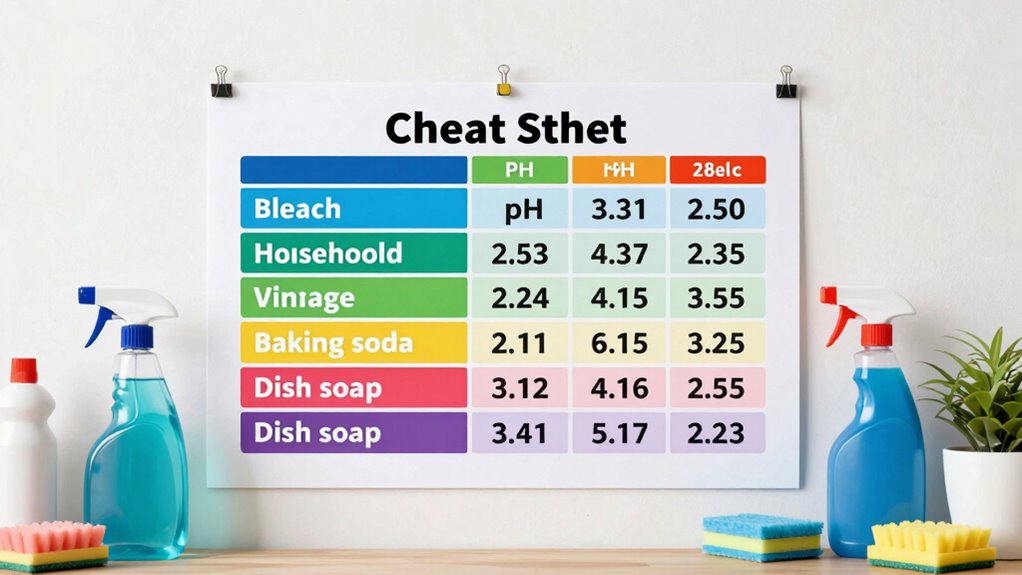
Ever wonder which household cleaners are best suited for different surfaces? Understanding their pH levels helps you optimize cleaning efficiency while maintaining the right pH balance. Most common cleaners fall into three categories:
- Acidic cleaners (pH below 7): Great for removing mineral deposits and soap scum, like vinegar or lemon juice.
- Neutral cleaners (pH around 7): Gentle options such as dish soap, suitable for everyday cleaning without damaging surfaces.
- Alkaline cleaners (pH above 7): Effective for cutting grease and grime, like baking soda or ammonia.
Knowing these pH levels allows you to choose the right cleaner for each task, ensuring effective cleaning and preventing damage to your surfaces. Proper pH balance is key to achieving the best cleaning results.
Using pH Levels to Remove Tough Stains Effectively
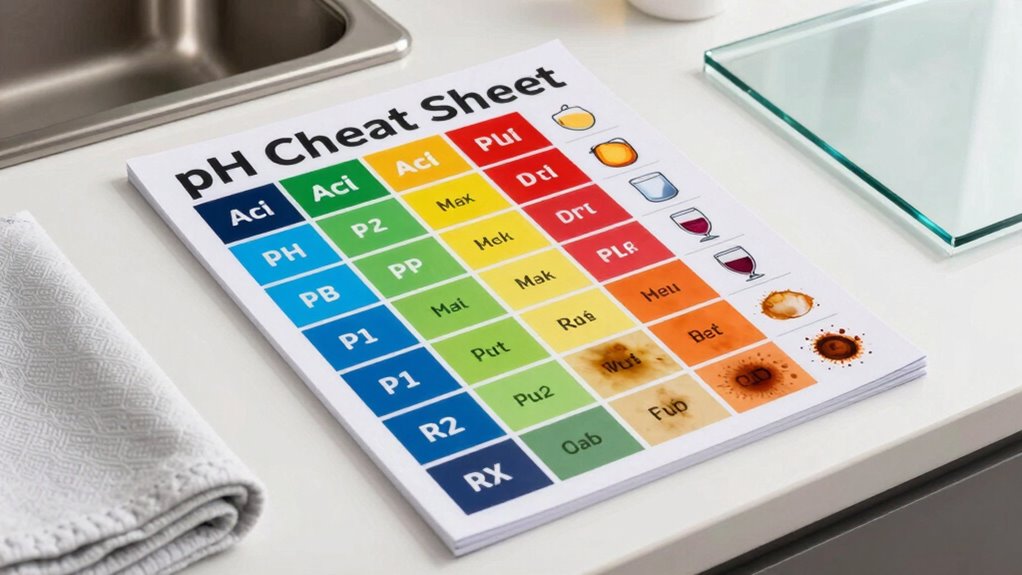
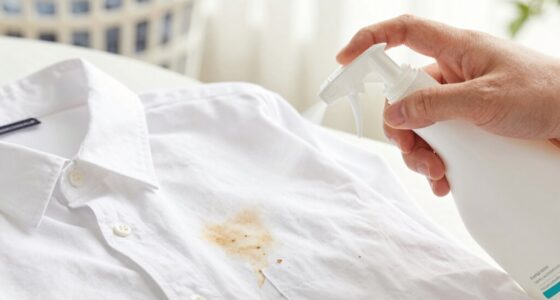
When tackling tough stains, understanding the pH level of your cleaning agents can make all the difference. A proper pH balance helps you choose the right cleaner for effective stain removal without damaging surfaces. For example, alkaline cleaners (pH above 7) excel at breaking down grease, oil, and protein-based stains like coffee or blood. Acidic cleaners (pH below 7) are better suited for mineral deposits, hard water stains, and rust. Knowing the pH level guarantees you apply the most effective stain removal method for each situation. Using the correct pH level minimizes scrubbing and prevents damage, leading to cleaner, brighter surfaces. Mastering pH awareness empowers you to tackle even the toughest stains with confidence and precision.
Is It Safe to Mix Different pH Cleaners? Tips and Warnings
Mixing different pH cleaners can cause dangerous chemical reactions that might release harmful gases or damage surfaces. Always follow proper mixing procedures to guarantee safety and effectiveness. If you’re unsure, it’s best to avoid mixing cleaners altogether.
Chemical Reactions Risks
Combining different pH cleaners without understanding their chemical properties can lead to dangerous reactions. These reactions can compromise chemical safety and create hazardous conditions. To maintain reaction control, always know what you’re mixing. For example:
- Mixing acids with bleach produces toxic chlorine gas, risking respiratory issues.
- Combining alkaline cleaners with acids can cause violent bubbling or explosions.
- Using incompatible chemicals may release harmful vapors or cause corrosion.
Always read labels and avoid guesswork. When in doubt, keep cleaners separate and use proper protective gear. Understanding the chemical properties of your cleaning agents is essential to prevent accidents. Proper reaction control minimizes health risks and protects your surfaces. Remember, safety comes first, so never underestimate the power of chemistry in cleaning tasks.
Proper Mixing Procedures
To stay safe, you need to understand whether it’s okay to mix different pH cleaners before doing so. Mixing without proper knowledge can cause hazardous reactions. Always check the pH calibration of your cleaners and follow recommended mixing ratios. Never combine acids with bases directly; instead, add acid to water and not the other way around. Use the table below as a quick reference:
| Cleaners to Mix | Safe Practice |
|---|---|
| Acid + Water | Yes, with proper dilution |
| Base + Water | Yes, with proper dilution |
| Acid + Base | No, avoid due to dangerous reactions |
| Different pH levels | Check compatibility before mixing |
| Concentrated Solutions | Always dilute first |
Create Your Own pH-Based Cleaning Routine for Every Surface

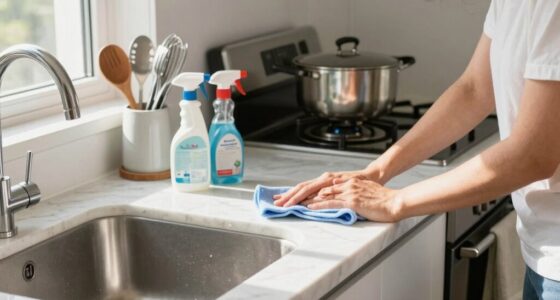
Creating a pH-based cleaning routine tailored to each surface guarantees your home stays spotless without causing damage. Understanding pH balancing and cleaning chemistry helps you choose the right products and techniques. For delicate surfaces like glass or marble, use neutral pH cleaners to avoid etching or scratches. For tougher stains on countertops or sinks, slightly alkaline cleaners break down grease effectively. Acidic cleaners work best for mineral deposits or soap scum. To create your routine:
- Match surfaces with appropriate pH levels
- Use gentle cleaners for sensitive materials
- Incorporate pH-testing tools for precision
Frequently Asked Questions
Can pH Levels Affect the Longevity of Cleaning Tools?
Yes, pH levels can affect the longevity of your cleaning tools. Using cleaning solutions with incompatible pH levels can cause corrosion or damage, leading to faster wear. Proper cleaning tool maintenance involves selecting chemicals that are compatible with your tools’ materials, ensuring they don’t degrade over time. Always check chemical compatibility and avoid extreme pH levels to extend your tools’ lifespan and maintain their effectiveness.
How Does Temperature Influence pH Effectiveness in Cleaning?
Did you know that temperature impact can alter pH effectiveness by up to 2 points? When you clean, higher temperatures often boost pH stability, making solutions more potent. Conversely, cooler temps can reduce effectiveness and cause pH levels to shift. So, you should always consider temperature when adjusting your cleaning solutions, as maintaining ideal conditions ensures maximum pH effectiveness and better results on tough stains or residues.
Are Natural or Homemade Cleaners Rated on the pH Scale?
You’ll find that natural ingredients and homemade solutions are often rated on the pH scale to determine their cleaning strength. For example, vinegar is acidic, while baking soda is basic. Knowing the pH helps you choose the right cleaner for different surfaces and stains. By understanding this, you can safely mix and use natural solutions, ensuring effective cleaning without harming your home or environment.
What Are Signs of Damage From Using Incorrect pH Cleaners?
Did you know that using incorrect pH cleaners can cause damage in over 60% of household cleaning mishaps? Signs of damage from pH imbalance include discoloration, surface etching, or corrosion risks. You might notice scratches, dullness, or even peeling materials. If you see these signs, it’s a clear indication that the cleaner’s pH level was off, risking damage and corrosion. Always choose a cleaner with the right pH for your surface.
How Often Should I Test the pH of My Cleaning Solutions?
You should test the pH of your cleaning solutions regularly, ideally before each use or at least weekly, to guarantee proper pH testing frequency. Consistent cleaning solution monitoring helps prevent damage caused by incorrect pH levels and maintains cleaning efficiency. Use a reliable pH tester, and adjust your solutions as needed. Regular pH checks keep your cleaning process safe, effective, and cost-efficient.
Conclusion
Understanding pH is essential for effective cleaning and avoiding damage. While some believe mixing cleaners is safe if they’re similar pH levels, it’s actually risky—always follow manufacturer instructions. By mastering pH levels, you can tailor your routine to each surface, making cleaning safer and more efficient. Trusting this knowledge can save you time and money, proving that a little science goes a long way in achieving sparkling, damage-free results every time.
Fall Picks
fall essentials
As an affiliate, we earn on qualifying purchases.