
TL;DR
Livingetc’s feature examines how social media has given homes a public life, shaping the way people present and judge domestic spaces. Architect Javier Fernández Contreras warns that platforms can promote narrow ideals of domesticity, while content creators Dima and Guy say their home still feels like a home when they are not filming. The report does not establish how widespread these effects are or measure their impact.
Livingetc has published a feature examining how social media turns homes into spaces that are both lived in and presented to an audience, raising questions about whether an Instagram-ready interior reflects residents’ needs or the visual standards circulating online. The report combines commentary from architect and academic Javier Fernández Contreras with the experience of creators Dima and Guy, known as The Berlin Chapters.

Get furniture and decor delivered free with Prime
- Fast, free delivery on millions of items
- Prime Video, Amazon Music and more included
- Member-only deals all year
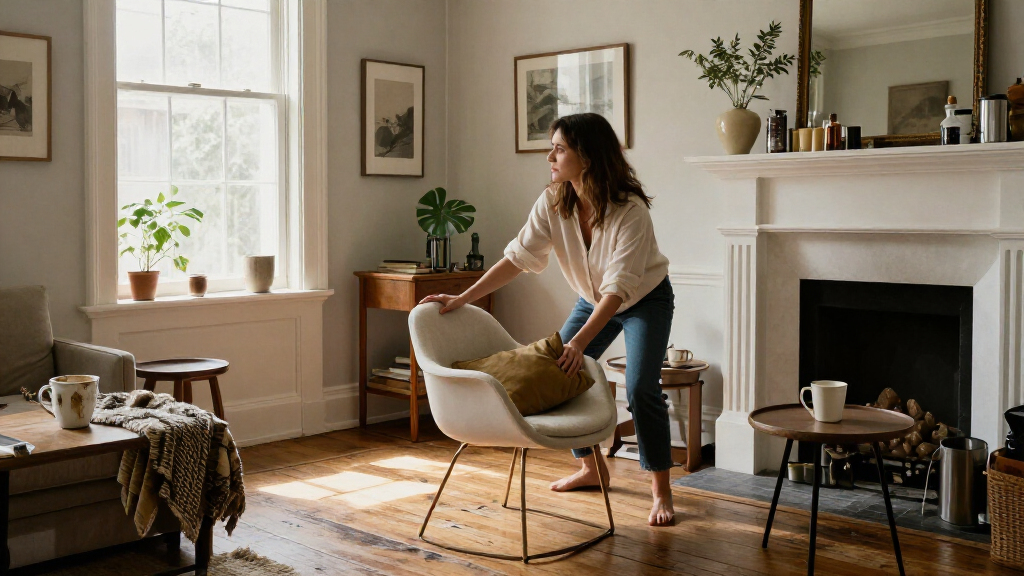
The feature describes a shift in how domestic space is used and understood: a home can be a private residence while also serving as a backdrop, portfolio, studio or gallery. Platforms including Instagram, TikTok, Twitch and Pinterest circulate interior images and design ideas, giving users more references for how rooms might look. The report argues that this expanded visibility can also make people more aware of comparisons between their own homes and carefully presented spaces online.
Fernández Contreras, author of The Interiors of Social Media: Architecture, Space, and Technology in the 21st Century, says platforms can produce what he calls “aspirational futures” and change the standards people apply to their surroundings. During the pandemic, the report says, the home’s role as a setting for work and public-facing activity became more apparent: bookshelves appeared behind professionals on camera, and kitchens and desk walls became part of a visible working environment.
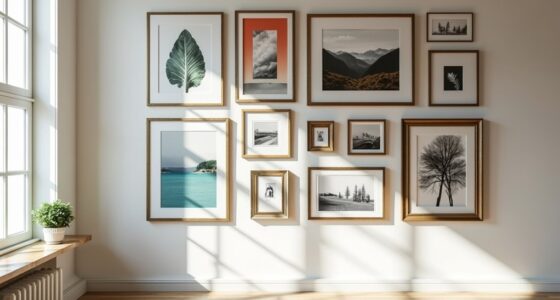
The feature also describes how interiors can be arranged to foreground particular objects. Art may be given an uninterrupted wall; furniture may be spaced to appear sculptural; storage can hide everyday items. Such choices can make a room read like a gallery without necessarily removing its domestic character. The report presents this as a cultural observation, not as evidence that every household is designing for social media.
When Private Rooms Meet Public Standards
The issue matters because domestic design is not only about appearance. A home has to support rest, work, storage and daily routines, while images online can reward spaces that are visually legible and carefully composed. If people begin to treat those images as standards, the pressure may affect what they buy, display or feel dissatisfied with. The feature raises that possibility but does not quantify how often it happens or establish that social media alone causes it.
Fernández Contreras’s warning is about the potential for normative models of domesticity—ideas about what a desirable home should look like—to circulate alongside inspiration. The tension is not simply between a real home and a staged one: creators may genuinely live in the spaces they share, and visually considered interiors can still be comfortable and useful. The question is whether the needs of residents remain central when a room is also made to be seen.
Products Worth Considering

Philips Hue Play HDMI Sync Box 4K

Levoit Core 400S-P Smart Air Purifier for Large Rooms

LEVOIT Vital 200S-P Smart Air Purifier for Large Rooms up to 1875 ft², Quiet 27 dB Operation, AHAM Verifide, HEPA Sleep Mode, White
As an affiliate, we earn on qualifying purchases.
From Domestic Space to Online Backdrop
Livingetc introduces the article as part of The Meaning of Home, a series exploring how design connects with culture, psychology, history, politics and economics. Its central premise is that homes have long communicated identity and aspiration through objects and layout. Social platforms have changed the scale and permanence of that display by giving domestic images a potential audience beyond visitors and household members.
The pandemic forms part of the article’s timeline, not as the origin of the trend but as an acceleration. More people spent time working and appearing on camera from home, making interiors visible in everyday professional settings. The report also points to content creators for whom a residence can function as a workplace and a recurring subject. Renovations can be shared in stages, from demolition and sourcing to a finished-room reveal.
Dima and Guy offer a counterpoint to the idea that a home used for content must feel like a set. Livingetc reports that the duo began sharing their home and design style on Instagram the previous year and had nearly 82,000 followers at the time described in the feature. That audience figure is a snapshot in the source; it does not establish a wider trend or indicate how the couple’s home is used day to day.
““Just as social media has contributed to consolidating certain bodily ideals, it can also promote normative models of domesticity that need to be questioned.””
— Javier Fernández Contreras, architect and academic
How Far Online Influence Reaches
The feature is an essay-led report, not a survey or measured study. It does not establish how many people change their homes to fit online aesthetics, how strongly social platforms influence purchases, or whether that influence has increased over time. Fernández Contreras’s comments are an expert interpretation, while Dima and Guy’s account describes their own experience and cannot represent all creators or households.
The source also does not provide a publication date, details of a research method, or evidence that visual curation necessarily harms comfort or function. Its discussion identifies a tension between living in a home and representing it; the extent and consequences of that tension remain open.
Questions for the Next Conversation
Livingetc presents the article as part of an ongoing series, but the supplied report does not announce a follow-up date or a specific next installment. The questions it leaves for readers and future reporting are practical: how people decide which design ideas suit their lives, whether online inspiration creates pressure to keep up, and how creators balance filming with ordinary use of their homes.
Further reporting could test those questions with broader evidence, including interviews across different household types or research on how people’s design choices change after exposure to interior content. For now, the confirmed development is the publication of Livingetc’s discussion—not a measured finding that social media has made homes less livable.
Key Questions
What is Livingetc’s report about?
It examines how social media makes homes both lived-in spaces and public-facing images, and asks how online interior imagery may shape expectations about domestic design.
No. The feature raises questions about visual standards and the priorities of residents, but it does not present evidence that social media has made homes less comfortable overall.
What does Javier Fernández Contreras argue?
He says platforms can create aspirational ideas about interiors and promote normative models of domesticity that people should question. These are his views as an architect and academic, not a statistical finding reported in the feature.
Dima and Guy say their home does not feel like a set when they are not making content, describing it as their home first. Their account reflects their experience rather than that of all online creators.
How many followers did The Berlin Chapters have?
Livingetc says the duo had nearly 82,000 Instagram followers at the time described in the feature. The source does not give a date for that figure or a comparison baseline.
Source: livingetc.com