
TL;DR

Get furniture and decor delivered free with Prime
- Fast, free delivery on millions of items
- Prime Video, Amazon Music and more included
- Member-only deals all year
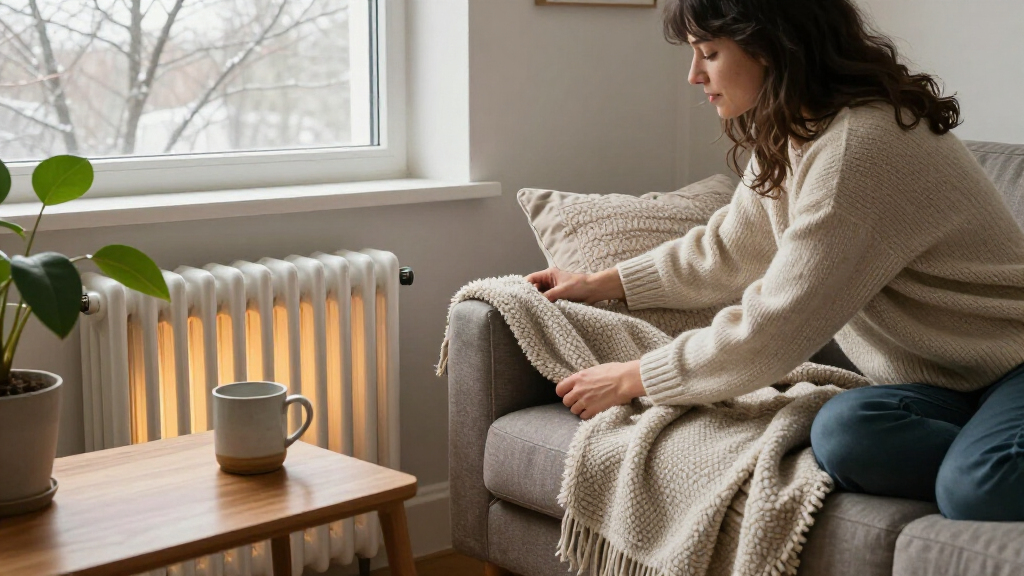
A House Beautiful report outlines five ways to make a home feel calmer during the colder, darker months: organize everyday items, spend time near a bright window, bring natural elements indoors, use a familiar evening scent and make the bedroom more inviting. The suggestions are practical design ideas supported by comments from wellness and interiors experts; the report does not establish that they produce specific health or sleep outcomes.
House Beautiful has published five expert-backed suggestions for making a home feel calmer during the colder months, including reducing visual clutter, finding a spot near a window and making the bedroom more inviting. The ideas focus on modest changes to everyday spaces and routines as shorter days and colder weather lead people to spend more time indoors.
The report recommends starting with everyday storage. Wellness expert Adrienne Herbert says reducing visual clutter and giving routine items simple storage can make rooms feel more organized and easier to unwind in. Max Wilson, co-founder of Pocket Storage, says putting away seasonal belongings and assigning current-use items a place may be enough to change how a room feels. Baskets, boxes and hooks are among the suggested options.
A second idea is to create a morning place near a bright window, such as a chair or breakfast spot. Herbert says natural light early in the day can help people feel brighter and more energized, though the source offers this as expert guidance rather than evidence of a measured effect. The report also suggests a small indoor nature corner, using houseplants, flowers or materials such as wood, rattan and stone.
The final two ideas focus on evening habits. Herbert describes familiar scents as cues that can signal it is time to relax; Tapi Carpets and Floors interiors expert Johanna Constantinou suggests seasonal notes such as orange, cinnamon or cedarwood. For the bedroom, Bedkingdom interiors expert Josh Branigan recommends soft textures, warm lighting and calming essentials, such as a book or blanket, to support a restful end-of-day routine.
Small Changes for Darker Days
The report is relevant to readers looking for manageable ways to make indoor spaces feel more comfortable during a season when daylight is limited and people may spend more time at home. Its suggestions are deliberately low-effort: reorganize items already in use, move a chair, add natural materials or adjust an evening routine rather than undertake a renovation.
The advice also connects a home’s layout and atmosphere with daily habits. A designated morning spot or an evening scent can give routines a clearer setting, while storage may reduce visual distractions. These are expert recommendations, not guarantees of improved mood, sleep or well-being, and individual needs and responses will differ.
home organization baskets and storage boxes
As an affiliate, we earn on qualifying purchases.
As an affiliate, we earn on qualifying purchases.
Five Ideas for Seasonal Comfort
The House Beautiful report frames its advice around the shift to shorter days and colder weather, when the home can take on a larger role as a place to rest and recharge. Rather than suggesting a single seasonal makeover, it offers five adjustments: clear clutter with storage, use a window-side space in the morning, bring nature indoors, add a familiar scent to an evening routine and make the bedroom more inviting.
Several recommendations are attributed to named specialists in wellness, storage, flooring and interiors. The article presents their comments as practical guidance. The supplied source does not provide survey methods or research data to substantiate its opening statement about how many Americans prepare their homes, so that statement should not be treated as a measured finding here.
“A calmer home can help create a calmer mind.”
— Adrienne Herbert, wellness expert, in collaboration with Homesense
What the Advice Does Not Establish
The report does not cite controlled studies or quantify whether these changes improve mood, energy or sleep. Statements about natural light, scents and bedroom routines are expert guidance as presented by House Beautiful, not confirmed outcomes for every household. The source also does not identify the survey, if any, behind its claim about Americans’ winter preparation habits.
Practical results will depend on a person’s home, preferences and circumstances. The article does not specify how much time near a window is needed, which scents are suitable for everyone, or whether particular bedroom changes affect sleep. Readers with sensitivities may not find fragrance calming, and the report does not address those differences.
Try One Seasonal Adjustment
The source describes suggestions rather than a formal program, product launch or scheduled follow-up. Readers can choose one change that fits their home—such as adding a basket by the entry, moving a chair toward daylight or keeping a blanket beside the bed—and see whether it makes their routine feel more comfortable. No further reporting or expert guidance is specified in the supplied material.
Key Questions
What are the five suggested ways to make a home feel calmer?
The report recommends organizing everyday items, creating a spot near a bright window, bringing plants or natural materials indoors, using a familiar evening scent and making the bedroom more inviting.
Do these suggestions have proven effects on mood or sleep?
The supplied report presents them as expert-backed ideas, but it does not cite studies or provide measured outcomes showing that they improve mood or sleep for everyone.
Does making a home calmer require buying new furniture?
Not necessarily. Several suggestions use items a person may already have, such as boxes, hooks, a chair, a book or a blanket. The report also recommends putting seasonal belongings away and assigning frequently used items a place.
Which scents does the report suggest for colder months?
It mentions orange, cinnamon and cedarwood as warmer seasonal options. Scent preferences vary, and the article does not claim these fragrances work for everyone.
Source: rss
Halloween Picks
halloween
As an affiliate, we earn on qualifying purchases.