
TL;DR

Get furniture and decor delivered free — and shop member deals
- Fast, free delivery on millions of items
- Access to Prime Big Deal Days deals on October 6–7
- Prime Video, Amazon Music and more included
A House Beautiful report based on interviews with cleaning professionals lists seven things to avoid cleaning with a Magic Eraser: stainless steel, car paint, nonstick cookware, stone countertops, hardwood floors, electronic screens and skin. Experts say the melamine-foam sponge works through abrasion, which can damage finishes or cause skin irritation; the extent of risk can depend on the surface and its condition.
A House Beautiful report drawing on interviews with cleaning professionals advises against using Magic Erasers on seven items: stainless steel, car paint, nonstick cookware, stone countertops, hardwood floors, electronic screens and skin. The experts say the melamine-foam sponge cleans through physical abrasion, which can scratch or dull some finishes and irritate skin.
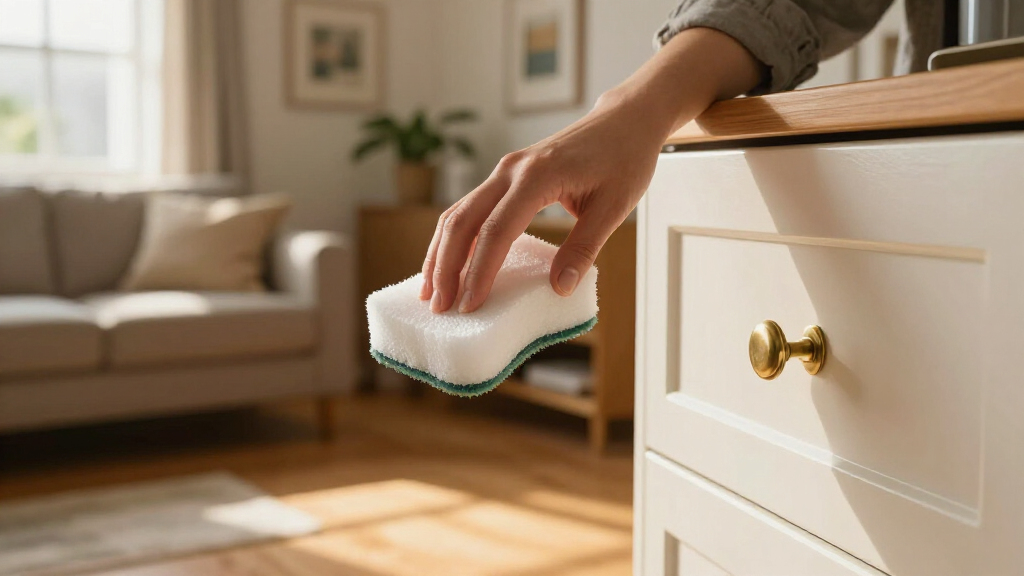
Sofia Martinez, CEO of Sparkly Maid Austin, described a Magic Eraser as a sponge made from melamine foam. Its structure can lift scuffs and grime through friction, she said, but that same abrasive action makes the product unsuitable for some delicate finishes. The report recommends choosing cleaning methods designed for the material instead.
For stainless steel, Martinez said abrasion may leave fine scratches, disturb the grain or affect a protective finish. On car paint, Adam Ziegelman, owner of San Diego County Maid Brigade, warned that scrubbing could scratch or dull the paint. He recommended car soap and a microfiber mitt, or a product made for automotive surfaces.
Martinez also advised against using the sponge on nonstick cookware, where abrasion may weaken or damage the coating. For stone countertops, she said it can dull a polished finish or affect surface treatment; a stain may also remain if it has penetrated the stone. Kadi Dulude, owner of Wizard of Homes, recommended a stone-specific cleaner and microfiber cloth.
Ziegelman warned that an abrasive pad can wear the finish on hardwood floors, and advised following the flooring maker’s care instructions. Martinez said not to use the sponge on screens or clear glossy plastics, including televisions, monitors, tablets, phones and appliance displays, because abrasion could leave haze or scratches. Derek Christian, co-owner of All Star Cleaning Services, said contact with skin can cause irritation, friction burns or remove layers of skin.
How Abrasion Can Damage Finishes
The advice matters because a product that works well on a stubborn mark can still be a poor match for the surface underneath it. On items such as painted cars, polished stone and coated cookware, visible damage may be difficult or impossible to reverse with ordinary cleaning. Screens can also develop haze or scratches that affect their appearance.
The practical takeaway is to match the cleaning method to the material, rather than treating the sponge as a universal tool. Experts cited in the report suggest soft cloths, microfiber and surface-specific cleaners for several of the listed items. Keeping the sponge away from skin also avoids the risk of abrasion-related injury.
As an affiliate, we earn on qualifying purchases.
Why the Sponge Cleans So Aggressively
The report describes Magic Erasers as melamine-foam cleaning sponges. Martinez said their structure lifts marks through physical friction, helping remove some scuffs that a microfiber cloth may not. The cleaning action is therefore not the same as simply wiping a surface with a soft cloth.
That distinction explains the experts’ caution: surfaces can have protective coatings, polished finishes or delicate displays that may be affected by friction. The report does not say every use will cause damage; rather, its interviewees identify materials where the risk makes other methods preferable.
“A Magic Eraser is a cleaning sponge made from melamine foam.”
— Sofia Martinez, CEO of Sparkly Maid Austin
Damage Depends on Surface and Use
The supplied report does not provide laboratory testing, product-specific instructions or a comparison of how often damage occurs. It does not establish that every use on one of these surfaces will cause harm; the experts describe potential risks from abrasion. The outcome may depend on the material, its finish, the pressure used and the condition of the surface.
The report also does not specify the exact products or cleaning instructions for every make of appliance, floor or countertop. Readers should check manufacturer care guidance for their item. No additional statements from the product maker or independent testing are included in the source material.
Check Care Guidance Before Cleaning
The report offers precautionary advice rather than announcing a product change or new safety ruling. Before cleaning any of the listed items, readers can check the manufacturer’s care instructions and choose a cleaner intended for that material. For routine alternatives, the experts mention microfiber cloths, soft pads and surface-specific products.
If a finish is already scratched, dulled or hazy, the report does not provide a repair method or guarantee that the damage can be reversed. Its guidance is to avoid using an abrasive sponge on these surfaces and to use gentler, approved cleaning methods instead.
Key Questions
What are the seven things experts say not to clean with a Magic Eraser?
The report lists stainless steel, car paint, nonstick cookware, stone countertops, hardwood floors, electronic screens and skin.
Why can a Magic Eraser damage some surfaces?
Cleaning expert Sofia Martinez says the melamine foam works through physical friction. That abrasion may scratch, dull or affect coatings on certain materials.
What should I use on a stone countertop instead?
Kadi Dulude recommends a cleaner formulated for stone and a microfiber cloth. Check the countertop maker’s care instructions for advice specific to its material and finish.
Can a Magic Eraser hurt skin?
According to cleaning professional Derek Christian, its abrasive surface can cause irritation, friction burns or skin-layer removal. The report advises keeping it off skin.
Source: rss
Halloween Picks
halloween
As an affiliate, we earn on qualifying purchases.