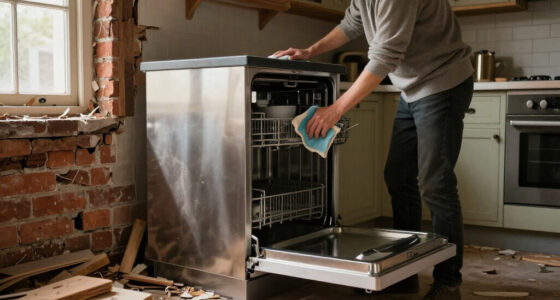

To build a smarter leak prevention routine at home, start by insulating vulnerable pipes, especially in unheated areas, to prevent freezing. Install water sensors near appliances, sinks, and floors, then connect them to your phone for instant alerts. Conduct regular inspections for leaks, corrosion, and damage, and replace worn insulation as needed. Integrate smart technology like Wi-Fi-enabled sensors and remote water shut-off features. Keep up these proactive steps, and you’ll discover even more ways to safeguard your home effectively.

Get furniture and decor delivered free with Prime
- Fast, free delivery on millions of items
- Prime Video, Amazon Music and more included
- Member-only deals all year
Key Takeaways
- Integrate water sensors with smart home systems for real-time leak detection and instant alerts.
- Regularly inspect and replace pipe insulation to prevent vulnerabilities and improve efficiency.
- Use smart thermostats to maintain consistent temperatures and prevent pipe freezing.
- Connect shut-off valves to automation systems for quick response to detected leaks.
- Establish a routine combining inspections, sensor testing, and maintenance to proactively address potential issues.
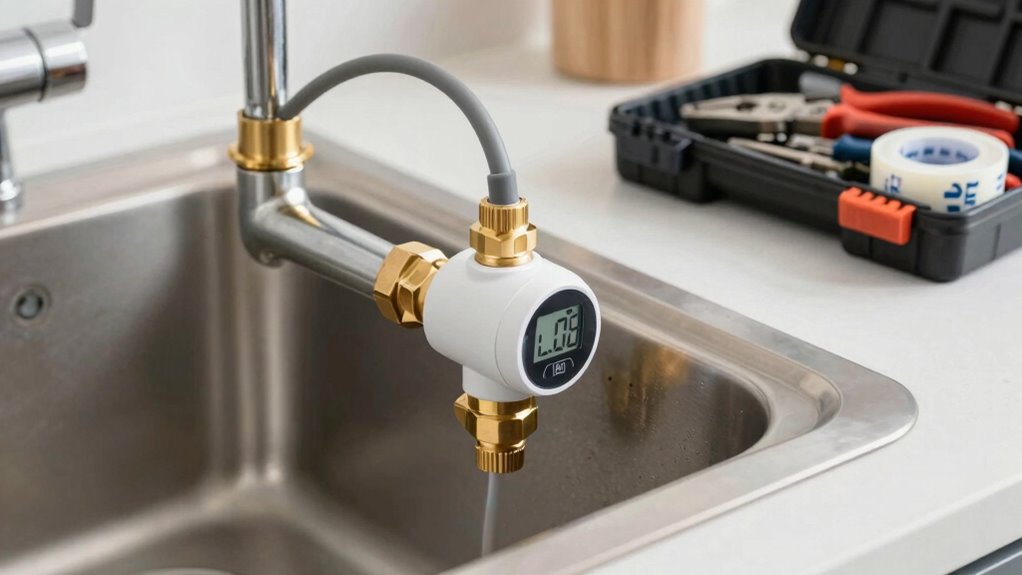
Leaks can cause serious damage and costly repairs if not caught early, so building a smarter leak prevention routine is essential for any homeowner. One of the most effective ways to prevent leaks is to focus on proper pipe insulation. Insulating your pipes helps prevent them from freezing during cold weather, which can lead to bursts and water damage. Wrap exposed pipes with foam or fiberglass insulation, especially in unheated areas like basements, attics, or garage spaces. Not only does this keep the pipes from freezing, but it also reduces condensation, which can cause water pooling and mold growth. When installing pipe insulation, guarantee it fits snugly and covers the entire length of vulnerable pipes. Use electrical tape or zip ties to secure the insulation in place, so it doesn’t slip off over time.
Proper pipe insulation prevents freezing, leaks, and mold growth—securely wrap vulnerable pipes in unheated areas.
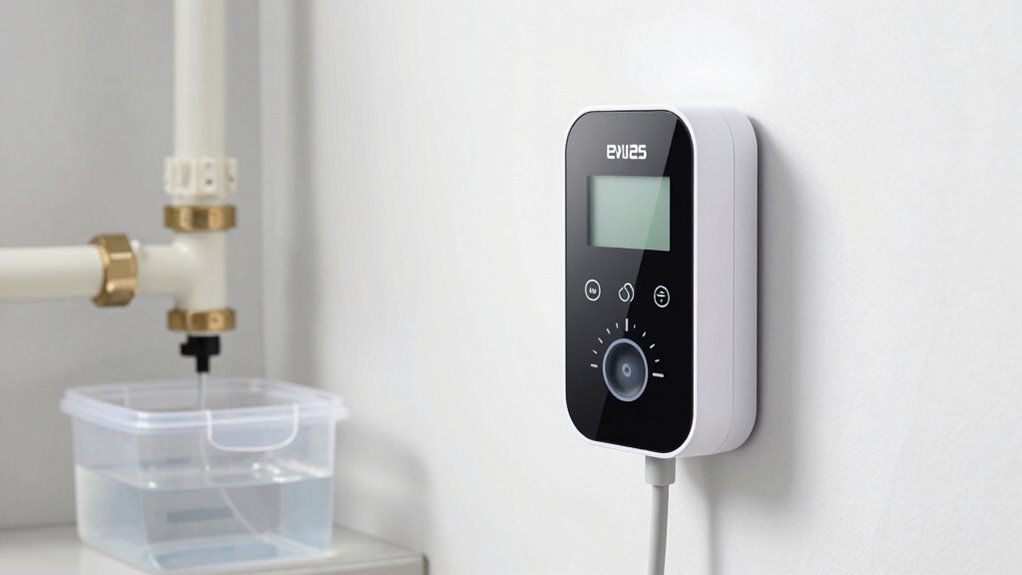
Along with insulating pipes, strategically placing water sensors is a critical element in your leak prevention plan. Water sensors detect leaks early by alerting you before water causes damage. Place sensors near appliances that use water—such as washing machines, dishwashers, or water heaters—and along the base of sinks or toilets. Position sensors on the floor where leaks are most likely to accumulate, like underneath sinks or near pipes vulnerable to corrosion or damage. Keep these sensors at a height where they can detect even small drips, and make sure they’re connected to your smartphone or home automation system for instant alerts. Regularly test the sensors to confirm they’re working properly, and replace batteries as needed. Incorporating proper insulation and leak detection technology can significantly reduce the risk of water damage by addressing common vulnerabilities. Additionally, leveraging advanced monitoring devices can help you keep a closer eye on your plumbing system and catch issues early. Regular inspections can also reveal minor issues before they become major problems, saving you money in the long run.
Another key aspect of building a smarter leak prevention routine involves routine inspections. Check your pipes periodically for signs of corrosion, leaks, or damage. Look for damp spots, mold, or discoloration on walls and ceilings, especially around plumbing fixtures. Replace worn-out or damaged pipe insulation to maintain its protective qualities. Additionally, keep an eye on your water meter—turn off all fixtures and monitor it over a few hours; if it moves, you likely have a leak somewhere. This simple test can help you catch hidden leaks early. Regular maintenance, early leak detection, and using smart home technology are vital components of an effective prevention strategy. Incorporating smart sensors and automation can enhance your ability to respond quickly to potential issues.
Finally, consider integrating your leak prevention measures with smart home technology. Connect water sensors and thermostats to your home’s Wi-Fi network, so you receive real-time alerts and can shut off water supply remotely if needed. This proactive approach minimizes damage and repairs, saving you money and stress. Building a smarter leak prevention routine means combining proper insulation, strategic sensor placement, routine inspections, and smart technology to defend your home effectively against water damage.
smart water leak sensor for home
As an affiliate, we earn on qualifying purchases.
As an affiliate, we earn on qualifying purchases.
Frequently Asked Questions
What Are the Early Signs of Hidden Leaks?
You might notice a sudden drop in water pressure or an unexplained increase in your water bill, which are early signs of hidden leaks. Keep an eye out for pipe corrosion, discoloration, or damp spots on walls and ceilings. These signs suggest leaks behind the walls or under floors. Acting quickly can prevent major damage and costly repairs, so stay vigilant for these subtle clues indicating hidden leaks.
How Often Should I Inspect My Plumbing System?
Think of your plumbing as a delicate garden. You should inspect it at least twice a year, especially before winter and after heavy rains. Check pipe insulation for wear and guarantee water pressure stays steady; high pressure can strain pipes and cause leaks. Regular inspections help you catch issues early, preventing costly damage. Keep a close eye on your system’s health, like tending to your garden, to keep everything flowing smoothly.
Are Smart Leak Detectors Compatible With All Home Plumbing?
Smart leak detectors are compatible with most home plumbing systems, especially if you opt for models with smart device compatibility. However, if you’re planning plumbing system upgrades, check if the detectors will integrate seamlessly with your new setup. Some detectors may require specific connections or Wi-Fi requirements. Always verify compatibility before purchasing to guarantee your smart leak prevention routine works smoothly and provides reliable alerts.
What Is the Average Cost of Installing Leak Prevention Devices?
The average cost of installing leak prevention devices varies, but you can expect to spend between $100 and $300 per device, depending on features and complexity. When doing a cost analysis, consider leak detection capabilities, installation fees, and potential savings from preventing water damage. Keep in mind that investing upfront can save you money long-term by avoiding costly repairs caused by unnoticed leaks.
Can Leak Prevention Routines Prevent All Types of Water Damage?
Leak prevention routines can substantially reduce water damage but won’t prevent all types. Investigate the truth: pipe insulation and managing water pressure are essential. While they help avoid leaks caused by freezing or burst pipes, they can’t stop all issues like sewer backups or appliance failures. Regularly checking for signs of wear and maintaining your plumbing system complements your routine, making it more effective against most water damage sources.
Conclusion
By implementing these smarter leak prevention routines, you’ll catch issues early and avoid costly damage. It’s funny how a simple routine can save you from unexpected surprises—like finding a leak just as you’re about to leave for vacation. When you stay vigilant and proactive, you’re more likely to spot problems before they escalate. So, keep up with your checks; sometimes, the smallest habits make the biggest difference in protecting your home.
Columbus Day / Indigenous Peoples' Day Picks
long weekend sales
As an affiliate, we earn on qualifying purchases.