
To choose gravel for walkways and patios, consider the aesthetic you want—earthy tones for a natural look or light colors for a modern feel. Opt for smaller gravel (around 1/4 inch) for a smooth surface or larger sizes for drainage and a rugged look. Prioritize local, sustainable sources to reduce environmental impact. Make sure the gravel is durable and stabilized with proper base layers. Keep exploring to learn how to create a beautiful, eco-friendly, long-lasting space.
Key Takeaways
- Select gravel color and texture that complement your garden style, balancing aesthetics and environment.
- Choose smaller, smooth gravel for elegant walkways or larger, angular gravel for durability and stability.
- Source gravel locally to reduce environmental impact and support eco-friendly gardening practices.
- Ensure proper base materials and edging to enhance longevity and stability of the walkway or patio.
- Consider durability, weather resistance, and foot traffic when selecting gravel for long-term functionality.
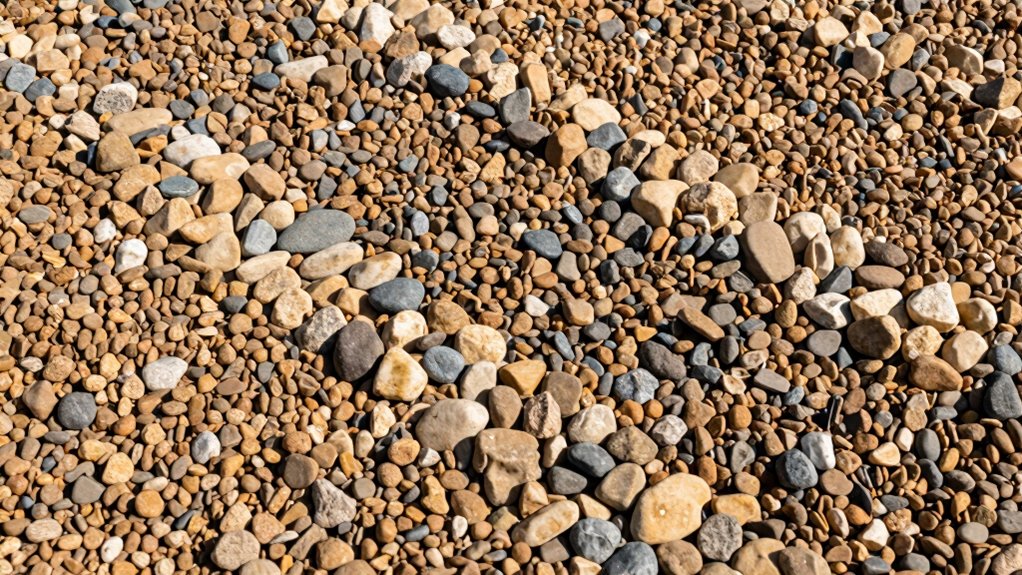
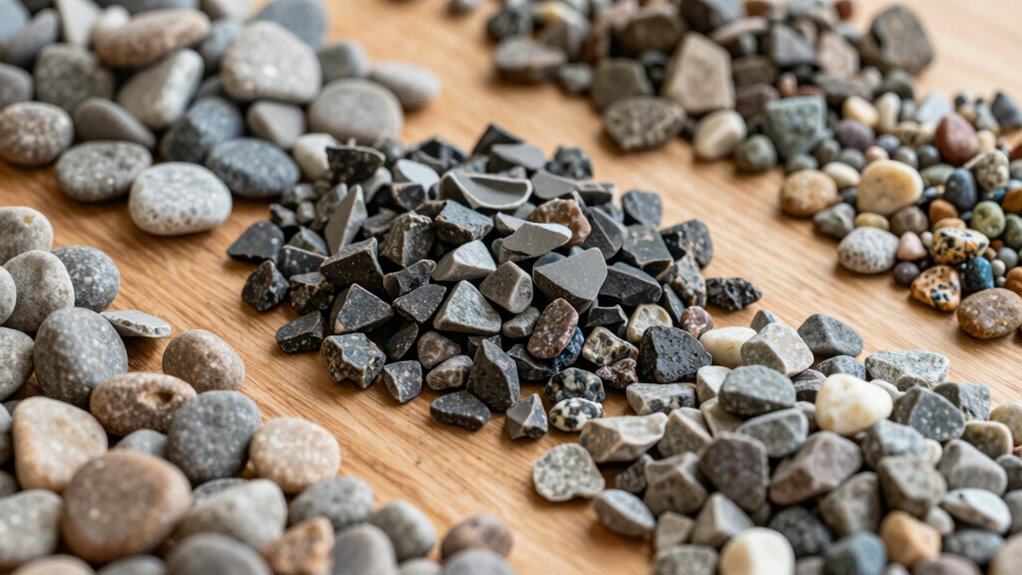
Choosing the right gravel for your walkway can make a significant difference in both its appearance and durability. When selecting gravel, you want to take into account how it will complement your overall garden aesthetics. The color, size, and texture of the gravel play a vital role in creating a cohesive look. For a natural, rustic vibe, opt for earthy tones like browns, grays, or reddish hues. If you prefer a cleaner, modern appearance, lighter shades such as whites or creams work well. The size of the gravel influences not only how it looks but also how it functions. Smaller gravel, around 1/4 inch, creates a smooth, uniform surface, ideal for walking comfort and visual elegance. Larger gravel, like 1/2 inch or more, provides better drainage and a more rugged feel, which can be great for informal pathways or garden borders.
Choosing gravel in earthy tones or light shades enhances your garden’s natural or modern look.
In addition to aesthetics, you should also think about the environmental impact of your gravel choice. Some types of gravel are more sustainable than others, especially if sourced locally, reducing transportation emissions. Natural, locally available gravel minimizes the carbon footprint and supports eco-friendly gardening practices. Also, consider how the gravel interacts with water. Well-chosen gravel can improve drainage, preventing water pooling and soil erosion, which benefits your garden’s health. Avoid gravel that requires extensive chemical treatments or contains additives that could harm the environment.
Durability is another key factor. The gravel you choose needs to withstand foot traffic and weather conditions over time. For high-traffic walkways, a more compacted, angular gravel tends to hold together better and resist displacement. Rounded gravel, while attractive, may shift more easily underfoot unless properly stabilized with a good base layer and edging. Think about the base material underneath—using crushed stone or compacted sand can enhance stability and longevity, making your walkway more resilient. Additionally, considering the sourcing of your gravel can ensure you select environmentally friendly options that align with sustainable practices. Understanding the environmental impact of your materials helps you make more responsible choices that support conservation goals. Furthermore, researching local sourcing options can often lead to more cost-effective and eco-friendly selections.
Ultimately, selecting the right gravel involves balancing visual appeal, environmental considerations, and practical durability. You want a material that enhances your garden aesthetics without harming the environment or requiring frequent replacement. By carefully weighing color, size, sourcing, and structural stability, you create a beautiful, sustainable walkway that complements your outdoor space while respecting ecological principles. This thoughtful approach ensures your garden remains inviting, functional, and environmentally conscious for years to come.
small decorative gravel for walkways
As an affiliate, we earn on qualifying purchases.
As an affiliate, we earn on qualifying purchases.
Frequently Asked Questions
How Long Does Gravel Last Before Needing Replacement?
Gravel typically lasts 5 to 10 years before needing replacement, depending on gravel maintenance and usage. Over time, gravel can shift, sink, or become compacted, requiring you to top it off or add fresh layers. Considering gravel color options can help you maintain an attractive look. Regular maintenance, like raking and replenishing gravel, prolongs its lifespan, ensuring your walkway or patio stays durable and appealing for years to come.
Can Gravel Be Used in Rainy or Snowy Climates?
Sure, you can use gravel in rainy or snowy climates—just don’t forget drainage considerations! Gravel handles water well, preventing puddles and ice patches, especially if you choose a darker gravel color option that absorbs heat. Yet, be prepared for some shifting during winter freeze-thaw cycles. If you want a sturdy path, pick the right size gravel and guarantee proper installation—your walkways will thank you, even in the worst weather!
Is Gravel Suitable for Wheelchair Accessibility?
Gravel can be suitable for wheelchair accessibility if you choose the right type. Opt for fine, smooth gravel that provides better surface stability and minimizes the risk of wheels getting stuck. Make sure the surface is level and compacted to improve wheelchair navigation. Regular maintenance helps keep the surface even, making it safer and easier to traverse. With proper selection and upkeep, gravel can be a practical option for accessible walkways.
How Do I Prevent Weed Growth Through Gravel?
Think of your gravel pathway as a garden’s backbone; to keep weeds at bay, you must armor it with effective weed control. Lay down a sturdy weed prevention fabric before adding gravel, acting like a shield against intrusive weeds. Regularly inspect and remove any sprouting weeds, and consider applying a weed killer if needed. With diligent weed control, your walkway remains a pristine, inviting path instead of a wild jungle.
What Are the Environmental Impacts of Using Gravel?
Using gravel can impact the environment by increasing your ecological footprint if sourced unsustainably. Opt for sustainable sourcing options to reduce habitat disruption and energy use. Gravel extraction can lead to landscape alteration and pollution, so choosing suppliers committed to eco-friendly practices helps lessen these effects. By being mindful of the environmental impacts, you support more sustainable construction and landscaping choices, minimizing harm to ecosystems and promoting responsible resource use.
Conclusion
So, when you pick the perfect gravel, you’re laying the foundation for a path that’s as inviting as a well-worn trail. Think of your walkway or patio as a canvas, and the gravel as the vibrant strokes that bring it to life. With each choice, you’re weaving a story of durability and charm, turning an ordinary space into a mesmerizing journey. Trust your instincts, and watch your outdoor masterpiece come alive beneath your feet.