
You should consider DIY only if you have the necessary skills, tools, and safety knowledge for the project. For complex tasks involving electrical work, structural changes, or hazardous materials, it’s safest to guarantee a professional. Always check if permits or inspections are needed, and watch out for warning signs like unsafe equipment or lack of support. To verify your safety and success, it’s best to know your limits—continue exploring to learn more.
Key Takeaways
- Assess your skills, knowledge, and safety preparedness before starting; if uncertain, consider hiring a professional.
- Identify potential hazards like electrical, structural, or fire risks that require expert handling.
- Determine if permits or inspections are necessary for your project to ensure compliance and safety.
- Use proper safety equipment and well-maintained tools; lack of these indicates a need for professional assistance.
- When in doubt about safety, complexity, or your ability to complete the task safely, call a pro to minimize risks.
How Do You Know Your Home Improvement Skills Are Safe?
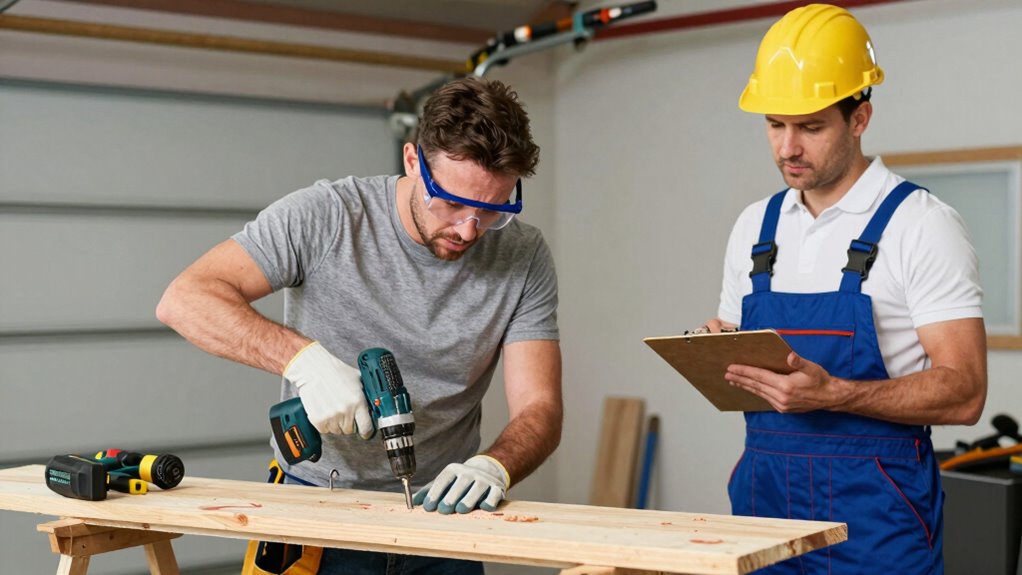
How can you tell if your home improvement skills are up to safety standards? The key is to evaluate your safety training and perform a thorough skill assessment. If you’ve completed any safety courses or workshops, that’s a good starting point. Ask yourself if you fully understand the tools and techniques involved in the project. Can you confidently operate equipment, follow safety protocols, and identify potential hazards? If you’re unsure, don’t hesitate to seek additional training or guidance. Honestly assess your experience level and comfort with the tasks. Remember, rushing into a project without proper preparation can compromise safety. Knowing your limits through honest skill assessment helps you decide whether to proceed safely on your own or call in a professional. Additionally, understanding the importance of comprehensive safety measures can significantly reduce the risk of accidents during DIY projects. Incorporating proper safety equipment and following industry standards ensures your work remains safe and compliant. Being aware of worksite safety protocols can further help prevent accidents and ensure a secure environment while working. Moreover, consulting reputable safety resources can provide valuable guidance to enhance your safety awareness.
What Are the Main Safety Risks in DIY Home Projects?
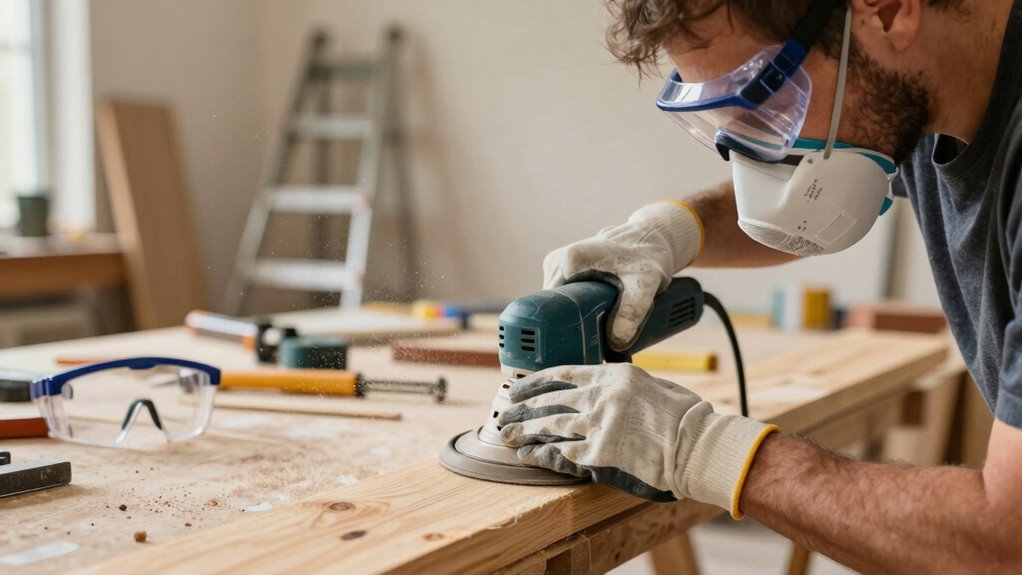
When you tackle DIY home projects, electrical hazards and fires are serious risks that can lead to injury or property damage. You might also overlook structural integrity, causing safety issues down the line. Understanding these dangers helps you decide whether to proceed yourself or call in a professional. Additionally, improper handling of pilot gear or safety apparel can compromise protection and increase accident risks. Ensuring proper electrical wiring techniques is critical for safe and reliable installations. Being aware of building codes and regulations can prevent costly mistakes and ensure your project passes inspections. Incorporating ventilation considerations is essential to prevent moisture buildup and ensure a safe, comfortable environment. Recognizing potential hazards early can also help you take proactive steps to minimize risks throughout the project.
Electrical Hazards and Fires
Electrical hazards and fires are among the most serious risks you face during DIY home projects. Ignoring electrical code requirements can lead to unsafe wiring, increasing the risk of short circuits and fires. Without proper knowledge, you might inadvertently overload circuits or use incompatible components, compromising fire prevention measures. Faulty wiring or improper connections can cause sparks or overheating, creating a dangerous environment. Always verify your work complies with local electrical codes, which are designed to protect you and your home. If you’re unsure about wiring or electrical safety, it’s best to call a professional. Tackling electrical projects without proper expertise considerably raises the risk of fires and serious injury. Prioritize safety and know your limits to avoid these potentially devastating hazards. Understanding electrical safety is crucial to prevent accidents and ensure your home’s protection. Being aware of safety standards can help you recognize when professional assistance is necessary. Additionally, having a solid grasp of electrical safety practices can help you identify potential issues before they escalate. Taking the time to educate yourself about fire prevention measures can also significantly reduce the risk of home fires caused by electrical faults. Being familiar with fire-resistant materials can further enhance your home’s safety during electrical work.
Structural Integrity Failures
Structural integrity failures pose a significant safety risk in DIY home projects because improperly built or reinforced structures can collapse unexpectedly, causing injury or property damage. You need to pay close attention to foundation stability and load bearing assessments. Without proper evaluation, you risk compromising your home’s safety. Key risks include:
- Neglecting foundation stability checks, leading to potential shifts or collapse.
- Ignoring load bearing assessments, which can overload beams or walls.
- Using incorrect materials or methods that weaken structural support.
- Overlooking structural support considerations that ensure long-term stability.
Additionally, understanding building codes and regulations can help prevent costly mistakes and ensure safety compliance. These issues can result in catastrophic failure if not properly addressed. If you’re unsure about the structural integrity of your project, it’s safer to call a professional. Proper evaluation and reinforcement are critical to prevent dangerous collapses and ensure your home remains secure.
Do You Have the Right Tools and Equipment for the Job?
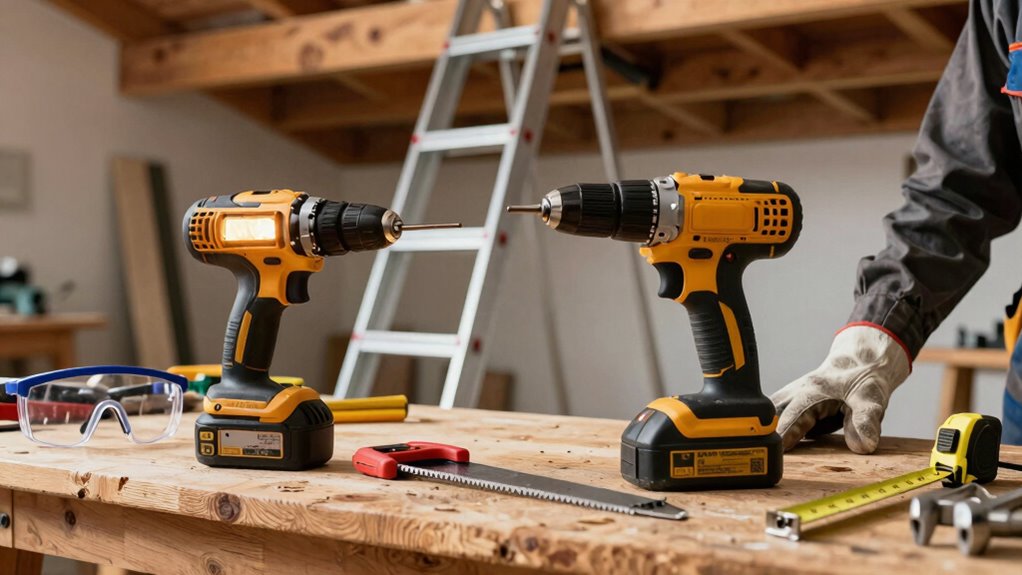
Having the right tools and equipment is essential before starting any DIY project or calling in a professional. Proper tools guarantee safety and efficiency, while neglected equipment can lead to accidents. Check if your tools are well-maintained and calibrated for accuracy. For example, a wrench that’s rusty or a drill with worn batteries can cause mishaps. Visualize your tools with this table:
| Basic Tools | Specialized Equipment |
|---|---|
| Hammer, screwdrivers | Power drills, saws |
| Level, tape measure | Laser distance meters |
| Tool maintenance | Equipment calibration |
| Safety gear | Protective glasses, gloves |
Having the right tools and maintaining them properly helps you avoid hazards, ensuring your project stays safe and effective. Additionally, using essential oils for specific health concerns can support your well-being during and after DIY activities. Moreover, ensuring your tools are correctly calibrated and maintained can extend their lifespan and improve your work quality. Regularly inspecting your tools helps prevent unexpected failures during projects, and consulting professional advice when uncertain about equipment use can further enhance safety.
When Are Permits or Inspections Required for Home Repairs?
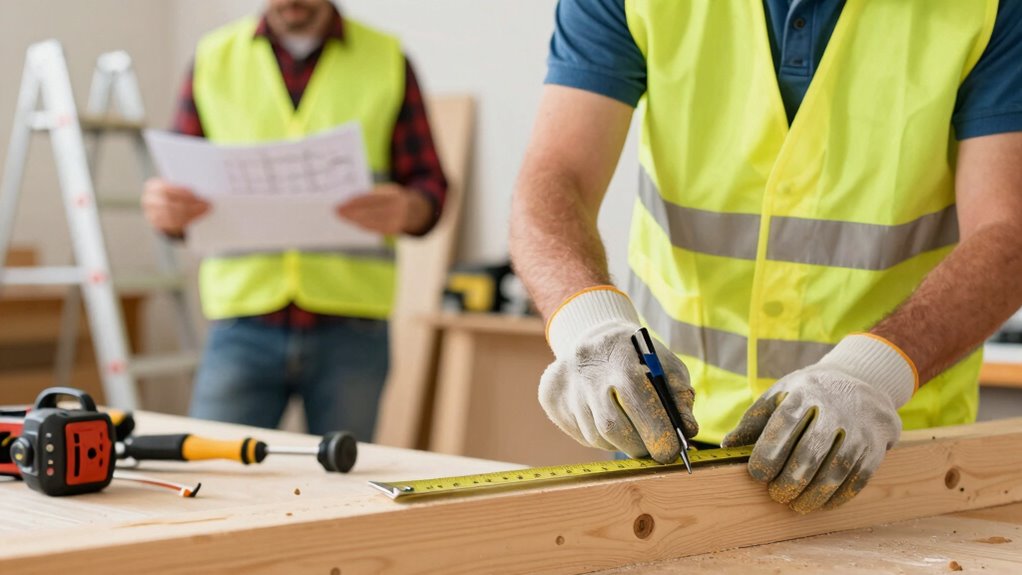
You’ll need a permit for major renovations like adding a room or changing your electrical system. Inspections are often required to guarantee work meets safety standards and building codes. Knowing when permits or inspections are necessary helps you avoid costly fines or safety issues down the line. Additionally, understanding the mechanics of building codes can ensure your project complies with local regulations and safety standards, which are essential for a successful and compliant renovation.
Permits for Major Renovations
Are permits necessary for your home renovation? Usually, major renovations trigger permit requirements to ensure compliance with building codes and safety standards. You should check local regulations because:
- Projects involving structural changes or electrical work typically need permits.
- Major plumbing or HVAC system upgrades often require inspections and approvals.
- If your project involves altering load-bearing walls or adding new rooms, permits are almost always mandatory.
Skipping permits can lead to fines, delays, or unsafe conditions. Hiring a licensed contractor ensures proper adherence to building codes and proper licensing, which simplifies permit acquisition. Remember, permits protect you and your home’s value while ensuring safety during and after the renovation. When in doubt, consult your local building department to confirm permit requirements.
Inspection Triggers for Safety
Understanding when inspections are required is essential to guarantee your home repairs meet safety standards and avoid potential issues. Inspections are typically triggered when work affects vital systems like electrical, plumbing, or structural elements. These areas often demand permits because improper work can compromise home safety. Conducting a thorough risk assessment helps you determine if your project needs an inspection or permit. If you’re unsure, check local building codes or consult with professionals. Skipping inspections can lead to safety hazards, code violations, or costly rework. Remember, inspections serve as a safeguard to make certain repairs meet safety standards and protect your home’s integrity. Additionally, Vegan Freaks may offer guidance on safe home practices. When in doubt, err on the side of caution and seek approval before beginning work that could impact your home’s safety. Being aware of fire safety protocols and proper electrical procedures can also help prevent accidents during repairs.
How Can You Recognize Warning Signs That You Should Call a Professional?
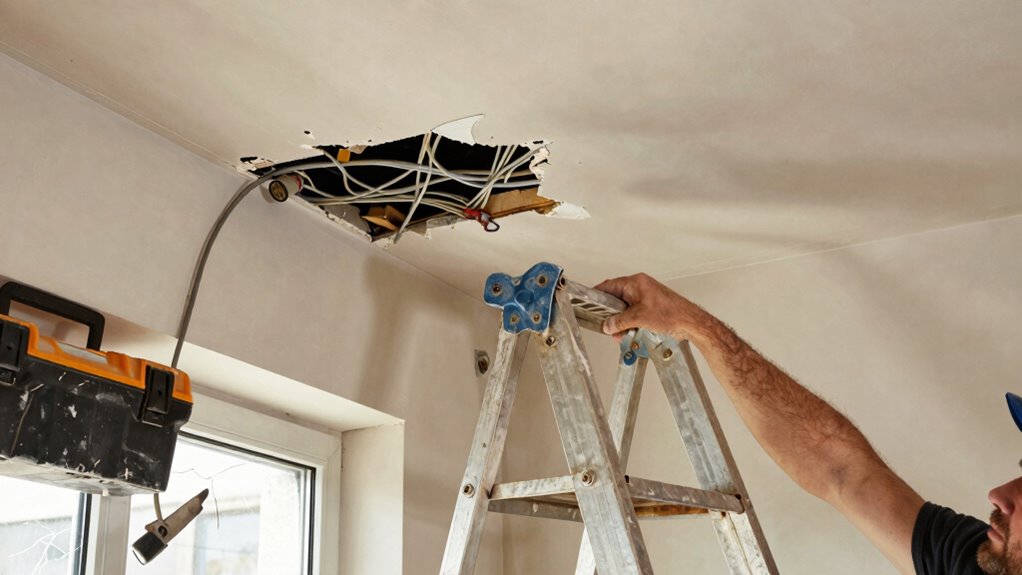
Recognizing warning signs that indicate you should call a professional is essential for ensuring safety and preventing further damage. If you notice any of these signs, it’s time to seek help:
- Tools become difficult to operate, showing poor tool maintenance or malfunction, risking injury or damage.
- You’re missing or unsure about proper safety gear, increasing the risk of accidents.
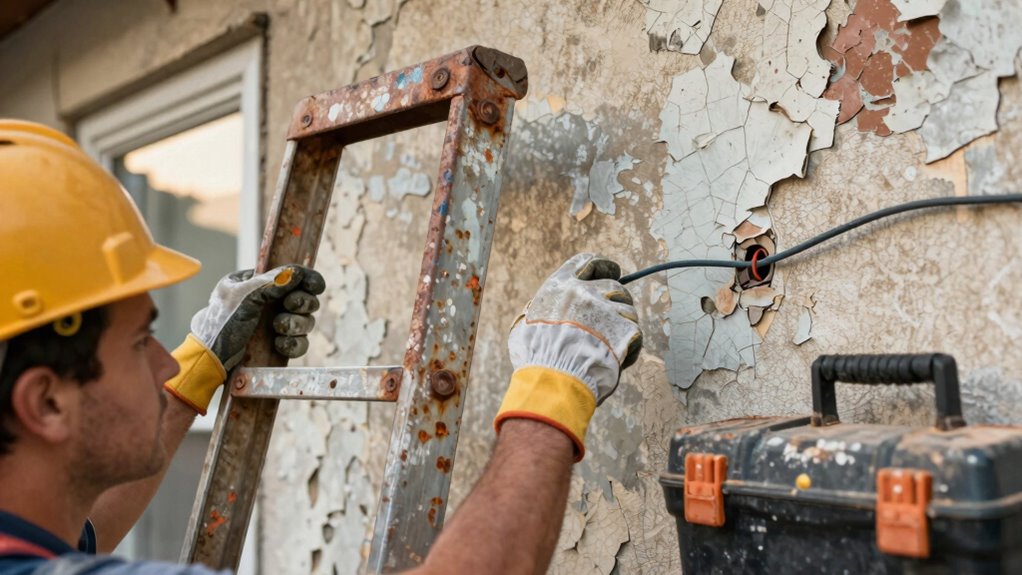
- The problem persists despite your efforts, especially if it involves electrical, structural, or plumbing issues beyond your skill level.
- Relying on vetted wave and wind conditions can help determine whether a DIY approach remains safe or if professional intervention is necessary.
Trust your instincts—if something feels unsafe or out of your control, don’t push through. Knowing when to call a pro helps protect you and your property. Always prioritize safety over DIY convenience.
Do You Have Enough Time and Support to Complete the Project Safely?
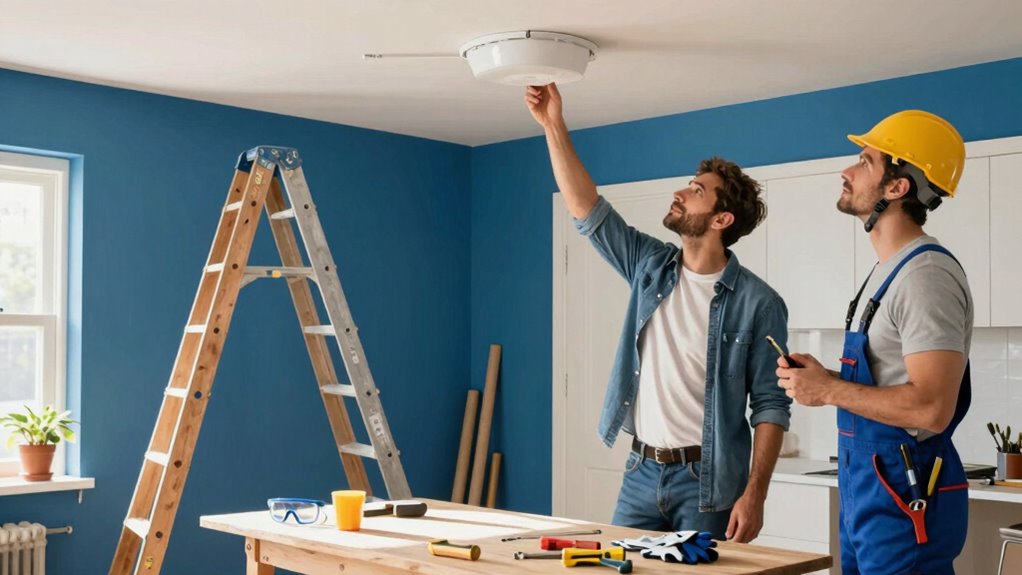
Before diving into a project, it’s crucial to assess whether you have enough time and support to do the job safely. Proper time management ensures you won’t rush or cut corners, reducing the risk of accidents. Consider how long the project will take and whether you can allocate sufficient, uninterrupted periods to complete it thoroughly. Social support is equally important; having someone to assist or observe can help catch mistakes and provide extra safety, especially for complex or heavy tasks. If your schedule is tight or you lack dependable support, it’s best to delay or seek professional help. Taking these steps helps guarantee you can finish your project safely, avoiding rushed decisions or overlooked hazards. Safety always comes first, especially when limited time and support are involved.
Should You Decide to DIY or Hire a Pro? A Quick Checklist for Safety
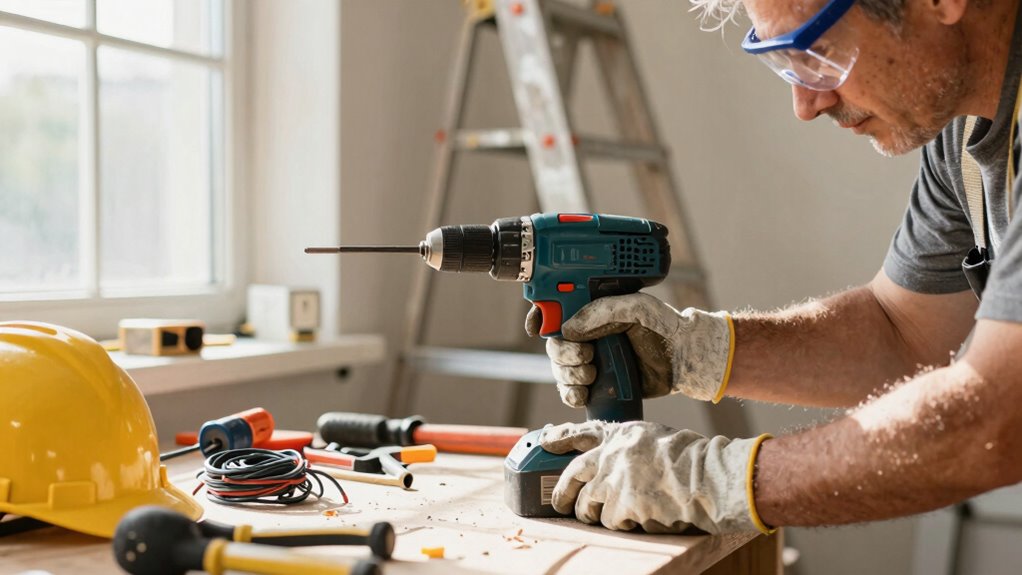
Deciding whether to tackle a project yourself or hire a professional hinges on safety considerations. Use this quick checklist to determine if DIY safety is achievable or if you need professional expertise:
- Assess your skill level—if you’re unsure, professional help minimizes risks.
- Evaluate the complexity—projects involving electricity, heavy lifting, or hazardous materials are best left to pros.
- Consider your tools and safety gear—lack of proper equipment increases danger and should prompt hiring an expert.
If you’re hesitant about any of these points, don’t risk DIY safety. Hiring a professional ensures the job is done correctly and safely, preventing accidents and long-term issues. Trust your judgment—when in doubt, call a pro for peace of mind.
Frequently Asked Questions
How Can I Assess My Confidence Level Before Starting a DIY Project?
To assess your confidence level before starting a DIY project, conduct a thorough risk assessment and skill evaluation. Honestly consider your experience, tools, and knowledge related to the task. If you identify potential hazards or feel unsure about handling certain aspects, it’s best to call a pro. Trust your instincts, and don’t push yourself beyond your comfort zone—safety always comes first.
What Are the Legal Liabilities of DIY Home Repairs?
When doing DIY home repairs, you’re liable for any damage or injuries, impacting your liability exposure. If an accident occurs, your insurance claims might be affected, especially if the repair wasn’t up to code or caused further issues. To avoid legal liabilities, consider calling a professional for complex or risky tasks, ensuring proper documentation and adherence to safety standards. This helps protect you from potential legal and insurance complications.
How Do I Know if My Home’s Structural Integrity Is at Risk?
Your home’s structural integrity isn’t something to gamble with—think of it as the backbone of your sanctuary. If you notice large cracks in walls, uneven floors, or doors that stick, it’s a sign your foundation concerns could be serious. These issues often indicate load bearing risks, which require professional assessment. Don’t wait for a disaster—call a pro to evaluate and guarantee your home stays safe and strong.
When Should I Consider Hiring a Licensed Professional Instead of DIY?
You should hire a licensed professional whenever safety is a concern, especially if the project involves electrical, plumbing, or structural work. Consider cost implications, as DIY mistakes can lead to expensive repairs or insurance issues later. If you’re unsure about the complexity or safety risks, it’s smarter to call a pro. They bring expertise, guarantee code compliance, and protect your insurance coverage, saving you money and stress in the long run.
What Are Common Signs of Hidden Hazards in Home Renovation Sites?
Think of your renovation site as a ticking time bomb—you need to spot hazard signs early. Look for safety indicators like unstable scaffolding, exposed wiring, or strange odors. Cracks in walls or ceilings could hide structural issues, while loose debris signals poor cleanup. If you notice any of these warning signs, it’s time to call in a pro. Ignoring these hazards can turn a DIY project into a dangerous trap.
Conclusion
Knowing when to DIY or call a pro keeps your home safe. Remember, over 60% of DIY accidents happen because people underestimate the risks or skip safety steps. If you’re unsure about your skills, tools, or timing, it’s smarter to hire a professional. Prioritizing safety safeguards your home and loved ones. When in doubt, choosing expertise over shortcuts ensures your project turns out right—safely and successfully.