To prevent chaos when planning your retreat, start by clearly defining your goals and communicating them early, so everyone understands their role. Choose an accessible location, set the date, and confirm availability before making arrangements. Create a detailed budget, arrange accommodations, and design a flexible agenda filled with engaging activities. Send invitations well in advance and manage registrations efficiently. Thoroughly check all materials and plans, and prepare backup options—keep these tips in mind, and you’ll master smooth planning.
Key Takeaways
- Establish clear goals and detailed agendas to ensure focused activities and smooth flow.
- Secure venue, transportation, and accommodations early, confirming availability and logistics.
- Create a comprehensive budget with expense tracking and contingency planning.
- Send invitations and collect registrations well in advance to monitor attendance.
- Conduct thorough final checks, review arrangements, and prepare backup plans to handle surprises.
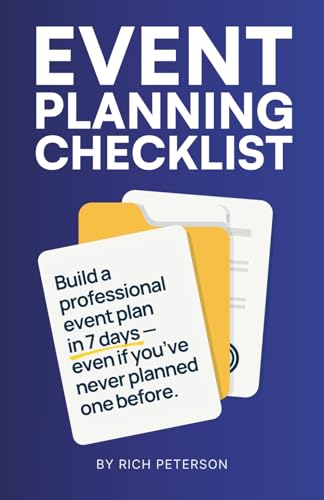
Event Planning Checklist: Build a professional event plan in 7 days — even if you’ve never planned one before.
As an affiliate, we earn on qualifying purchases.
As an affiliate, we earn on qualifying purchases.
Set Your Retreat Goals and Participant Expectations

Before planning the details of your retreat, it’s essential to clearly define your goals and what you expect from participants. When you set clear objectives, you encourage better goal alignment among everyone involved, which boosts overall effectiveness. Consider whether you want to foster team bonding, develop skills, or generate new ideas. Communicate these aims upfront so participants understand their roles and purpose. By doing so, you promote active participant engagement, making everyone more invested in the experience. Establishing specific, measurable goals helps you track progress and ensures that expectations stay realistic. When your goals are clear and everyone knows what to aim for, the retreat becomes more focused, productive, and enjoyable for all involved. Additionally, understanding the importance of contrast ratio can help you create a more visually engaging and immersive environment during your event. A solid grasp of Free Floating concepts can also assist in designing versatile outdoor spaces that adapt to various retreat activities, enhancing overall experience. Incorporating appropriate lighting can further improve the environment’s ambiance and functionality, making your retreat more memorable.

White Handrail for Event Venues, U-Shaped Safety Rail for Wedding Halls, Banquet Rooms, Conference Centers, Convention Halls & Community Centers
🎉 Perfect for Event Spaces: Ideal for wedding venues, banquet halls, conference centers, convention halls, community centers, and…
As an affiliate, we earn on qualifying purchases.
As an affiliate, we earn on qualifying purchases.
Pick the Location and Set the Date

Once you’ve established your retreat goals and participant expectations, the next step is to select the perfect location and set a date. For venue selection, consider accessibility, amenities, and capacity to guarantee it meets your group’s needs. Research options that inspire your retreat’s purpose and fit your budget. When it comes to date scheduling, check your participants’ availability early to avoid conflicts. Choose dates that allow ample planning time and consider seasonal factors that might affect attendance or weather. Confirm the venue’s availability for your preferred dates before finalizing. Clear communication at this stage helps prevent last-minute changes and ensures everyone’s on the same page, setting a solid foundation for a successful retreat. Additionally, understanding healthy dog snacks can serve as inspiration for creating engaging activities or themed elements for your retreat, adding a unique touch to the experience. Incorporating sustainable practices into your planning can also enhance your retreat’s overall impact and align with eco-friendly values. Being aware of cloud service outages can help you develop contingency plans in case of unforeseen disruptions that could affect your event logistics. Planning for technology failures is also crucial to maintaining smooth operations during your retreat, and researching ways to optimize logistics can further streamline your planning process.

Dvbonike 30 Packs Summer End of the School Year Coloring Craft Kit with Magnet – Color Your Own Beach Magnets Card Set DIY Fridge Refrigerator Decor Home Party Gift Classroom Art Activity Supplies
Summer-Themed Design: This set includes 30 blank cards in different shape and 30 magnets with adhesive backing. The…
As an affiliate, we earn on qualifying purchases.
As an affiliate, we earn on qualifying purchases.
Create Your Budget and Secure Funding

To create an effective budget, you should break down costs into specific categories and determine how much funding each requires. Securing sponsorships can help offset expenses and stretch your budget further. By proactively reaching out to potential sponsors, you increase your chances of funding success. Additionally, understanding the importance of essential oils in health-related topics can inspire creative funding ideas for wellness retreats. Considering the rising popularity of electric bikes, you might explore partnerships with local retailers or manufacturers to obtain discounts or sponsorships that align with your retreat’s focus on sustainability and health. Collaborating with community engagement initiatives can also amplify your retreat’s visibility and attract a broader audience. Moreover, partnering with local restaurants that feature live music can enhance the retreat experience and attract attendees. Emphasizing document management strategies can also streamline your planning process, saving time and reducing stress.
Budget Breakdown Strategy
Have you considered how you’ll create a realistic budget and secure the necessary funding for your retreat? A solid budget breakdown strategy starts with clear cost allocation. Break down expenses into categories like venue, catering, activities, and materials. This detailed approach helps you see where your money is going and identify areas to cut costs if needed. Accurate expense tracking is essential—keep detailed records of all costs as they occur to avoid surprises later. Prioritize essential expenses and set aside funds for unexpected costs. Regularly review your budget to ensure you’re staying on track. Additionally, understanding cost estimation techniques can improve your ability to forecast expenses more accurately. Employing reliable budgeting methods enhances financial planning and control. Recognizing the importance of attention to detail in financial management can help prevent costly oversights. Incorporating regional economic factors can further refine your budget forecasts by considering local market conditions. By organizing your spending and monitoring expenses closely, you’ll maintain control and prevent financial chaos, making it easier to secure funding and ensure your retreat’s success. Understanding decoding slang can also help you communicate more effectively with vendors and team members who might use informal language.
Securing Sponsorship Opportunities
Are you leveraging sponsorship opportunities to help fund your retreat? Successful sponsorship outreach begins with crafting compelling partnership proposals that clearly outline benefits for potential sponsors. Reach out early, targeting organizations aligned with your retreat’s mission and audience. Be specific about sponsorship levels, visibility opportunities, and how their support will be acknowledged. Present a professional, tailored proposal that highlights mutual value, making it easy for sponsors to say yes. Keep your communication concise and persuasive, emphasizing the exposure they’ll gain and the positive impact of their contribution. Securing sponsorships not only eases your budget constraints but also builds valuable relationships. With strategic outreach and well-designed partnership proposals, you’ll enhance your funding options and set your retreat up for success. Additionally, understanding wealth protection strategies can help ensure your retreat’s financial stability in the long term. Incorporating transparency regarding financial relationships with affiliates can also foster trust and credibility with potential sponsors, increasing your chances of success. Being aware of affiliate disclosure policies ensures that your sponsorship arrangements remain compliant and transparent. Implementing vetted wave and wind options for outdoor activities can further attract sponsors interested in eco-friendly and sustainable practices. Exploring sponsorship benefits can also help you craft more appealing proposals that resonate with potential partners.

Sign Up Sheets Book (8.5 x 11 Inches): Registration Log, Event Sign-In & Attendance Record Sheets
As an affiliate, we earn on qualifying purchases.
As an affiliate, we earn on qualifying purchases.
Plan Your Agenda and Activities

Creating a well-structured agenda and selecting meaningful activities are essential steps to guarantee your retreat is engaging and productive. Focus on designing a clear schedule that balances work, relaxation, and team building exercises. When planning activities, consider diverse options that foster collaboration and boost morale. Effective activity scheduling ensures everyone stays involved without feeling overwhelmed or bored. Incorporate team building exercises that promote communication, trust, and problem-solving. Keep your agenda flexible enough to accommodate unexpected changes while maintaining a steady flow. Utilizing connected fitness technology can help monitor participant engagement and improve activity effectiveness. Additionally, incorporating ownership essentials knowledge can help tailor activities to the specific needs and safety considerations of your group. By thoughtfully planning your agenda and activities, you set the stage for a successful retreat where participants stay energized and focused.
Arrange Accommodation, Catering, and Logistics

Securing suitable accommodation, catering, and logistics is essential to ensuring your retreat runs smoothly. Start by confirming transport arrangements so attendees arrive comfortably and on time. Choose accommodations that suit your group’s size and needs, ensuring they are conveniently located. When planning catering, consider dietary restrictions and meal preferences to keep everyone energized. Think about decor ideas that create a welcoming atmosphere aligned with your retreat’s theme, enhancing the experience. Organize logistics such as transportation between the venue and accommodations, as well as any necessary equipment rentals. Clear communication with vendors and venues prevents surprises on the day. By meticulously planning these elements, you reduce stress and set the stage for a seamless, enjoyable retreat experience.
Send Invitations and Manage Registrations

When should you send out invitations and begin managing registrations to guarantee a smooth planning process? The best time is at least 6-8 weeks before the retreat. Use digital invitations to quickly reach your target audience and assure timely delivery. Incorporate registration software to streamline the sign-up process and track responses efficiently. This allows you to confirm attendance early and avoid last-minute surprises. Make sure your invitations clearly state the date, location, and key details, and include a link to your registration platform. Managing registrations promptly helps you monitor numbers, handle special requests, and plan logistics accordingly. Starting early ensures you have ample time to address any issues and keeps your retreat planning on track without chaos.
Prepare Materials and Backup Plans

To guarantee your retreat runs smoothly, start preparing all necessary materials well in advance. Material preparation involves gathering supplies like handouts, name tags, and any equipment needed for activities. Double-check that everything is organized and easily accessible. It’s also essential to develop backup plans for potential issues, such as technology failures or low attendance. Prepare digital copies of important documents and have alternative activity ideas ready if plans need adjusting. Confirm that all materials are complete and functional before the event. Having backup plans in place ensures you can adapt quickly and keep the retreat running without disruptions. This proactive approach minimizes last-minute stress and helps maintain a seamless flow throughout the retreat.
Final Check and Handling Last-Minute Changes

As the retreat day approaches, it’s vital to conduct a thorough final check to guarantee everything is on track. Review all arrangements, confirm bookings, and verify materials are ready. Be prepared for last minute adjustments by quickly addressing any discrepancies or unforeseen issues. This is where contingency planning becomes essential—have backup options for transportation, technology, or accommodations. Communicate with your team to ensure everyone knows their responsibilities and can handle unexpected changes smoothly. Keep a checklist to track completed tasks and remaining items. Staying flexible and proactive helps you manage last-minute changes without chaos. Your readiness to adapt will keep the retreat running seamlessly and ensure participants have a positive experience.
Frequently Asked Questions
How Early Should I Start Planning for the Retreat?
You should start planning your retreat at least six months in advance. This allows ample time for creating a detailed retreat timeline, booking venues, and coordinating vendors. Early preparation guarantees you avoid last-minute stress and have enough flexibility to handle unexpected issues. By beginning early, you’ll also secure better rates and ensure all logistics are covered, making your retreat smooth and successful from start to finish.
What Are Common Mistakes to Avoid During Retreat Planning?
To avoid common retreat planning mistakes, focus on clear retreat logistics and strict budget management. Don’t neglect details like transportation, accommodations, and activities, which can cause chaos if overlooked. Stick to your budget and track expenses diligently to prevent overspending. Also, communicate regularly with vendors and participants to ensure everyone’s expectations align. By staying organized and proactive, you’ll create a smooth, enjoyable retreat for all involved.
How Do I Handle Last-Minute Cancellations or Changes?
Did you know that 30% of events face last-minute cancellations? To handle this, activate your emergency protocols and implement contingency planning. Contact waitlisted participants or vendors promptly to fill gaps. Stay flexible by adjusting schedules and activities as needed. Keep clear communication with your team and attendees, ensuring everyone stays informed. This proactive approach minimizes disruption and keeps your retreat running smoothly despite unexpected changes.
What Technology Tools Can Streamline Registration and Communication?
You can streamline registration and communication by using digital registration platforms like Eventbrite or RegOnline, which simplify attendee sign-ups and payment processing. For effective communication, leverage platforms like Slack, WhatsApp, or email marketing tools like Mailchimp to send updates, reminders, and important information. These tools keep your attendees informed and engaged, reducing confusion and ensuring smooth coordination throughout your retreat.
How Can I Ensure Participant Engagement Throughout the Retreat?
To keep participants engaged, incorporate interactive activities like group discussions, workshops, or team-building exercises. Encourage active participation by using feedback mechanisms such as surveys, live polls, or Q&A sessions, which give attendees a voice and make them feel involved. Continuously monitor engagement levels and adapt activities accordingly, ensuring everyone stays energized and connected throughout the retreat. Your proactive approach will create a dynamic, memorable experience for all.
Conclusion
By following this checklist, you’ll navigate your retreat like a seasoned captain steering through calm waters, avoiding storms before they form. Staying organized and flexible guarantees smooth sailing from start to finish. Remember, a well-planned retreat isn’t just about ticking boxes; it’s about creating an experience that leaves a lasting impact. With each step, you’re laying the foundation for success—turning chaos into clarity and your vision into reality.