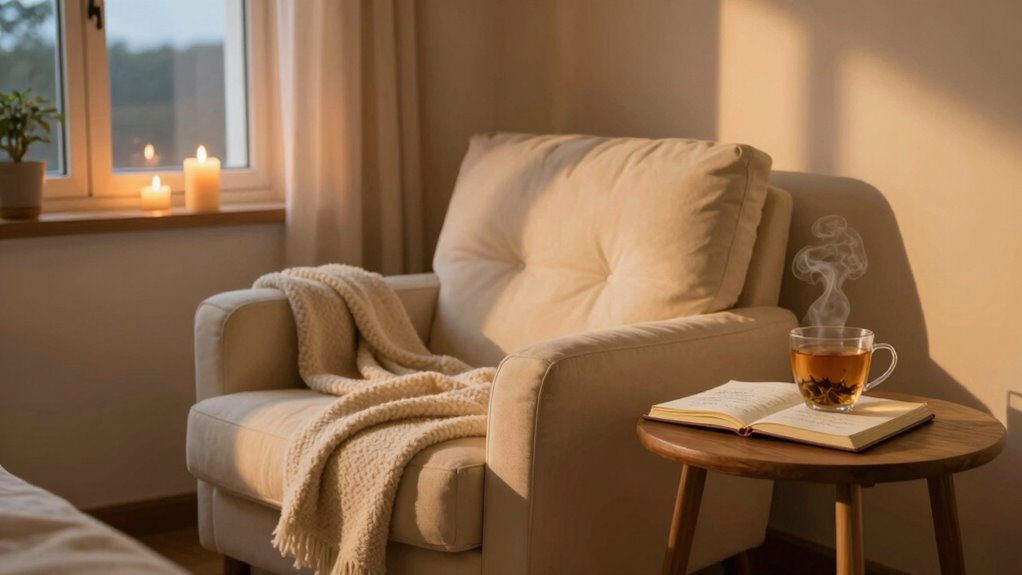

To create a 10-minute evening routine that calms your nervous system, start by tidying your space with soft lighting and calming scents like lavender. Practice slow, deep breathing and gentle stretches to release tension. Engage your senses with mindful activities such as quieting noise or enjoying a soothing scent. Stick to a consistent schedule, avoiding screens and heavy snacks. Keep this simple routine daily, and you’ll discover the secrets to restful sleep—continue to learn for more effective tips.
Key Takeaways
- Dedicate 10 minutes to gentle breathing exercises, such as diaphragmatic breathing, to slow heart rate and reduce stress.
- Declutter and organize your relaxation space with soft lighting, calming scents, and minimal distractions to promote tranquility.
- Incorporate light stretches or gentle neck and spinal movements to release muscle tension accumulated during the day.
- Engage in mindfulness or gratitude journaling to shift focus from stressors and foster a peaceful mindset.
- Avoid screens and heavy snacks, opting for calming activities like reading or sipping herbal tea to prepare your nervous system for rest.

Majestic Pure Lavender Essential Oil for Diffuser – 4 Fl Oz
- Lavender Aroma: Soft, floral lavender scent
- Multi-Purpose Use: Aromatherapy, diffusers, candles, soap
- Amber Glass Bottle: Light-protective amber bottle with dropper
As an affiliate, we earn on qualifying purchases.
As an affiliate, we earn on qualifying purchases.
Why a Calm Nervous System Leads to Better Sleep

A calm nervous system is essential for quality sleep because it helps your body shift from the day’s stress to a restful state. Nervous system regulation reduces the activity of your fight-or-flight response, allowing your body to relax fully. When your nervous system is balanced, your heart rate slows, muscle tension eases, and your breathing becomes more steady. This state of calm promotes sleep quality enhancement by making it easier to fall asleep and stay asleep through the night. Without nervous system regulation, stress hormones like cortisol remain elevated, disrupting your sleep cycle. Prioritizing calming techniques in your evening routine supports this process, ensuring your body is prepared for deep, restorative sleep. Incorporating Free Floating practices can further enhance your ability to calm the nervous system and improve sleep quality. A calm nervous system is the foundation for a peaceful night’s rest.
How to Prepare Your Space for Relaxation in 2 Minutes
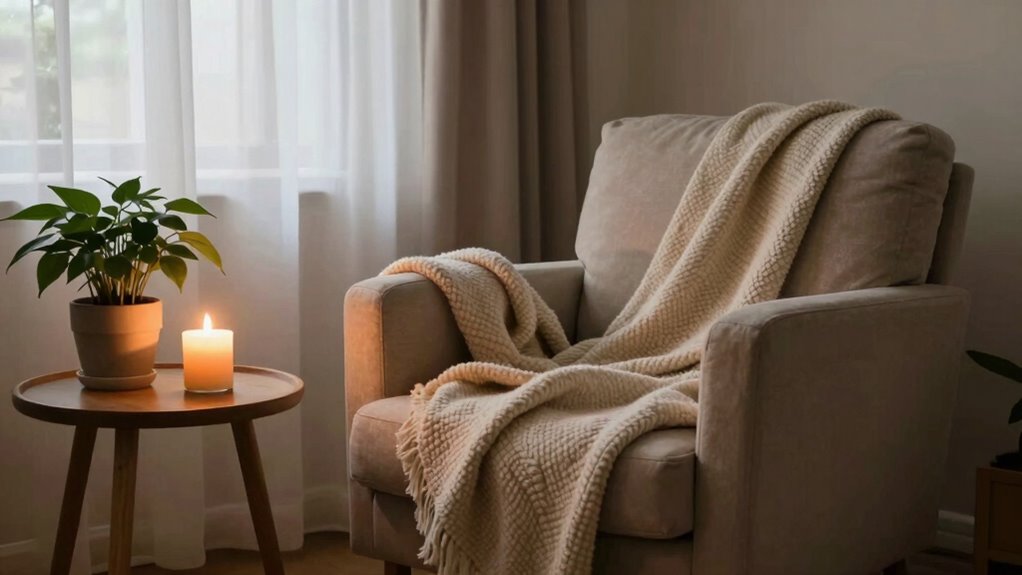
To set the right mood quickly, focus on creating a calm atmosphere with soft lighting or gentle scents. Clearing clutter from your space helps you relax and prevents distractions. With just a couple of simple steps, you can transform your environment in two minutes for a more peaceful evening. Incorporating weather-aware routines ensures your space remains comfortable and ready for any climate changes, and using air quality improvements like purifiers can further enhance your relaxation environment. Additionally, paying attention to art placement can subtly influence your mood and foster tranquility. Improving space organization can also streamline your routine and make your environment feel more serene, especially when considering home environment adjustments that support relaxation.
Create a Calm Atmosphere
Even if you’re short on time, taking just a couple of minutes to tidy up your space can make a big difference in creating a calm atmosphere. Focus on setting the mood with simple adjustments. Adjust ambient lighting to soft, warm tones—dim the lights or turn on a bedside lamp. Add soothing scents like lavender or chamomile with a diffuser or a scented candle. Keep your space clutter-free and organized to prevent distractions. To enhance relaxation, consider these quick tips:
- Switch on a small lamp or use fairy lights for gentle illumination
- Light a calming scented candle or use essential oils
- Arrange pillows or throws to make your space cozy and inviting
- Incorporate color accuracy to create a visually soothing environment and reduce visual stress
- Incorporate energy-efficient cloud solutions to optimize your home environment and reduce stress related to energy use
- Incorporate aromatherapy techniques to enhance the calming effects and promote relaxation
Creating a comfortable environment also involves managing your digital space to minimize distractions and promote tranquility. Incorporating AI ethics principles can help you set boundaries around technology use, fostering a more peaceful atmosphere. These small touches help your mind unwind and prepare for restful sleep.
Declutter Your Space
Clearing your space quickly is a simple but effective way to promote relaxation. When you reduce clutter, your mind feels calmer, and your environment becomes more inviting. Focus on space organization by tidying surfaces and putting stray items away. This small effort shifts your space from chaotic to peaceful in just two minutes. Use this table as a quick guide:
| Area | Action | Tips |
|---|---|---|
| Desk | Clear papers & gadgets | Keep only essentials |
| Bedside table | Remove clutter & trash | Use a tray for items |
| Floor | Pick up personal items | Create open space |
| Shelves | Tidy books & decor | Arrange neatly |
| Overall | Scan for stray items | Remove or organize |
Taking this moment to declutter your environment can significantly enhance your sense of calm and set a peaceful tone for restful relaxation.
Simple Breathing Exercises to Ease Tension Before Bed
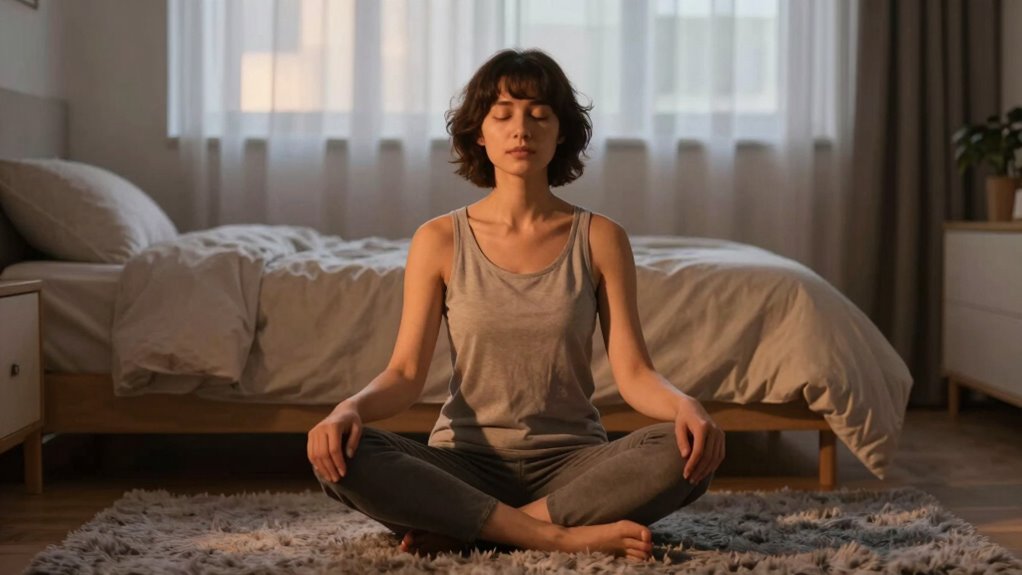
Practicing deep breathing techniques can quickly calm your mind and relax your body before sleep. Mindful breathing helps you stay present and release tension accumulated throughout the day. By incorporating these simple exercises, you set the stage for a more restful night. Additionally, focusing on breathing patterns enhances your autonomic nervous system balance, promoting relaxation. Engaging in evidence-based practices further supports improving your overall stress response and emotional regulation.
Deep Breathing Techniques
Deep breathing techniques can be a simple yet effective way to release tension and prepare your body for restful sleep. Focus on slow, deliberate breathing patterns, emphasizing mindful inhalation to calm your nervous system. As you breathe, aim to deepen each inhale and exhale, helping to soothe racing thoughts and physical stress. To enhance this practice, try these approaches:
- Practice diaphragmatic breathing, filling your belly with air
- Use a gentle count, such as inhaling for four seconds and exhaling for six
- Maintain awareness of your breath, consciously relaxing muscles with each exhale
- Remember that consistent practice can build mental resilience and improve overall sleep quality. Engaging in these techniques can also help counteract digital distractions that often hinder relaxation before bed. Incorporating a mindful breathing routine into your evening can further deepen relaxation and reduce nighttime anxiety.
These methods help shift your focus inward, fostering relaxation and reducing anxiety, making it easier to transition into restorative sleep.
Mindful Breathing Practice
Building on your understanding of deep breathing techniques, simple mindful breathing exercises can further ease tension and promote relaxation before bed. By focusing your attention on each breath, you activate your parasympathetic nervous system, enhancing stress reduction. Mindful breathing encourages you to observe your breath without judgment, helping clear racing thoughts. Try inhaling slowly through your nose and exhaling gently through your mouth, paying close attention to the sensation of each breath. This practice cultivates calmness and prepares your body for restful sleep. Incorporating stress management strategies into your routine can amplify these calming effects.
Gentle Stretches and Movements to Release Stress

After a busy day, gentle stretches and movements can help you release built-up tension and calm your mind. These simple actions promote stress relief and muscle relaxation, making it easier to unwind. Focus on slow, deliberate motions to avoid strain and deepen relaxation. You might try:
- Gentle neck rolls to ease tension in your shoulders and neck
- Seated spinal twists to release lower back tightness
- Forward bends to stretch hamstrings and calm the nervous system
These movements help loosen tight muscles and clear mental clutter. Incorporate these stretches into your evening routine to foster a sense of calm and prepare your body for restful sleep. Keep movements smooth, breathing deeply, and stay present to maximize stress relief.
Calming Your Senses: Activities That Signal Relaxation
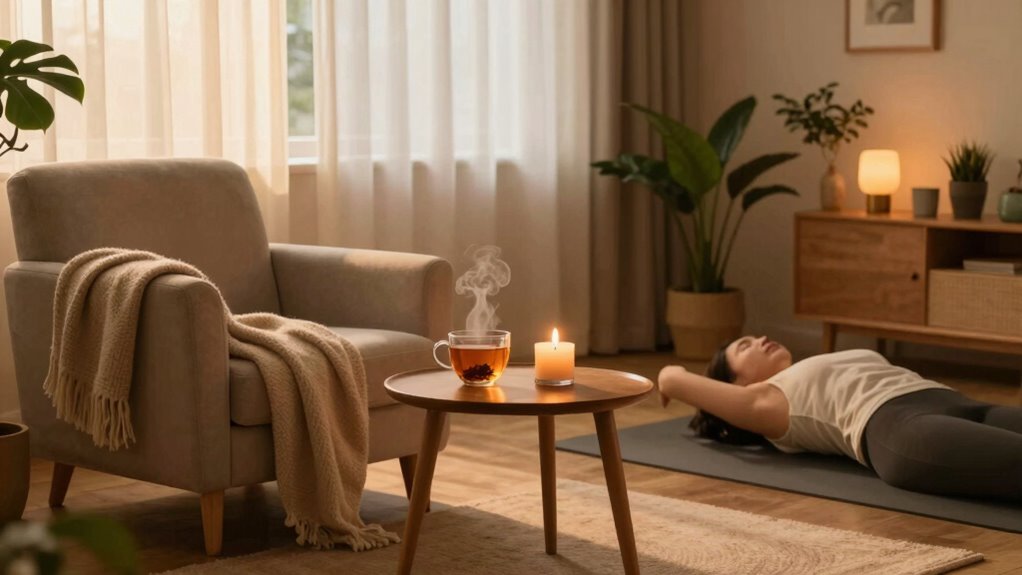
To signal to your body that it’s time to relax, engaging your senses with calming activities can be highly effective. Try sensory deprivation techniques, like closing your eyes or using noise-canceling headphones, to minimize overstimulation. This helps your nervous system shift into a restful state. Aromatherapy techniques also play a crucial role; diffusing calming essential oils like lavender or chamomile can enhance relaxation. Focus on slow, deep breathing to deepen the sensory experience and reinforce calmness. Additionally, incorporating crypto market trends can help you stay mindful of external influences on your mental state. Being aware of external factors like family stressors can further support your relaxation efforts. Recognizing external stressors and managing them consciously can prevent them from disrupting your sense of calm. Being aware of Gold IRA markets and their fluctuations can help you maintain a balanced perspective and reduce anxiety. Incorporating mental health strategies into your routine can further improve your overall sense of well-being. By consciously activating these senses, you send a clear signal that it’s time to unwind. These simple activities create a peaceful environment, helping you transition smoothly from a busy day into a restful evening.
How to Establish Your 10-Minute Evening Routine
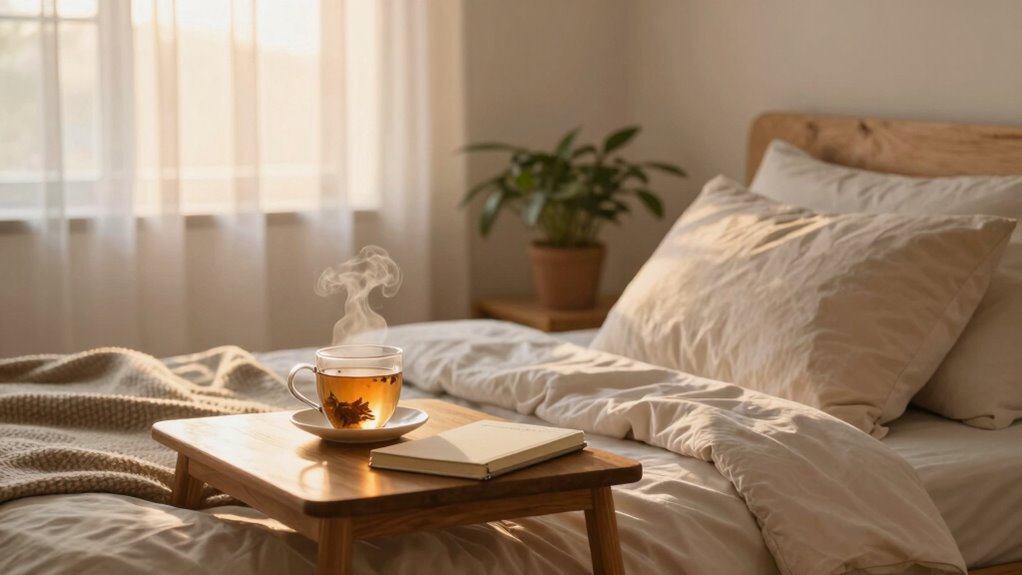
Establishing your 10-minute evening routine starts with setting a clear intention and creating a dedicated space where you can unwind without distractions. Decide what activities help you relax and prepare your mind for restful sleep. Incorporate simple practices like bedtime journaling to reflect on your day and practice nighttime gratitude to foster positive feelings. To get started, consider these ideas:
- Designate a cozy corner free of screens for your routine
- Keep a journal nearby for bedtime journaling and gratitude notes
- Set a consistent time each evening to signal your body it’s time to wind down
- Incorporate sleep hygiene practices such as maintaining a comfortable sleep environment and avoiding stimulants before bed
Common Mistakes That Disrupt Your Nightly Calm: And How to Fix Them

One common mistake that can disrupt your nightly calm is using screens right before bed, which exposes you to blue light that suppresses melatonin and makes falling asleep harder. Instead of scrolling, opt for calming activities like reading or gentle stretches. Additionally, bedtime snacks can interfere with your sleep if they’re heavy or sugary, leading to discomfort or energy spikes. Avoid eating large or processed foods close to bedtime; instead, choose light, sleep-friendly options like herbal tea or a small handful of nuts. Too much screen time and poor snack choices can elevate stress and delay relaxation. Fix these issues by creating a screen-free wind-down period and selecting nourishing, sleep-supporting snacks, helping you shift smoothly into a restful night.
Tips to Keep Your Relaxation Routine Consistent, Even on Busy Nights
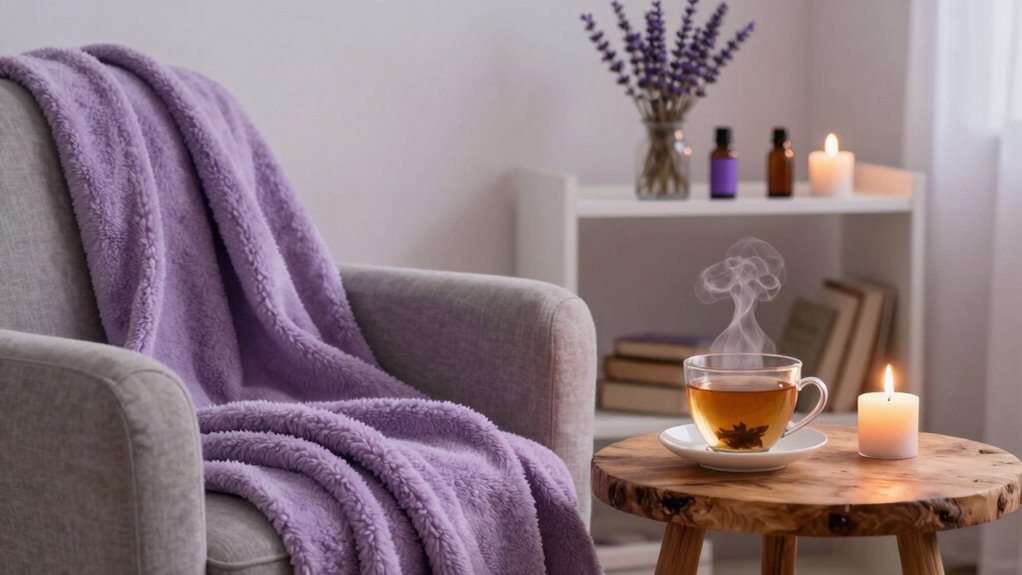
Even on busy nights, maintaining your relaxation routine is possible with a few simple strategies. Consistency tips focus on making habit formation effortless, so your nightly wind-down becomes automatic. First, set a fixed time each evening, even if it’s just 10 minutes. Second, prepare your space ahead of time—dim the lights and gather your tools—so the routine is easy to start. Third, track your progress with a habit calendar or app, reinforcing your commitment. These small steps help embed your relaxation practice into your nightly schedule, making it easier to stick with even on hectic nights. Remember, consistency is key, and over time, your routine will become a natural part of your evening, calming your nervous system effortlessly.
Frequently Asked Questions
Can This Routine Help With Insomnia or Just General Relaxation?
Yes, this routine can help with both insomnia and general relaxation. By focusing on stress reduction and calming your nervous system, it promotes better sleep enhancement. Regularly practicing these calming activities helps you unwind, making it easier to fall asleep and stay asleep. Plus, it reduces daytime stress, improving your overall well-being. So, incorporating this routine into your evening can markedly improve your sleep quality and relaxation.
Is It Necessary to Do All Five Components Every Night?
Don’t put all your eggs in one basket; routine consistency matters, but component flexibility is key. You don’t need to do all five every night—focus on what helps you relax most. Some nights, skip a step if you’re short on time, and other nights, do them all. Listen to your body and adapt the routine to fit your needs, making relaxation sustainable and effective.
How Quickly Can I Expect to See Improvements in My Sleep Quality?
You can typically notice sleep improvement within a week of consistent routine practice. Your relaxation timeline varies based on your current stress levels and sleep habits, but regular engagement helps your nervous system relax faster over time. Keep in mind, patience is key—most people see steady progress in sleep quality after a few nights, with more significant benefits developing after two to three weeks of dedicated effort.
Are There Any Age Restrictions for This Relaxation Routine?
Like a gentle tide, this routine suits most ages, but consider age considerations and suitability concerns. It’s generally safe for adults and seniors, yet young children or those with specific health conditions should consult a healthcare provider first. If you’re mindful of your physical limits and adapt the exercises, you can enjoy its calming benefits regardless of age. Always listen to your body, just as a sailor reads the wind.
What Should I Do if I Find It Hard to Relax Despite the Routine?
If you find it hard to relax despite the routine, try incorporating mindfulness techniques and breathing exercises. Focus on your breath, taking slow, deep inhales and exhales to calm your nervous system. Practice mindfulness by paying attention to your surroundings or sensations without judgment. Consistent effort will help, so be patient and gentle with yourself. Over time, these techniques can make relaxation easier and more natural.
Conclusion
Imagine your evening routine as a gentle river guiding you to restful sleep. Just like consistent streams carve smooth paths, sticking to your 10-minute routine calms your nervous system, making bedtime a peaceful journey. Even on busy nights, these small, mindful acts create a ripple effect of calm that transforms your nights. Commit to this simple ritual—you’ll find that tranquility flows effortlessly, helping you wake refreshed and ready for a new day.