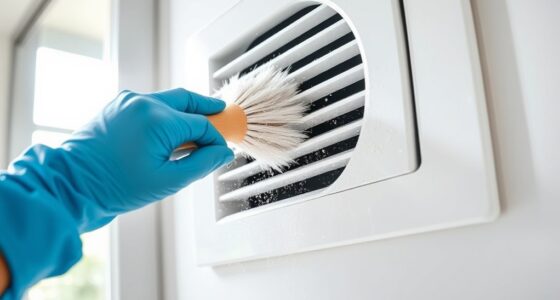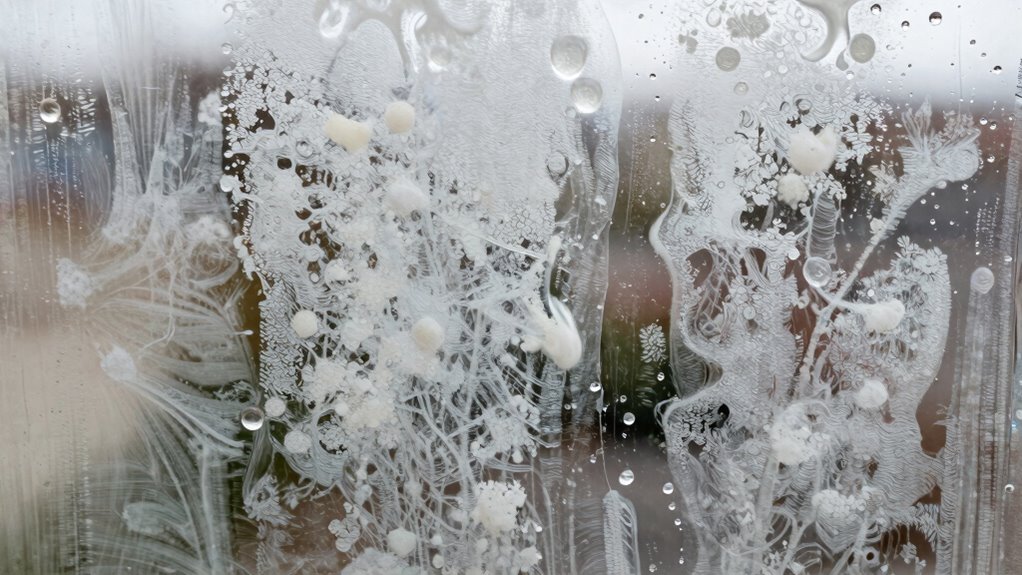

If your cleaning efforts leave behind white spots, streaks, or stubborn soap scum, hard water could be the culprit. Mineral deposits like calcium and magnesium build up on surfaces, appliances, and fixtures, reducing cleaning effectiveness and causing dullness. You might notice decreased water pressure or cloudy glassware. Recognizing these signs helps you understand if hard water is ruining your cleaning. Keep going to discover simple ways to identify and fix the problem before it causes more damage.

Get furniture and decor delivered free — and shop member deals
- Fast, free delivery on millions of items
- Access to Prime Big Deal Days deals on October 6–7
- Prime Video, Amazon Music and more included
Key Takeaways
- Look for white spots or chalky residue on fixtures and glassware after cleaning.
- Notice persistent water spots and streaks that resist regular washing.
- Observe reduced water pressure and mineral deposits around faucets and drains.
- Check for soap scum that doesn’t rinse away easily, indicating mineral interference.
- Perform a vinegar test: fizzing or bubbling suggests calcium/magnesium deposits from hard water.
As an affiliate, we earn on qualifying purchases.
What Is Hard Water and How Does It Affect Cleaning?
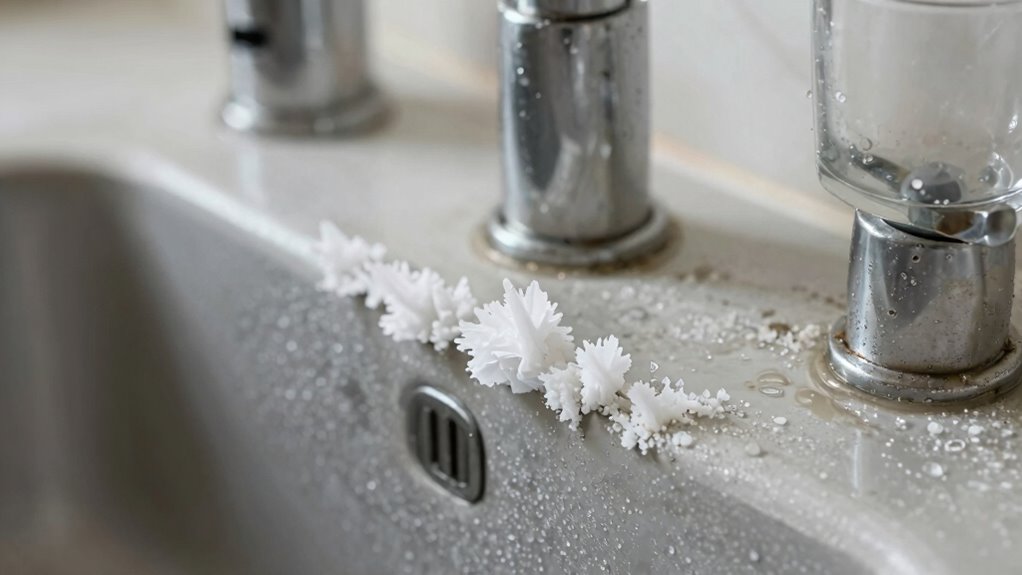
Hard water contains high levels of minerals like calcium and magnesium, which can interfere with cleaning processes. These minerals form mineral deposits on surfaces, appliances, and fixtures, making them look dull and dirty. When you wash dishes or do laundry, hard water reduces soap’s effectiveness, leading to soap scum and residue. Water softening helps remove or neutralize these minerals, making water gentler on your belongings. Without softening, mineral deposits build up over time, clogging pipes and shortening appliance lifespan. You might notice soap doesn’t lather well or surfaces feel scummy despite cleaning. Understanding how hard water impacts cleaning emphasizes the need for water softening solutions to keep your home spotless and appliances running smoothly. Water mineral buildup can also cause long-term damage to plumbing systems if not addressed, underscoring the importance of proper water treatment for maintaining cleaning efficiency. Additionally, mineral deposits can affect the performance of cleaning appliances, leading to decreased effectiveness and increased energy consumption.
How Can You Tell If Your Water Is Hard?

If you notice mineral buildup on fixtures or streaks on glass, your water might be hard. When soap doesn’t lather well or leaves residue, it’s another sign. These clues can help you determine if minerals are affecting your water quality. Additionally, auditory processing issues can sometimes be mistaken for water quality problems if the environment is noisy or disruptive. To better understand your water’s composition, consider testing for hard water levels or consulting a water specialist. Proper tent camping gear and techniques can also help mitigate issues caused by hard water, especially when camping in areas with mineral-rich sources. Understanding water testing methods can further assist in identifying hard water issues accurately and ensuring your water quality remains safe for use.
Mineral Buildup on Surfaces
Mineral buildup on surfaces is a clear sign that your water may be hard. You might notice white or chalky spots forming on sinks, tubs, or showerheads. This results from calcium deposits and mineral accumulation, which occur when hard water evaporates, leaving minerals behind. To spot these signs:
- White streaks or spots on glassware and fixtures
- Residue that’s difficult to remove with regular cleaning
- A film or haze on shower doors or tiles
- Mineral deposits around faucets and drains
Additionally, the presence of scale buildup on appliances like water heaters and coffee makers is a strong indicator of hard water. These signs indicate mineral buildup caused by hard water. Over time, calcium deposits can clog pipes and damage appliances, making it essential to recognize these early warning signs. Keep an eye out for this buildup to prevent long-term plumbing issues, as mineral deposits can accelerate the deterioration of plumbing components. Be aware that hard water effects can also reduce the efficiency of cleaning products and increase soap scum formation, further complicating household maintenance. Recognizing these signs early can save money and prevent costly repairs caused by mineral accumulation.
Soap and Detergent Efficiency
You can often tell your water is hard by how well soap and detergent work during cleaning. If you notice soap scum forming quickly on your tubs, sinks, or shower doors, it’s a clear sign. Hard water reduces detergent effectiveness, making it harder to get surfaces truly clean. Instead of foaming and rinsing away easily, soap may leave a filmy residue, requiring extra scrubbing. You might also need to use more detergent than usual to achieve the same cleaning results. This inefficiency not only wastes products but also indicates the presence of minerals that interfere with soap’s ability to lather properly. Recognizing the impact of mineral buildup on cleaning efficiency can help you address the issue more effectively. Being aware of water hardness levels can guide you toward suitable water treatment solutions that improve cleaning performance.
Water Spotting and Streaks
Hard water leaves visible signs after cleaning, particularly in the form of water spots and streaks on glass, mirrors, and shiny fixtures. These are clear indicators of hard water’s water mineral content causing streak formation. To tell if your water is hard, look for:
- Persistent spots on cleaned surfaces despite wiping
- Cloudy streaks that reappear quickly
- Mineral deposits around faucets and showerheads
- Difficulty achieving a streak-free shine on glass or mirrors
- The presence of nail styles that require smooth, flawless surfaces, which can be hindered by mineral buildup. Recognizing water quality issues early can help prevent long-term damage and make cleaning easier. These signs happen because mineral-rich water evaporates, leaving behind deposits that cause streak formation. The more water spots and streaks you notice, the higher the likelihood your water contains significant minerals, signaling hard water issues that need addressing. Being aware of water hardness can help you choose appropriate treatment methods and improve your cleaning results. Additionally, understanding the effects of mineral buildup can help you take steps to protect your fixtures and surfaces over time.
Simple Ways to Test for Hard Water at Home

You can quickly check for hard water with simple tests you can do at home. Try the soap lather test—if soap doesn’t foam easily, your water might be hard. You can also look for water spots or use vinegar to see if it reacts, giving you clues about your water’s hardness. Additionally, knowing your water’s net worth can help you understand your water quality and its effects on household cleaning routines. Monitoring your water mineral levels can provide further insights into how hard your water is and guide appropriate cleaning adjustments. Conducting a water chemistry analysis with simple testing kits can also give you a clearer picture of mineral concentrations in your water.
Soap Lather Test
To perform a simple soap lather test at home, start by filling a clear bottle or jar with about half a cup of water and adding a few drops of liquid soap or dishwashing detergent. Shake the bottle gently to mix. Observe the results:
- A rich, thick soap lather indicates soft water with good water softening properties.
- Thin, easily broken foam suggests hard water, which resists creating a proper soap lather.
- If bubbles disappear quickly, it’s a sign that minerals in the water hinder soap’s ability to form lasting lather.
- Consistently poor soap lather points to hard water, meaning minerals are likely interfering with your cleaning efforts.
- Understanding water hardness can help you determine the best cleaning strategies and whether water treatment may be necessary. Knowing how minerals in water affect soap performance can guide you in choosing appropriate cleaning products or water softening solutions. Additionally, being aware of water composition can help you better address residual mineral buildup that may affect appliances and fixtures.
This quick test helps you identify if mineral buildup is affecting your soap’s performance, saving you time and effort.
Water Spot Formation
Water spots are a common sign of hard water, and spotting can be easily tested at home by observing how water dries on surfaces. When water evaporates, mineral deposits from hard water leave behind spots, indicating a lack of effective water softening. To test, simply spray a small area with water and let it dry naturally. If you notice white or cloudy spots remaining, hard water is likely present. Here’s a quick reference:
| Test Method | What It Reveals |
|---|---|
| Water Drying Test | Mineral deposits stay behind, indicating hard water. |
| Spot Visibility | Persistent spots after drying suggest mineral buildup. |
Vinegar Test Results
A simple and effective way to confirm hard water presence involves using vinegar, a natural mineral dissolver. When you apply vinegar to areas affected by mineral deposits, you can observe the reaction to determine if mineral buildup is due to hard water. Here’s how to interpret your results:
- If vinegar causes fizzing or bubbling, it indicates calcium or magnesium deposits, confirming hard water.
- No reaction suggests softer water or minimal mineral buildup.
- Test a small area first to avoid damage to surfaces.
- Persistent mineral deposits after water softening efforts suggest the need for additional treatment or filter installation.
This vinegar test helps you quickly identify hard water, saving you time and effort in your cleaning routine.
Signs That Hard Water Is Causing Problems in Your Home

Hard water often reveals its presence through noticeable signs around your home. You may notice mineral deposits, like white or grayish stains on faucets, showerheads, and tiles, which indicate mineral buildup from hard water. Soap scum that doesn’t rinse away easily is another sign that your water needs softening. You might also experience decreased water pressure due to blocked pipes filled with mineral deposits. Clothing and linens may feel rough and stiff after washing, and your skin could feel dry or irritated. These signs suggest that hard water is impacting your home’s plumbing and appliances. Recognizing these issues early can help you decide whether water softening solutions are necessary to prevent further damage and restore your home’s water quality.
Where Does Hard Water Leave Residue and Buildup?
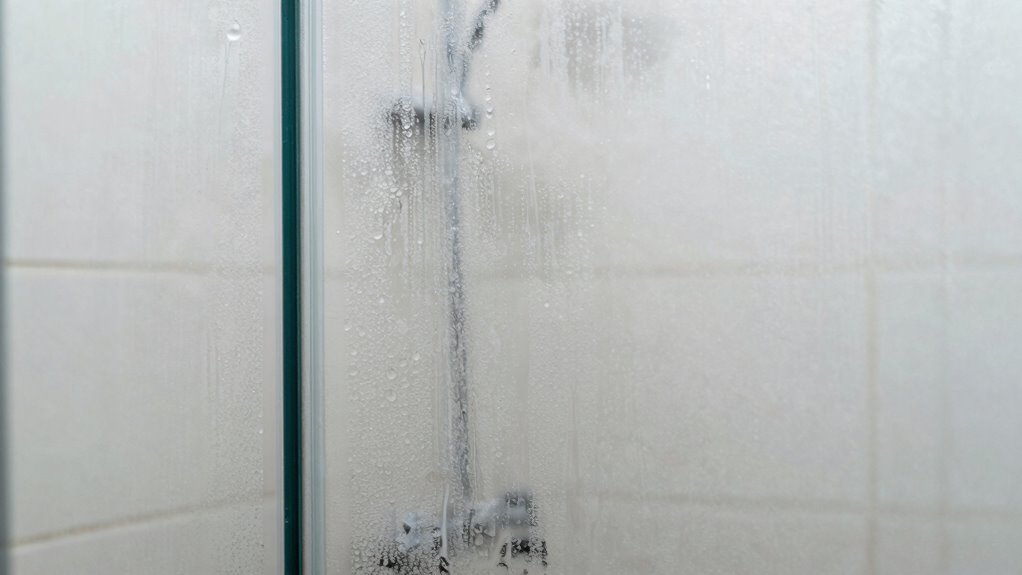
You’ll notice that mineral buildup from hard water tends to leave residue on surfaces that regularly come into contact with it. This scale formation occurs when mineral deposits, mainly calcium and magnesium, accumulate over time. These deposits can be especially stubborn on certain areas.
- Faucets and showerheads often develop crusty mineral deposits, reducing water flow.
- Bathtubs and sinks may show white or cloudy spots from persistent mineral residue.
- Appliances like dishwashers or washing machines can accumulate scale inside their components.
- Glass surfaces, such as mirrors or windows, may look cloudy or streaked due to mineral buildup.
These residues are signs of ongoing scale formation, which can damage surfaces and reduce efficiency if not addressed promptly.
How Hard Water Dulls Glassware and Damages Appliances

Hard water can make your glassware look cloudy and leave stubborn spots that are hard to remove. Over time, mineral buildup from hard water can also damage your appliances, causing inefficiency and potential breakdowns. Understanding these effects helps you protect your belongings and keep them looking their best.
Glassware Clouding and Spotting
When hard water flows through your household appliances and onto your glassware, minerals like calcium and magnesium leave behind a residue that causes cloudiness and unsightly spots. This mineral buildup leads to glass corrosion, dulling the clarity and creating stubborn spots. Over time, mineral deposits can etch the glass surface, making it look milky and worn. To minimize damage, consider these tips:
- Regularly clean glassware with vinegar to dissolve mineral deposits.
- Use a water softener to reduce mineral content.
- Avoid air-drying glass; instead, wipe with a soft cloth.
- Avoid stacking glasses tightly to prevent scratches and spots.
Taking these steps helps preserve your glassware’s shine and prevents long-term damage caused by hard water.
Appliance Mineral Buildup
Mineral buildup from hard water doesn’t just affect your glassware; it also takes a toll on your household appliances. Appliance mineral buildup occurs when hard water deposits accumulate inside your dishwasher, washing machine, or coffee maker. Over time, these hard water deposits can clog filters, reduce efficiency, and cause parts to wear out faster. You might notice your appliances taking longer to clean or heating less effectively. Regularly descaling and using water-softening solutions can help prevent this buildup. Ignoring appliance mineral buildup can lead to costly repairs or replacements down the line. To keep your appliances running smoothly, stay vigilant for signs of hard water damage and take proactive steps to minimize hard water deposits. Your appliances will thank you with longer lifespans and better performance.
Hard Water vs. Soft Water: Why It Matters
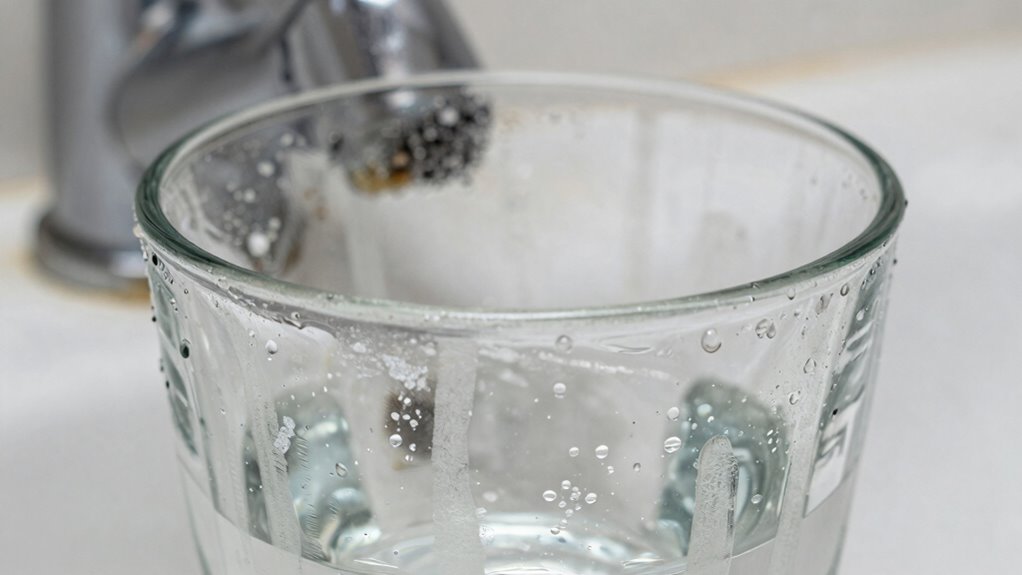
Understanding the difference between hard and soft water is essential because it directly impacts your daily life and home maintenance. Hard water contains high mineral deposits like calcium and magnesium, which can clog pipes and reduce water filtration efficiency. Soft water, on the other hand, has fewer minerals, making it gentler on your appliances. Recognizing this difference helps you choose the right cleaning products and water treatment methods. Here’s why it matters:
- Hard water causes mineral buildup that can damage appliances.
- Soft water enhances soap and detergent effectiveness.
- Water filtration systems work better with soft water, reducing mineral deposits.
- Soft water helps prevent scale buildup in pipes and fixtures.
Knowing whether you have hard or soft water allows you to take appropriate steps to protect your home and improve cleaning results.
How Hard Water Affects Laundry and Clothing
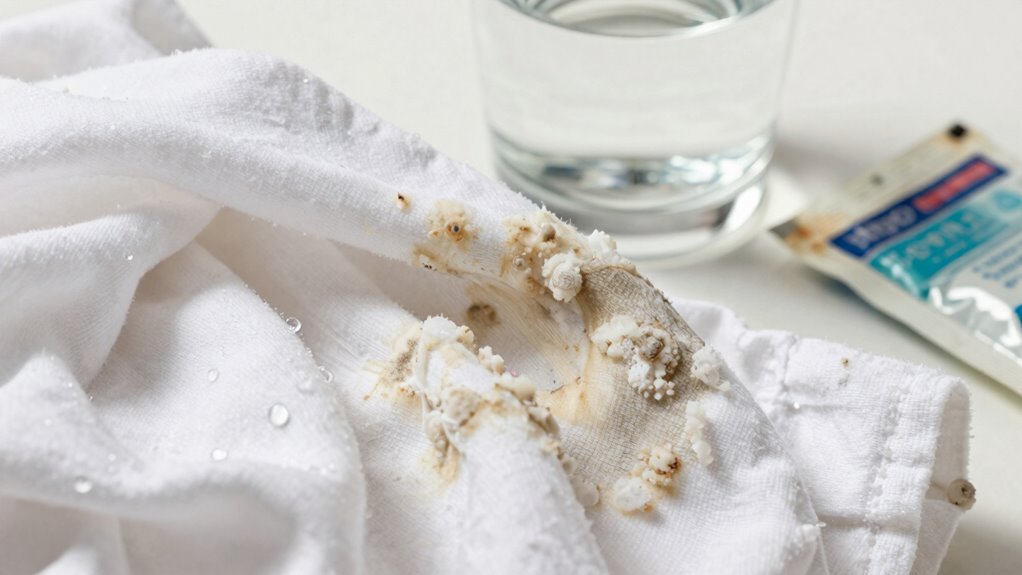
Hard water can considerably impact your laundry and clothing by making fabrics feel stiff, dull, and rough over time. When you use standard laundry detergents, they often struggle to dissolve completely in hard water, reducing their effectiveness. This means you might need more detergent to get your clothes clean, which can leave behind mineral deposits. These deposits settle into fibers, causing them to lose their natural softness and become scratchy. Over time, your clothes may look dull and feel uncomfortable against your skin. Hard water also promotes mineral buildup on fabrics, making laundry less fresh and more prone to static. To maintain fabric softness and ensure your laundry stays vibrant, you may need to contemplate water softening solutions or specialized detergents designed to combat mineral deposits.
Tips to Prevent Hard Water Buildup in Your Shower and Fixtures

If you want to keep your shower and fixtures in top condition, taking steps to prevent hard water buildup is key. Start by installing a water softening system or mineral filtration device to reduce mineral deposits. Regularly clean your showerheads and fixtures to prevent mineral buildup from hard water. Use a squeegee or towel after each shower to wipe down surfaces, minimizing water spots. Consider applying a protective coating or sealant to fixtures to resist mineral deposits. Additionally, check and replace filters or softeners as recommended to maintain effectiveness. These simple measures will help you prevent hard water buildup, extend the lifespan of your fixtures, and keep your bathroom looking fresh and clean.
Best Solutions to Deal With Hard Water Problems

When hard water causes mineral buildup and damages your fixtures, finding effective solutions becomes essential. Water softening is one of the best options, as it reduces mineral content by exchanging calcium and magnesium ions with sodium or potassium. Installing a water softener system can prevent scale buildup and extend the lifespan of appliances and fixtures. Filtration systems are also effective, especially those designed to remove minerals and other impurities from your water. Reverse osmosis filters or whole-house filtration units can improve water quality and protect your plumbing. Combining water softening with filtration offers thorough protection against hard water problems. Regular maintenance of these systems ensures they work efficiently, saving you money and hassle in the long run. Choose the right solution based on your water quality and household needs.
Frequently Asked Questions
Can Hard Water Cause Health Issues Besides Cleaning Problems?
Hard water can impact your health beyond cleaning issues due to water mineralization. High mineral content, like calcium and magnesium, might cause skin dryness or irritation, especially for sensitive individuals. In some cases, it could even affect your hair or exacerbate conditions like eczema. While generally safe to drink, prolonged exposure to mineral-rich water may have subtle health implications, so it’s worth considering water treatment options to minimize these risks.
Are There Natural Remedies to Soften Hard Water?
Yes, you can use natural remedies to soften hard water and reduce mineral buildup. Adding vinegar or lemon juice to your washing or cleaning solutions helps break down mineral deposits naturally. Installing a DIY water softening system with salt or using baking soda can also help. These remedies are eco-friendly and cost-effective, making them great options for tackling mineral buildup without harsh chemicals.
How Often Should I Test My Water for Hardness?
You should test your water for hardness at least once a year to stay on top of hard water detection. Regular water testing helps you identify mineral buildup early, preventing damage to appliances and surfaces. If you notice soap scum or scale, it’s a sign to test more frequently. Consistent testing guarantees you’re aware of your water’s hardness level, so you can take steps to soften it if needed.
Does Hard Water Affect Plumbing Lifespan?
Yes, hard water can considerably reduce your plumbing lifespan. The mineral buildup from calcium and magnesium causes plumbing corrosion over time, leading to leaks and pipe damage. As minerals accumulate inside pipes, they restrict water flow and weaken the material. Regularly testing water for hardness and installing a water softener can help prevent this damage, ensuring your plumbing stays in good shape longer.
Can Water Softening Systems Be Environmentally Friendly?
Yes, water softening systems can be eco-friendly solutions. Look for models that use minimal salt or salt-free technology, which helps conserve water and reduces environmental impact. By choosing energy-efficient systems, you support water conservation and lower your carbon footprint. These eco-friendly options not only soften your water effectively but also promote sustainability, making them a smart choice for environmentally conscious households.
Conclusion
If you notice stubborn spots and dullness creeping into your daily routines, hard water might be quietly leaving its mark. Think of it as a lingering shadow, softly dimming your home’s sparkle. By staying vigilant and using simple fixes, you can restore your space’s natural shine. With a little effort, you’ll turn back the clock, letting your home’s true brilliance shine through, like a radiant sunrise after a cloudy morning.
Halloween Picks
halloween
As an affiliate, we earn on qualifying purchases.