
To stay safe during winter, you should inspect and service your heating system annually, keep space heaters away from flammable items, and never leave them unattended. Check electrical cords for damage, avoid overloading outlets, and install smoke and carbon monoxide detectors on every home level. Insulate pipes, keep water flowing in freezing weather, and make certain your home is well insulated. Prepare an emergency kit and develop a plan for power outages—continue further for detailed tips.

Get furniture and decor delivered free with Prime
- Fast, free delivery on millions of items
- Prime Video, Amazon Music and more included
- Member-only deals all year
Key Takeaways
- Regularly inspect and maintain heating systems, chimneys, and space heaters to prevent fire hazards.
- Test smoke and carbon monoxide detectors monthly; replace batteries annually.
- Insulate exposed pipes and keep a trickle of water to prevent freezing and bursting.
- Check electrical cords, outlets, and avoid overloading circuits; use outlet covers if needed.
- Prepare an emergency kit and have a plan for power outages and winter emergencies.
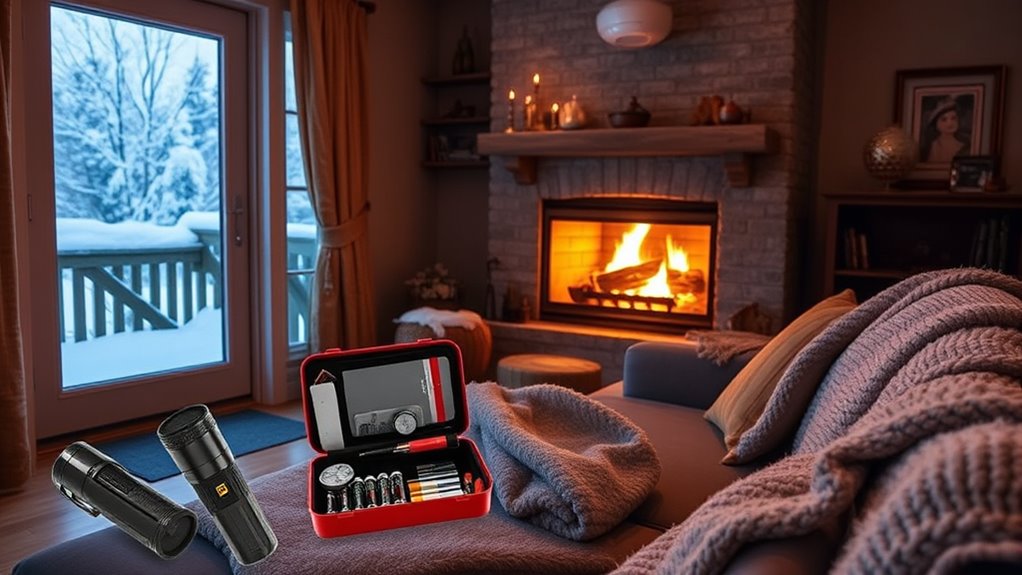
As winter approaches, it’s essential to make certain your home is safe and prepared for the colder months. One of the best ways to do this is by following a thorough winter home safety checklist. Taking the time now to review and implement safety measures can prevent emergencies and protect your loved ones. A key aspect of this is preventing winter fires, which can quickly turn a cozy home into a dangerous hazard.
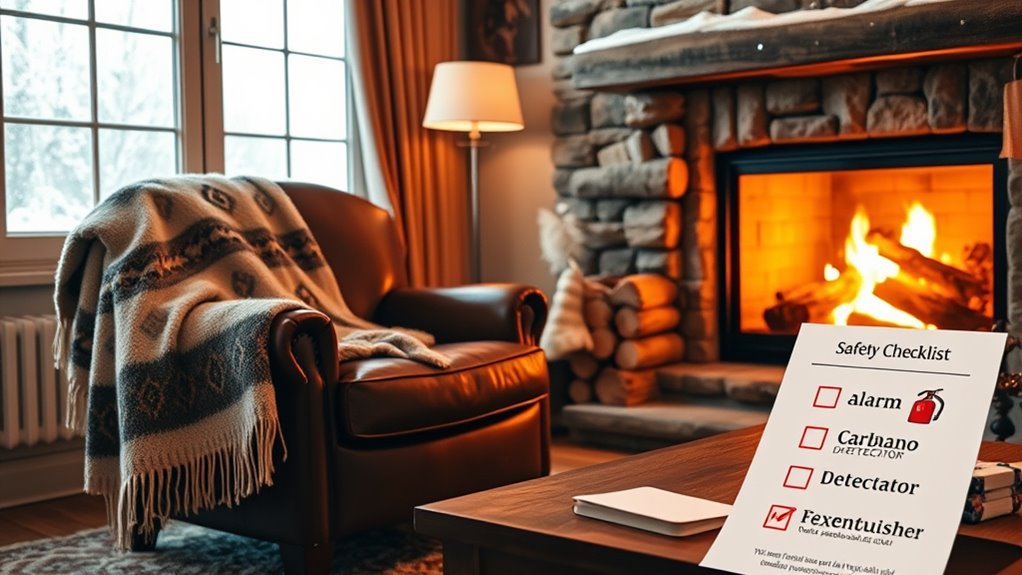
Start by inspecting your heating systems. Make sure your furnace is serviced annually, and replace filters if needed. Clear any debris from around space heaters, and keep them at least three feet away from furniture, curtains, and other flammable materials. Never leave space heaters unattended, and turn them off when you leave the room or go to sleep. If you use a fireplace, ensure the chimney is cleaned and inspected to prevent creosote buildup, which is a common cause of house fires during winter. Keep a fire extinguisher nearby and make sure everyone in your household knows how to use it.
Inspect and service your furnace annually; keep space heaters clear and at safe distances, and ensure fireplace chimney is clean.
Electrical safety is equally important. Check all cords and outlets for damage, and avoid overloading circuits, especially when using additional extension cords during the colder months. Use outlet covers if you have children or pets. Installing smoke and carbon monoxide detectors on every level of your home, especially near sleeping areas, is crucial. Test these devices monthly and replace batteries as needed. Carbon monoxide leaks can be deadly, especially when using gas heaters or generators indoors or in poorly ventilated spaces.
Another essential step is to prevent winter-related pipe issues. Insulate exposed pipes and install heating tape where necessary. Keep a trickle of water running through faucets during extremely cold weather to prevent pipes from freezing and bursting. Additionally, ensure your home’s insulation is sufficient, sealing leaks around windows and doors to keep warm air in and cold air out. Proper insulation not only keeps your home warmer but also reduces the risk of frozen pipes, which can cause extensive water damage.
Finally, prepare an emergency kit with essentials like water, non-perishable food, flashlights, batteries, and warm blankets. Keep your mobile devices charged and have a plan for power outages. By following this winter home safety checklist, especially focusing on preventing winter fires, you create a safer environment for yourself and your family. Preparation now can save you from costly repairs, injuries, or worse, during the unpredictable winter months.
As an affiliate, we earn on qualifying purchases.
Frequently Asked Questions
How Often Should I Check My Heating System During Winter?
You should check your heating system at least once a month during winter to guarantee it’s working efficiently. Regular heating maintenance helps catch potential issues early, preventing breakdowns. Also, verify your thermostat settings to keep your home comfortable and energy-efficient. If you notice any strange noises or uneven heating, schedule a professional inspection sooner. Consistent checks keep your system running smoothly and keep you cozy all season long.
What Indoor Plants Are Safe During Winter Cold?
Think of your indoor plants as winter guests—some are hearty and safe, while others need extra care. During winter, opt for non-toxic varieties like snake plants, pothos, or spider plants, which are safe even if little ones or pets nibble. To guarantee healthy winter plant care, keep them away from cold drafts and reduce watering. These steps protect your home’s green companions from indoor plant toxicity risks during cold months.
How Can I Prevent Frozen Pipes Effectively?
You can prevent frozen pipes by insulating them with pipe insulation, especially in unheated areas. Keep your home’s temperature consistent, and let faucets drip slightly during extremely cold weather to relieve pressure and prevent freezing. Additionally, open cabinet doors to allow warm air to circulate around pipes. These measures work together to keep your pipes warm, reducing the risk of costly water damage from burst pipes.
Are There Specific Safety Tips for Winter Outdoor Activities?
When enjoying outdoor winter activities, always wear proper winter clothing like layered insulation and waterproof gear to stay warm and dry. Guarantee your outdoor lighting is sufficient to illuminate paths and prevent falls. Keep a fully charged phone and emergency kit nearby. Be cautious of icy surfaces and avoid risky areas. Staying prepared like this helps you enjoy winter activities safely while protecting yourself from potential hazards.
What Emergency Supplies Should I Keep for Winter Power Outages?
Think of your emergency supplies as your winter lifeline. You should keep a well-maintained generator, ensuring it’s ready to roar to life when needed. Stock an emergency kit with essentials like batteries, flashlights, blankets, non-perishable food, water, and a first-aid kit. Don’t forget to include warm clothing and a portable phone charger. These supplies will help you weather the storm safely and stay connected when the power’s out.
Conclusion
By taking these simple steps, you create a cozy haven that welcomes you with warmth and peace. A little extra care now can gently smooth out any winter worries, letting you focus on enjoying the season’s beauty. Embrace these precautions as a loving hug for your home, ensuring it stays safe and snug all winter long. After all, a little preparation turns the coldest days into the most comforting moments.
Fall Picks
fall essentials
As an affiliate, we earn on qualifying purchases.