

GFCI outlets are vital in areas where water and electricity might meet, such as kitchens, bathrooms, laundry rooms, and outdoor spaces. They protect you from electrical shocks and reduce fire risks by instantly shutting off power when they detect ground faults. Installing these outlets in moisture-prone areas can save lives and prevent damage. Want to understand more about where and why GFCIs are essential? Keep exploring to learn even more.
Key Takeaways
- GFCI outlets protect against ground faults and electrical shocks by shutting off power rapidly when leaks are detected.
- They are essential in moisture-prone areas like kitchens, bathrooms, laundry rooms, and outdoor spaces.
- Installing GFCIs reduces the risk of electrical fires caused by ground faults or damaged wiring.
- GFCIs are often required by electrical codes in high-risk, damp, or wet environments for safety compliance.
- They provide critical safety in areas where water and electricity contact, safeguarding people and appliances from harm.
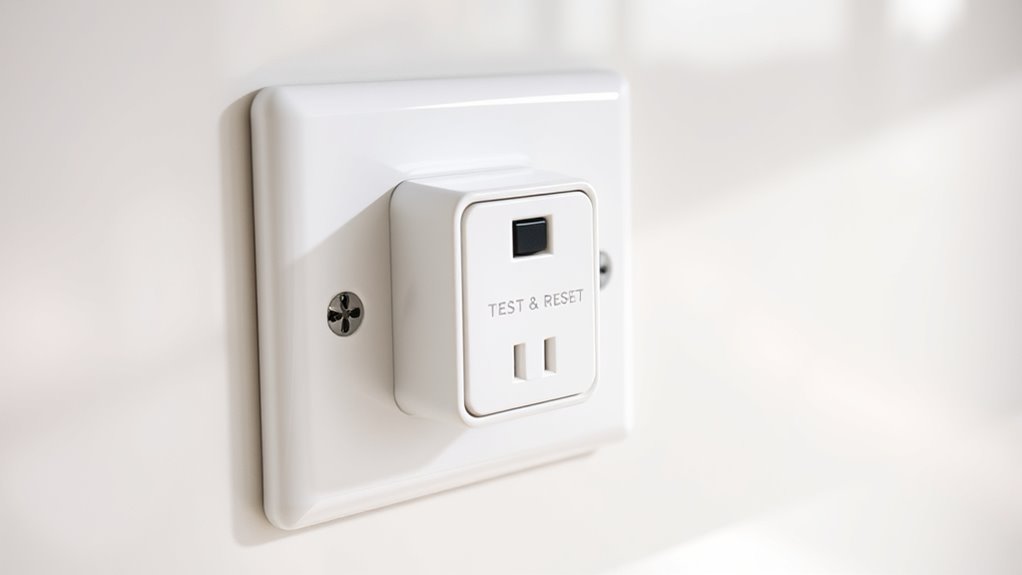
Have you ever wondered how to prevent electrical shocks in your home? One of the most effective solutions is installing GFCI outlets. These outlets are designed to protect you from ground faults, which occur when electricity finds an unintended path to the ground. A ground fault can happen if a wire becomes damaged or if you accidentally come into contact with a live wire while using appliances or plumbing fixtures. Without proper safety measures, this can result in dangerous electrical shocks. That’s where GFCI outlets come in, ensuring your electrical safety by detecting these faults almost instantly and shutting off power before harm can occur.
GFCI outlets are essential in areas where moisture is present, such as kitchens, bathrooms, laundry rooms, and outdoor spaces. These locations are more prone to ground faults because water and electricity don’t mix well. If an appliance or tool comes into contact with water, it increases the risk of a ground fault, which could lead to a shock. Installing GFCI outlets in these areas provides a critical layer of protection. They continuously monitor the flow of electricity and trip the circuit if they detect any imbalance between the hot and neutral wires, which indicates that current is leaking somewhere it shouldn’t be. This rapid response helps prevent electrical shocks and reduces the risk of electrical fires caused by faults.
You might be wondering why GFCIs are such a smart choice for electrical safety. Unlike standard outlets, GFCI outlets are equipped with a sensing mechanism that can detect even small leaks of current—just a few milliamps. When this happens, the GFCI trips and cuts off power in as little as 1/40th of a second. This quick action can save lives and prevent serious injuries. Installing GFCI outlets is straightforward, and they are often required by electrical codes in safe design practices. They can be installed in place of standard outlets or integrated into circuit breakers for broader protection.
In addition to protecting you from ground faults, GFCI outlets help prevent damage to appliances and reduce the risk of electrical fires. They provide peace of mind by offering a reliable safeguard against unexpected electrical issues. If you’re planning a home upgrade or remodeling, especially in moisture-prone areas, it’s wise to prioritize GFCI outlets. Protecting yourself and your loved ones from electrical hazards is both simple and essential, and these outlets are a vital part of maintaining a safe, secure home environment. Understanding electrical safety is key to safeguarding your home and loved ones.

ELECTECK 5 Pack GFCI Outlets 15 Amp, Non-Tamper Resistant, Decor GFI Receptacles with LED Indicator, Ground Fault Circuit Interrupter, Wallplate Included, ETL Listed, White
15 amp Non-Tamper Resistant Ground Fault Circuit Interrupter (GFCI) outlet receptacle for indoor use. Please kindly check if…
As an affiliate, we earn on qualifying purchases.
As an affiliate, we earn on qualifying purchases.
Frequently Asked Questions
Are GFCI Outlets Necessary Outdoors or in Damp Areas?
Yes, you definitely need GFCI outlets outdoors and in damp areas. They provide essential outdoor safety and damp area protection by quickly shutting off electricity if they detect a ground fault. This helps prevent shocks and electrical hazards, especially in environments exposed to moisture or water. Installing GFCI outlets in these locations is a smart safety step, giving you peace of mind and reducing the risk of electrical accidents.
How Often Should GFCI Outlets Be Tested or Replaced?
Think of your GFCI outlet as a vigilant guardian watching over your safety. You should test it monthly, like checking the heartbeat of a trusted protector. If it fails to trip or shows signs of damage, replace it immediately, following replacement guidelines to guarantee ongoing protection. Regular testing keeps your home’s safety system strong, giving you peace of mind like a shield ready to block harm whenever needed.
Can GFCI Outlets Protect Against All Electrical Faults?
GFCI outlets can’t safeguard against all electrical faults, especially some ground fault scenarios that involve wiring issues or equipment faults outside their detection range. They mainly provide circuit protection by quickly shutting off power when they sense a ground fault, preventing electric shocks. However, for complete safety, you should also ensure proper wiring, regular testing, and possibly additional circuit protection devices.
Are GFCI Outlets Compatible With Older Home Wiring Systems?
Yes, GFCI outlets can be compatible with older home wiring systems, but you might need to make some adjustments. Many older homes lack a ground wire, which can affect outlet compatibility. In such cases, you can install a GFCI without a ground wire, but it won’t provide ground fault protection. Always check your wiring and follow local electrical codes to guarantee proper installation and safety.
Do GFCI Outlets Require Professional Installation?
You can do a DIY installation of GFCI outlets if you’re comfortable with basic electrical work, but it’s wise to take into account cost considerations. Hiring a professional might cost more upfront but ensures safety and proper wiring, especially in tricky areas. If you’re inexperienced, professional installation reduces the risk of errors and potential hazards, making it a safer choice in the long run. Always turn off power before starting any electrical project.

Leviton GFCI Weather-Resistant Outlet, 15 Amp, Self Test, Tamper-Resistant with LED Indicator Light, Outdoor Locations, GFWT1-W, White
Designed to improve immunity for reduced High Frequency (HF) nuisance tripping. providing increased compatibility with appliances and other…
As an affiliate, we earn on qualifying purchases.
As an affiliate, we earn on qualifying purchases.
Conclusion
Now that you know where and why GFCI outlets matter, you’re ready to protect your space effectively. By installing these safety-savvy sockets in the right places, you prevent potential problems and promote peace of mind. Remember, safeguarding your space starts with smart, simple solutions. So, take charge, make the change, and guarantee your home is a safe, secure sanctuary where sparks and shocks stay out of sight. Safety starts with you—so act today!
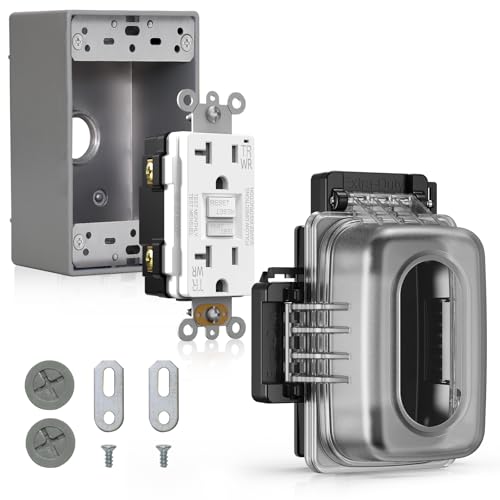
ELEGRP Outdoor GFCI Outlet with in Use Cover and Box Kit, 1 Gang, 20 Amp TRWR Self-Test GFI Receptacle, Extra Duty Metallic Electrical Outlet Box, Lockable in Use Cover, UL Listed, White, 1 Pack
✅【All-in-One Outdoor Safety Solution】 This comprehensive set includes a durable metal junction box, a self-testing GFCI outlet, and…
As an affiliate, we earn on qualifying purchases.
As an affiliate, we earn on qualifying purchases.
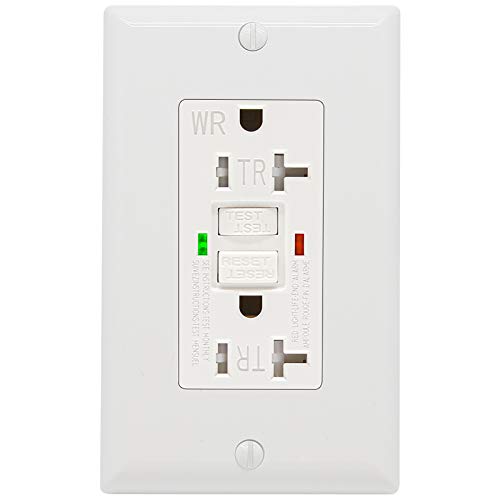
ANKO GFCI Outlet 20 Amp, UL Listed, LED Indicator, Tamper-Resistant, Weather Resistant Receptacle Indoor or Outdoor Use with Decor Wall Plates and Screws
GFCI Outlet – Constructed with premium high-impact resistant thermoplastic materials and rational structure design, ensures superior strength and…
As an affiliate, we earn on qualifying purchases.
As an affiliate, we earn on qualifying purchases.