If your toilet keeps running, start by inspecting the flapper for cracks or leaks and replace it if needed. Turn off the water supply and check the fill valve and float, adjusting or replacing them to stop overflows. Make sure the chain connects properly with slight slack for an effective seal. Fixing these issues can save water and money—stick around to learn more tips for a quick, lasting fix.

Get furniture and decor delivered free with Prime
- Fast, free delivery on millions of items
- Prime Video, Amazon Music and more included
- Member-only deals all year
Key Takeaways
- Turn off the water supply and drain the tank before inspecting or replacing components.
- Check and replace a worn or damaged flapper to ensure a proper seal and stop water leakage.
- Adjust or replace the fill valve and float to maintain the correct water level and prevent overfilling.
- Ensure the chain connecting the flush handle and flapper has proper slack for effective sealing.
- Consider upgrading to low-flow or dual-flush toilets to conserve water and reduce utility costs.
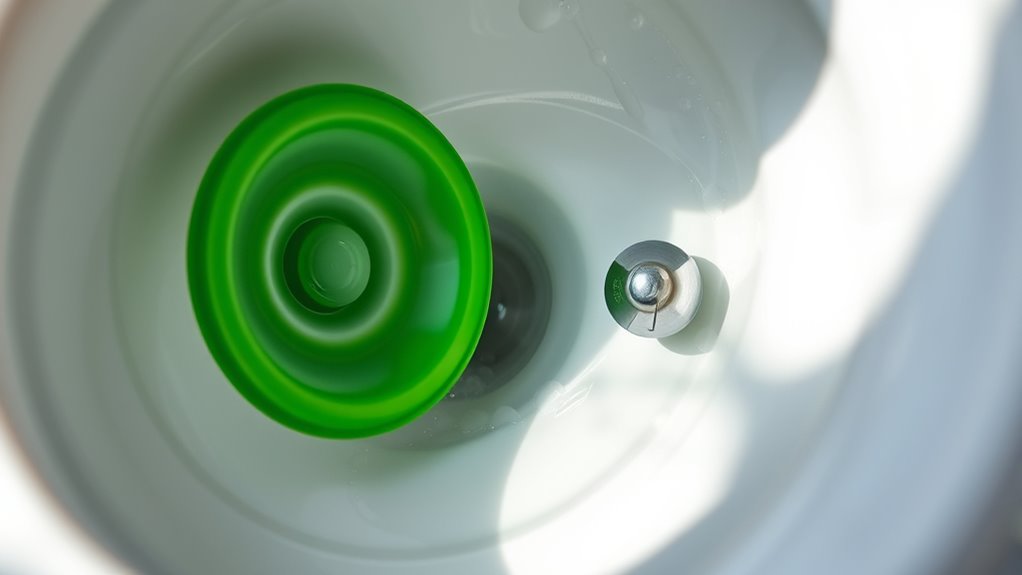
A running toilet can waste hundreds of gallons of water each day and increase your utility bill, but fixing it is often simpler than you think. The key lies in understanding what causes the problem—usually a faulty flapper, an improper fill valve, or a misadjusted flush mechanism. When you tackle these issues, you not only save money but also contribute to water conservation tips that help the environment. One of the first steps is inspecting your toilet tank accessories, which include the flapper, fill valve, chain, and float. These small parts often wear out or shift out of position over time, leading to continuous running.
Start by turning off the water supply to your toilet and draining the tank. Once empty, examine the flapper at the bottom of the tank; if it’s cracked, warped, or doesn’t seal tightly, that’s likely the culprit. Replacing the flapper is straightforward and inexpensive. When shopping for a new one, look for models compatible with your toilet and follow the instructions for installation. Properly fitting the flapper ensures a tight seal, preventing water from leaking into the bowl and causing the tank to run constantly.
Turn off water, drain tank, check and replace the flapper for a quick fix.
Next, check your fill valve and float. If the fill valve is faulty or not shutting off correctly, it can cause the water level to rise above the recommended mark, prompting the float to trigger the fill cycle repeatedly. Adjust the float by bending the arm or adjusting the screw, depending on your model. If adjustments don’t solve the problem, replacing the fill valve might be necessary. Many modern fill valves are easy to install and considerably reduce water waste by shutting off properly once the tank reaches the correct level.
Finally, ensure the chain connecting the flush handle to the flapper isn’t too tight or too loose. An overly tight chain can prevent the flapper from sealing properly, while a loose chain might cause the flapper to stay open longer than necessary. Adjust the chain length so that there’s a slight slack when the flapper is closed, guaranteeing a good seal without causing the chain to get caught or hinder the flush.
When fixing your toilet, keep water conservation tips in mind. For example, consider installing a dual-flush converter or a low-flow toilet if you’re looking to reduce your overall water usage. Small upgrades like these, along with maintaining your toilet’s accessories, can make a big difference. Not only will you save money on your utility bills, but you’ll also be doing your part to conserve water and protect resources. Fixing a running toilet is a simple task that pays off in long-term savings and environmental benefits.
As an affiliate, we earn on qualifying purchases.
Frequently Asked Questions
Can a Running Toilet Increase My Water Bill Significantly?
Yes, a running toilet can substantially increase your water bill by wasting water constantly. This water waste adds up quickly, leading to higher plumbing costs over time. Fixing issues like a faulty flapper or fill valve can stop the leak, saving you money and water. Addressing a running toilet promptly helps prevent unnecessary expenses and promotes efficient water use in your home.
How Often Should I Replace the Toilet Flapper?
Did you know a worn toilet flapper can waste over 200 gallons of water daily? You should replace your toilet flapper every 1 to 2 years as part of regular toilet maintenance. The flapper lifespan varies depending on use and water quality, but timely replacement prevents leaks and saves you money. Keep an eye on your toilet’s performance to catch issues early and make certain efficient operation.
What Tools Are Needed to Fix a Running Toilet?
For toilet repair, you’ll need basic plumbing tools like adjustable pliers, a sponge, a bucket, and a screwdriver. These tools help you remove and replace the flapper, adjust the fill valve, and troubleshoot the flush mechanism. Make sure to turn off the water supply before starting. Having these plumbing tools on hand makes fixing a running toilet straightforward and efficient, saving you time and potential plumbing costs.
Is It Safe to Fix a Toilet Myself or Should I Hire a Plumber?
You can safely fix a toilet yourself if you follow DIY safety precautions, like turning off the water supply and wearing gloves. However, if you’re unsure about any step or encounter complex issues, it’s best to seek professional assistance. A plumber has the expertise to handle the problem efficiently and safely, preventing potential damage or injury. Knowing your limits guarantees a safe and effective repair process.
How Do I Know if the Fill Valve Is Faulty?
Your toilet symptoms can scream “fill valve failure” loud and clear. If you notice continuous running water, frequent refilling, or a hissing sound, it’s likely your fill valve is faulty. Perform leak detection by listening for constant water sounds or checking for water at the base or tank. If these signs persist despite adjusting the float, it’s time to replace the fill valve to stop the chaos.
Conclusion
Once you master these simple repairs, your toilet will run as smoothly as a well-oiled machine. Remember, a little troubleshooting now saves you from bigger problems later—like catching a leak before it floods your day. With patience and the right tools, you hold the power to quiet that persistent running. Think of your efforts as tuning a fine instrument—once it’s in harmony, you’ll enjoy peace of mind and a home that runs just right.
Halloween Picks
halloween
As an affiliate, we earn on qualifying purchases.